Many drone designers choose propellers based only on efficiency or thrust. Tyto Robotics understands that aerospace engineers use a different set of metrics. In this video, the company explores how propeller performance is actually evaluated using advance ratio and dimensionless coefficients, as well as delving into why these give a much clearer picture of real flight behavior.
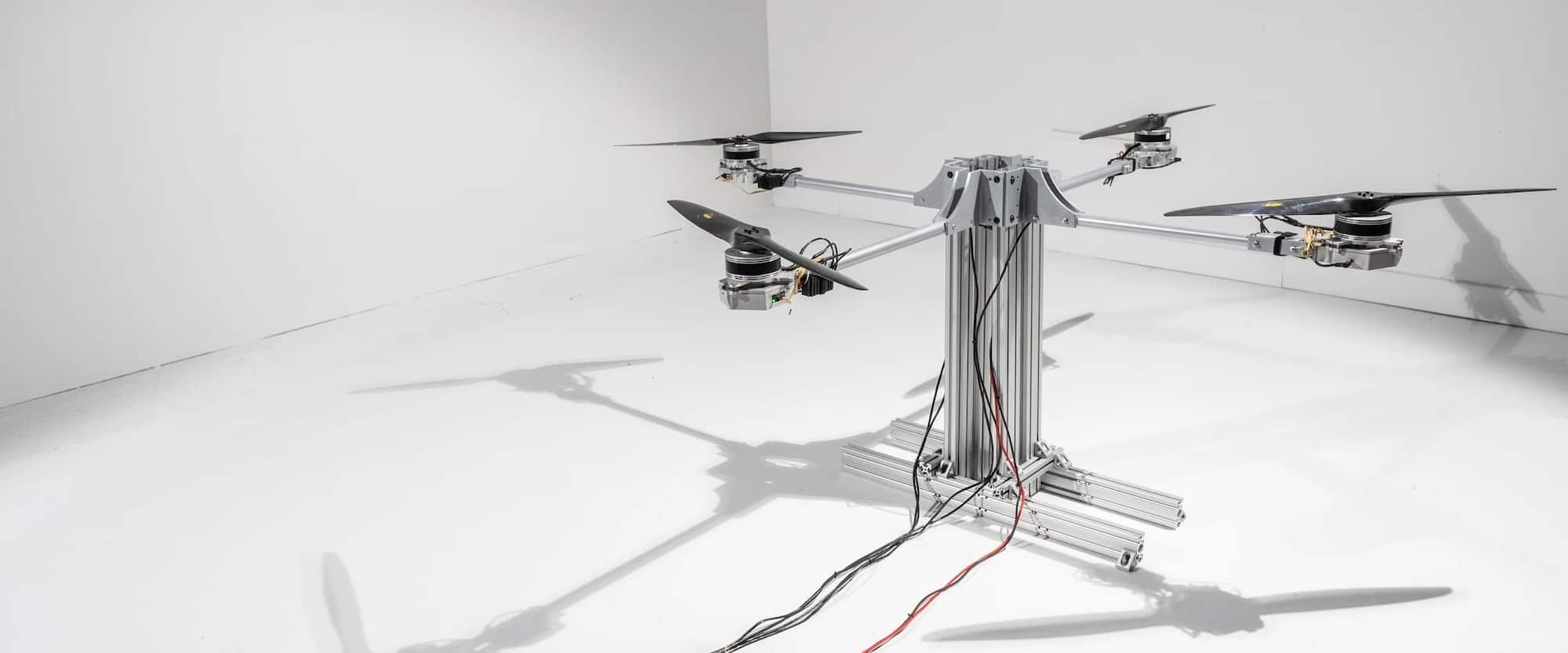
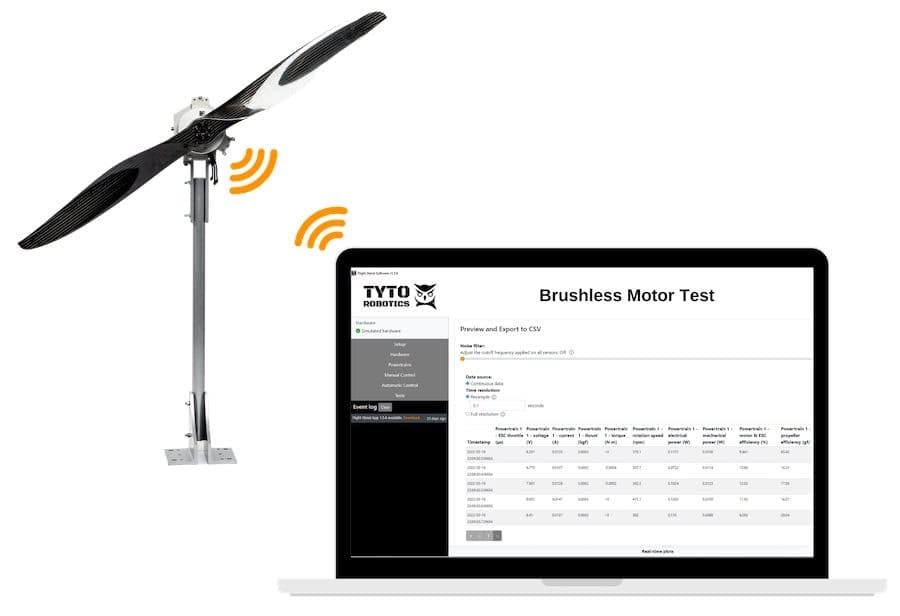
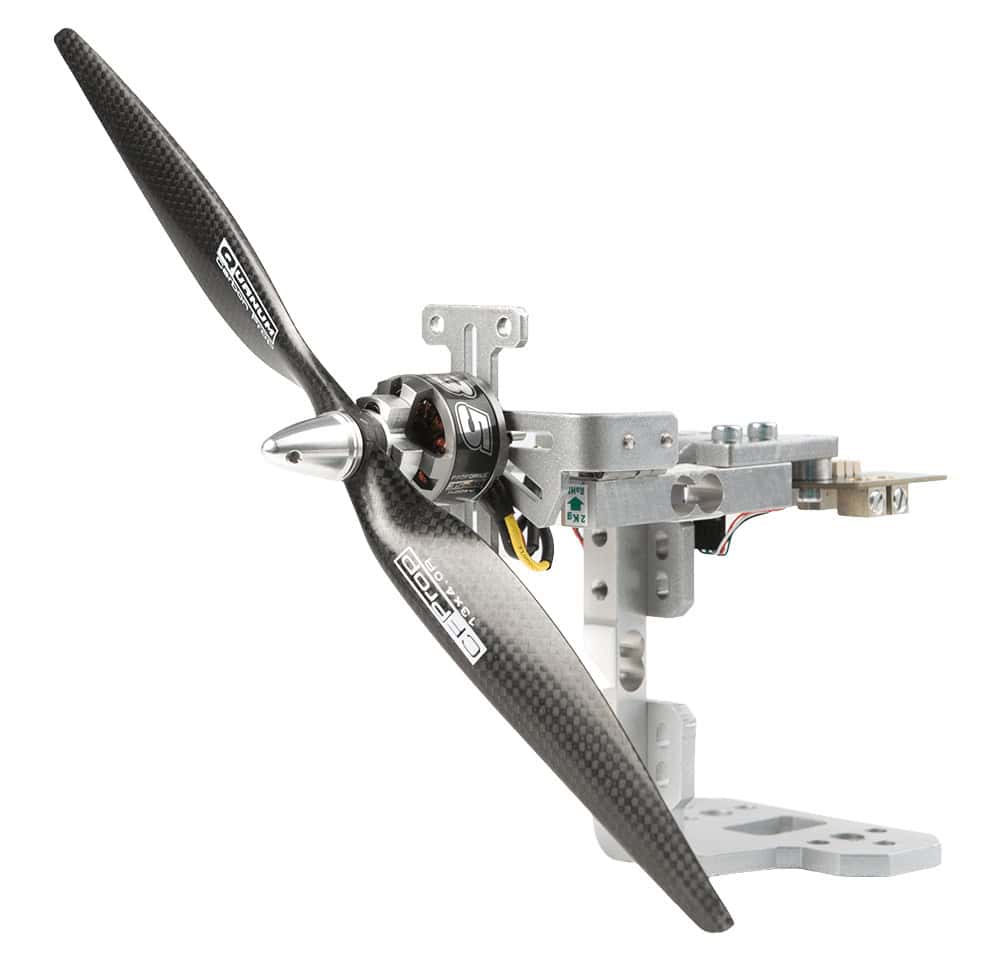
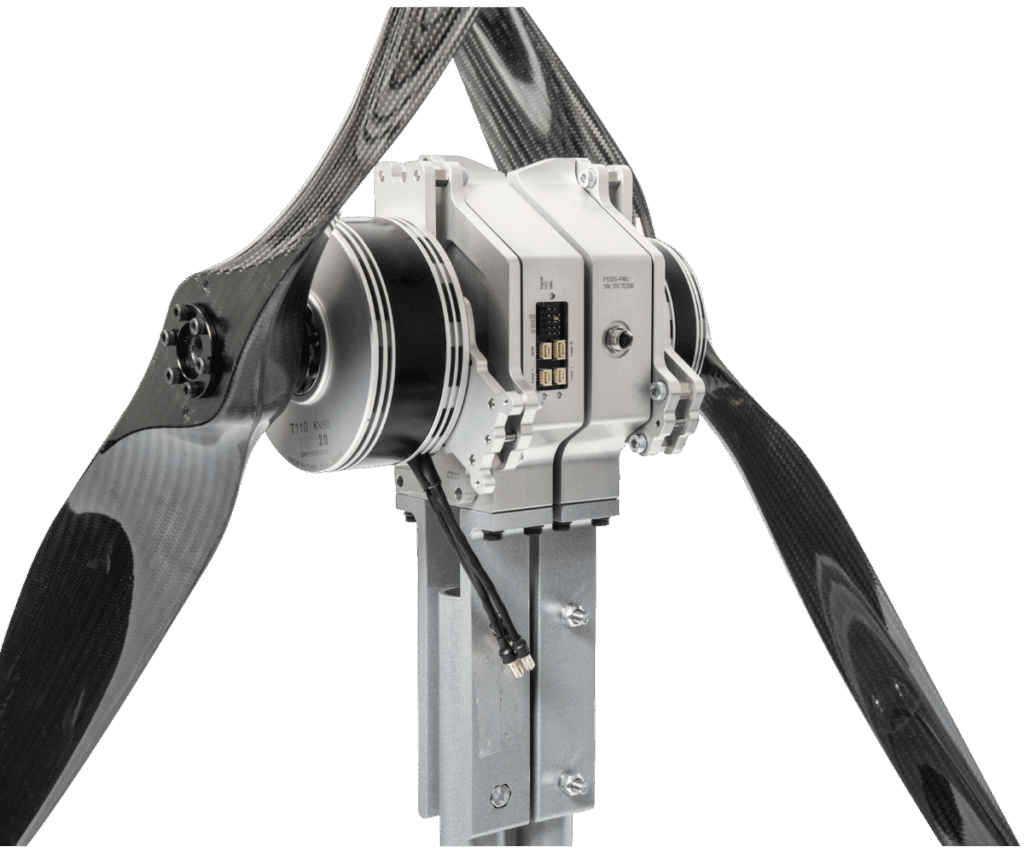
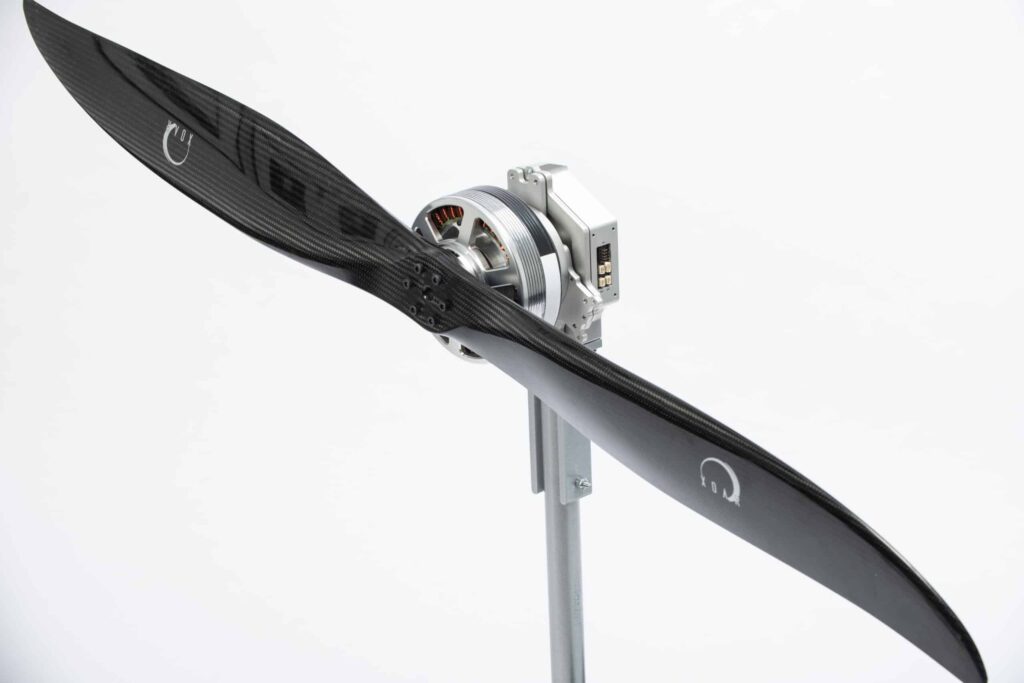
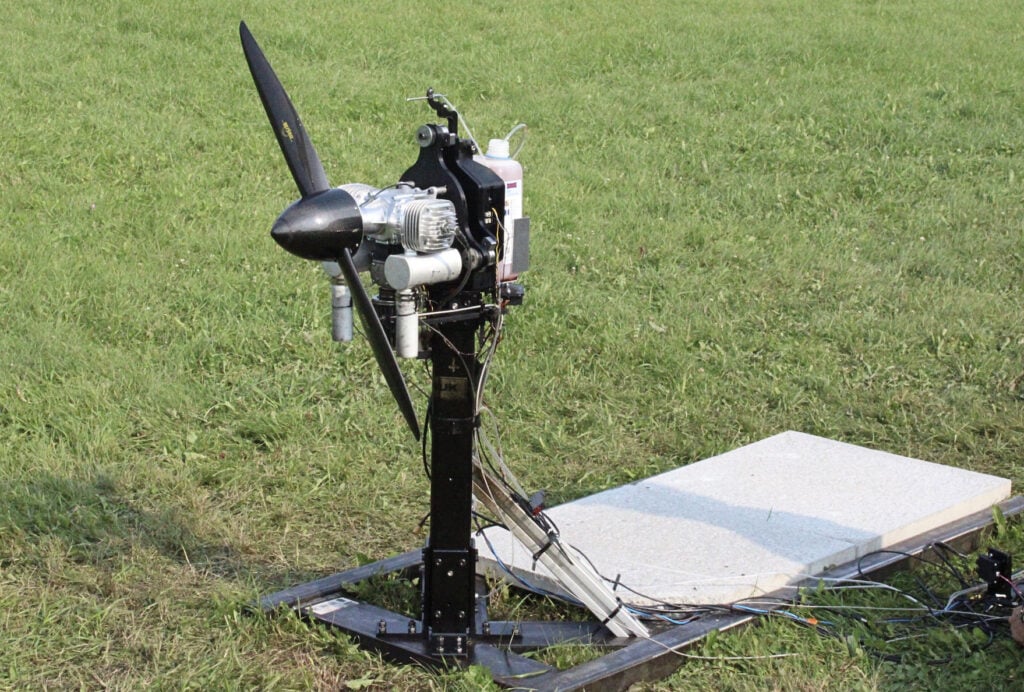
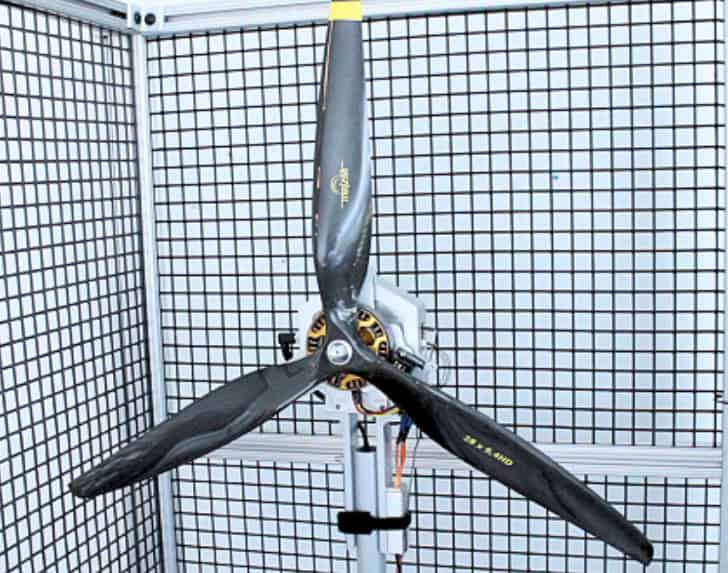
Using a wind tunnel and a Flight Stand, Tyto Robotics tests two large propellers under controlled airflow to simulate real flight conditions. By analyzing thrust, efficiency, and normalized aerodynamic coefficients, the company uncovers how propeller size impacts performance, including in high-speed and windmilling regimes.
Covered in the video is why thrust and efficiency alone are not enough for propeller selection, how to use thrust, torque, and power coefficients for deeper analysis, what advance ratio reveals about real flight performance, and much more.