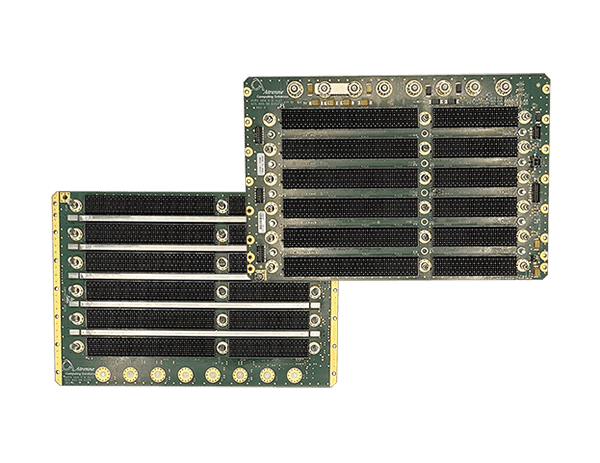




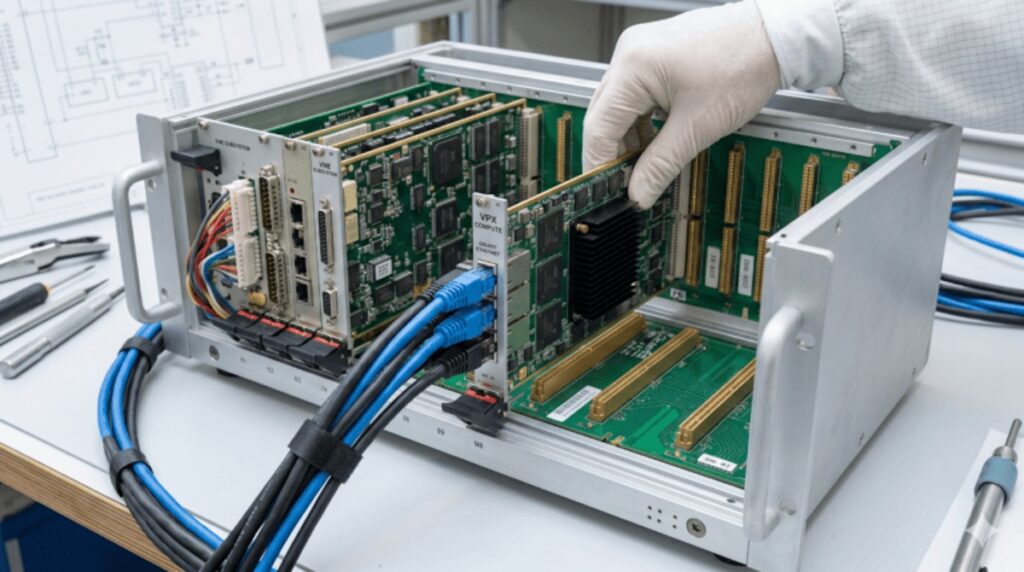
Atrenne, A Celestica Company, outlines how defense programs are increasingly prioritizing interoperability between VME, VPX, and Ethernet architectures to support evolving C5ISR requirements while extending the operational life of existing platforms.
As modernization demands accelerate, defense organizations are moving away from single-architecture strategies in favor of approaches that allow legacy and next-generation technologies to operate together. Rather than replacing VME infrastructure entirely, many programs are integrating VPX and Ethernet technologies alongside established systems to add compute performance, networking capability, and bandwidth capacity without impacting fielded subsystems.
This interoperability-focused approach supports faster upgrades, reduced integration risk, and greater flexibility under Modular Open Systems Approach (MOSA) initiatives, allowing programs to integrate technologies from multiple suppliers while supporting long-term platform viability.
Balancing Legacy Infrastructure with Next-Generation Performance
While VPX supports high-bandwidth applications such as AI and machine learning, sensor fusion, advanced signal processing, and high-resolution ISR ingestion, VME remains widely deployed across airborne, naval, and ground-based defense platforms due to its proven reliability and long operational lifespan.
Many defense systems continue to rely on VME-based infrastructure for critical subsystem functionality, particularly within programs expected to remain operational for decades. Ethernet also continues to play an important role in enabling scalable data movement across distributed C5ISR environments.
As these technologies increasingly operate alongside one another, interoperability has become a key requirement for defense integrators seeking to modernize systems incrementally rather than through full platform replacement.
Supporting Mixed VME, VPX, and Ethernet Environments
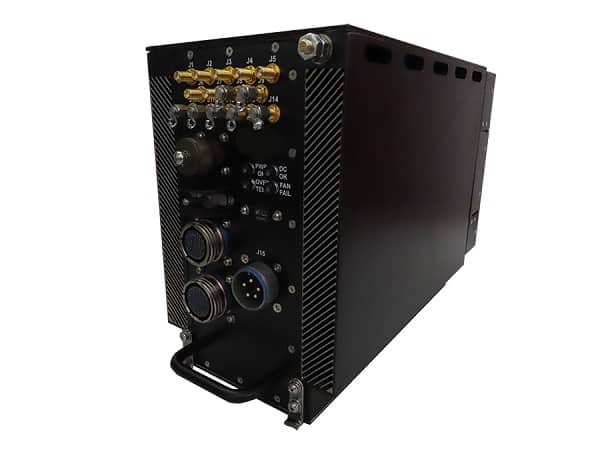
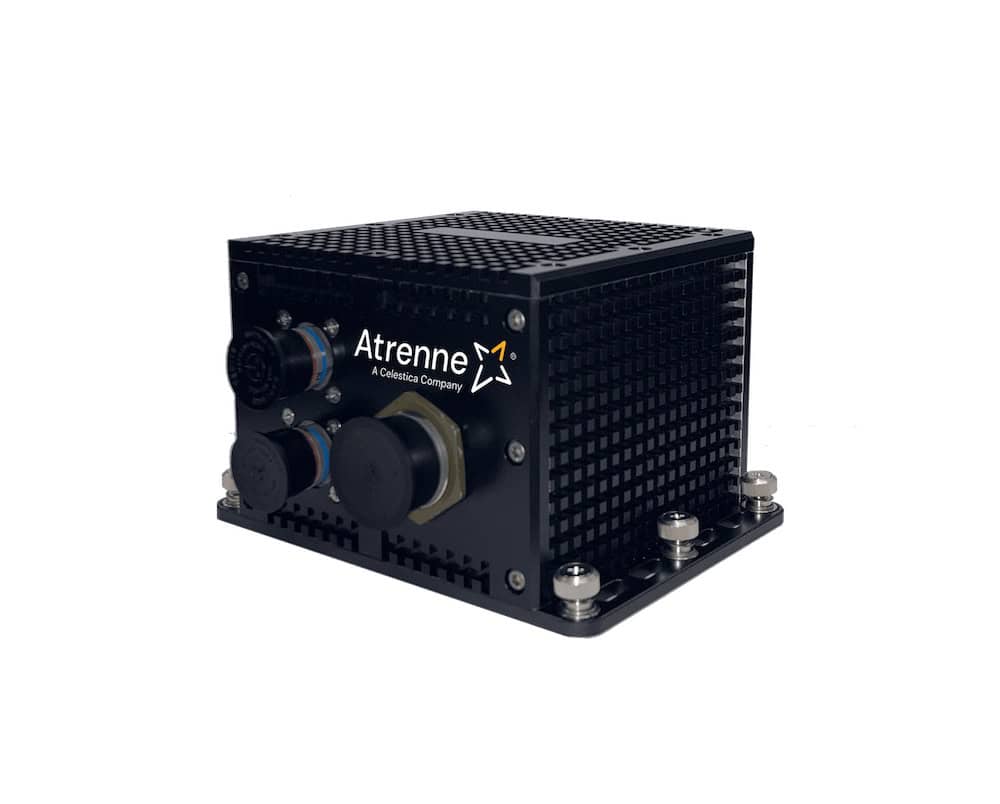
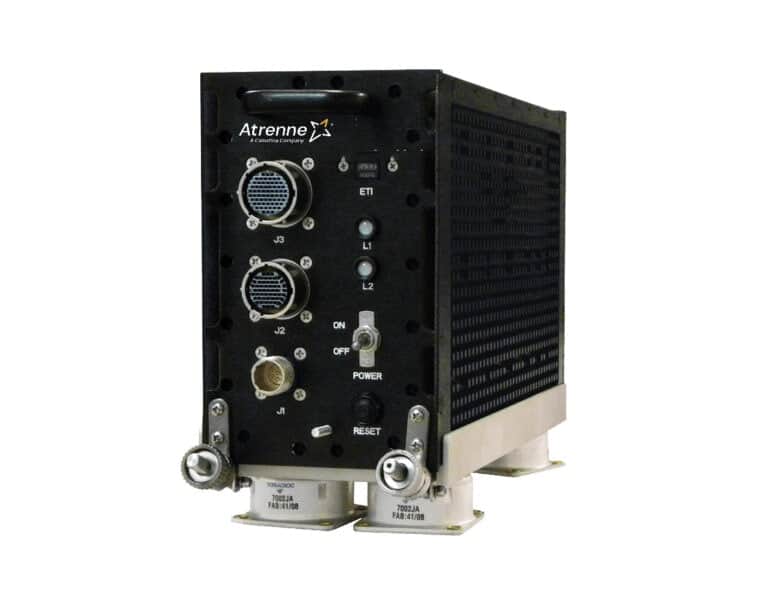
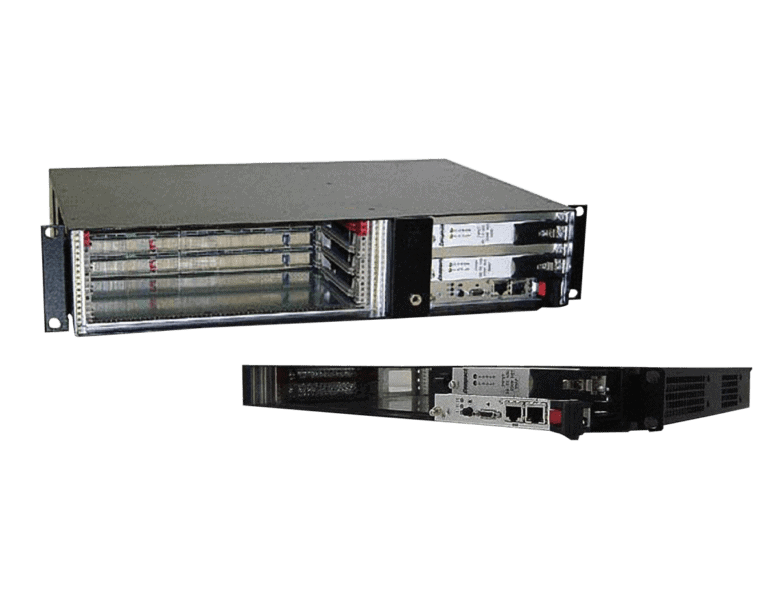
Atrenne develops hybrid chassis and custom backplane solutions engineered to support mixed VME, VPX, and Ethernet environments within a single integrated platform. These systems are designed to maintain compatibility between legacy and next-generation technologies while supporting high-speed VPX data transmission requirements.
The company’s platforms are developed in alignment with standards including VITA, SOSA™, and CMOSS, helping support long-term interoperability and future component upgrade flexibility. Atrenne also designs ruggedized solutions for deployment across airborne, naval, and ground-based defense environments exposed to shock, vibration, thermal stress, and electromagnetic interference.
Enabling Incremental Defense Modernization
By enabling legacy and emerging technologies to coexist within interoperable architectures, Atrenne supports defense programs seeking incremental modernization pathways without requiring complete platform redesigns.
This approach helps organizations accelerate modernization cycles, reduce lifecycle costs, and support evolving mission requirements while maintaining compatibility with emerging open standards.
To learn more, visit the Atrenne, A Celestica Company website.