

Suppliers: Transponders

Viasat, Inc.

Cutting-Edge Encryption Solutions for Military & Government: Protection Against The Most Sophisticated Modern Cyber Threats

Forcys

Undersea Sensing, Communications, Imaging, Control and Navigation Solutions for Naval Forces

uAvionix Corporation

Identification Friend or Foe & Mode 5 Combat ID for Military UAS

UAV Propulsion Tech

Drone Parachutes & UAV Launch & Recovery Systems for Military & Defense Operations

Sagetech

Global Provider of Certifiable Situational Awareness & BVLOS Solutions

Showcase your capabilities

If you design, build or supply Transponders, create a profile to showcase your capabilities and connect with visitors who have an active requirement for your solutions.


Create Supplier Profile

Products

10 Cutting-edge Solutions
Add your solutions
SkyTAK

Ruggedized tactical airspace surveillance solution for multi-domain operations

Ruggedized tactical airspace surveillance solution for multi-domain operations
..., rapid threat identification, and decentralized coordination. With native support for ATAK, WinTAK,...
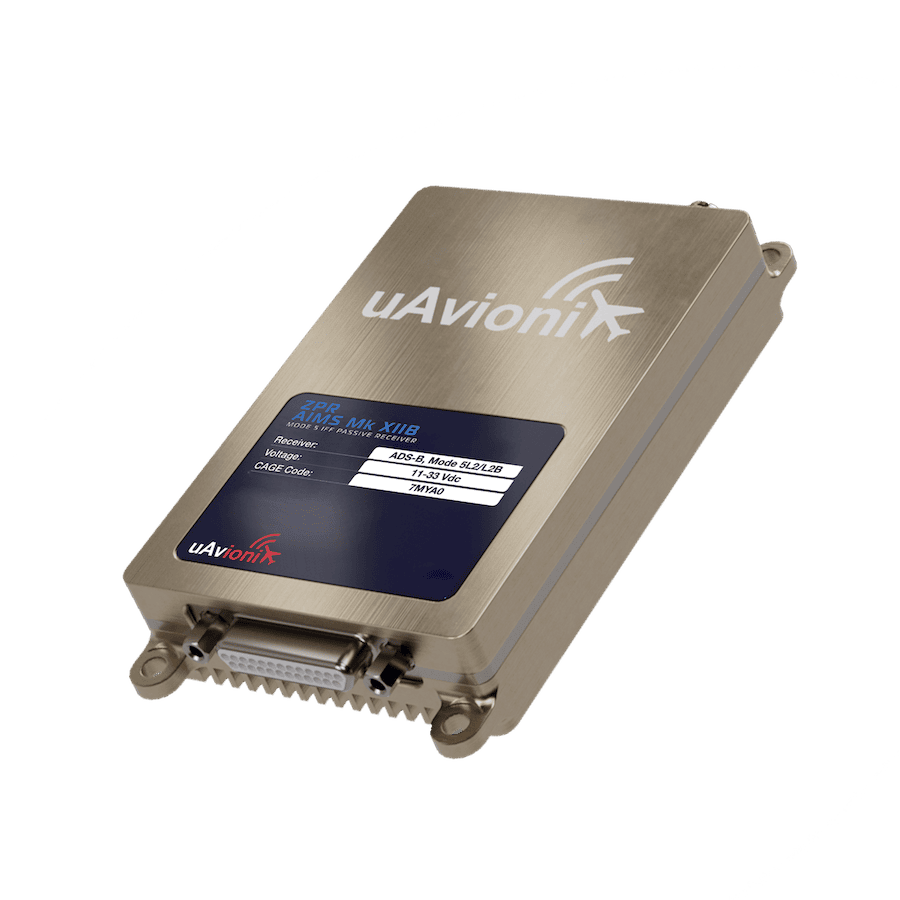
ZPR

Passive Mode 5 IFF & ADS-B receiver for detection of military & civil aircraft

Passive Mode 5 IFF & ADS-B receiver for detection of military & civil aircraft
The ZPR is a passive receiver with both Mode 5 L2/2B IFF and civil 1090 MHz ADS-B capabilities, inte...
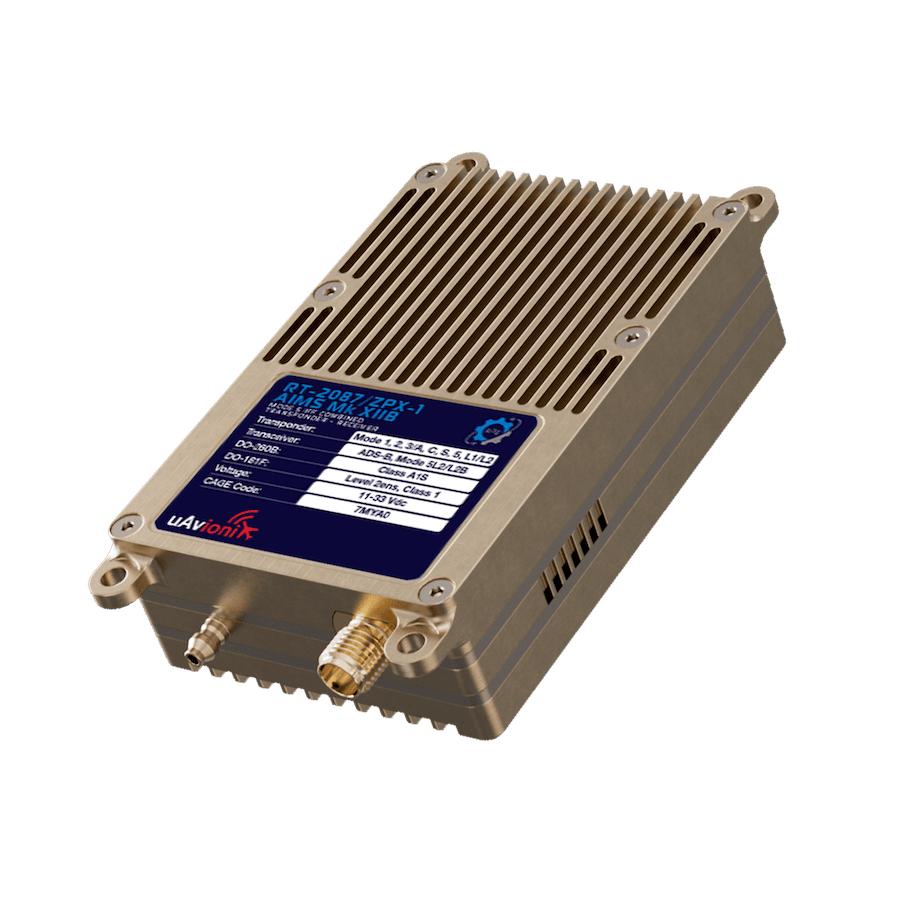
ZPX-1

Combat ID Mode 5 transponder with ADS-B for tactical UAS

Combat ID Mode 5 transponder with ADS-B for tactical UAS
...-1 is a Mode 5 transponder that provides IFF (Identification Friend or Foe) and ADS-B capabilities...
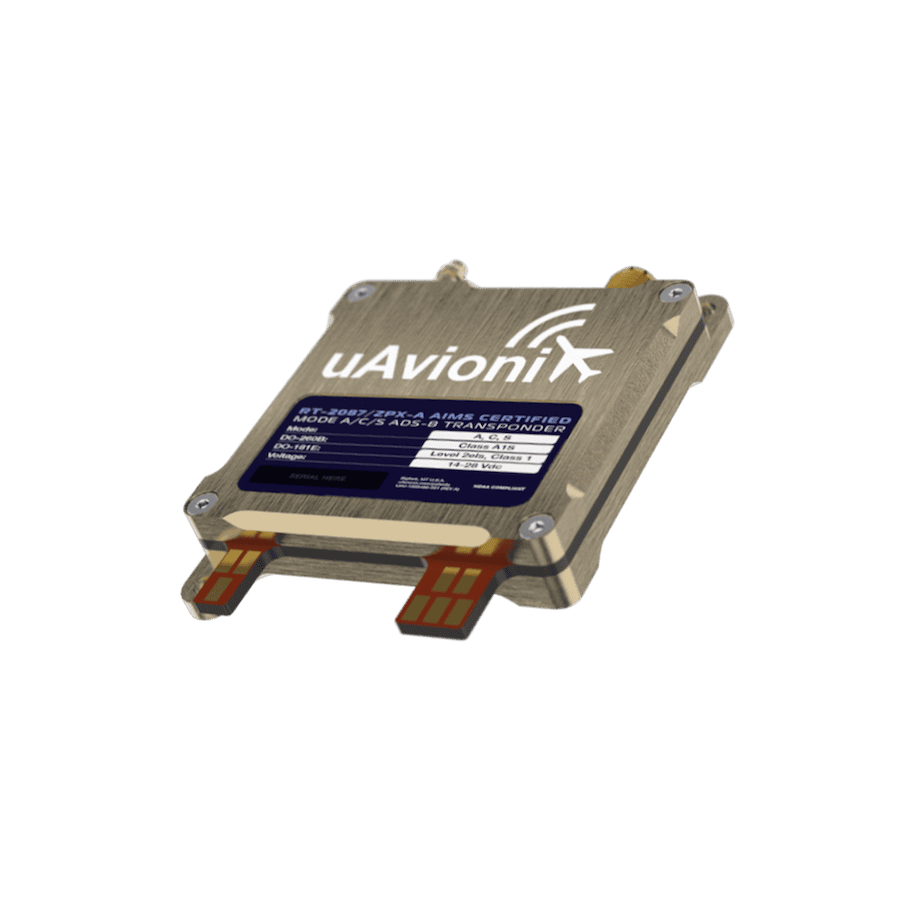
ZPX-A

AIMS-certified Mode S transponder with ADS-B

AIMS-certified Mode S transponder with ADS-B
...rtified Mode S transponder that is ideal for both military and civilian UAS needing to operate...
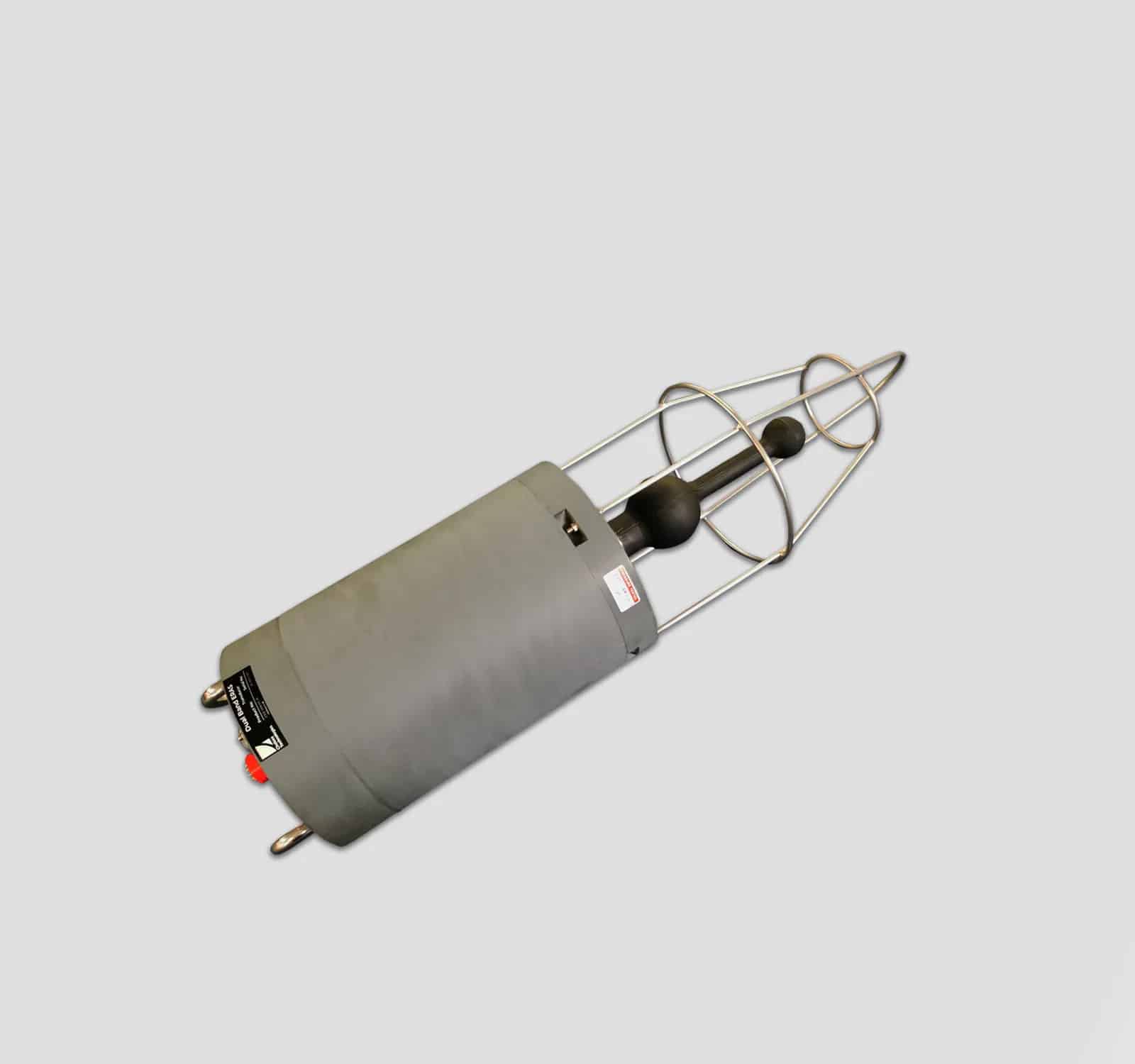
ERAS Sonar Test System

Low-logistics echo repeater, transponder & monitor for acoustic tests & evaluation

Low-logistics echo repeater, transponder & monitor for acoustic tests & evaluation
......ho repetition, and conduct transponder operations across a broad range of sonar testing... ...functionality, transponder simulation, slant range measurement, and received signal monitoring....
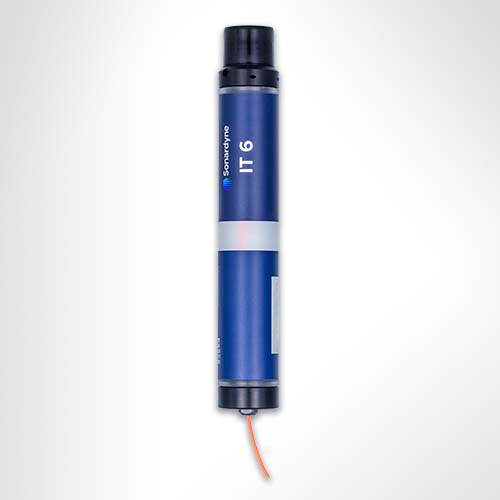
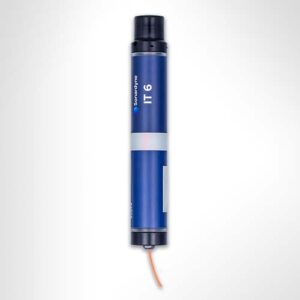
IT 6

Acoustic initiation transponder for UXO / EOD mine neutralizers

Acoustic initiation transponder for UXO / EOD mine neutralizers
The IT 6 from Forcys’ technology partner Sonardyne enables mine neutralizers to be efficiently...
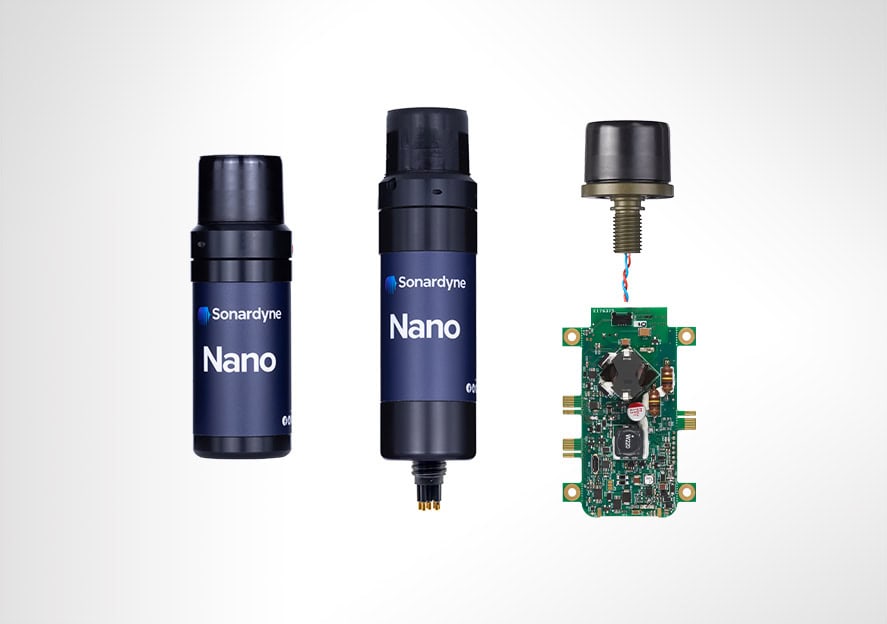
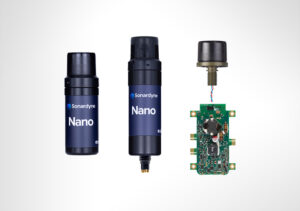
Nano

Compact USBL transponder for underwater tracking & subsea positioning

Compact USBL transponder for underwater tracking & subsea positioning
Nano Transponder is a compact Ultra Short Baseline (USBL) transponder developed for underwater... ... variants, the transponder supports flexible deployment options ranging from diver-carried tracking...
Miniature Avionics

Compact ADS-B & Remote ID solutions for defense UAV operations

Compact ADS-B & Remote ID solutions for defense UAV operations
...fers miniature transponders and avionics enabling secure airspace integration of military and...
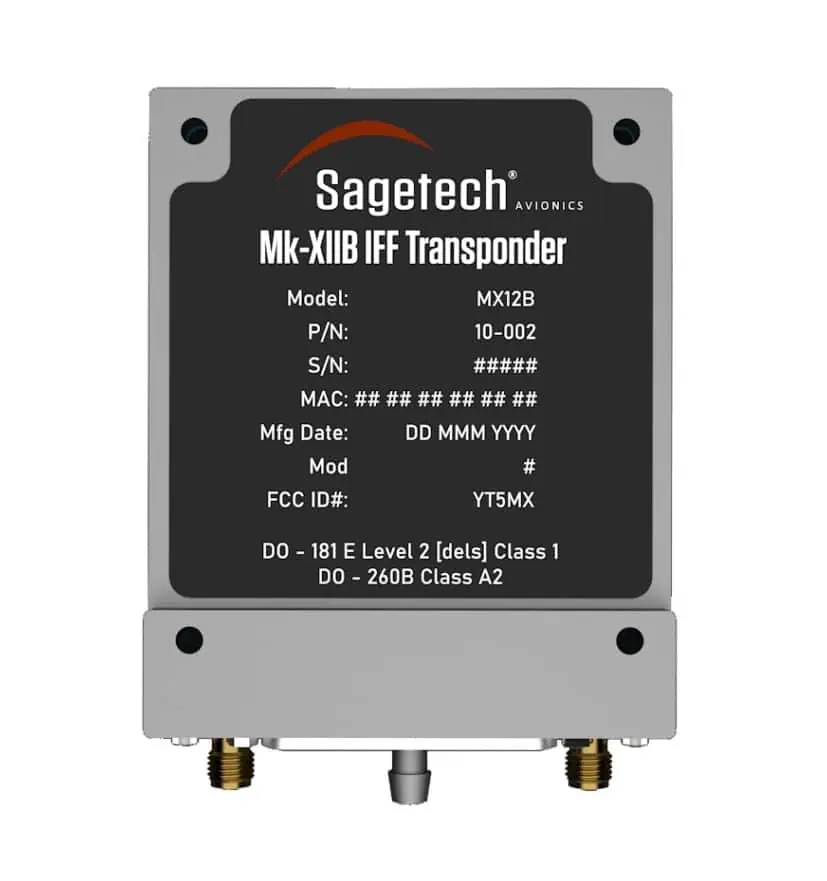
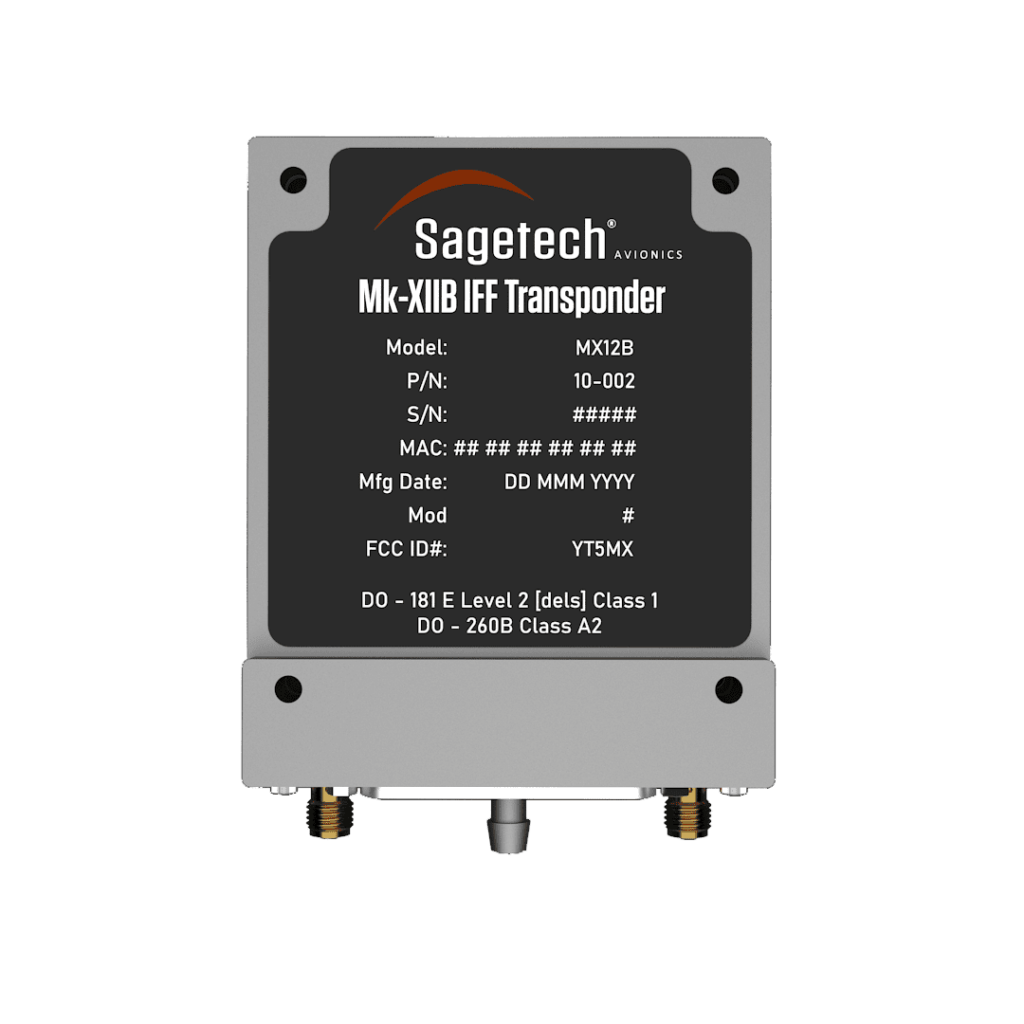
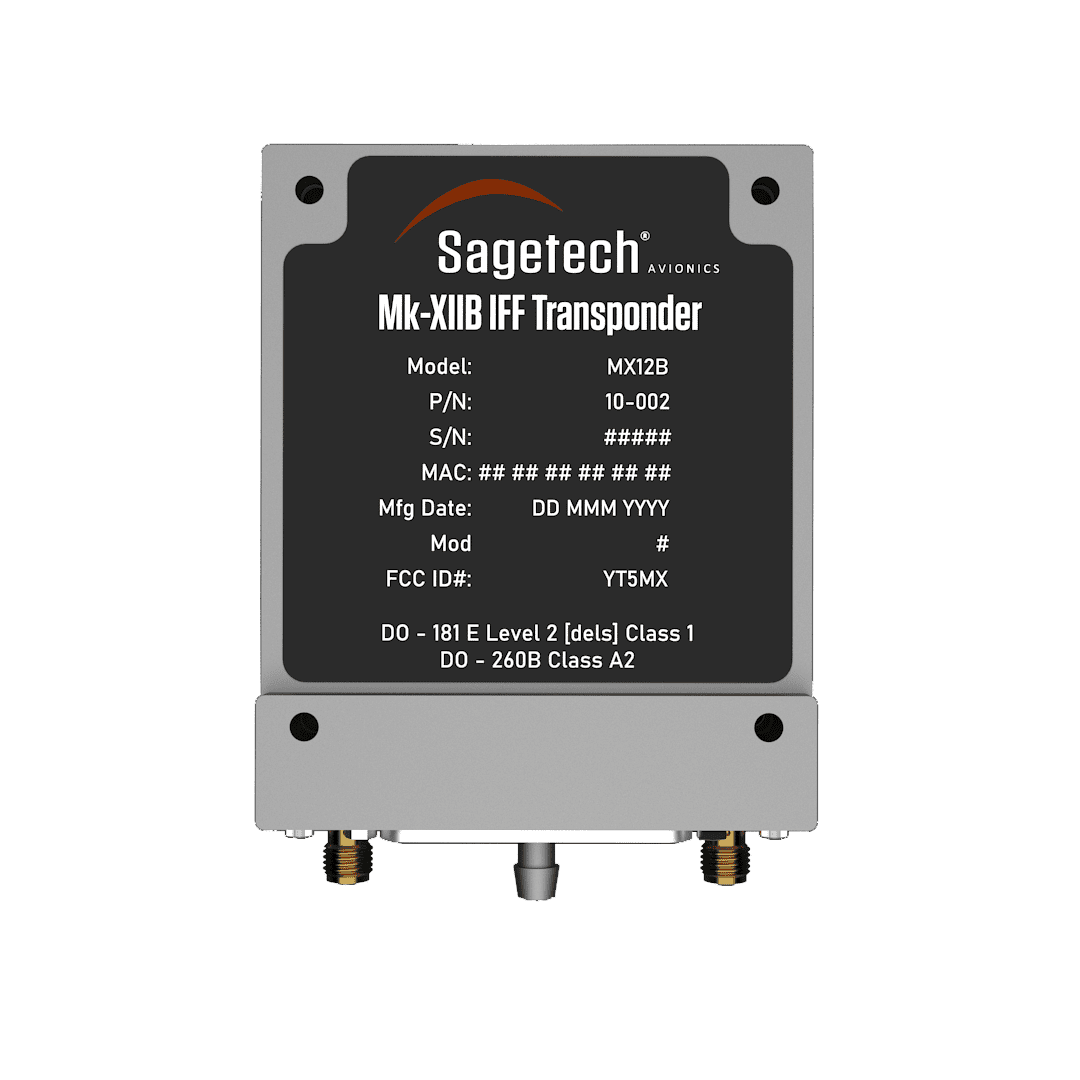
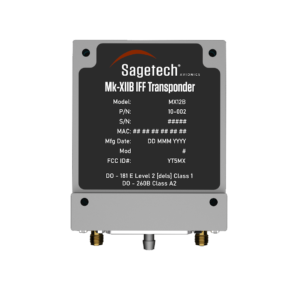
MX12B

The World’s First Micro Transponder Certified Mode 5 IFF

The World’s First Micro Transponder Certified Mode 5 IFF
...next-gen Mx12B transponder is the only micro Mode 5 IFF transponder fully compliant with DOD AIMS Mk... ...itional Mode 5 transponders...
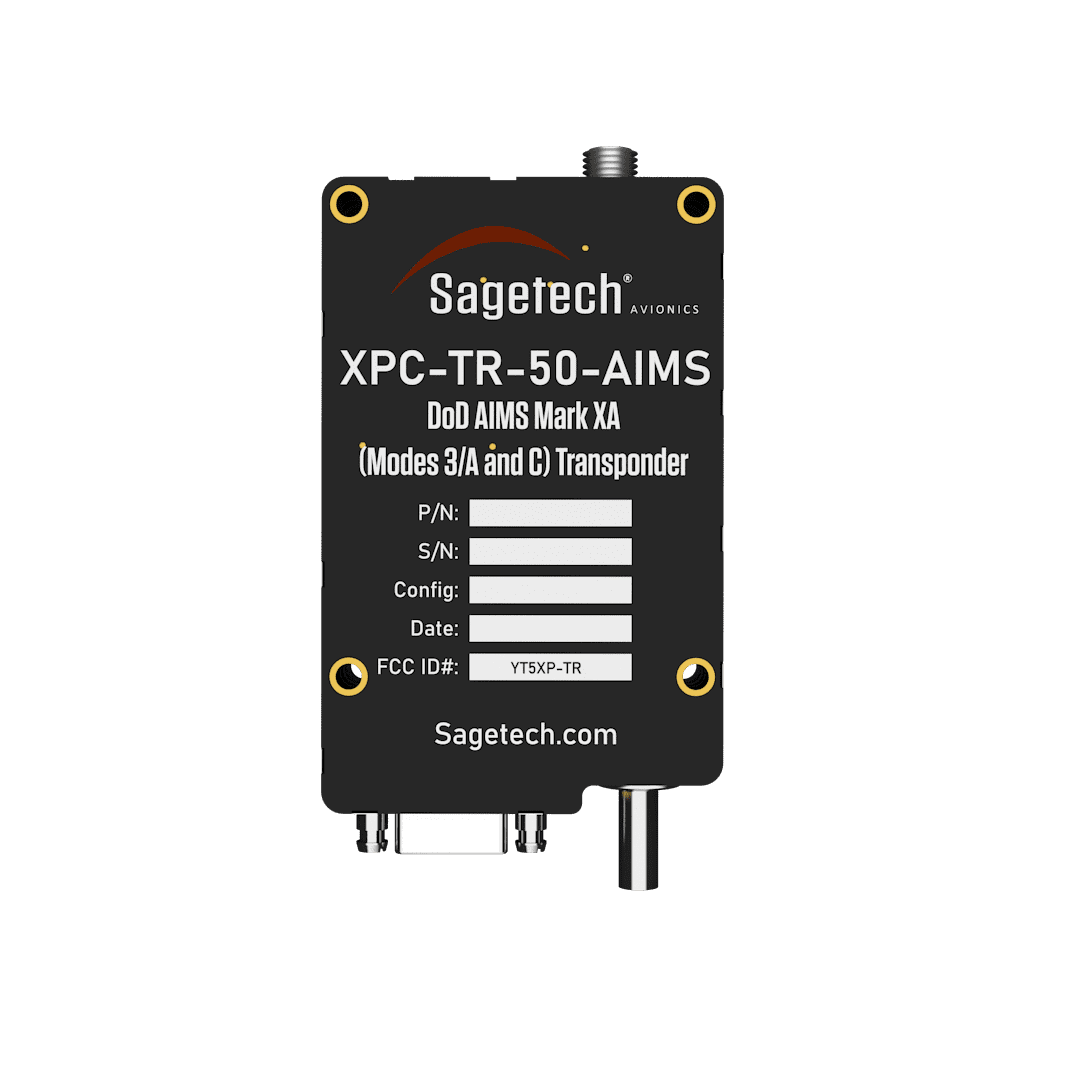
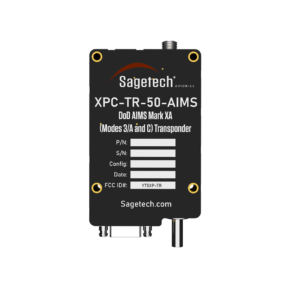
XPC

Mode C Transponder DOD AIMS CERTIFIED

Mode C Transponder DOD AIMS CERTIFIED
...etech XPC AIMS transponder delivers the lowest SWaP available in a fully AIMS-certified package. ...

Military Transponders and Identification Technologies

Sarah Simpson

Updated:

Transponders in military settings serve a critical function by transmitting coded signals in response to interrogation, aiding identification, navigation, surveillance, and targeting. Each category of transponder is designed to operate under specific technical protocols and military standards to ensure performance across multiple domains, land, sea, air, and electronic warfare environments.
Applications of Military Transponders

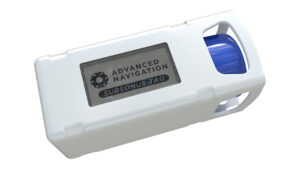
Subsonus Tag High-endurance Subsea Transponder by Advanced Navigation

Subsonus Tag High-endurance Subsea Transponder by Advanced Navigation

Military transponders are used in a wide array of defense and combat scenarios, including:

  • Combat Identification (CID): Ensuring friendly units are accurately recognized on the battlefield.
  • Air Traffic Control and Navigation: Supporting safe routing of military and allied aircraft via systems like Secondary Surveillance Radar (SSR) and ADS-B Out.
  • Electronic Warfare Training: Simulating real-world combat scenarios with range transponders to evaluate platform survivability.
  • Combat Search and Rescue (CSAR): Facilitating rapid personnel recovery with Personal Locator Beacon (PLB) transponders.
  • Covert Operations: Employing low-probability-of-detection transponders like Covert TTL models for clandestine missions.

Types of Military Transponders

Military operations rely on diverse transponder technologies, each optimized for specific functional and operational requirements:

IFF Transponders (Identification Friend or Foe)

IFF transponders respond to interrogations with coded signals based on military-defined modes. These include:
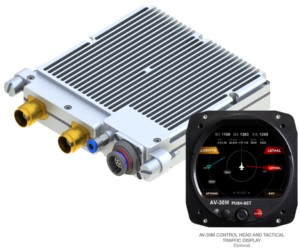
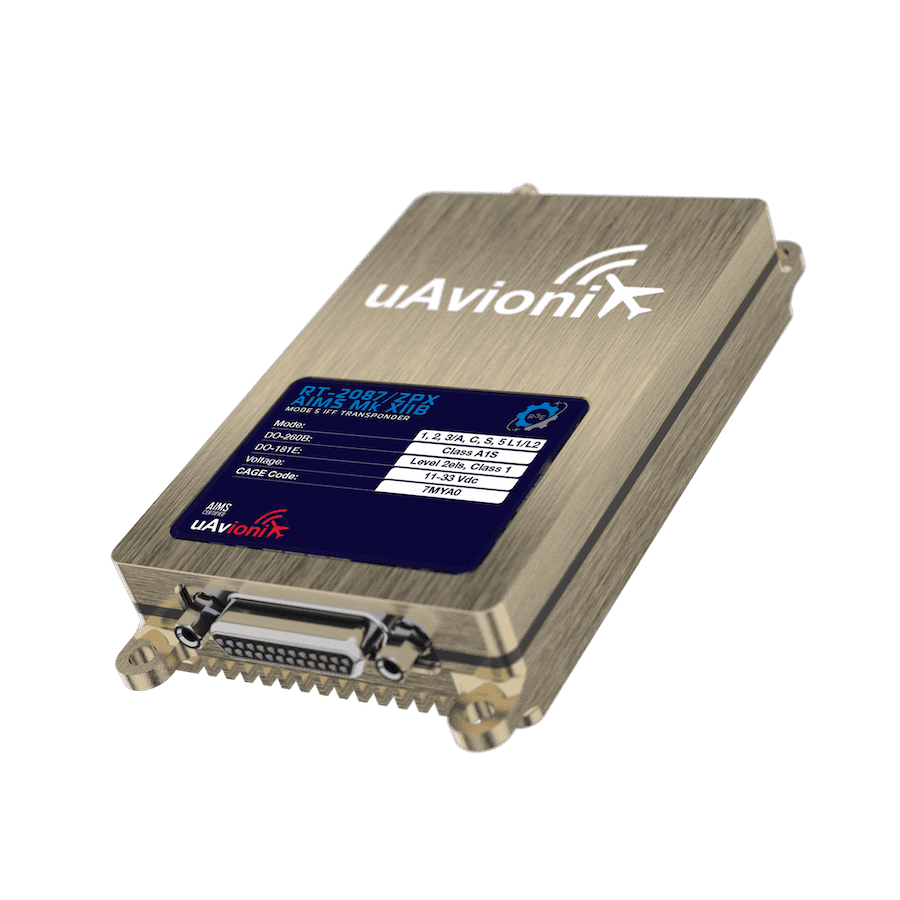
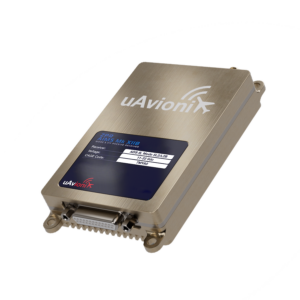
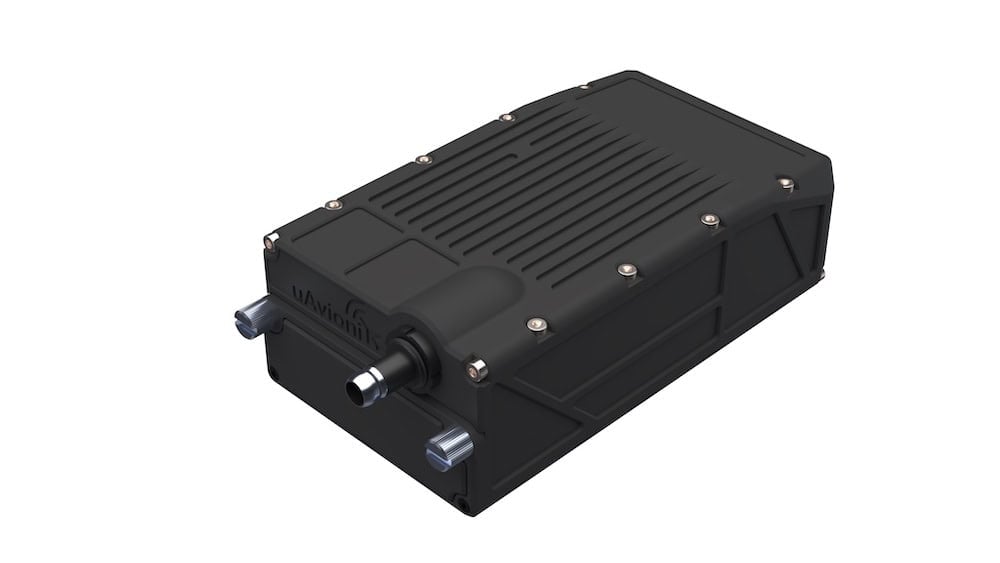
  • ZPX-C IFF Transponder with ADS-B by uAvionix

    ZPX-C IFF Transponder with ADS-B by uAvionix

    Mode 1: Low-security mode for general identification.

  • Mode 2: Used for individual aircraft identification.
  • Mode 3/A: Shared with civil aviation for ATC compatibility.
  • Mode 4: Crypto-secured for exclusive military use.
  • Mode 5: Advanced encryption, providing secure data and combat ID, interoperable with NATO forces.

Secondary Surveillance Radar (SSR) Transponders

SSR transponders interact with radar systems to broadcast aircraft identification and altitude data. SSR enhances ATC capabilities and is vital in both civilian-military integration and standalone military operations.

ADS-B Out Transponders

Automatic Dependent Surveillance–Broadcast (ADS-B) Out systems autonomously transmit aircraft position and velocity derived from onboard GPS. These transponders are pivotal for real-time tracking in non-radar zones and deconfliction in joint operations.

TACAN Ground Station Transponders

Tactical Air Navigation (TACAN) systems use transponders located at ground stations to provide bearing and distance data to aircraft. They offer enhanced precision over civilian VOR/DME systems, crucial for carrier and forward-deployed navigation.

DME Ground Transponders

Distance Measuring Equipment (DME) ground stations transmit coded signals that aircraft transponders use to determine slant-range distance, often integrated with TACAN or ILS systems.
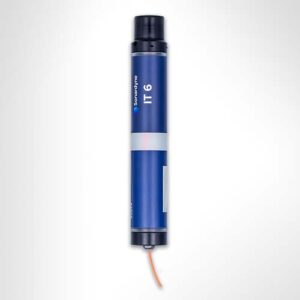
IT 6 Acoustic initiation transponder for UXO EOD mine neutralizers by Sonardyne

IT 6 Acoustic initiation transponder for UXO EOD mine neutralizers by Sonardyne

Miniature IFF Transponders

Compact IFF transponders are integrated into UAVs, missiles, or dismounted soldier systems. These systems maintain IFF capability while minimizing size, weight, and power consumption.

Combat Identification Transponders

Designed specifically to reduce friendly fire incidents, these transponders are integrated into vehicles or wearable platforms. They provide encrypted response capability for rapid identification in complex or low-visibility combat environments.

Electronic Warfare Range Transponders

Used in test and training environments, these transponders simulate signal profiles of enemy threats or friendly forces. They play a vital role in developing and validating electronic countermeasure strategies.

Personal Locator Beacon (PLB) Transponders

Locator beacons such as PLBs emit distress signals that include GPS coordinates and are essential in search-and-rescue operations. They can be manually activated or set to trigger upon ejection or crash impact.

Covert TTL Transponders

Covert Time-to-Live (TTL) transponders designed for covert operations minimize detectability. They emit low-power, time-limited signals for tracking or monitoring in special missions.

How Military Transponders Work

A transponder operates by receiving an interrogation signal and responding with coded data based on pre-programmed logic or cryptographic keys. In IFF systems, the interrogation originates from radar or a dedicated interrogator, prompting a time-coordinated reply with mission-critical identification or location information.
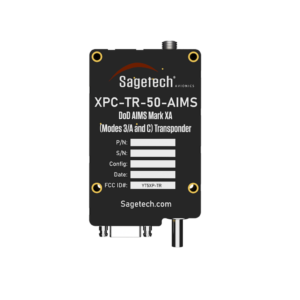
XPC Mode C Transponder DOD AIMS CERTIFIED by Sagetech

XPC Mode C Transponder DOD AIMS CERTIFIED by Sagetech

Transponder modes such as Mode C (altitude reporting) and Mode S (selective interrogation with aircraft ID) are especially prevalent in systems requiring civil-military interoperability. ADS-B Out systems differ by transmitting information continuously without external prompting, using GNSS-derived position and velocity vectors.

Transponder Modes in Military Use

Key transponder modes include:

  • Mode 1, 2, 3/A: Traditional military/civil interoperability.
  • Mode C: Altitude reporting for air traffic surveillance.
  • Mode 4, 5: Encrypted military identification with advanced anti-spoofing capabilities.
  • Mode S: Provides aircraft ID and integrates with TCAS and ADS-B.

Standards and Protocols

Military transponder systems adhere to stringent standards for interoperability, encryption, and signal fidelity:

  • MIL-STD-1553: Data bus standard for platform integration.
  • STANAG 4193: NATO standard for IFF transponder operations.
  • RTCA DO-260B: ADS-B Out transponder performance standard.
  • ICAO Annex 10: Regulates SSR and ADS-B compatibility for joint airspace use.

Transponders also must meet environmental and EMI standards such as MIL-STD-810 and MIL-STD-461, ensuring reliable operation across combat and aerospace environments.

Comparison With Civil Transponders

While civil transponders primarily support ATC functions (Modes A, C, S, and ADS-B), military transponders extend functionality to encrypted identification, EW training, and combat ID. Military variants typically include ruggedized construction, secure crypto modules, and interoperability with non-civil systems like TACAN or IFF Mode 5.

  • Integration with Unmanned Systems: Miniature IFF and ADS-B units for UAVs and UGVs.
  • Software-Defined Transponders: Enabling dynamic reconfiguration of operating modes and frequency bands.
  • Quantum-Resistant Encryption: Future-proofing Mode 5 and beyond against evolving cyber threats.
  • Multi-Mode Transponders: Combining IFF, ADS-B, and TACAN in a single system for platform consolidation.

Military transponders remain central to modern defense strategy, enabling secure identification, coordinated operations, and survivability in complex mission environments. From traditional radar interrogation systems to advanced ADS-B and covert technologies, transponders support both frontline missions and long-range operational coordination.


Related Articles

Sagetech Avionics Secures Contract For Advanced IFF Transponder Production

Sagetech Avionics secures a 10-year agreement to produce the MOSA-compliant AN/APX-128 transponder for military aircraft deployment

May 01, 2026
Advanced IFF Transponder Upgraded to Support Evolving Defense Platforms

BAE Systems is upgrading its AN/APX-123A(V) Common Transponder to enhance secure identification capabilities and support evolving U.S. military platforms and defense needs

Jun 16, 2025
Upgraded IR Sensor Boosts Detection Range in Tactical Beacons

Adventure Tactical has enhanced its VIP light™ and Trilobyte® products with an upgraded IR sensor, expanding detection range and early warning capabilities for military users

May 09, 2025
MoU Formed for Advanced Radio & IFF Solutions

EARTH and Thales' MoU aims to aid in equipping military unmanned aerial vehicles and to strengthen their collaboration in radio communications, IFF solutions, and associated services

Mar 14, 2025
BAE Systems to Provide Digital Interrogator Target Data Processor Solution

BAE Systems will design and implement UPX-24 target data processor capabilities into a single digital interrogator Identification Friend or Foe (IFF) solution for the U.S. Navy

Oct 01, 2024
European Military Bases to Receive C-UAS Solutions

Sentrycs will supply its counter-UAS solutions for multiple European military bases, protecting sensitive sites by passively detecting, tracking, and neutralizing rogue drones

Jun 04, 2024
Maximum Capability Transponders & DAA Software Set for Australian Market

CAPAIR will bring air safety solutions to the Australian market, advancing autonomy and UAS integration by introducing Sagetech's detect and avoid (DAA) software and IFF transponders

May 13, 2024
Why Griffon Selected a Sagetech IFF Transponder for Defense Applications

Sagetech’s MX12B Mode 5 IFF Transponder provided a full suite of accessories to allow easy integration and testing on the bench, ideal when working to test Air and Missile Defense Systems

Mar 26, 2024
Case Study: How The MX12B Mode 5 IFF Level 2B Transponder Delivers Results

Sagetech has released a case study detailing how the MX12B Mode 5 IFF Level 2B Transponder serves the military’s missions of tomorrow

Mar 12, 2024