If you design, build or supply VPX Single Board Computers, create a profile to showcase your capabilities and connect with visitors who have an active requirement for your solutions.
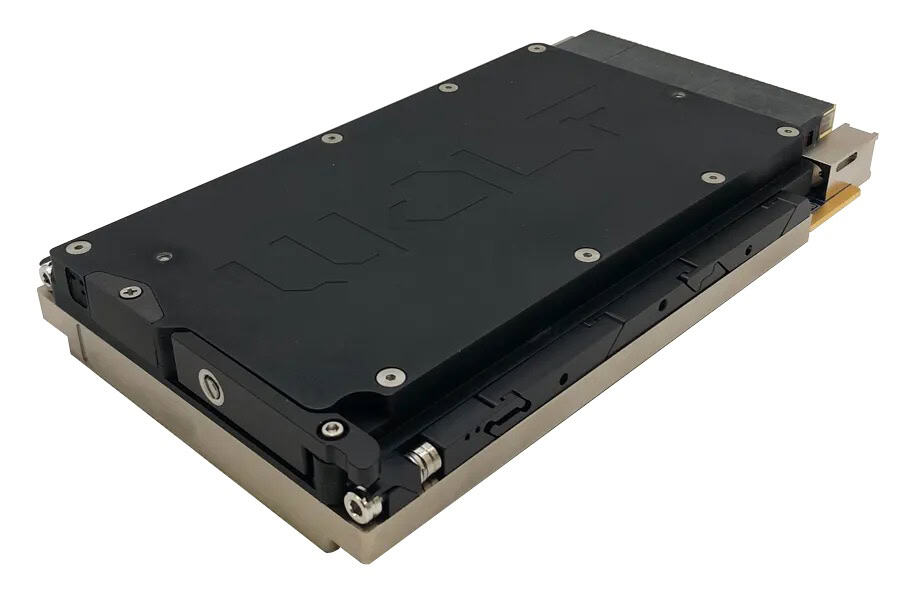
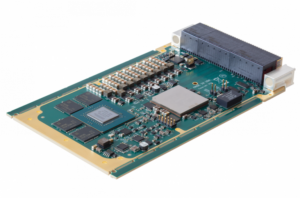
3U VPX computing module with NVIDIA IGX Thor™ GPU for defense AI & mission computing
3U VPX computing module with NVIDIA IGX Thor™ GPU for defense AI & mission computing
The VPX3U-THOR-SBC (WOLF-16T1) is a rugged 3U VPX computing module built for next-generation defense... ...the VPX3U-THOR-SBC provides deterministic performance and mission endurance under −40 °C to +85...
Introduction to VPX and OpenVPX Single Board Computers
VPX and OpenVPX represent the latest evolution in high-performance embedded computing standards, defining the architecture for modern military VPX boards and rugged single board computer systems. Defined by the VITA (VMEbus International Trade Association), VPX (VITA 46) introduced high-speed serial interconnects and advanced backplane architectures designed to meet the extreme data throughput and environmental demands of modern military systems. OpenVPX (VITA 65) formalized the interoperability rules, ensuring that modules from multiple vendors can integrate seamlessly within a standardized architecture.
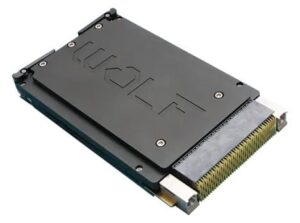
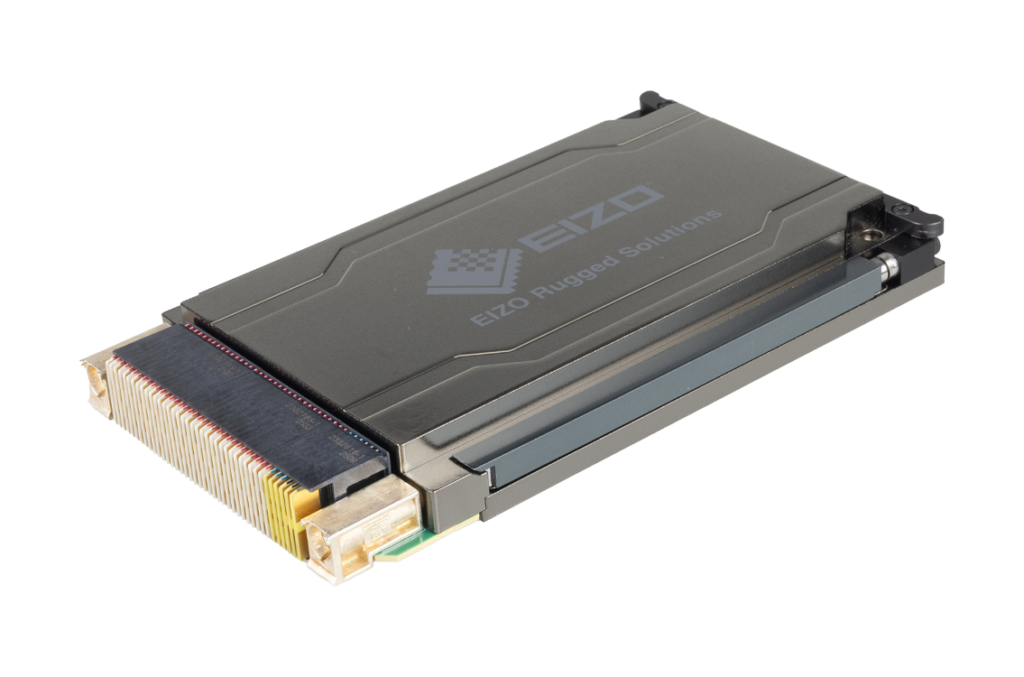
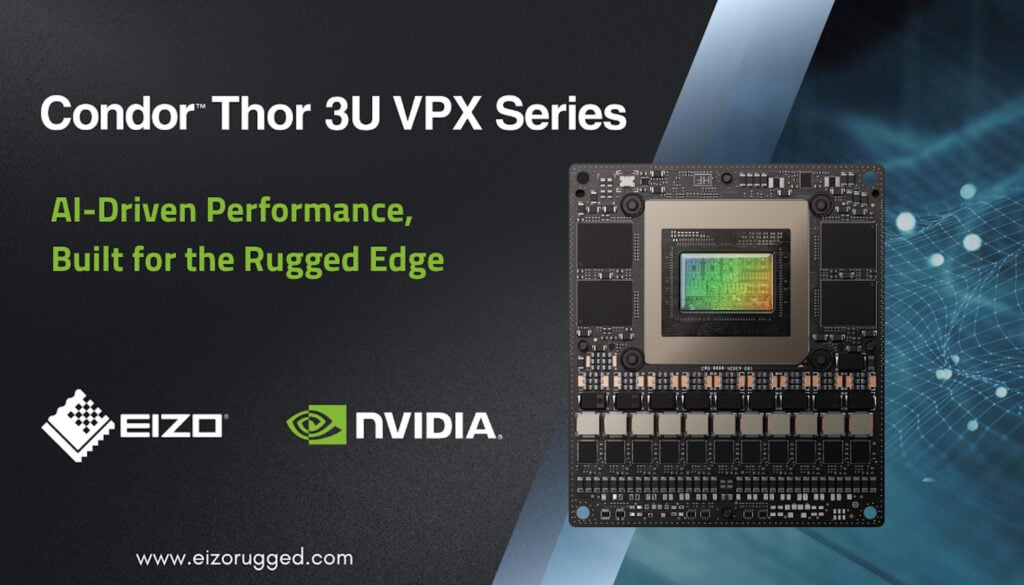
VPX3U-THOR-SBC (WOLF-16T1) from WOLF Advanced Technology
In defense computing environments, where processing, networking, and sensor fusion must occur under mission-critical conditions, the VPX single board computer provides the modular foundation that supports rapid upgrades, long service life, and scalable system performance.
Evolution from Legacy Architectures
VPX emerged as the necessary successor to VMEbus and CompactPCI. While these legacy architectures offered impressive reliability, their parallel bus topologies could no longer sustain the multi-gigabit serial data rates demanded by today’s sensors, AI-enhanced applications, and networking requirements. VPX was also driven by the necessity for a Commercial Off-the-Shelf (COTS) standard capable of leveraging high-speed serial fabrics like PCI Express (PCIe), Ethernet, and Serial RapidIO.
By replacing shared parallel backplanes with point-to-point serial fabrics, VPX systems achieve higher bandwidth, lower latency, and improved fault isolation. This architectural leap enables true modular computing, allowing processing, I/O, and switching to evolve independently without redesigning the core platform.
Why VPX/OpenVPX Matters in Modern Defense Embedded Computing
Defense systems, from radar and electronic warfare (EW) suites to unmanned aerial vehicle (UAV) mission computers, require embedded processing that can keep pace with exponential increases in sensor data. VPX single board computer architectures offer a rugged, open, and scalable foundation capable of integrating heterogeneous processors, GPUs, and FPGAs within a compact, high-reliability form factor. The standardized 3U VPX computer and 6U VPX SBC options provide the flexibility necessary for diverse platforms.
This modularity directly supports long-term defense programs by allowing technology refresh without wholesale platform redesign. This approach significantly reduces lifecycle cost, accelerates deployment, and aligns perfectly with government mandates for interoperability and vendor competition.
VPX and OpenVPX Architecture
Core Technical Framework
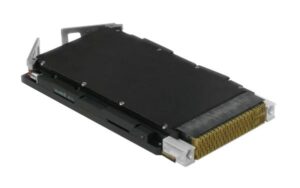
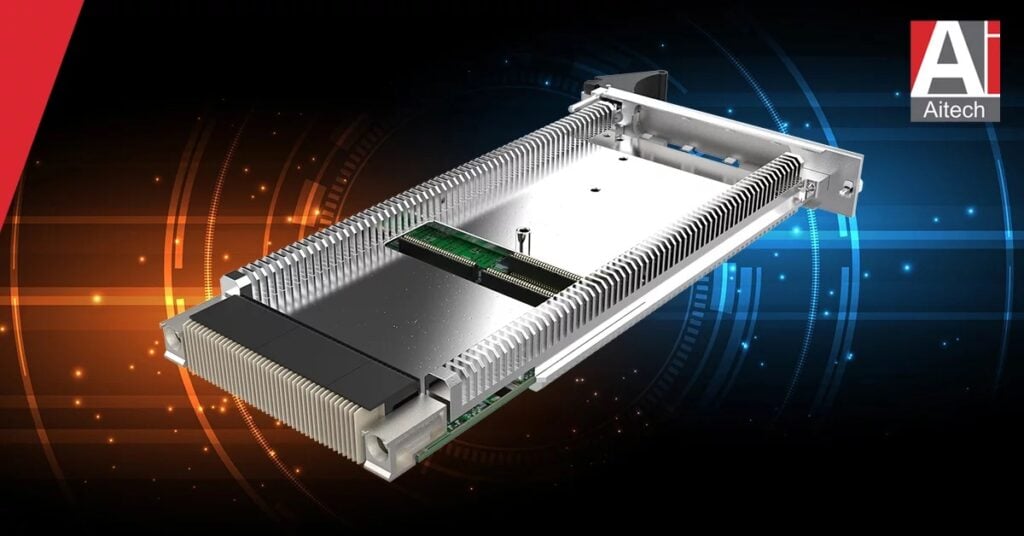
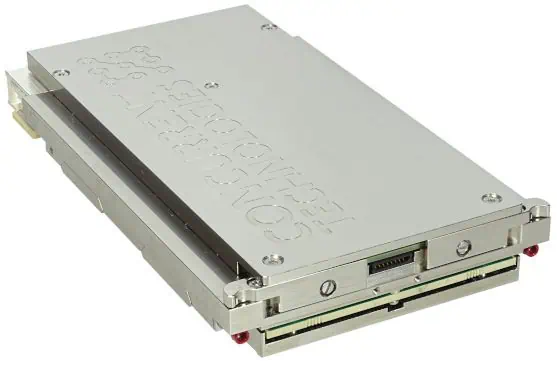
U-C9140 OpenVPX-compliant single-board computer from Aitech
VPX defines the mechanical and electrical structure of modular computing cards using standardized form factors, most commonly 3U (100mm x 160mm) and 6U (233.35mm x 160mm), that slide into a high-speed backplane. The architecture employs multi-gigabit serial interconnects to facilitate low-latency communication between modules.
The VITA 46, 48, and 65 standards govern the backplane topology, connector design, and cooling approaches. Within an OpenVPX system, slots are defined by payload, switch, and data plane profiles, ensuring that each module performs a defined role within the networked system. Deterministic latency and signal integrity are central engineering challenges in demanding Intelligence, Surveillance, Reconnaissance (ISR) and C4ISR systems.
OpenVPX Extensions for Interoperability
OpenVPX (VITA 65) extends the VPX baseline by introducing detailed system interoperability rules. The standard defines how different slot and module profiles interconnect, providing a unified reference for system designers. This level of standardization, particularly the detailed backplane slot profiles, is crucial. It ensures multi-vendor interoperability and prevents the vendor lock-in that plagued previous architectures by defining explicit mechanical, electrical, and logical compatibility requirements. This significantly reduces integration risk and accelerates development cycles.
Hardware Design and Construction
Mechanical and Environmental Engineering
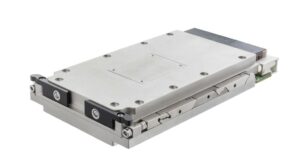
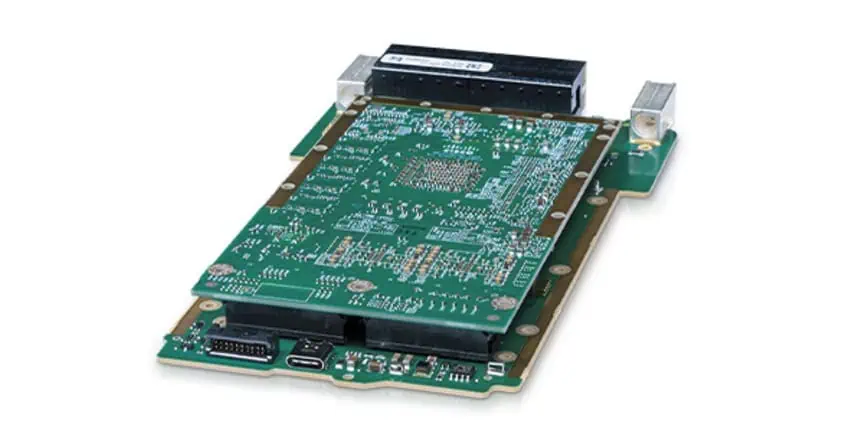
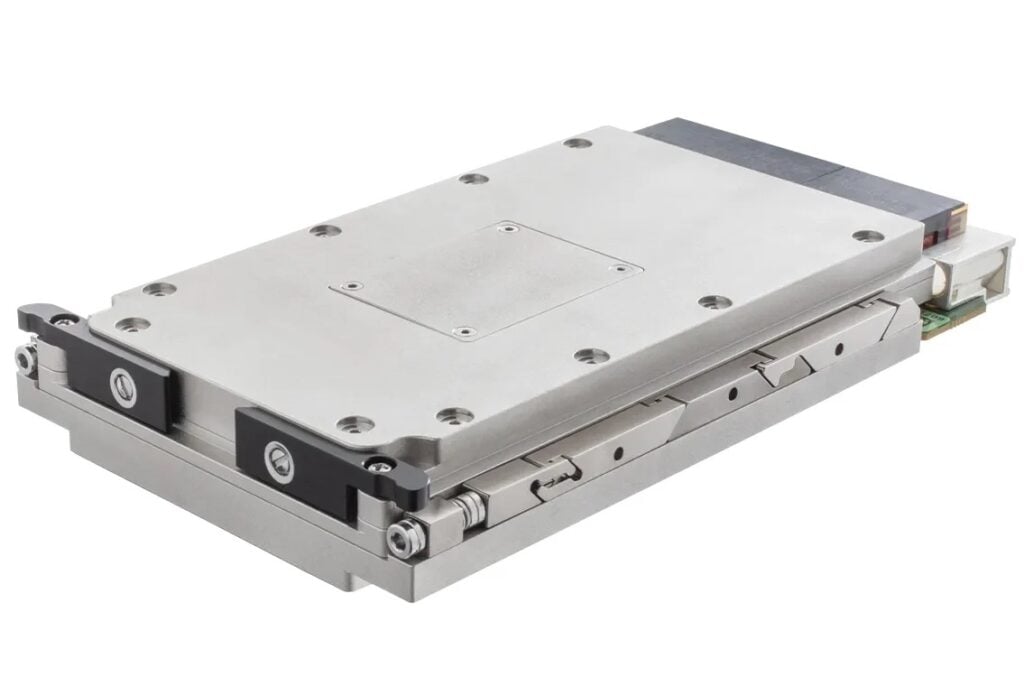
Condor AGX-IOX, a 3U VPX high-performance single board computer, from EIZO Rugged Solutions
Rugged OpenVPX boards are engineered for survival in extreme military environments, including high vibration, intense temperature swings, and severe electromagnetic interference (EMI). Ruggedization includes conformal coating, robust machined aluminum enclosures, and high-reliability connectors designed for demanding operational lifecycles.
Two primary cooling strategies dominate the ruggedized single board computer landscape:
Conduction-cooled modules: Often mandated under the VITA 48.2 (REDI/CC) standard for sealed or airborne systems where active airflow is restricted.
Air-cooled modules: Used for chassis with active ventilation in more benign or ground-based environments.
Electrical and Signal Integrity
The electrical design of VPX boards prioritizes both power stability and signal integrity. VITA 62 power supply modules deliver regulated, filtered power across the backplane, designed for MIL-STD-704 and MIL-STD-1275 compliance to handle vehicle power transients.
At data rates that now commonly reach 25 Gb/s (for 100GbE) and 32 Gb/s (for PCIe Gen 4/5) per lane, maintaining impedance control, minimizing crosstalk, and managing trace length differentials are critical. Advanced backplane materials and controlled-impedance connectors ensure the signal fidelity required for real-time applications such as radar processing and AI-based target recognition.
Processing and I/O Technologies
Modern military VPX processor systems integrate a wide spectrum of compute technologies. Intel Xeon, ARM, and PowerPC processors are the backbone of general-purpose processing, while GPUs and AI accelerators bring parallel performance for image analysis, deep learning, and ISR workloads. FPGA-enabled VPX cards deliver deterministic, ultra-low-latency performance for Digital Signal Processing (DSP) and EW applications.
Beyond the hardware, the ability to deploy secure virtualization and hypervisors on these modules is key, enabling multiple independent applications and operating systems (e.g., a hard RTOS and a Linux distribution) to run on a single physical VPX single board computer. This capability is vital for maximizing SWaP-C (Size, Weight, Power, and Cost) efficiency.
Software Environment and Security
Operating Systems and Middleware
VPX and OpenVPX modules rely on a combination of real-time operating systems (RTOS) such as VxWorks, Integrity, and LynxOS, as well as hardened Linux distributions. The software stack must guarantee deterministic behavior and strict task prioritization.
Middleware layers such as FACE (Future Airborne Capability Environment), DDS (Data Distribution Service), and CMOSS frameworks provide standardized data distribution and software portability. This allows mission applications to be upgraded or replaced without redesigning hardware, promoting system longevity and interoperability.
Security and Cyber Resilience
As defense computing becomes increasingly networked, cybersecurity is integral to the VPX system design. Features include secure boot, Trusted Platform Modules (TPM) for hardware authentication, and Hardware Root of Trust (HRoT) mechanisms that verify software integrity at startup. For defense engineering, the HRoT is directly tied to Supply Chain Risk Management (SCRM), ensuring the authenticity and integrity of all components from the start.
Partitioned architectures based on MILS (Multiple Independent Levels of Security) enforce data isolation between domains of differing classification, ensuring operational security even in contested cyber environments.
System Integration and Open Standards Compliance
MOSA, SOSA, and CMOSS Alignment
VPX and OpenVPX form the essential hardware foundation of the U.S. military’s open architecture initiatives. These initiatives, driven by the Modular Open Systems Approach (MOSA) mandate, provide a plug-and-play ecosystem that accelerates innovation.
SOSA Technical Standard: Defines module profiles for sensors, processors, and I/O interfaces that guarantee multi-vendor interoperability. Under this standard, the SOSA VPX processor and I/O cards are standardized to ensure functional compatibility across air, land, and sea platforms.
CMOSS Framework: Extends these principles to ground vehicles, enabling C4ISR and EW functions to share a single chassis. The CMOSS VPX processor is the consolidation point, improving SWaP efficiency and simplifying upgrades across the fleet.
These standards ensure that the interoperable VPX processor is now the backbone of modern military embedded computing, guaranteeing rapid technology refresh and long-term viability.
VPX & OpenVPX SBC Applications in Defense and Aerospace
VPX single board computers are now ubiquitous across defense domains:
Mission Computers and C4ISR Systems: Providing deterministic, real-time processing for command, control, and sensor fusion tasks.
Electronic Warfare (EW) and Radar Processing Platforms: Supporting ultra-low-latency signal processing and adaptive jamming on the 6U OpenVPX single board computer.
UAV and UGV Onboard Computing: Delivering compact, power-efficient processing for autonomy, navigation, and payload management via the 3U VPX single board computers.
Naval Combat and Sensor Fusion Systems: Integrating sonar, radar, and weapons systems into unified combat management networks.
Airborne ISR Payload Management and AI Acceleration: Enabling onboard analysis of multi-sensor data for situational awareness and rapid decision support.
EIZO has launched the Condor T5-IOX single board computer, harnessing NVIDIA IGX Thor to deliver next-generation tactical edge AI, multi-sensor fusion, and low-latency processing for mission-critical military applications
New cards powered by next-generation AMD Ryzen Embedded processors and Versal Adaptive SoCs aim to enhance performance for aerospace and defense systems.
Aitech introduces SP1, a space-rated 3U OpenVPX Single Board Computer (SBC) engineered for high-performance computing, enabling advanced autonomy, debris avoidance, and flexible payload integration in next-gen space missions
Curtiss-Wright and Cisco have partnered to create a rugged 3U VPX module, reportedly the defense industry’s first designed for use with SOSA and CMOSS aligned systems
General Micro Systems assures highly secure gigabit battlefield communications with the introduction of 4 customizable cross-domain systems at AUSA 2024, offering enhanced data security with new Enhanced SecureDNA™ technology
As a result of delivering reliable, high-performance products and services for the aerospace and defense industries, EIZO Rugged Solutions has been awarded AS9100D certification
Based on the NVIDIA® Jetson AGX Orin™ system-on-module (SoM), EIZO Rugged Solutions’ new Condor AGX-ORIN64-HPC SOSA-aligned 3U VPX single-board computer (SBC) is built for C5ISR applications requiring AI-processing
The latest defense technology news, straight to your inbox.
Get our weekly roundup of technology developments, new products and industry news.
THANK YOU FOR SIGNING UP
Thanks for joining us. Check your inbox.
We've sent you an email. Click the confirmation link to complete your subscription to the weekly eBrief. In the meantime, explore the latest news, suppliers and technologies on DA.
Advancing Defense Capability Through Strategic Collaboration
Defense Advancement works with major OEMs to foster collaboration and increase engagement with SMEs, to accelerate innovation and drive defense capabilities forward.