
Showcase your capabilities
If you design, build or supply Supercapacitors, create a profile to showcase your capabilities and connect with visitors who have an active requirement for your solutions.




Supercapacitors enable rapid energy delivery, reliable power buffering, and efficient energy recovery. As armed forces increasingly adopt electrified and autonomous technologies, supercapacitors provide essential capabilities that complement traditional batteries and address the demands of modern defense operations.
Read the Technology Overview
If you design, build or supply Supercapacitors, create a profile to showcase your capabilities and connect with visitors who have an active requirement for your solutions.

Supercapacitors, also known as ultracapacitors or electrochemical capacitors, are advanced energy storage devices that can deliver high power output over short durations. In military and defense applications, they are especially valued for their ability to respond quickly to dynamic power demands, provide burst-mode energy delivery, and support the growing ecosystem of electrified and autonomous platforms.
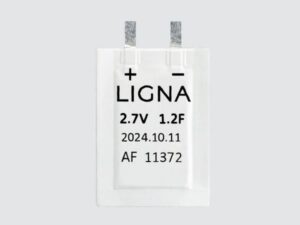
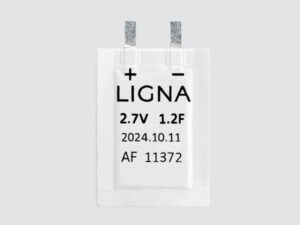
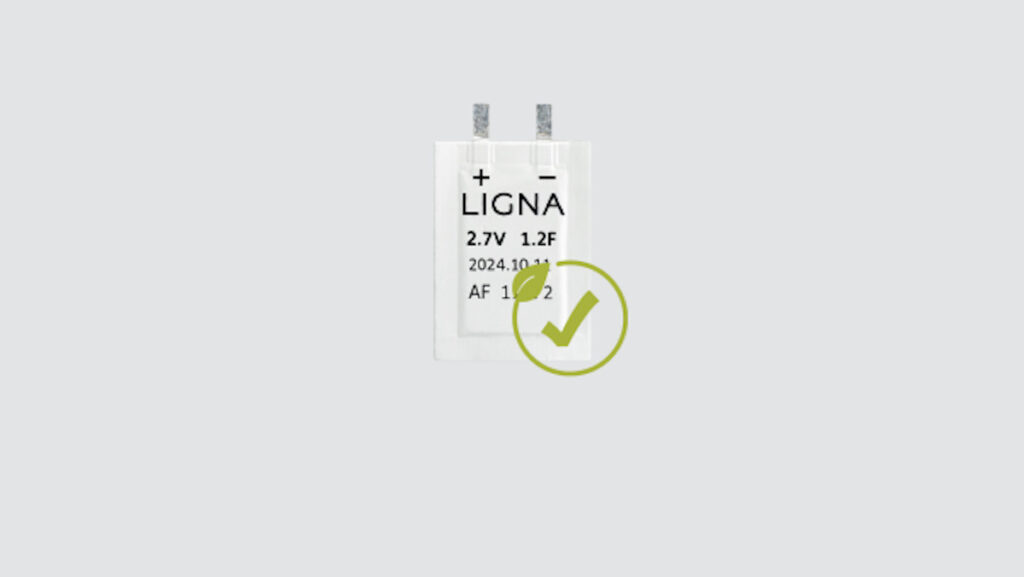
S-Power 2S Supercapacitor by Ligna Energy
A supercapacitor is a type of energy storage component that stores electrical energy through electrostatic and electrochemical processes. Unlike traditional batteries, which rely on chemical reactions to generate current, supercapacitors store charge physically, enabling extremely fast charging and discharging cycles. Their internal structure typically comprises porous carbon electrodes and an electrolyte, with energy stored in the electric double layer formed at the interface.
Supercapacitors are often categorized by their construction and performance characteristics:
Supercapacitors are being integrated into a wide array of military systems, from mobile electronics to high-energy weaponry. Their ability to deliver immediate power and withstand harsh conditions makes them invaluable across multiple operational domains.
In unmanned aerial vehicles (UAVs), unmanned ground vehicles (UGVs), and drone launch systems, supercapacitors support:
This enhances mission readiness and allows longer deployment intervals for electrically powered platforms.
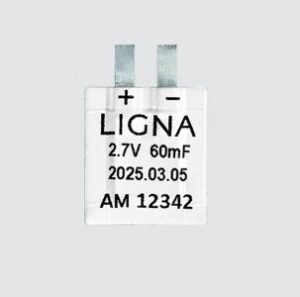
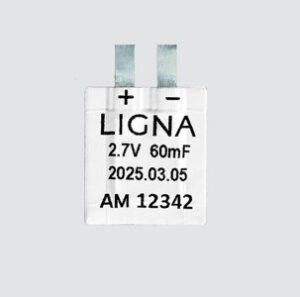
S-Power 2R Supercapacitor by Ligna Energy
High-power systems such as electromagnetic launch systems and directed energy weapons require short, intense bursts of energy. Supercapacitors fulfill this requirement by:
Their fast discharge capabilities make them well-suited for these mission-critical systems, where milliseconds can define success.
Supercapacitors stabilize power flows in sensitive equipment such as radar systems, electronic warfare systems, and tactical communications gear. They serve as power conditioning components, preventing brownouts and handling sudden power spikes caused by transmitting or scanning activities.
In military hybrid electric vehicles (HEVs), supercapacitors improve efficiency and performance by:
The integration of supercapacitors helps improve fuel economy and power reliability in electrically assisted military transports.
While supercapacitors and rechargeable batteries are both used for energy storage, they serve different roles in defense power systems. Batteries offer higher energy density and are suited for long-duration use, while supercapacitors excel in delivering short-term, high-power bursts.
Key differences include:
In practice, supercapacitors are not replacements for batteries but are often used alongside them to optimize system performance through hybrid energy architectures.
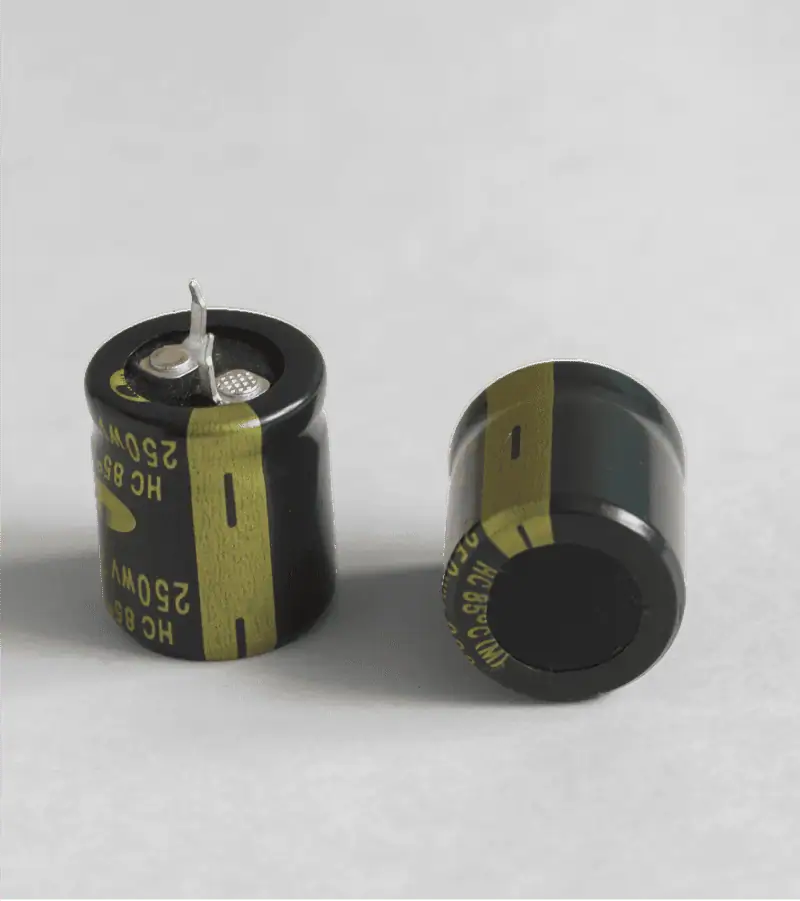
Supercapacitors are often compared with electrolytic capacitors due to their similar appearances and circuit roles. However, their internal mechanics and performance differ substantially:
These attributes make supercapacitors more suited to energy storage and power applications, while electrolytic capacitors remain prevalent for signal filtering and voltage smoothing.
The defense sector values supercapacitors for their:
These features align well with military requirements for lightweight, durable, and high-performance power solutions.
The development of next-generation supercapacitors is advancing rapidly, driven by demands for higher energy density and enhanced integration. Innovations include:
These trends will further position supercapacitors as key enablers of next-gen military platforms, from hypersonic vehicles to AI-enabled robotics.
Their ability to deliver rapid, repeatable energy bursts makes them ideal for applications ranging from UAV propulsion to high-energy weapon systems. As defense operations become increasingly reliant on electrified and autonomous technologies, the demand for reliable, high-power energy storage solutions continues to grow, solidifying the role of supercapacitors as a core element of future battlefield power architectures.


 Searching Companies & Products