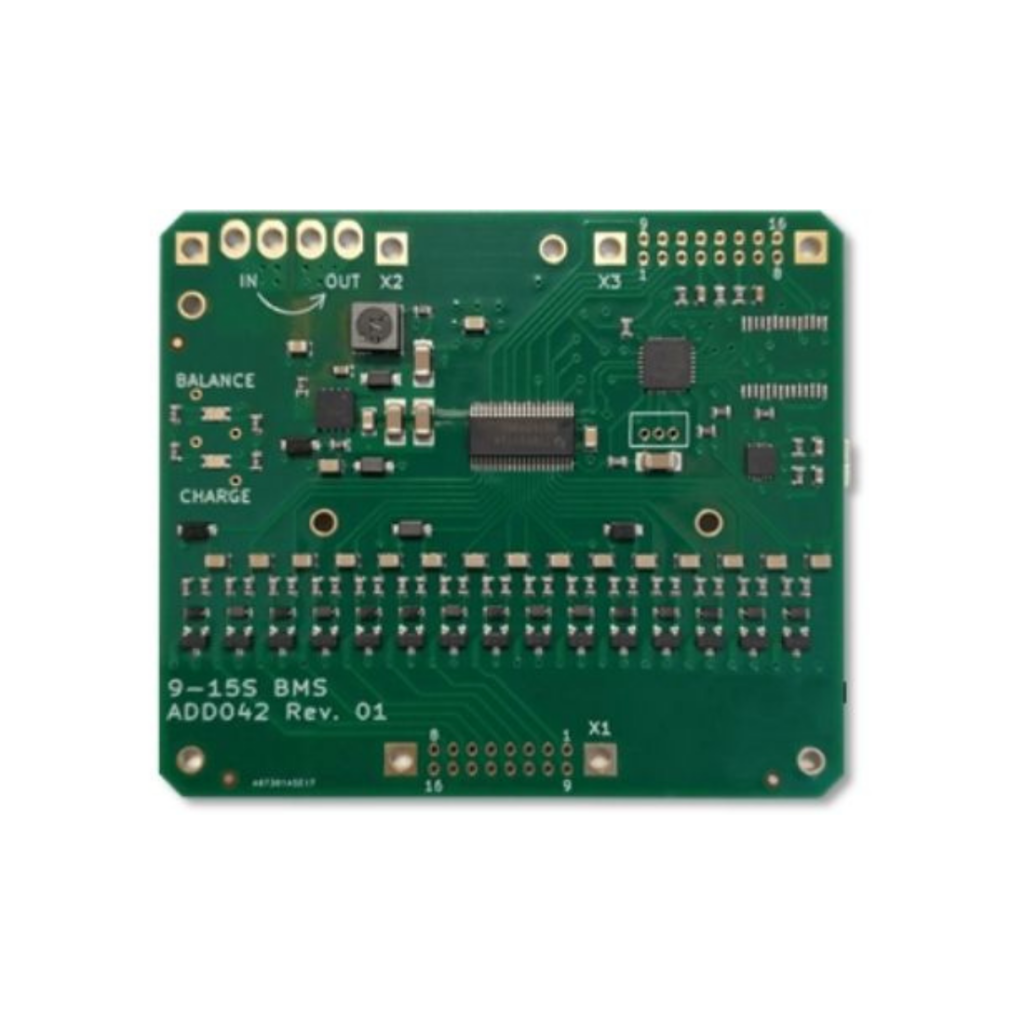
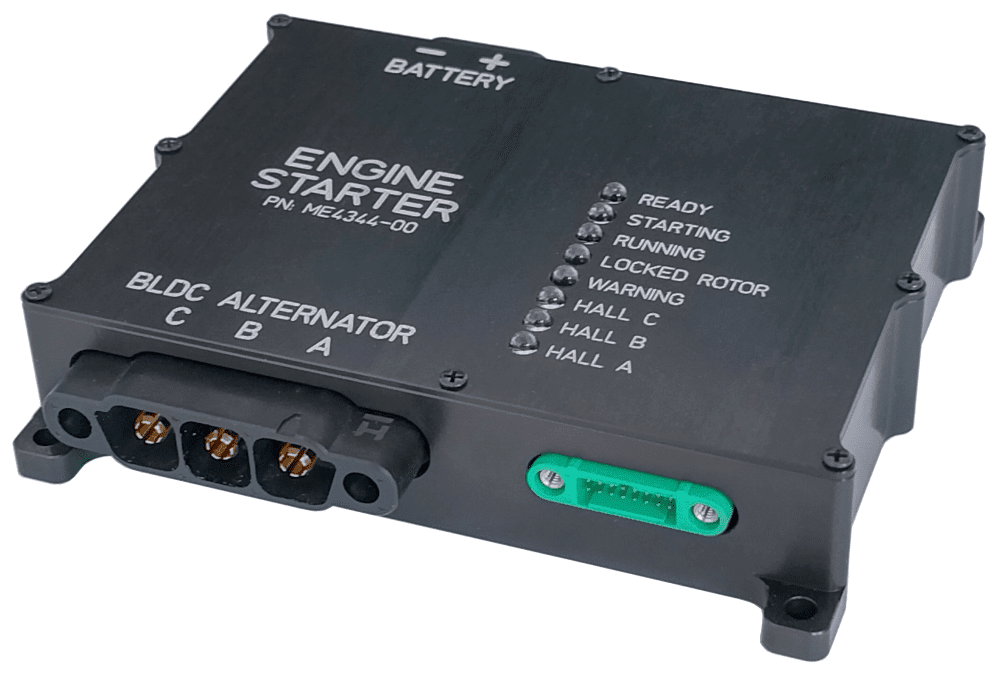
Power Management Systems (PMS) are the dedicated electrical architectures that govern, condition, and protect all mission-critical power on modern defense platforms. These intelligent systems balance dynamic loads, integrate diverse generation sources and ensure uninterrupted power quality for high-demand payloads.
This guide profiles leading suppliers of ruggedized power management solutions engineered for high-reliability, long-term performance, and battle damage resilience across air, land, and naval domains.
If you design, build or supply Power Management Systems, create a profile to showcase your capabilities and connect with visitors who have an active requirement for your solutions.
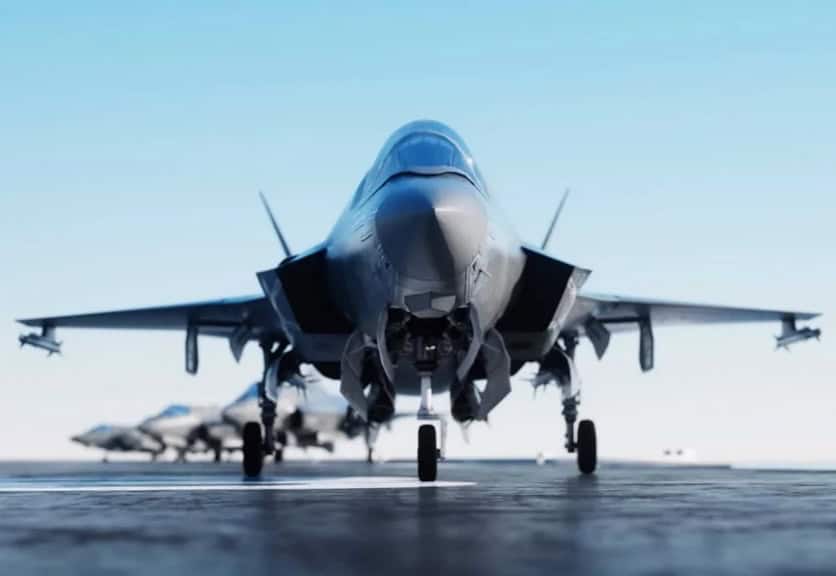
Cutting-edge aircraft PTMS for advanced power generation and enhanced cooling capability
Cutting-edge aircraft PTMS for advanced power generation and enhanced cooling capability
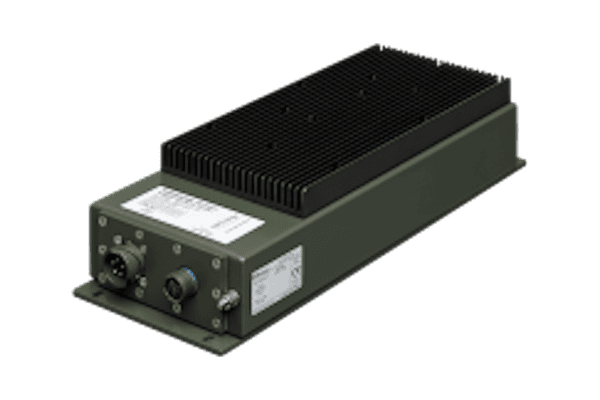
The Power and Thermal ManagementSystem (PTMS), developed by Honeywell Aerospace, seamlessly... ...to fulfil both power generation and cooling requirements, Honeywell Aerospace’s Power and...
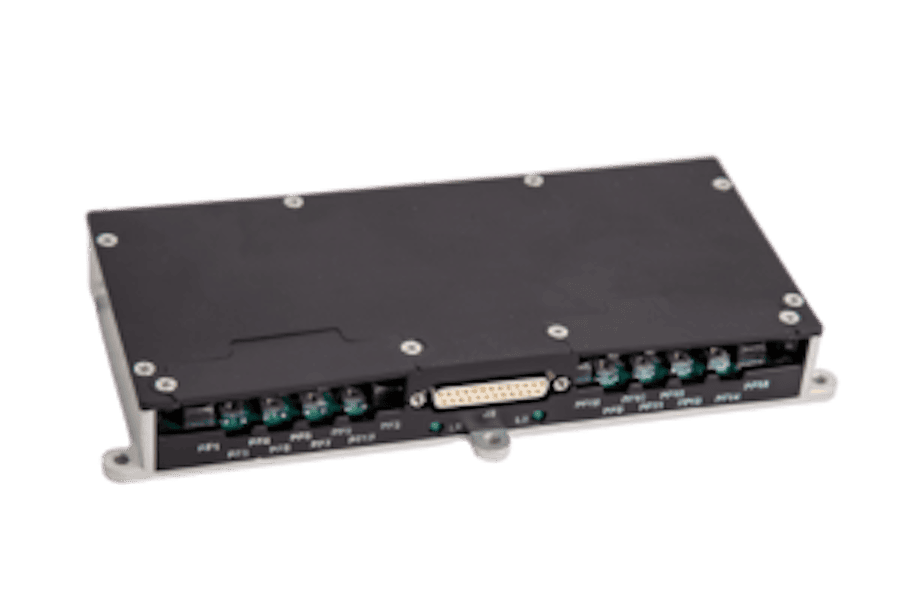
Smart 16-channel power management & circuit protection solution with corrosion-resistant coating
Smart 16-channel power management & circuit protection solution with corrosion-resistant coating
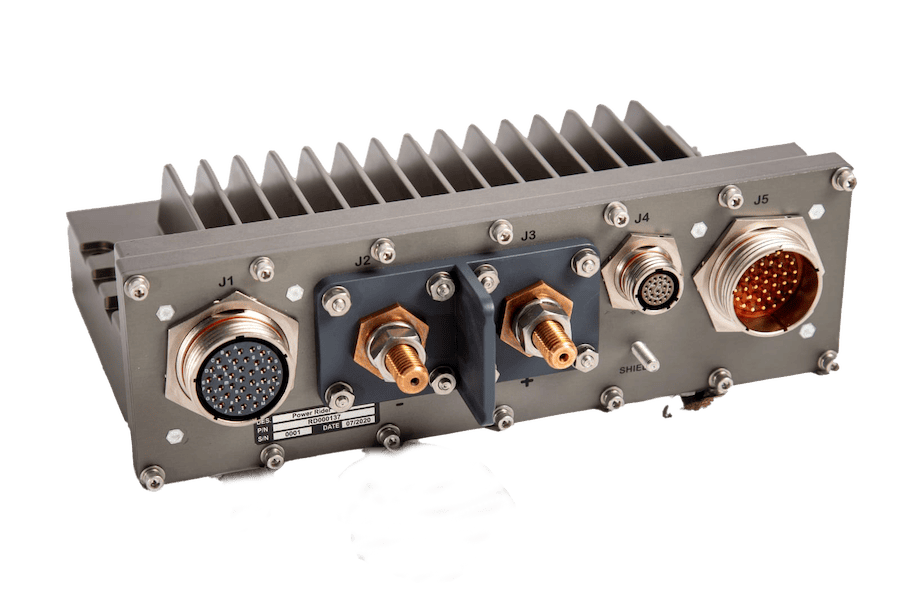
...ologies’ Power Rider 16-Channel MIL-Grade PDU delivers robust and reliable smart power... ......iety of platforms and power networks via CANbus, RS-422/485 or Ethernet communications...
Smart power management & circuit protection solution with 12 independently configurable channels
Smart power management & circuit protection solution with 12 independently configurable channels
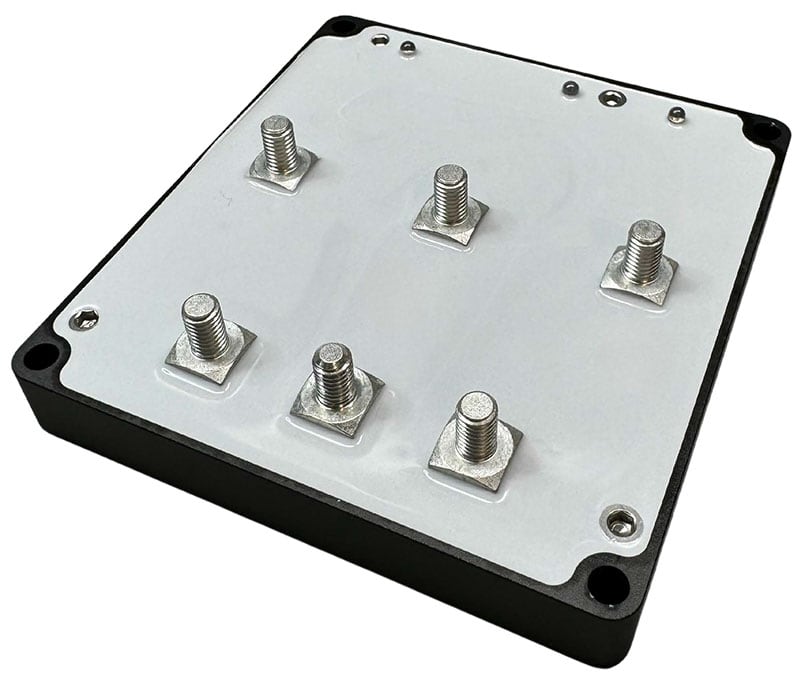
...ologies’ Power Rider 12-Channel PDU delivers robust and reliable smart powermanagement and... ......o a wide variety of platforms and power networks via CANbus or Ethernet communications...
Smart 12-channel power management & circuit protection solution with corrosion-resistant coating
Smart 12-channel power management & circuit protection solution with corrosion-resistant coating
...ologies’ Power Rider 12-Channel MIL-Grade PDU delivers robust and reliable smart power... ......iety of platforms and power networks via CANbus, RS-422/485 or Ethernet communications...
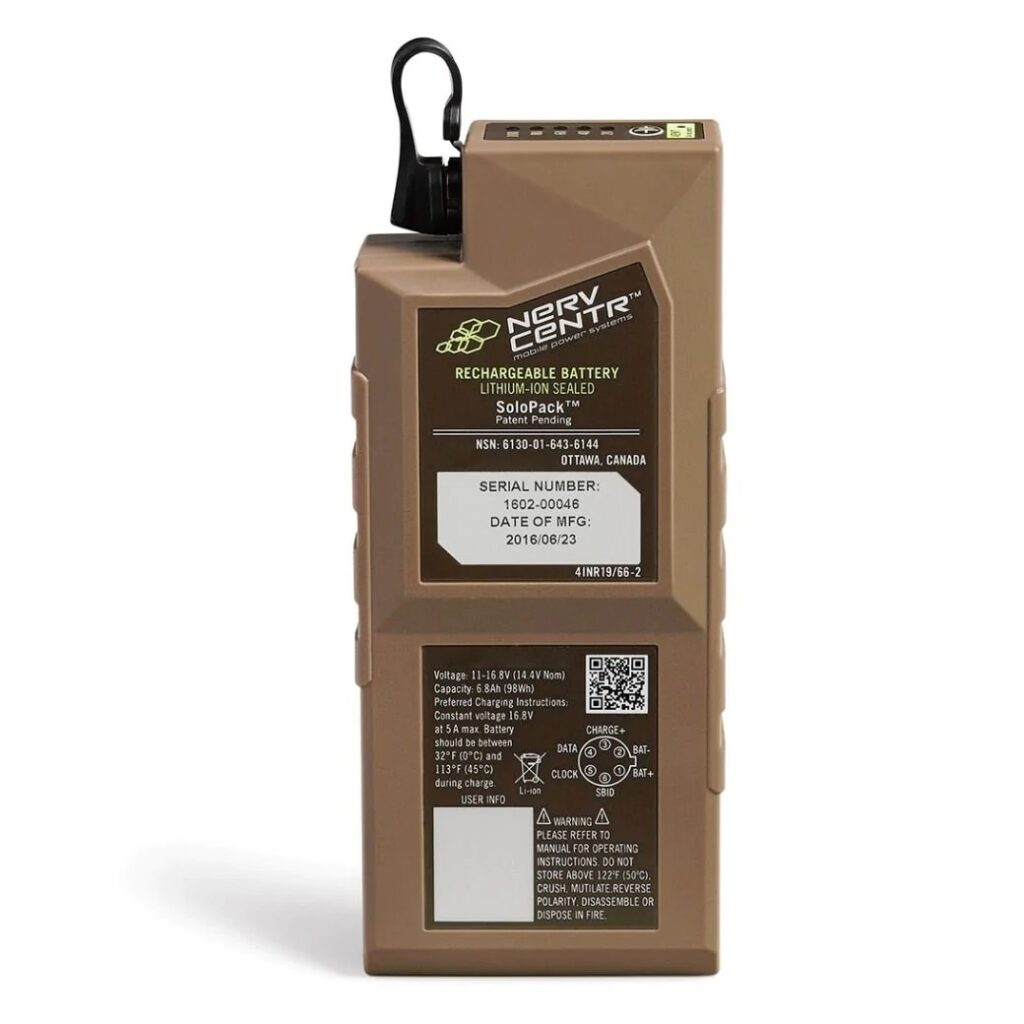
Rugged, rechargeable li-ion battery for charging and powering operational devices on the battlefield
Rugged, rechargeable li-ion battery for charging and powering operational devices on the battlefield
...ffering a high power density to power currently fielded equipment and reducing the weight burden of... ...ntains as much power as 64 AA NiCd batteries and offers 4 times the power density, guaranteeing...
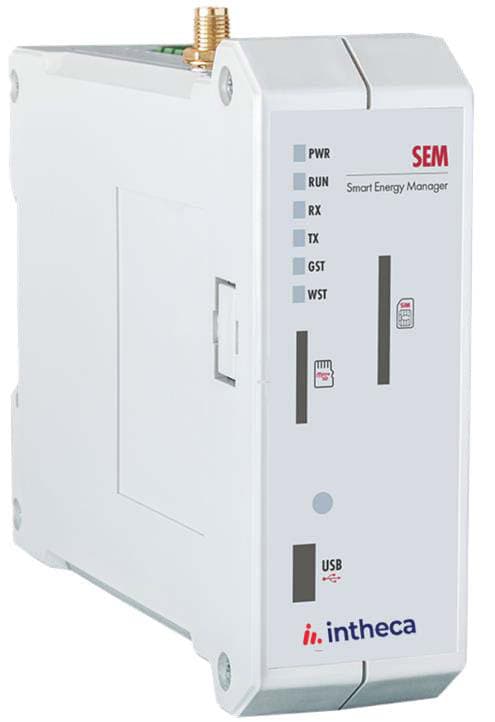
Intelligent power management solution to power equipment and recharge batteries simultaneously
Intelligent power management solution to power equipment and recharge batteries simultaneously
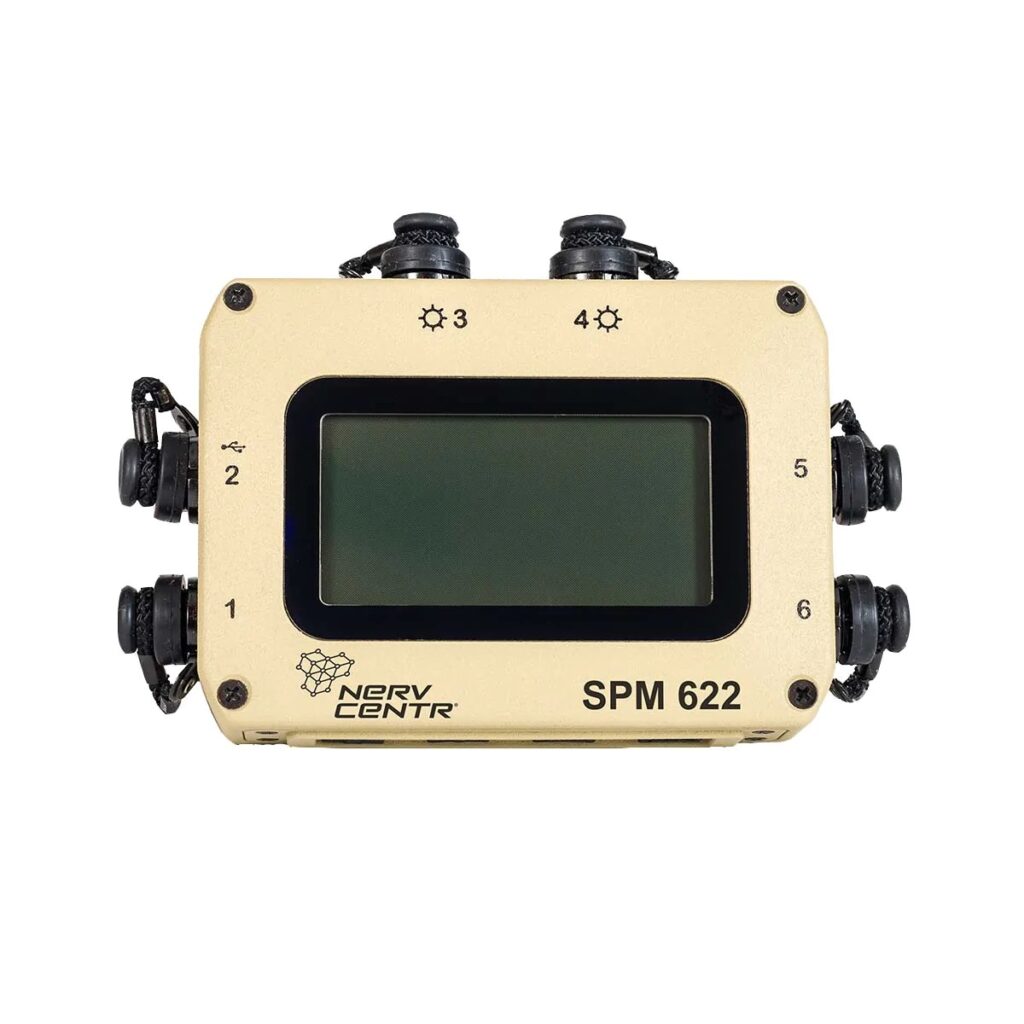
The Squad Power Manager (SMP) integrates with more than 200 varieties of batteries and electronic... ...rect amount of power goes to each connected device and displays the state-of-charge of batteries,...
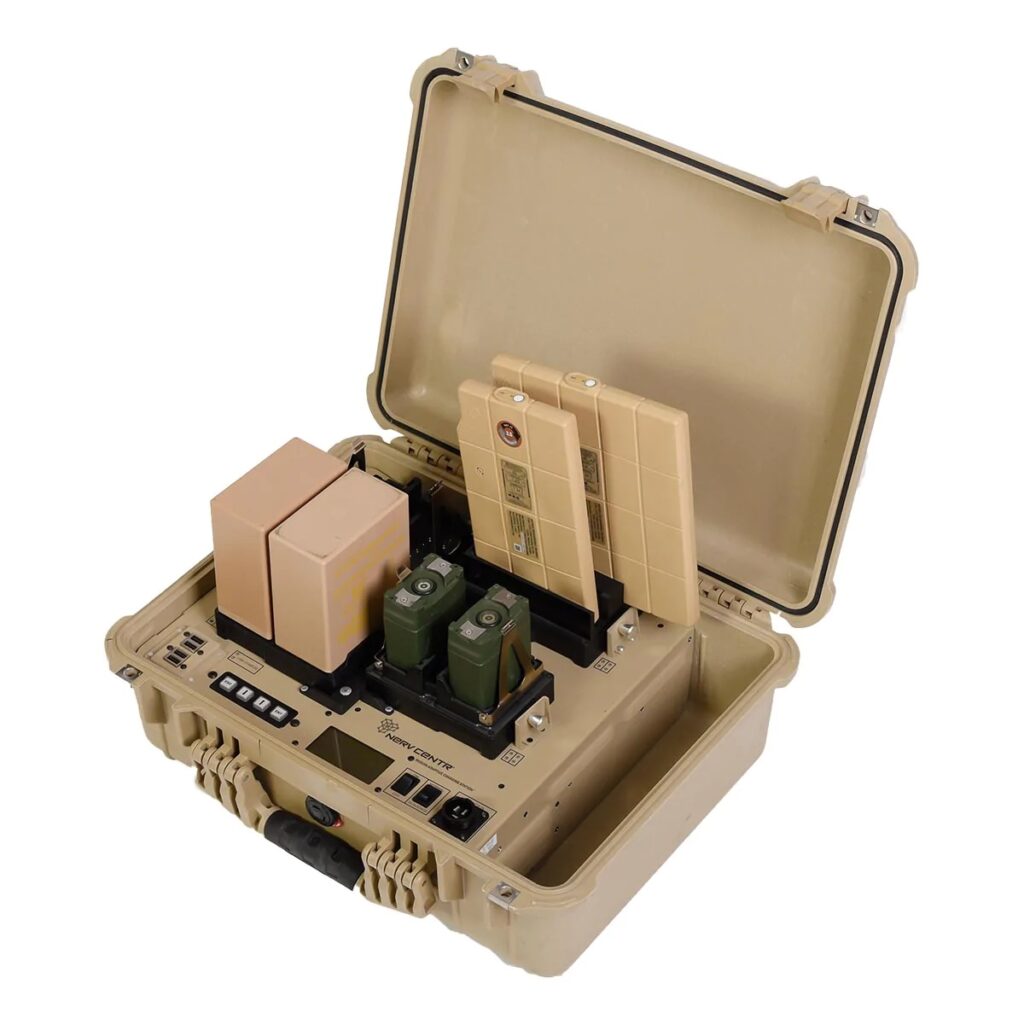
Robust, reliable charging station to keep missions running and operators powered up
Robust, reliable charging station to keep missions running and operators powered up
...AS, commercial power tools, or Nett Warrior battery types, this intelligent system evaluates the... ...rea with no AC power source and low solar conditions, the MAX-8 can scavenge power from a military...
Power management systems are the electrical command-and-control backbone of modern defense platforms, governing how power is generated, distributed, conditioned, and protected across complex, multi-domain mission architectures.
As advanced sensors, communications suites, electronic warfare modules, and high-energy payloads continue to proliferate, these power management solutions for aerospace and defense ensure that electrical demand is always balanced against available generation. Their role extends well beyond simple distribution; modern systems continuously monitor electrical health, prioritize loads, prevent overload events, and maintain the unwavering power quality critical to sensitive onboard electronics, enabling platforms to sustain mission operations even in harsh and contested environments.
Trends in Electrification and Onboard Power Demand
Power Rider 16-Channel, a smart power management solution, from Redler Technologies
Defense platforms across land, sea, and air domains are undergoing unprecedented electrification. The proliferation of high-resolution radar, directed-energy weapons, counter-UAS systems, advanced battle management computers, and electrified propulsion significantly escalates peak and continuous power demands. Simultaneously, hybrid and fully electric vehicle architectures are emerging, especially in ground platforms and unmanned systems. These dramatic shifts necessitate intelligent, software-defined power management technology capable of handling dynamic loads, integrating diverse generation sources, and supporting rapid expansion through modular upgrades. Moreover, the crucial drive toward reduced acoustic and thermal signatures – key in modern battlefield survivability – is accelerating the military’s adoption of electrically dominant architectures.
Core Functions of Power Management Systems
Power Distribution and Load Balancing
At the heart of any power management system is the inherent ability to allocate power in real time across mission-critical and non-essential subsystems. Advanced load-balancing algorithms prioritize life-safety and tactical subsystems, guaranteeing uninterrupted service even during generator degradation or combat damage. Intelligent distribution units adapt instantly to changing mission phases—allocating additional power to sensors during surveillance, for example, or boosting drive systems during high-mobility maneuvers.
Voltage Regulation and Conversion
Defense platforms routinely host a heterogeneous mix of AC and DC loads, often operating at different voltage levels. Power conversion modules regulate and step voltages up or down while maintaining the tight tolerances essential for avionics, digital communications, and weapon guidance electronics. Modern converters achieve exceptionally high efficiency, which drastically reduces thermal burden and provides necessary resilience against input fluctuations caused by unstable generators, battery transition phases, or external electromagnetic interference. This is particularly crucial in a high-density dc power management system.
Energy Storage Integration
Energy storage elements form the essential buffer between generation and consumption. Advanced lithium-ion packs and robust lead-acid systems are increasingly paired with ultracapacitors to provide rapid-response energy delivery during peak loads, such as weapon firing or high-power RF transmission. Hybrid architectures enable silent operation modes, improve fuel efficiency in hybrid-electric vehicles, and maintain mission continuity when primary generators suffer transient failures.
Power Quality Monitoring and Conditioning
Sensitive mission electronics require consistent waveform quality, making power conditioning an uncompromised requirement. Conditioning modules filter noise, correct harmonics, and stabilize voltage and frequency. Continuous monitoring allows for the early and predictive identification of degraded components, wiring faults, or generator instability – significantly reducing the likelihood of catastrophic system failures and maintaining high operational readiness.
Fault Detection, Isolation, and Recovery (FDIR)
FDIR functionality is not merely about system recovery; it is central to platform survivability. Modern power management solutions must continuously and predictively evaluate wiring integrity, load behavior, and switching device health. When a fault is detected – whether a wiring short or battle damage – intelligent controllers must instantly isolate compromised sections, contain potential cascading damage (a crucial factor in high-energy battery systems), reroute energy, and restore service to priority loads. This instant resilience is essential to sustaining mission function despite electrical disruption.
System Architecture and Components
Power Control Modules and Distribution Units (PDU/MPDU)
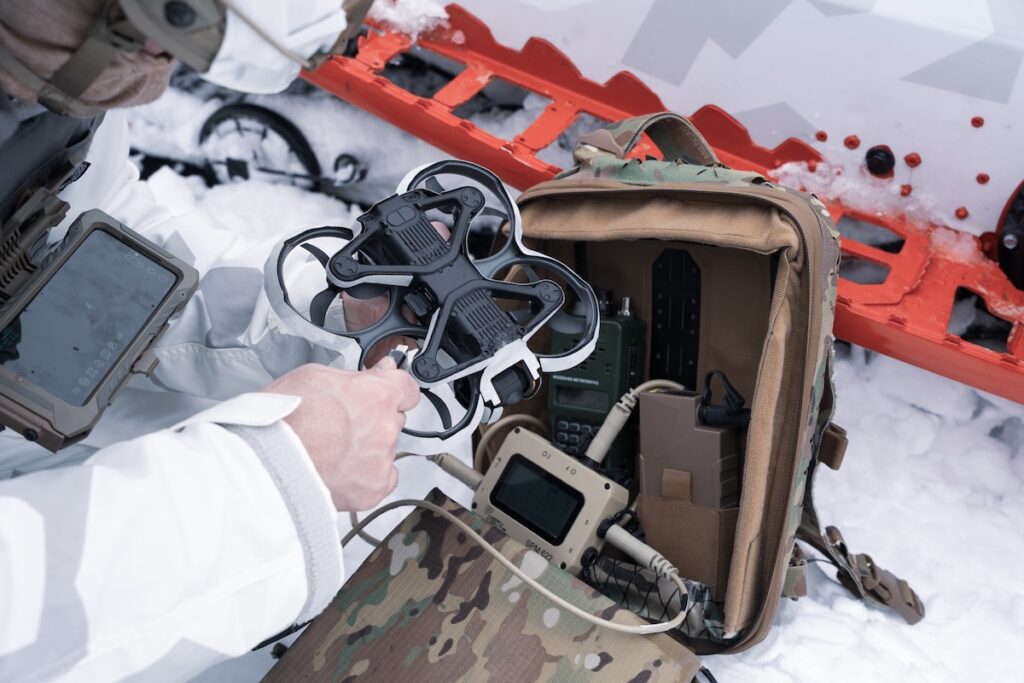
Squad Power Management Solution from Galvion
PDUs and modular PDUs provide the physical switching and protection that routes energy throughout the platform. These units typically incorporate protective elements such as circuit breakers or solid-state protection devices to interrupt overcurrent conditions and isolate downstream faults. Modular architectures are preferred as they support rapid reconfiguration for new payloads and allow maintenance teams to replace failed modules quickly. Advanced units integrate embedded microcontrollers for robust diagnostics, detailed load analysis, and secure control command processing.
Smart Power Switches and Solid-State Power Controllers (SSPCs)
Solid-State Power Controllers (SSPCs) represent a fundamental shift in power management technology, replacing electromechanical breakers with highly reliable, semiconductor-based switching. Beyond offering faster response times and improved reliability, SSPCs function as vital data nodes. Their inherent digital nature enables sophisticated, secure load monitoring, turning them into critical data sources for predictive maintenance and even providing the foundation for onboard cybersecurity posture through integrated secure logic and power metering.
Power Conversion Units
Conversion units bridge voltage and current requirements across diverse subsystems. High-efficiency converters reduce thermal signatures and must withstand severe input disturbances common in ground and naval environments. Inverters support AC loads from DC sources, ensuring compatibility with legacy equipment on modern hybrid platforms.
Embedded Controllers and Communication Interfaces
Power management devices rely on embedded processors to execute intelligent distribution algorithms, communicate seamlessly with mission computers, and perform health monitoring. Standard interfaces typically include CAN, MIL-STD-1553, Ethernet, or newer deterministic communication fabrics, all ensuring seamless integration with vehicle and mission architectures.
Integration with Platform Mission Computers and Vehicle Networks
Mission computers increasingly serve as the orchestration nodes for platform-wide energy strategies. Power management systems exchange diagnostic data, operational status, and consumption profiles with these computers, enabling predictive maintenance, system-level optimization, and coordinated support for critical mission phases such as silent watch, high-intensity scanning, or rapid maneuvering.
Defense Standards and Compliance
Key Military Standards
Qualification against recognized military power and environmental standards is a mandatory prerequisite for acceptance and deployment, ensuring equipment can withstand extreme and unpredictable conditions. Compliance with established national and multinational requirements, such as the U.S. DoD’s family of standards, is fundamental:
MIL-STD-704: Governs aircraft electrical power quality, crucial for airborne power management.
MIL-STD-1275: Defines ground vehicle power characteristics and transient behavior.
MIL-STD-461: Establishes requirements for electromagnetic emissions and susceptibility.
MIL-STD-810: Provides environmental testing protocols for temperature, shock, vibration, and more.
EMC/EMI Resilience and Certification
Military power systems must operate reliably in dense, contested electromagnetic environments. Proper shielding, filtering, and grounding are essential to ensure resilience against jamming, radar interference, and conducted emissions from other onboard equipment. Rigorous certification processes validate these protections under worst-case battlefield conditions.
Construction, Ruggedization, and SWaP-C
SWaP-C (Size, Weight, Power, and Cost) remains the unyielding design constraint. Defense platforms impose severe mechanical challenges, from the persistent vibration cycles of ground vehicles to the high-frequency stresses of fast jets. Power modules must be engineered with reinforced housings and rigidized PCB structures to maintain operation over thousands of hours, ensuring that the total lifecycle cost of the system remains manageable. With tightly packed electronics, power systems rely heavily on advanced thermal management techniques—including conduction-cooled housings, heat pipes, and cold plates—as overheating is a primary accelerant of component degradation and failure rates.
Platform-Specific Applications
Ground Vehicle Electrical Architectures
Ground systems now support hybrid-electric drives, digital turrets, counter-UAS suites, and advanced sensors, all with varying transient profiles. Electric power management systems orchestrate generator output, battery energy, and load priority to support silent watch, high-power mobility, and complex autonomous navigation modules.
Airborne Power Systems for Avionics and Mission Equipment
Airborne power management demands exceptionally stable power for flight control computers, navigation systems, radar, and high-bandwidth ISR payloads. Severe weight and heat constraints drive an intense focus on maximizing high-efficiency conversion and managing power distribution with absolute precision.
Naval Platform Power Management
Naval vessels operate effectively as floating microgrids. Power systems must coordinate propulsion, radar, sonar, weapons, and hotel loads while maintaining critical redundancy. Integrated electric propulsion architectures, in particular, benefit heavily from advanced energy storage and software-defined power management.
Unmanned Systems Power Control Requirements
Unmanned platforms face the most extreme SWaP constraints. Power management devices must meticulously handle propulsion electronics, payload sensors, secure communications, and autonomy compute modules, balancing endurance with critical mission payload needs.
Honeywell Aerospace outlines how the Power and Thermal Management System (PTMS) supports F-35 operations by enabling mission systems, managing thermal loads, and sustaining critical aircraft functions
Redler Technologies’ whitepaper outlines how its Power Rider solid-state power distribution system improves reliability, reduces wiring complexity, and supports combat vehicle performance in military environments
RIPEnergy helped a customer overcome configuration challenges by preconfiguring power units and providing training, ensuring accurate fuel pump control and enhanced system safety
Redler Technologies explains why mechanical relays fail in -48V telecom systems and how solid-state circuit breakers deliver faster, cleaner, more reliable protection
RIPEnergy delivered a tailored battery equalizer solution, resolving asymmetric load issues and adapting to higher alternator output after supplier changes to maintain balanced vehicle power
Galvion and South 8 Technologies partner to develop next-generation battery systems delivering reliable power and improved cold-weather performance for defense operations in Arctic and extreme environments
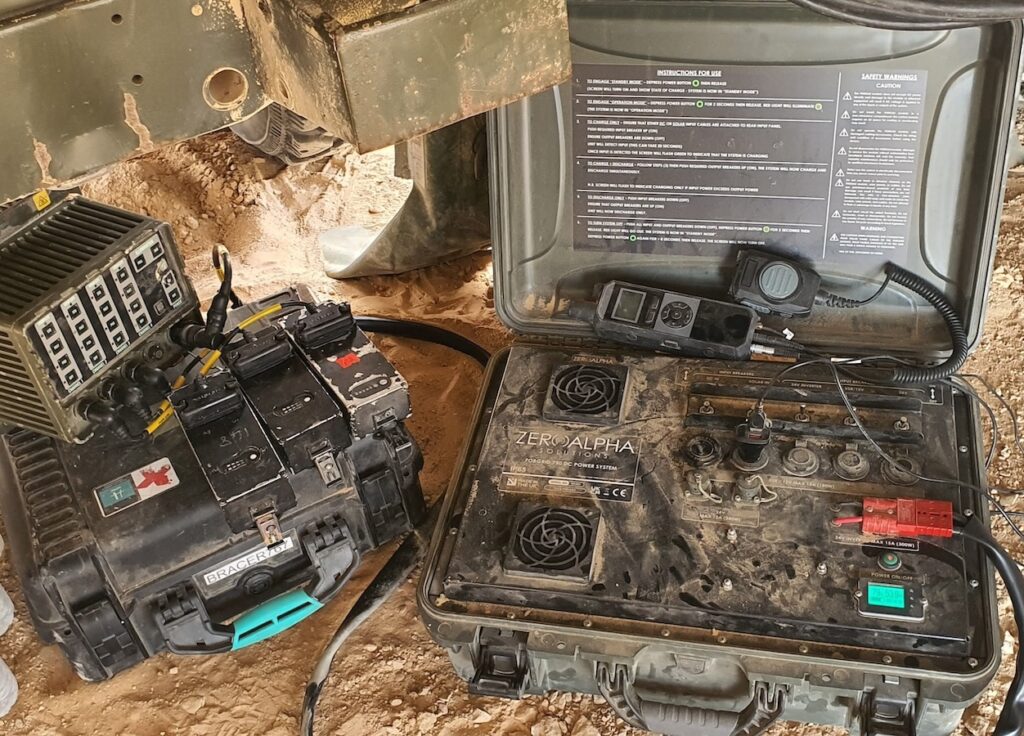
ZeroAlpha Solutions discuss DSEI 2025 objectives, sustainable power and lighting innovations, and advances in energy resilience, micro-gridding, and mission support systems
Curtiss-Wright has been chosen by Rheinmetall Air Defence to deliver rugged power management technology and gyroscopes for the Oerlikon Skyranger® mobile air defense system
Sep 19, 2025
Advancing Defense Capability Through Strategic Collaboration
Defense Advancement works with major OEMs to foster collaboration and increase engagement with SMEs, to accelerate innovation and drive defense capabilities forward.