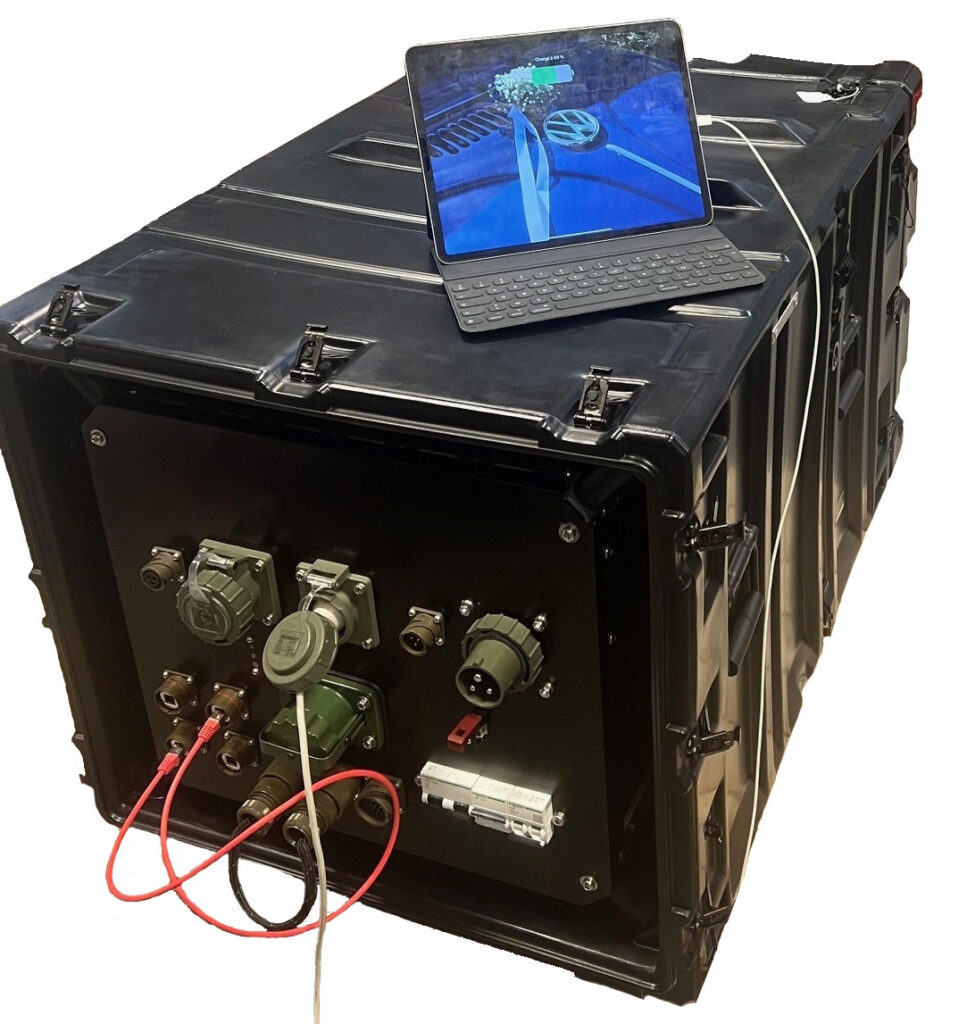




RIPEnergy, a manufacturer of field-proven power conversion products for military and defense applications, provided a tailored solution for a vehicle program that required stable integration of a 12-volt asymmetric load alongside standard 24-volt systems.
The platform used two batteries arranged in series, and the design team needed to mitigate the risk of unequal discharge. Without corrective measures, one battery could deplete faster while the other remained partially charged, a condition that could reduce overall system reliability and shorten battery service life.
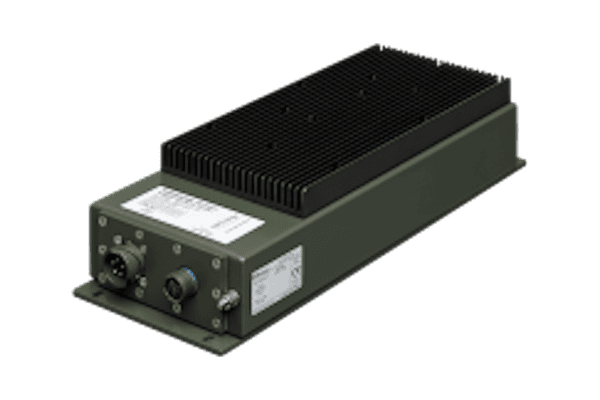
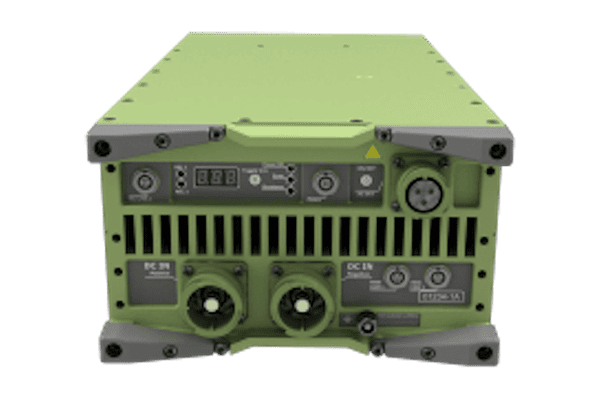
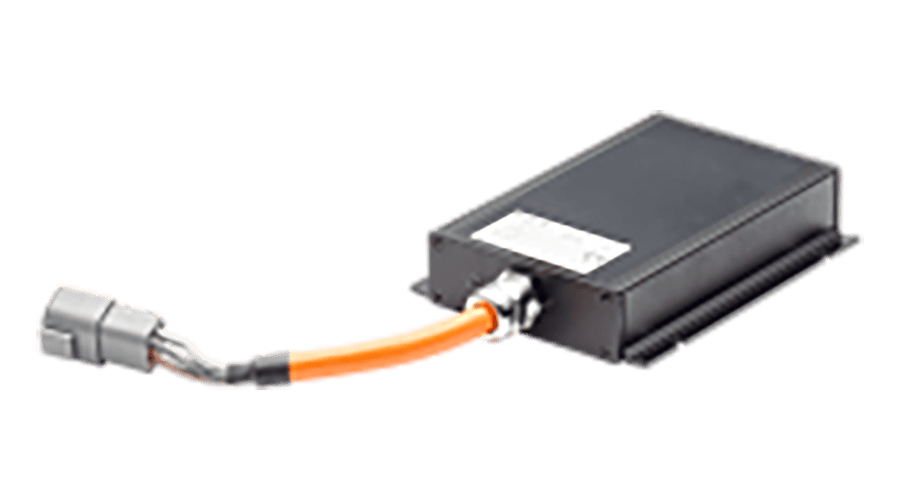
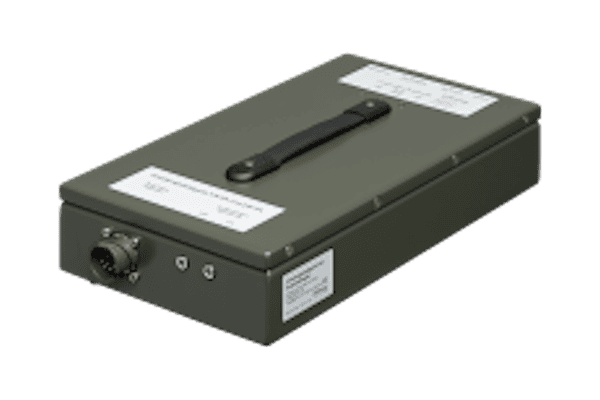
The project required a battery equalizer that maintained balanced energy flow across both batteries. RIPEnergy supplied their battery equalizer, designed to distribute the load evenly, supporting uniform discharge behavior and preventing operational imbalances. The equalizer met all relevant MIL-STD compliance requirements specified for the vehicle.
An additional complication emerged during the installation stage. A key supplier on the customer side ceased operations, which removed access to a set of critical vehicle components. The replacement vendor introduced an alternator with significantly greater capacity, increasing the charging current. The higher current exceeded the original design envelope of the equalizer, creating a need for modifications that would allow dependable performance under the updated electrical profile.

RIPEnergy adapted the delivered equalizers to accommodate the increased alternator output and revised the design for subsequent production units. This method limited unnecessary expenditure for the customer and avoided discarding functional hardware, helping maintain both project efficiency and environmental responsibility.
The combined adjustments supported a stable integration of the asymmetric load and maintained dependable battery behavior under the updated electrical conditions.