Unmanned Underwater Vehicles (UUVs) for Military and Defense Applications
Find leading unmanned underwater vehicle companies, suppliers, and manufacturers providing advanced ROVs and AUVs for naval surveillance, reconnaissance, and subsea warfare. These mission-ready systems enhance underwater capability while reducing operational risk to personnel.
If you design, build or supply Unmanned Underwater Vehicles (UUV), create a profile to showcase your capabilities and connect with visitors who have an active requirement for your solutions.
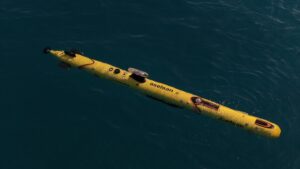
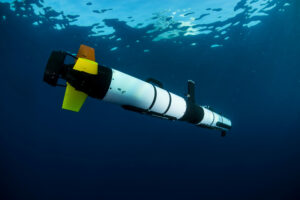
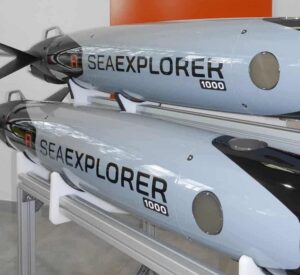
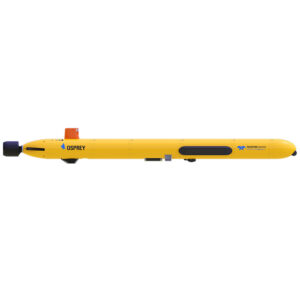
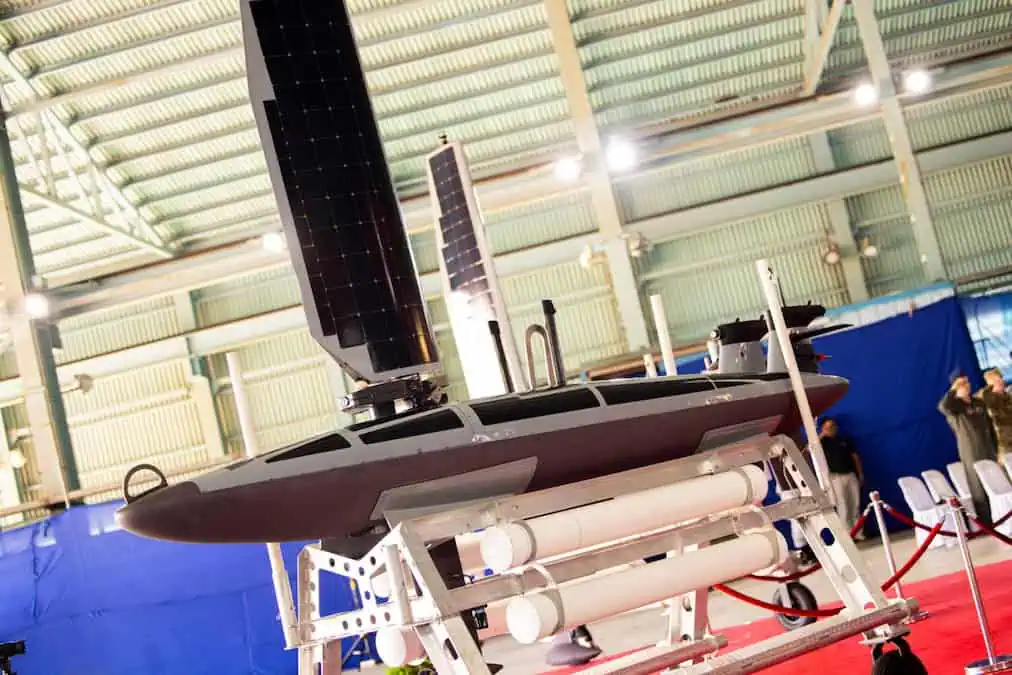
Extended-endurance underwater stealth glider for naval defense missions
Extended-endurance underwater stealth glider for naval defense missions
...ER 1000-M is a military-configuredunderwater glider designed to support a range of naval defense... ...r security and defense operations, the platform is subject to export licensing and will be available...
Unmanned Underwater Vehicles (UUVs) for Military and Defense Applications
Overview by
Olivia Hannam
Updated:
Unmanned underwater vehicles (UUVs) encompass a range of subsea platforms used for military applications, including remotely operated vehicles (ROVs) and autonomous underwater vehicles (AUVs). These systems operate across various mission profiles such as anti-submarine warfare, undersea surveillance, harbor security, and mine countermeasures. UUVs enhance maritime domain awareness while reducing operational risk to personnel and manned vessels.
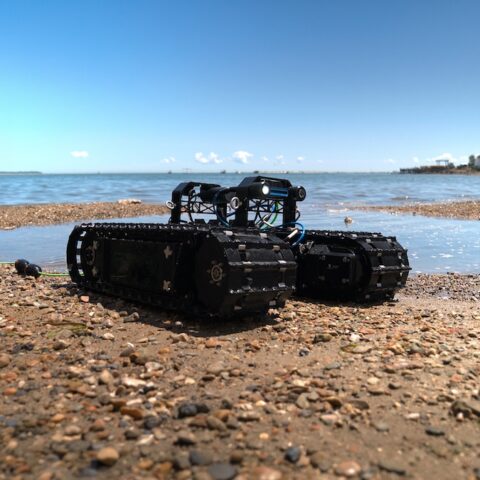
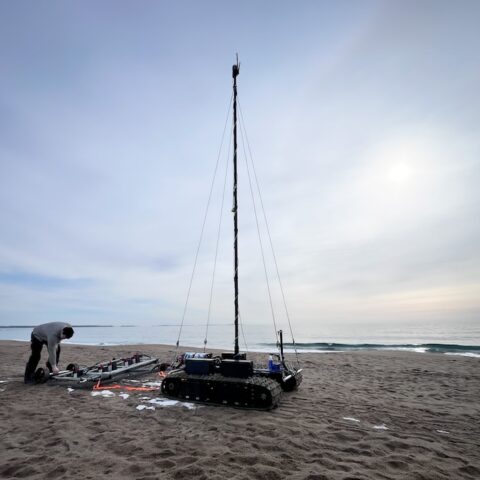
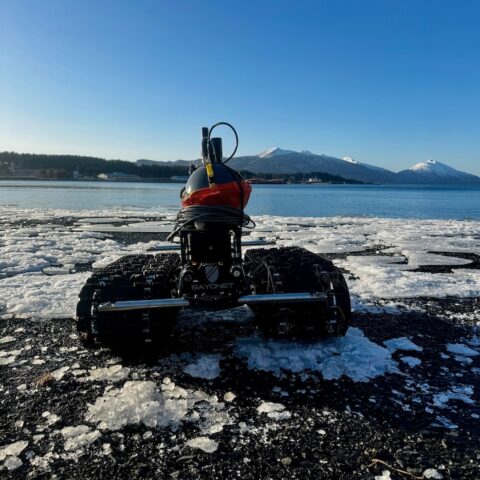
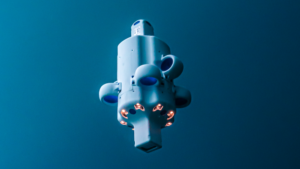
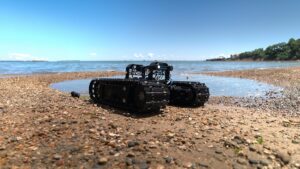
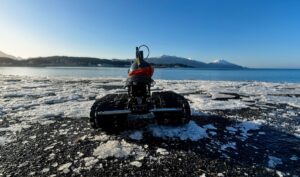
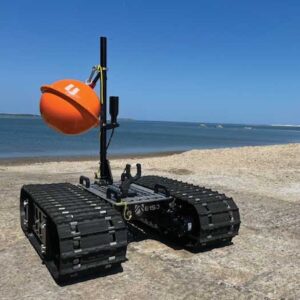
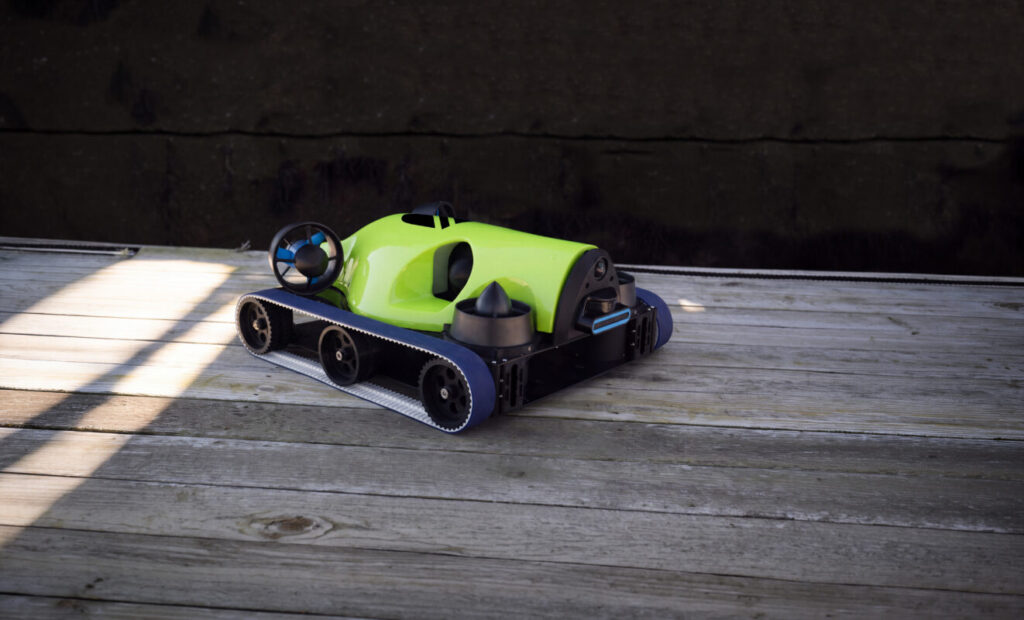
Bayonet 150 by Greensea IQ
Equipped with inertial navigation systems (INS), sonar, sensors, propulsion modules, and stealth capabilities, modern UUVs are designed for high endurance, precision, and autonomous functionality. They are engineered to withstand extreme underwater environments, offering reliable performance for long-duration missions across the seafloor or open ocean.
Military UUV Types and Applications
Unmanned underwater vehicles (UUVs) are built in several configurations, each suited to specific operational tasks. The primary categories, Remotely Operated Vehicles (ROVs) and Autonomous Underwater Vehicles (AUVs), offer complementary capabilities across various military applications.
Military ROVs
Military-spec ROVs are tethered to a host platform, providing direct control and real-time feedback. This configuration is ideal for missions that require precision, visual inspection, or manipulation:
Mine Countermeasures ROVs: Deploy tools to detect, classify, and neutralize naval mines with real-time operator input.
Underwater Inspection and Maintenance ROVs: Naval infrastructure, hulls, and submerged assets are inspected using onboard cameras and manipulators.
Harbor Security ROVs: Deployed from surface vessels, USVs, or dockside, these craft investigate suspicious objects and maintain underwater defenses.
Rescue Support ROVs: Assist in submerged personnel recovery and emergency intervention scenarios.
ROVs typically feature high-power thrusters, tethered control systems, robust cameras, and payload bays for mission tools.
Military AUVs
Military-spec AUVs are untethered and pre-programmed, relying on autonomous guidance systems to execute missions without direct operator input. This makes them suitable for:
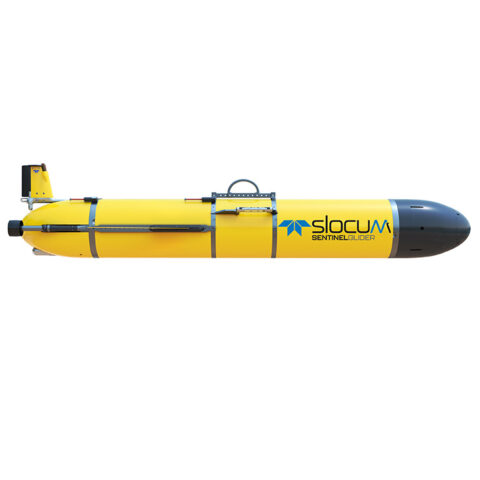
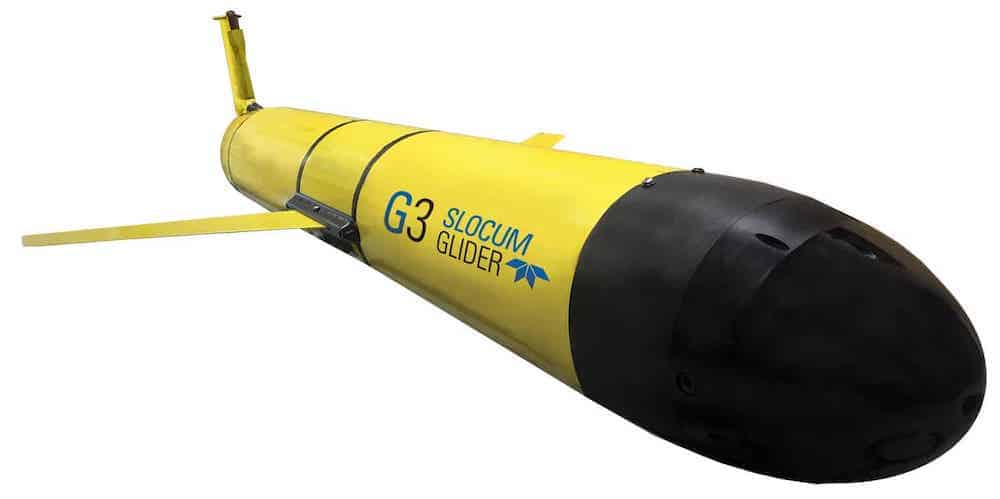
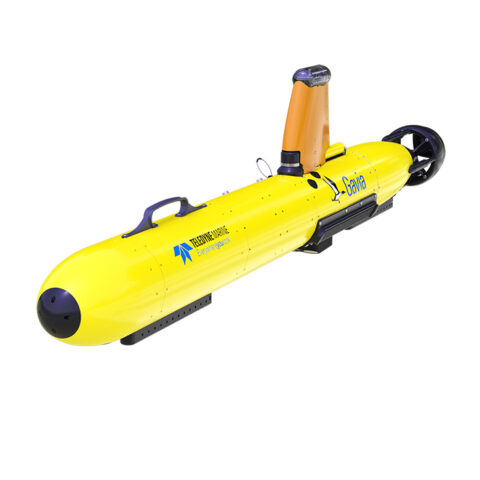
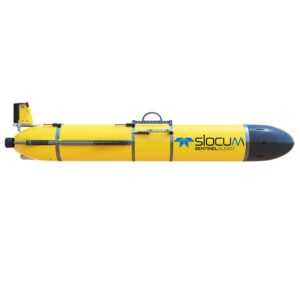
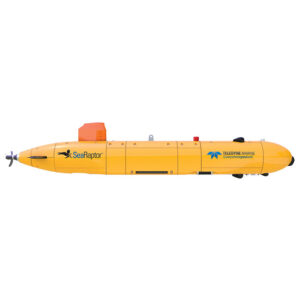
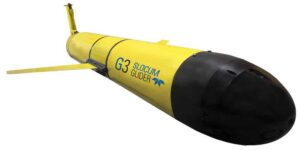
Slocum G3 Autonomous Underwater Glider by Teledyne Marine
Intelligence Gathering and Surveillance AUVs: Covertly collect sonar, video, and environmental data in contested waters.
Anti-Submarine Warfare (ASW) AUVs: Conduct patrols to detect and shadow hostile submarines beyond the reach of human divers or manned platforms.
Mine Detection and Seabed Mapping AUVs: Use high-resolution sonars and mapping sensors to chart the seafloor and identify anomalies.
Maritime Domain Awareness AUVs: Long-duration missions provide strategic intelligence in EEZs and high-traffic zones.
Equipped with inertial navigation systems, acoustic modems, and efficient propulsion, AUVs can operate for days without resurfacing, supporting intelligence-driven operations.
Hybrid and Specialized UUVs
Some systems integrate features of both ROVs and AUVs. These hybrid UUVs can switch between remote control and autonomous modes, adapting to mission requirements. Specialized platforms also include:
Underwater Gliders: Use buoyancy shifts instead of traditional propulsion for long-range oceanographic data collection.
Submersible Drones with Arms or Claws: Designed for object retrieval or sample collection in UUV military reconnaissance missions.
Each UUV type is selected based on operational parameters such as depth, endurance, stealth, and mission payload.
UUV Military Standards
UUVs designed for military use often comply with a range of international and national defense standards, including:
MIL-STD-810: Environmental engineering considerations for ruggedization.
MIL-STD-882: System safety protocols.
STANAG 1364: NATO standardization for mine countermeasures.
UUV Mission Modules Standards: Specifications for payload interoperability, docking, and mission control software.
These standards ensure UUVs are interoperable, survivable, and safe for deployment in multi-national operations.
Strategic Role in Naval Modernization
As maritime threats evolve, UUVs have become integral to naval modernization efforts. Their modularity, autonomy, and survivability support expanded undersea capabilities without needing costly manned platforms. From persistent undersea surveillance to rapid response in anti-submarine warfare, UUVs are force multipliers in modern naval strategy.
Defense forces continue to invest in advanced underwater drones for both nearshore and deep-sea missions. Research and development focus areas include enhanced autonomy, power systems, communications relay modules, and AI-based guidance software.
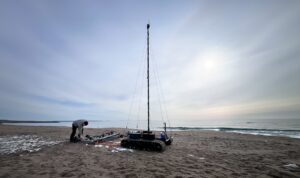
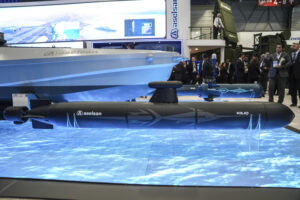
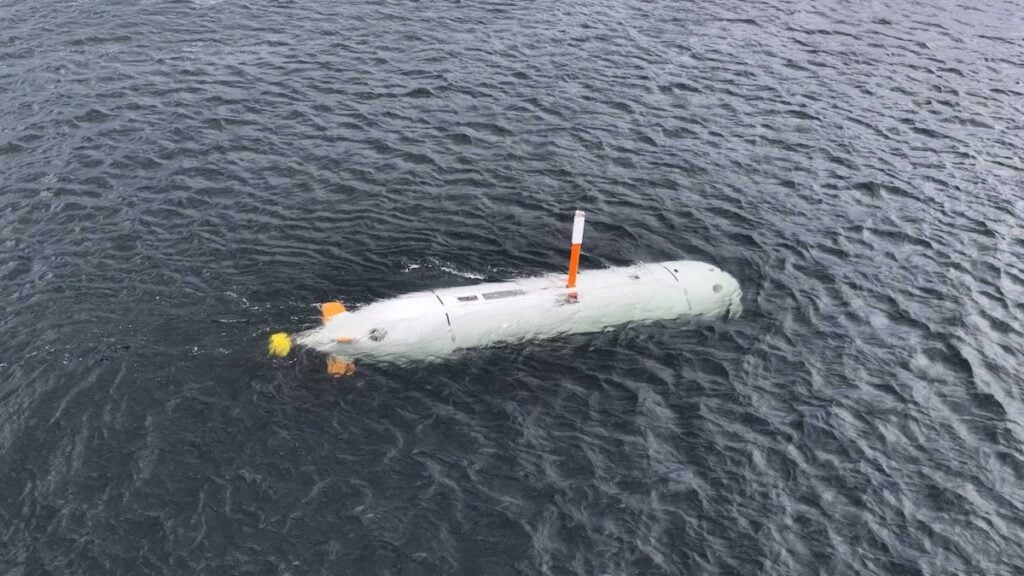
Completed less than a year after a contract award between Saab, FMV, and the Swedish Armed Forces, a functional demonstrator for a large uncrewed underwater vehicle has concluded initial sea trials to evaluate autonomous capabilities alongside existing naval platforms
Greensea IQ has introduced Bayonet Sweep, an autonomous underwater robot for ship hull inspections, threat classification, and maritime force protection without deploying divers in water
Defense Innovation Unit taps Kongsberg and Oceaneering to develop next-generation subsea architecture for future U.S. Navy uncrewed operational capabilities
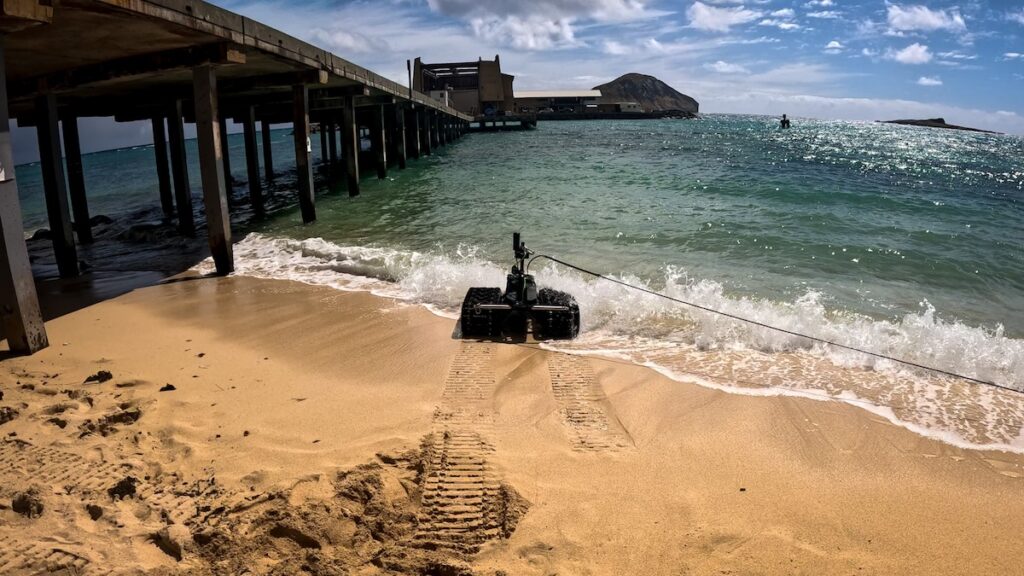
Greensea IQ's 3.7 million dollar delivery order from the United States Marine Corps will expand its fleet of amphibious autonomous underwater ground vehicles designed to counter critical subsea littoral threats
Following a successful transition from prototype to full-scale production, the United States Navy has secured an option year contract to scale its cyber-compliant autonomous undersea vehicle fleet from HII
U.S. Embassy Philippines has confirmed the transfer of four long-endurance platforms to expand the Philippine Navy’s capability to monitor critical waterways above and below the surface
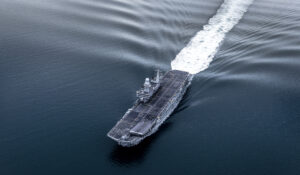
The Royal Navy has received the second of four remotely-controlled primary systems designed to aid underwater mine countermeasures through advanced autonomous seabed mapping and uncrewed identification technologies
The latest defense technology news, straight to your inbox.
Get our weekly roundup of technology developments, new products and industry news.
THANK YOU FOR SIGNING UP
Thanks for joining us. Check your inbox.
We've sent you an email. Click the confirmation link to complete your subscription to the weekly eBrief. In the meantime, explore the latest news, suppliers and technologies on DA.
Advancing Defense Capability Through Strategic Collaboration
Defense Advancement works with major OEMs to foster collaboration and increase engagement with SMEs, to accelerate innovation and drive defense capabilities forward.