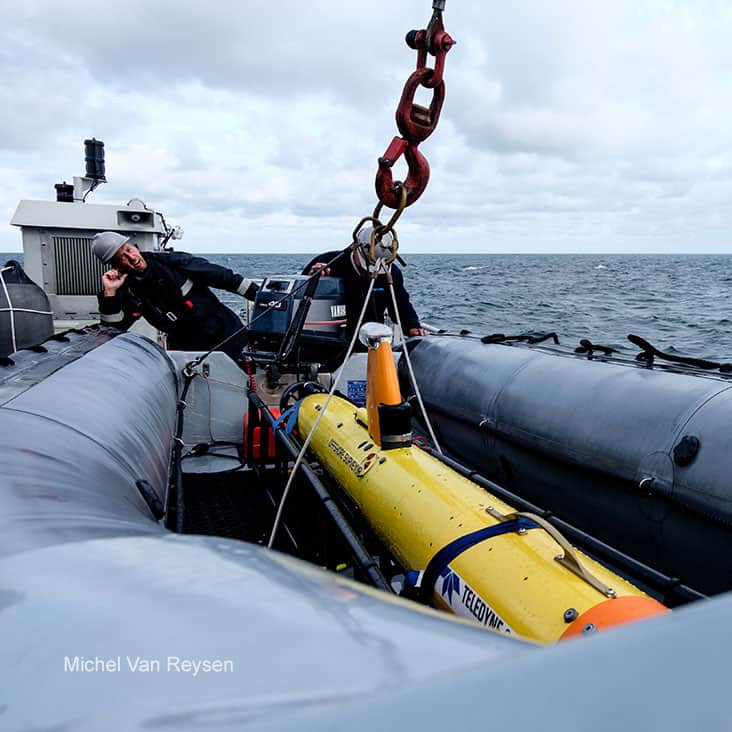




The UK Ministry of Defence has awarded a contract to Teledyne Marine for the supply of autonomous ocean observing systems to support the Royal Navy’s Future Maritime Data Gathering program.
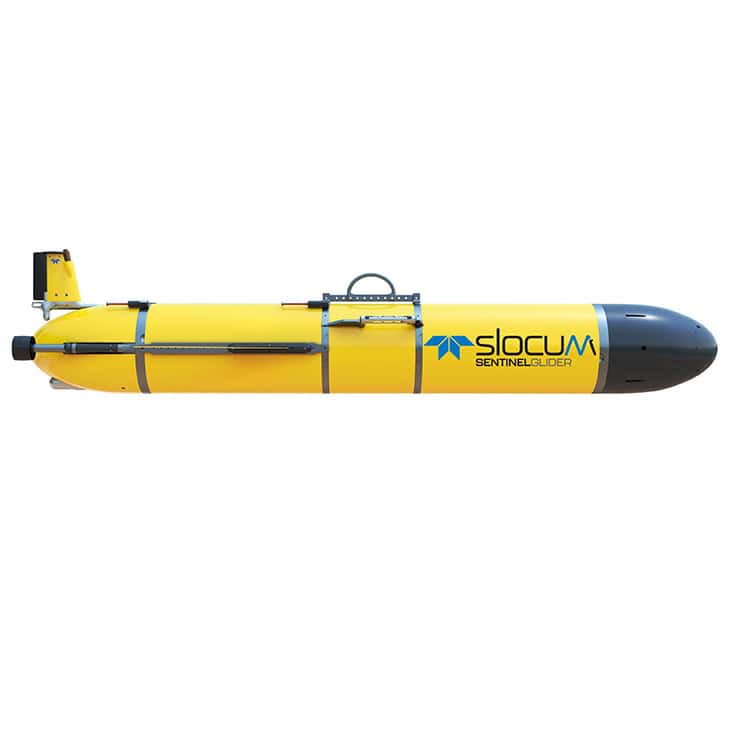
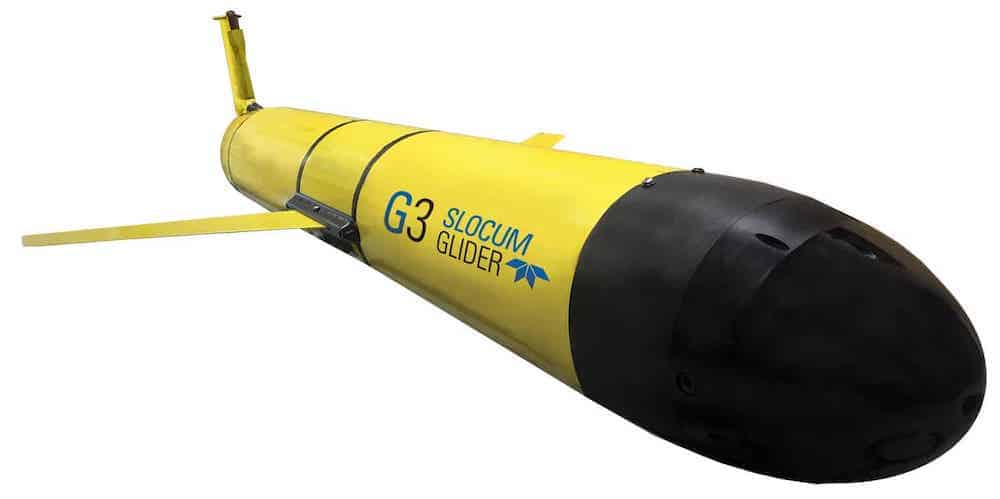
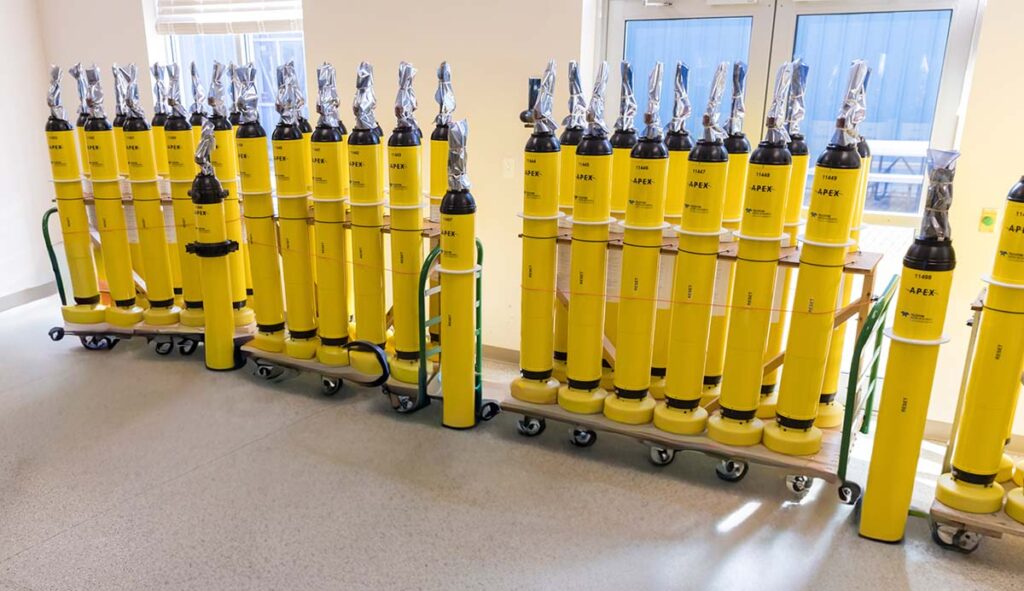
This agreement focuses on the Persistent Oceanographic Data Collect initiative, designed to strengthen the Royal Navy’s environmental data collection capabilities. Teledyne Marine will provide a fleet of Sentinel and Slocum gliders, APEX floats, and associated services. These unmanned technologies allow for high-quality data collection in complex and remote maritime environments, supporting maritime safety, operational planning, and the Atlantic Bastion defense activities.
According to the Royal Navy’s direct award justification, Teledyne Marine remains the only supplier able to guarantee seamless interoperability, security compliance, and mission readiness into the current Royal Navy glider fleet. The program builds upon a decade of cooperation, as the Royal Navy has utilized Teledyne Slocum gliders since 2015. To date, Teledyne Marine has delivered more than 12,000 APEX floats and 1,290 Slocum gliders globally, with over 600 systems currently in service with NATO naval users.
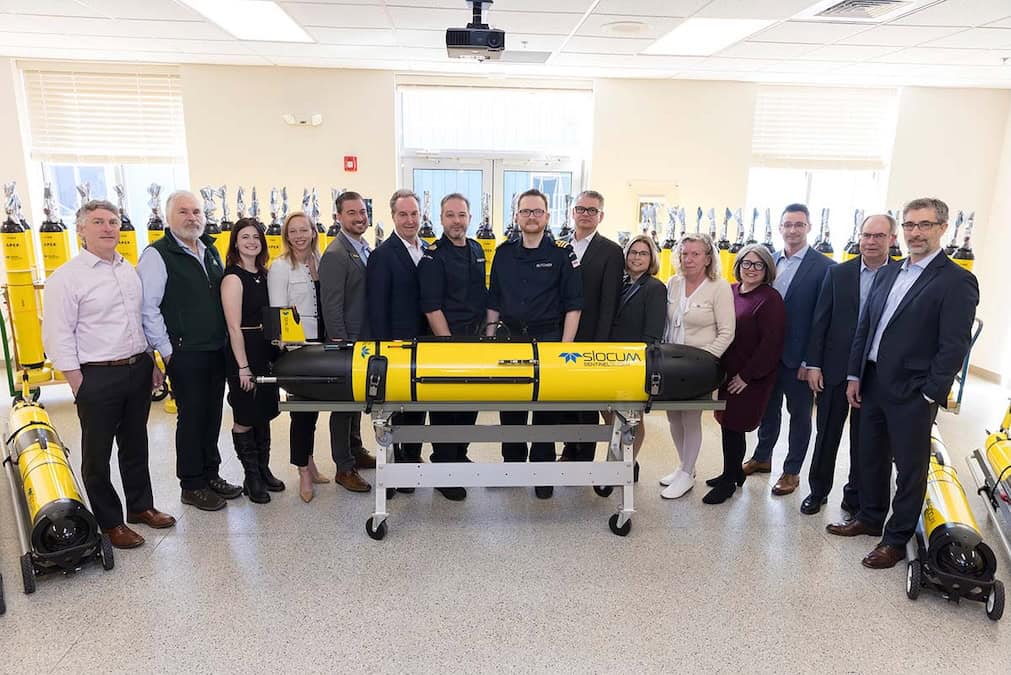
George Bobb, President and CEO of Teledyne Marine, stated, “This award reflects the Royal Navy’s continued confidence in Teledyne’s autonomous underwater vehicles and ocean observing technologies, and our established partnership in delivering proven, mission-ready solutions. We are proud to support the Royal Navy’s Future Maritime Data Gathering program and to contribute capabilities that deliver high-quality ocean data to enable critical defense and maritime missions.”
The integration of these systems aligns with the First Sea Lord’s Hybrid Navy agenda. The capability is intended for direct delivery to frontline Information Warfare Meteorological and Oceanographic (IW METOC) operators to enhance understanding of the underwater battlespace.
Commander Butcher, Royal Navy, Capability Sponsor, added, “This investment in autonomous ocean sensing strengthens the Royal Navy’s ability to understand and operate in an increasingly contested North Atlantic, supporting Atlantic Bastion.
“As we take this forward under the First Sea Lord’s Hybrid Navy agenda, this capability will be delivered directly to front line Information Warfare Meteorological and Oceanographic (IW METOC) Operators. Persistent data from systems such as these enhances our understanding of the Underwater Battlespace, enabling Tactical Exploitation of the Environment and delivering the operational and information advantage Commanders need.”
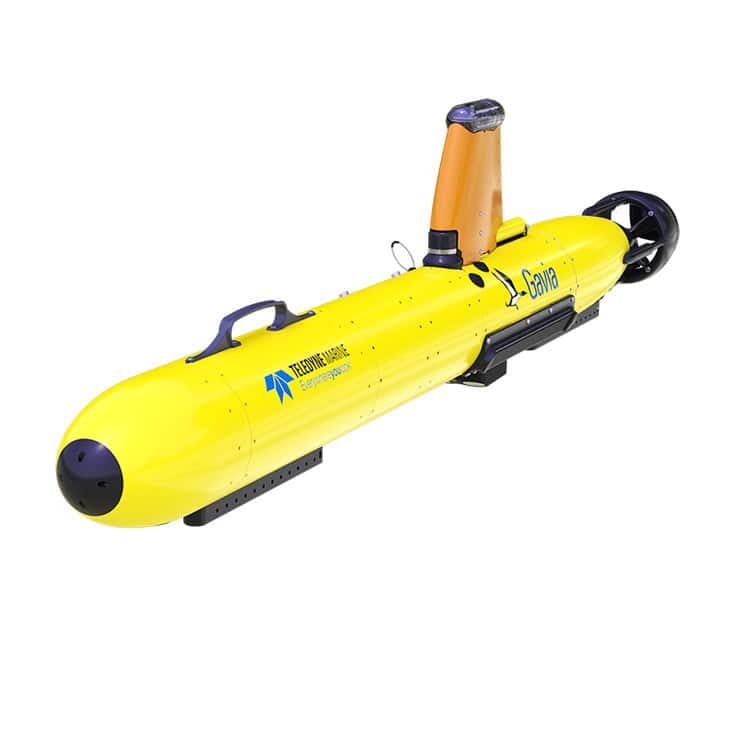
Teledyne Marine, which employs approximately 2,700 people across 18 main sites in the UK, also produces Gavia autonomous systems used by 18 navies worldwide. Its unmanned systems are extensively utilized by naval, commercial, and scientific organizations for persistent ocean observation.