Ground Control Stations (GCS) for Military Drones and UAVs
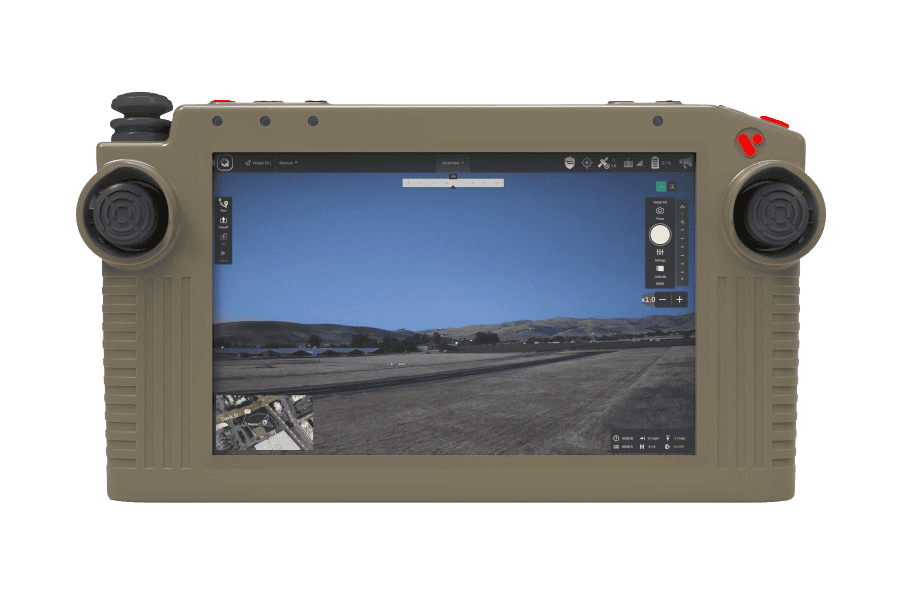
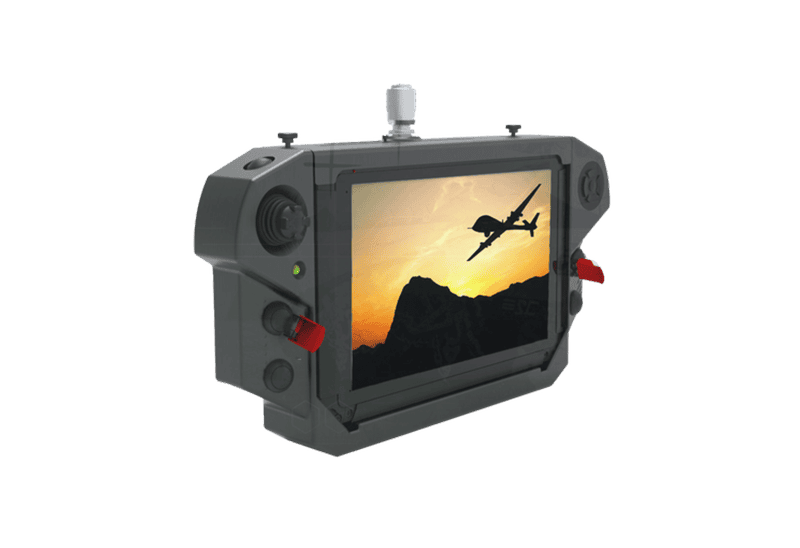
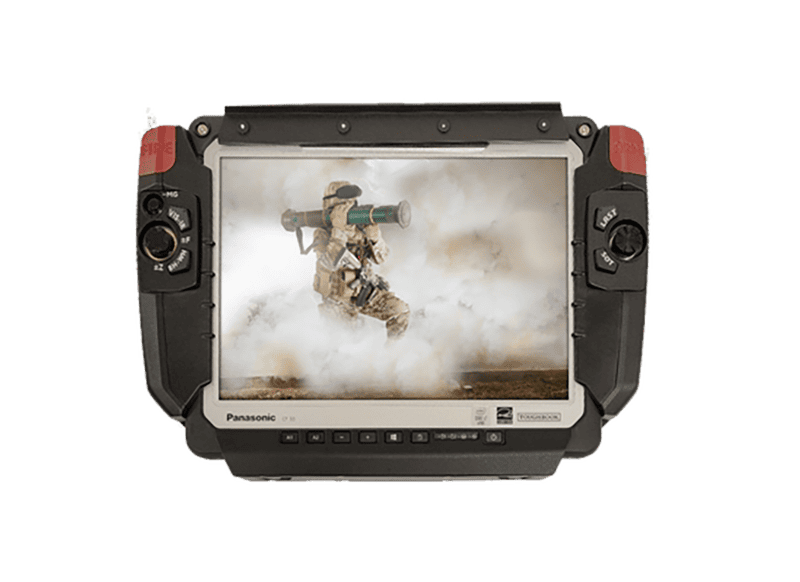
Ground control stations (GCS) are the vital link between military operators and unmanned aerial systems (UAS), enabling real-time mission planning, control, communication, and intelligence dissemination. In modern defense, GCS platforms are indispensable, combining rugged hardware, advanced software interfaces, secure data links, and redundancy measures to support complex drone operations, from surveillance to strike missions.
If you design, build or supply Ground Control Stations (GCS), create a profile to showcase your capabilities and connect with visitors who have an active requirement for your solutions.
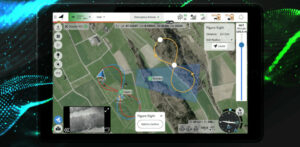
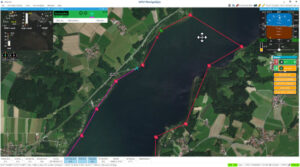
Ground control software suite for the C100 tactical quadcopter
Ground control software suite for the C100 tactical quadcopter
...is an advanced groundcontrol software ecosystem purpose-built to elevate the performance of the... ... manage entire drone fleets with PDW Updater, a Windows-compatible tool for remote firmware updates...
Ground Control Stations (GCS) for Military Drones and UAVs
Overview by
Summer James
Updated:
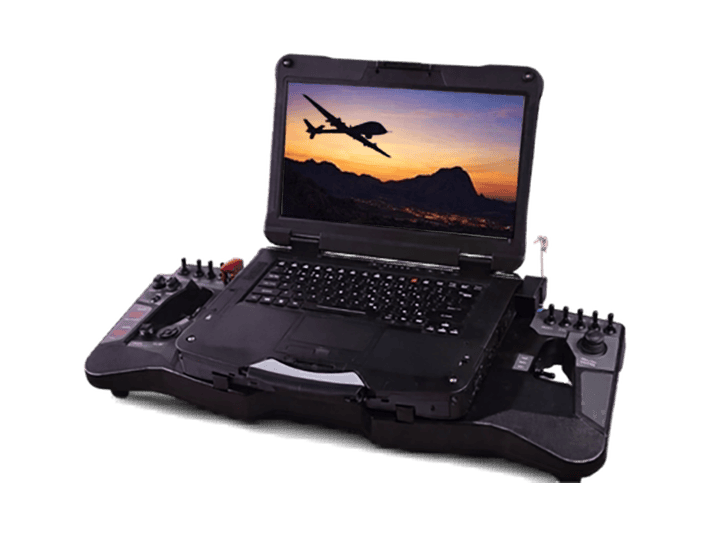
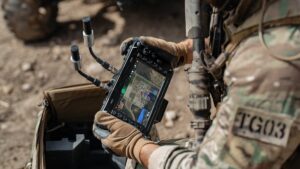
Ground control stations are far more than remote interfaces; they are sophisticated command hubs orchestrating every phase of a drone’s mission lifecycle. GCS platforms integrate seamlessly with UAV autopilots, sensors, and military communications infrastructure from pre-flight configuration and in-mission control to real-time video analysis and post-flight data retrieval. As military drone operations become increasingly complex, featuring autonomous capabilities, AI integration, and multi-domain coordination, the demands placed on ground control stations continue to evolve. These systems must now balance modularity, mobility, and security, ensuring operational superiority in centralized command centers and forward-operating environments.
Why Ground Control Stations are Essential for Defense Drones
Military operations require high reliability, secure communications, and multi-dimensional situational awareness, all delivered through GCS platforms:
Full mission control
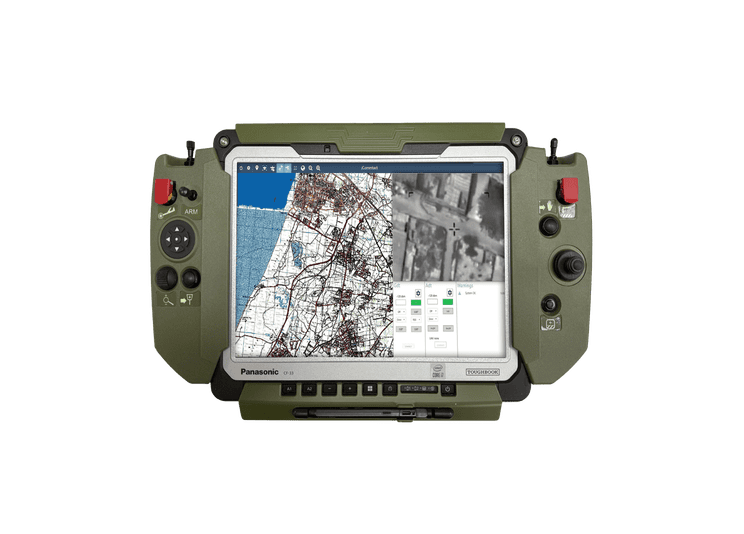
Military-grade GCS systems incorporate mission planning modules, autopilot integration, flight controllers, failover mechanisms, and situational awareness tools. Unlike basic RC or smartphone-based controllers, they offer redundancy and secure data links required in contested environments.
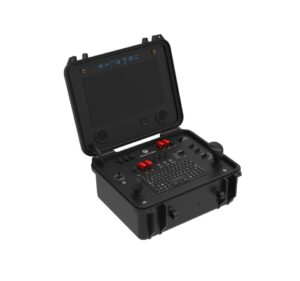
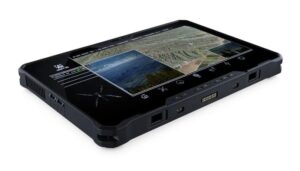
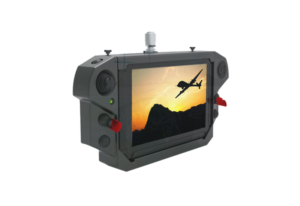
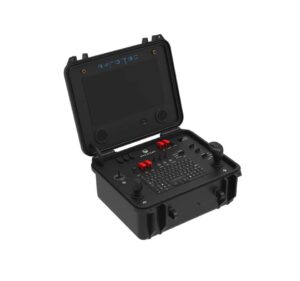
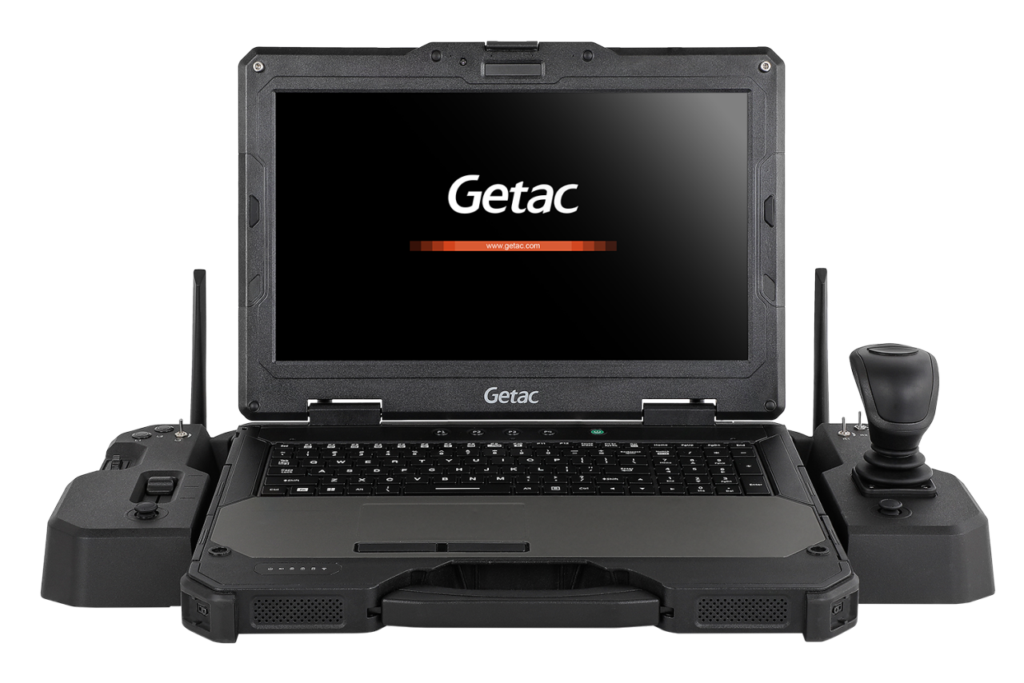
PGCS by Ruggmate.
Intelligence, surveillance, reconnaissance (ISR)
Airborne ISR drones rely on GCS for real-time data processing, video feeds, and tactical dissemination to command networks. GCS software integrates video processing, display units, and telemetry to deliver actionable intelligence during dynamic operations.
Complex mission profiles
Military drones must execute precise waypoints, payload control, and swarm behavior, whether for strike, electronic warfare, or swarm coordination. GCS platforms provide mission planners, swarm control interfaces, auxiliary control systems, and autopilot schemes tailored to defense use cases.
Better than alternatives
Alternatives like pad-based and hand‑held RC systems lack encryption, high-bandwidth data links, redundancy, and MIL‑STD certifications. Drone control apps running on tablets cannot match the secure communication suite, rugged enclosures, failover systems, or NATO interoperability standards inherent in GCS.
Military Applications Where GCS is Critical
Tactical ISR and reconnaissance
GCS enables real‑time video streaming, GPS integration, and sensor payload control, vital for border monitoring and battlefield surveillance.
Close air support and precision strike
Operators use GCS to designate targets, activate weapons systems, and manage release sequencing.
Ground control stations direct multiple drones in formation-based swarm missions, delivering real-time control via swarm management interfaces.
Maritime patrol and anti-submarine warfare
Portable or mobile GCS stations support ship-based or shore-based drone operations, integrating with ISR systems, secure communications, and link redundancy for effective maritime deployment.
Counter‑insurgency & border security
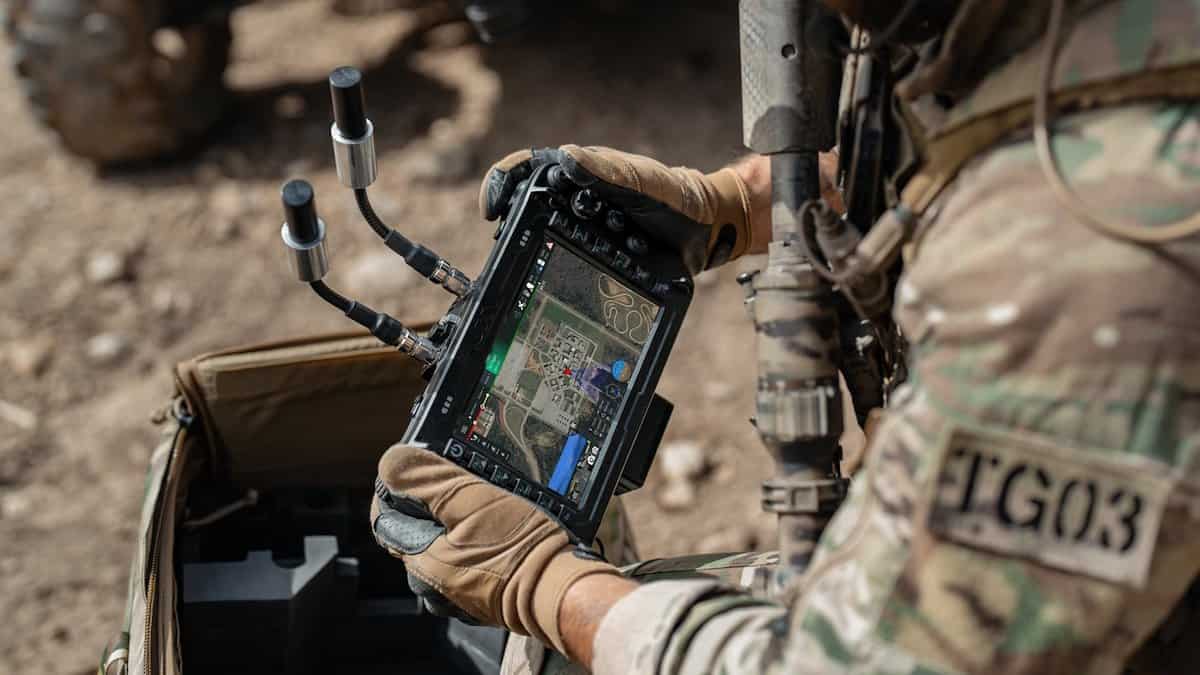
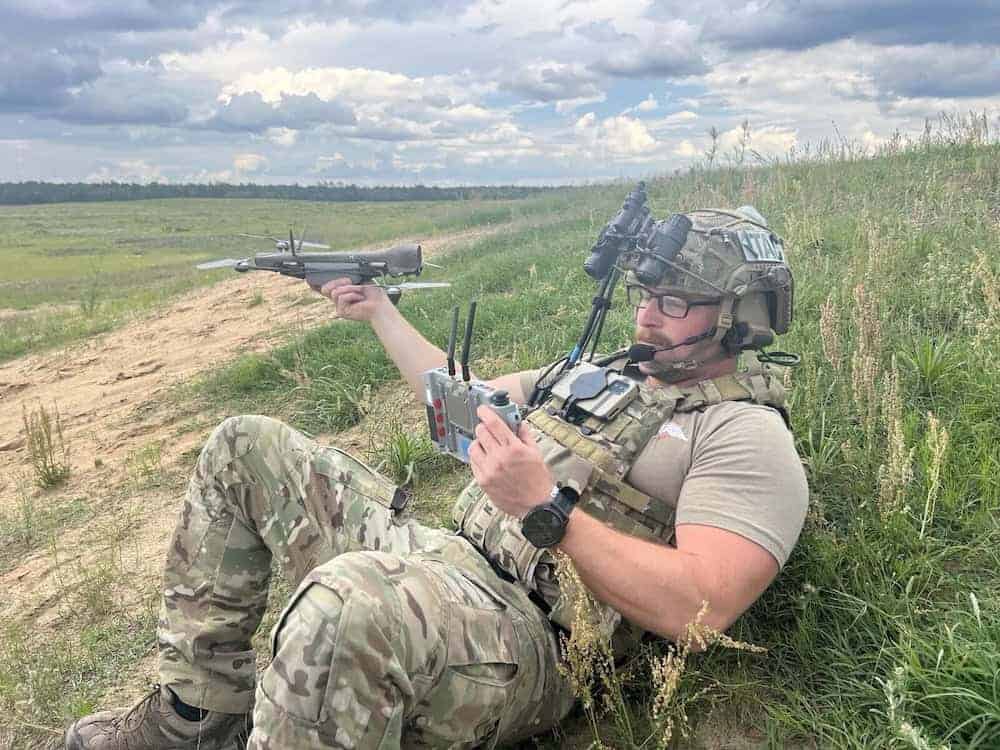
Rapid-deployment portable GCS solutions connect to UAS platforms flown by field units, providing local situational awareness and autonomous flight features.
Core Components of a Ground Control Station
Control computer & software-defined radio (SDR)
The processing core with integrated SDR and mission planner software, animating autopilot & flight controller commands and handling telemetry exchange.
User interface: display units and control interface
Dual redundant data links such as RF, satellite uplink, and encrypted network channels ensure long-range, secure UAV connectivity under MIL‑STD guidelines.
Antenna systems
Directional and multi-band antennas with STANAG compliance and redundancy support telemetry, video, and satellite links with guaranteed line-of-sight.
Redundant systems & failover
Dual power supplies, redundant communication ports, failover autopilot, and mission control replication are essential in contested airspaces.
Built-in encoding and situational awareness tools convert raw video into formats suited for commander networks and sensor fusion software.
SWaP‑optimized power & interface subsystems
Portable GCS systems manage power budgets, cooling, display quality, and SWaP optimization; all critical in forward-deployed scenarios.
Other Control Station Types and Distinctions
Surface control station
Used for ground vehicles (UGVs), marine drones, or static systems. They differ in payload interfaces, communication frequencies, and environmental seals, tailored for terrestrial missions versus aerial.
Vehicle-mounted or shelter-deployed platforms offer environmental controls and vehicle integration, and may have separate MIL‑STD requirements compared to portable backpack models.
Vehicle‑control station
Focuses on vehicle-specific protocols and ground interfaces rather than aeronautical autopilot standards seen in UAV systems.
Underwater vehicle control stations
Used aboard naval vessels or at coastal command centers, UUV control stations are specialized for subsea environments. They operate over fiber-optic tether or acoustic modems, requiring dedicated communication protocols, sonar integration, and navigation tools for GPS-denied environments. Unlike UAV GCS systems, these stations prioritize subsea mapping, depth control, and autonomous mission execution, often using joystick input, tactile displays, and real-time visualization tools for bathymetric data and obstacle avoidance. Many UUV control stations also comply with naval-specific MIL‑STDs and interface seamlessly with shipboard combat systems.
MIL‑STD and NATO STANAG Compliance
To ensure interoperability and ruggedness, military GCS must meet the following standards:
Operator awareness: Integrated maps, video, telemetry, autopilot data, and sensor overlays far exceed hobby-grade GUIs.
Mission support: Built-in mission planners, data recorders, and rail interfaces support rigorous pre/post-flight workflows.
Ground Control Station: Mission-Centric Drone Command
Ground control stations fuse secure data links, redundancy, mission planning, and ruggedized platforms into systems that deliver situational awareness, mission control, and tactical resilience. As drone applications evolve, from ISR to electronic warfare and swarming, the GCS remains the central node, hardened by MIL‑STD‑810G/461 compliance and engineered for modularity. Whether controlling a single UAV or coordinating manifold autonomous drones, ground control systems define how unmanned platforms contribute to mission success, and they will continue to shape the defense landscape.
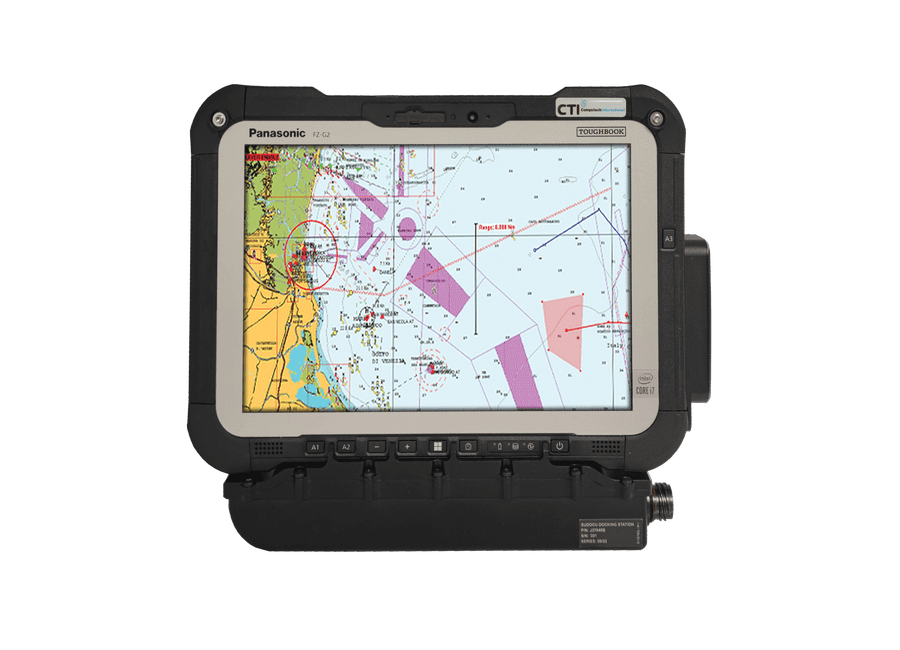
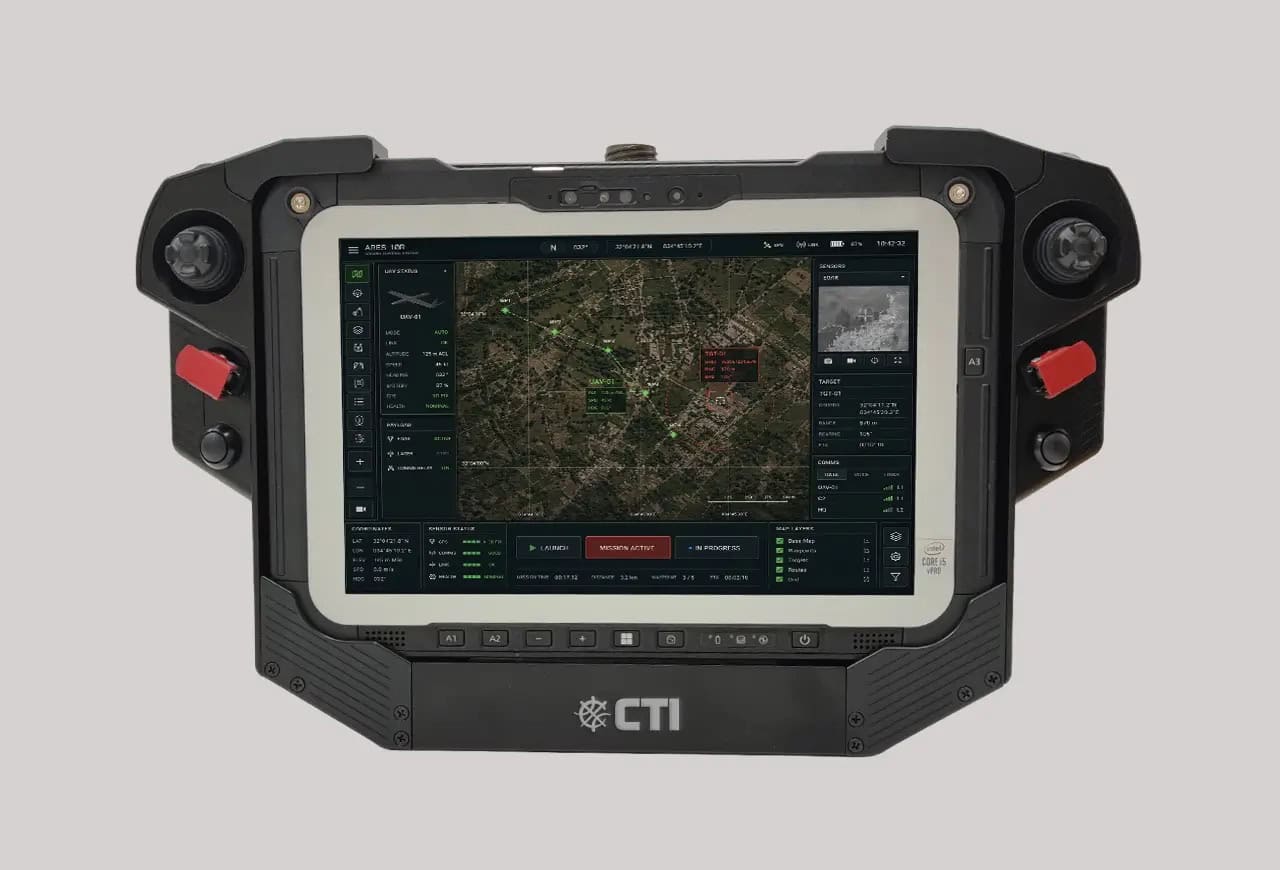
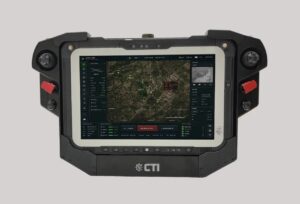
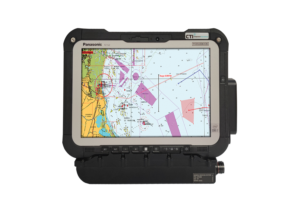
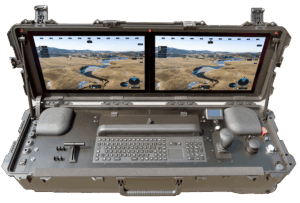
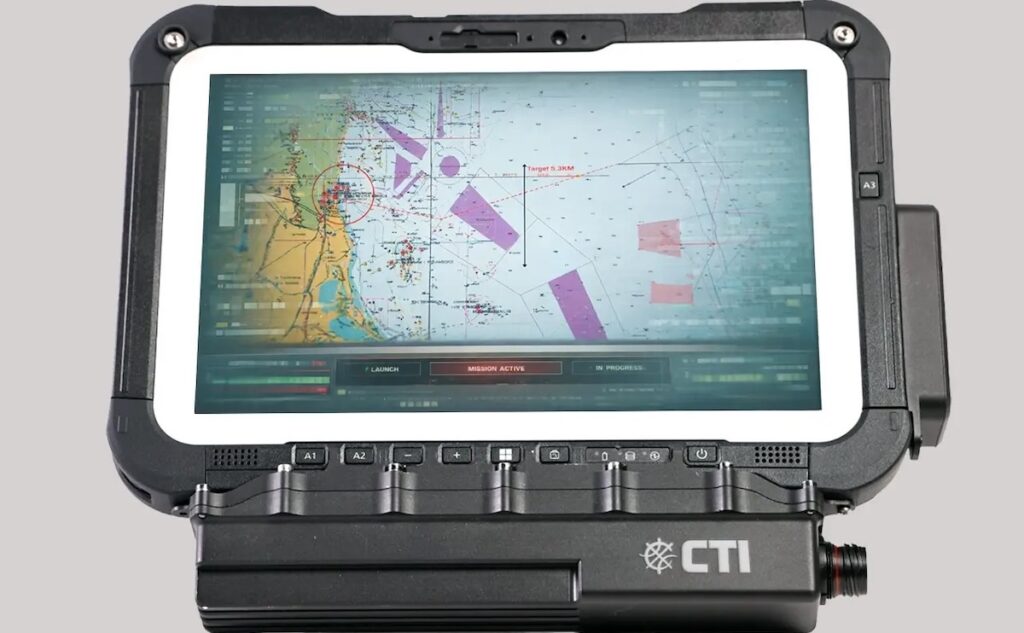
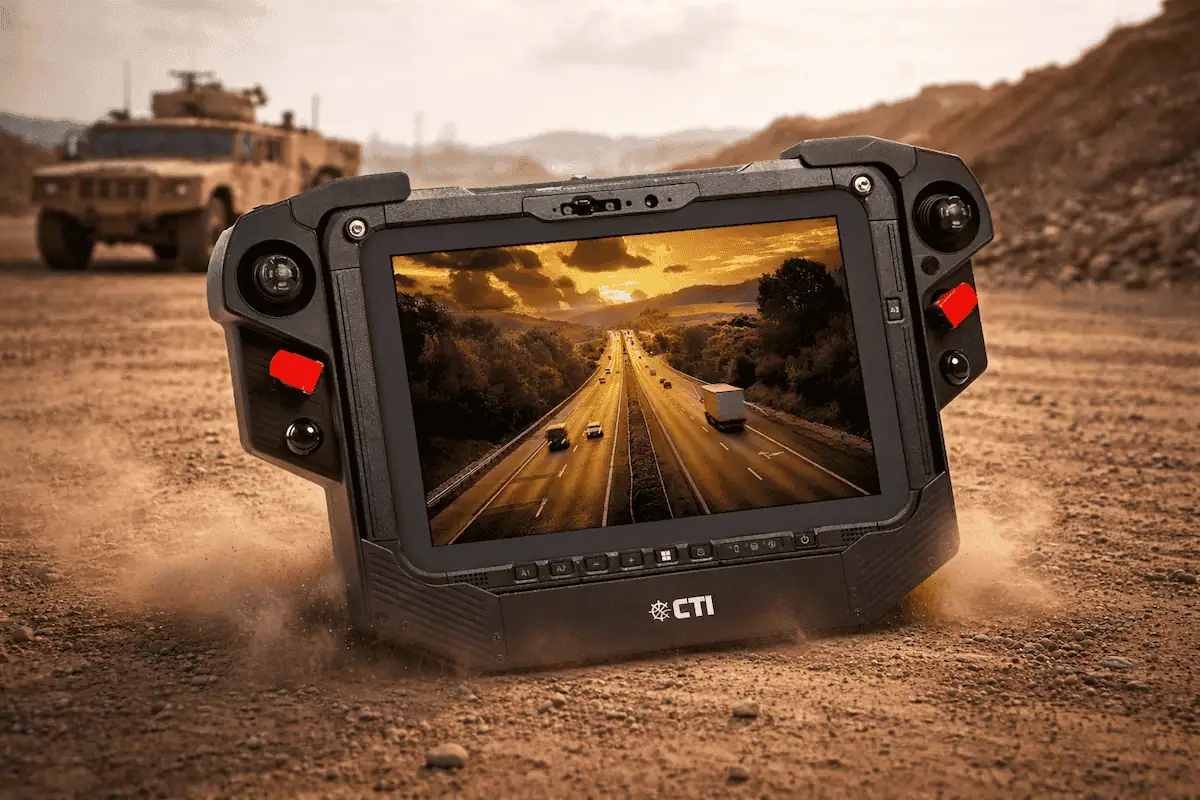
CTI-INTL Solutions’ Ares 10S is a compact rugged Ground Control System supporting real-time command, visualization and situational awareness for tactical unmanned operations
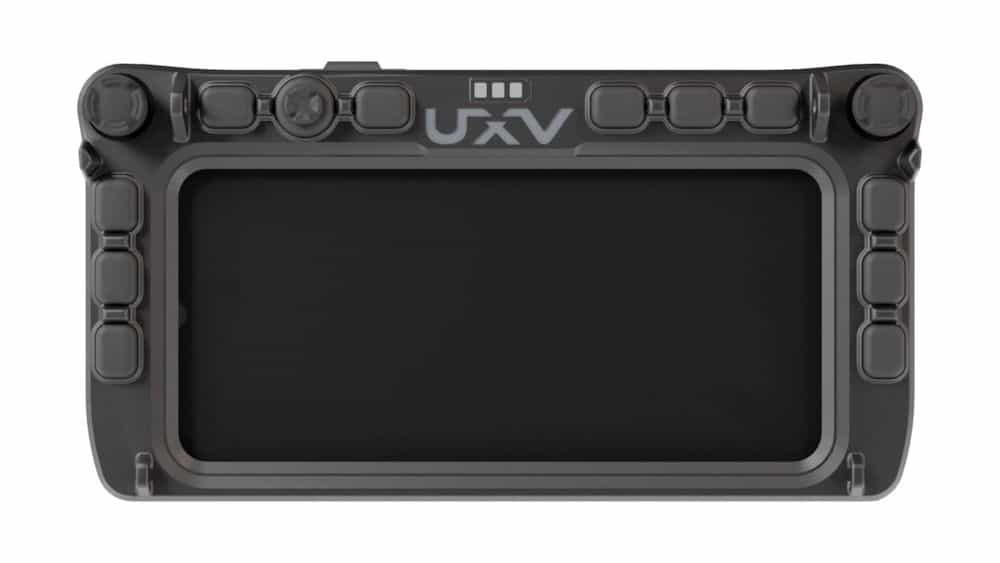
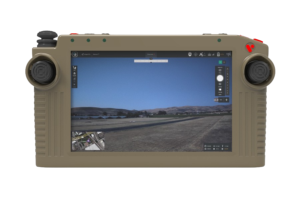
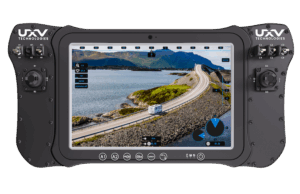
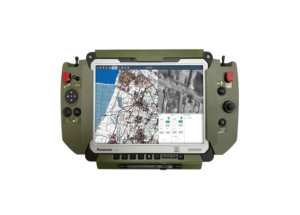
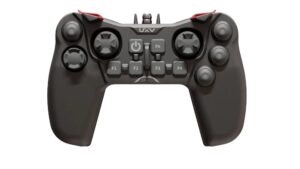
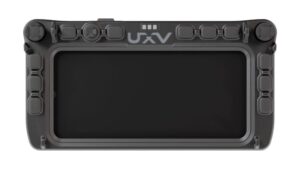
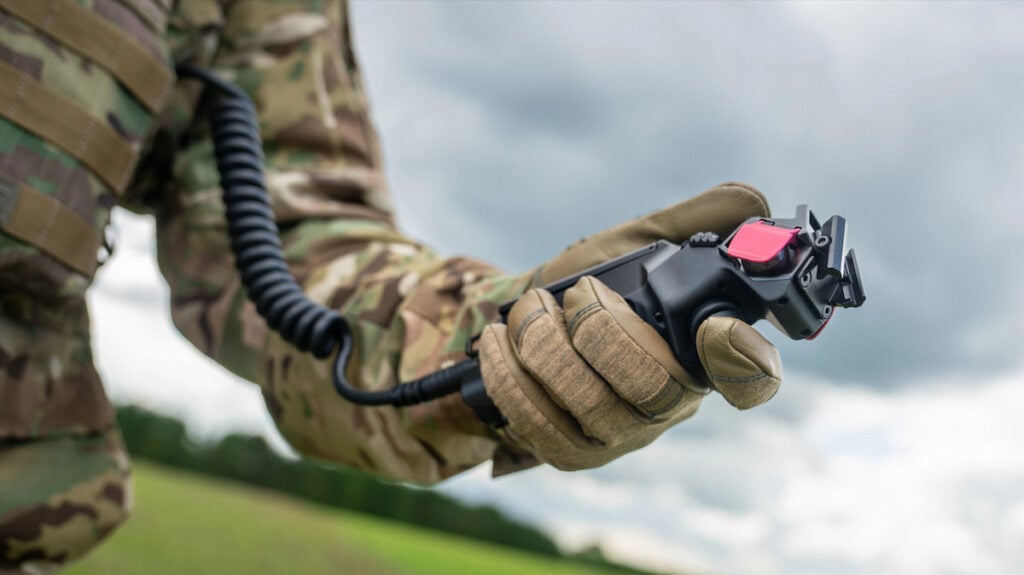
UXV Technologies has expanded its ruggedized soldier robotic controller line, introducing a lightweight, one-handed device engineered to provide operators with precise control of unmanned platforms across tactical defense environments
Vantage Robotics' mission-ready Blue UAS-cleared platforms designed to deliver reliable ISR performance in urban, expeditionary, and GPS-contested operational environments
CTI-INTL Solutions is set to showcase its full suite of mission computing and Ground Control Systems (GCS) at SOF Week 2026, led by CEO Ilan Edry at Booth 1951
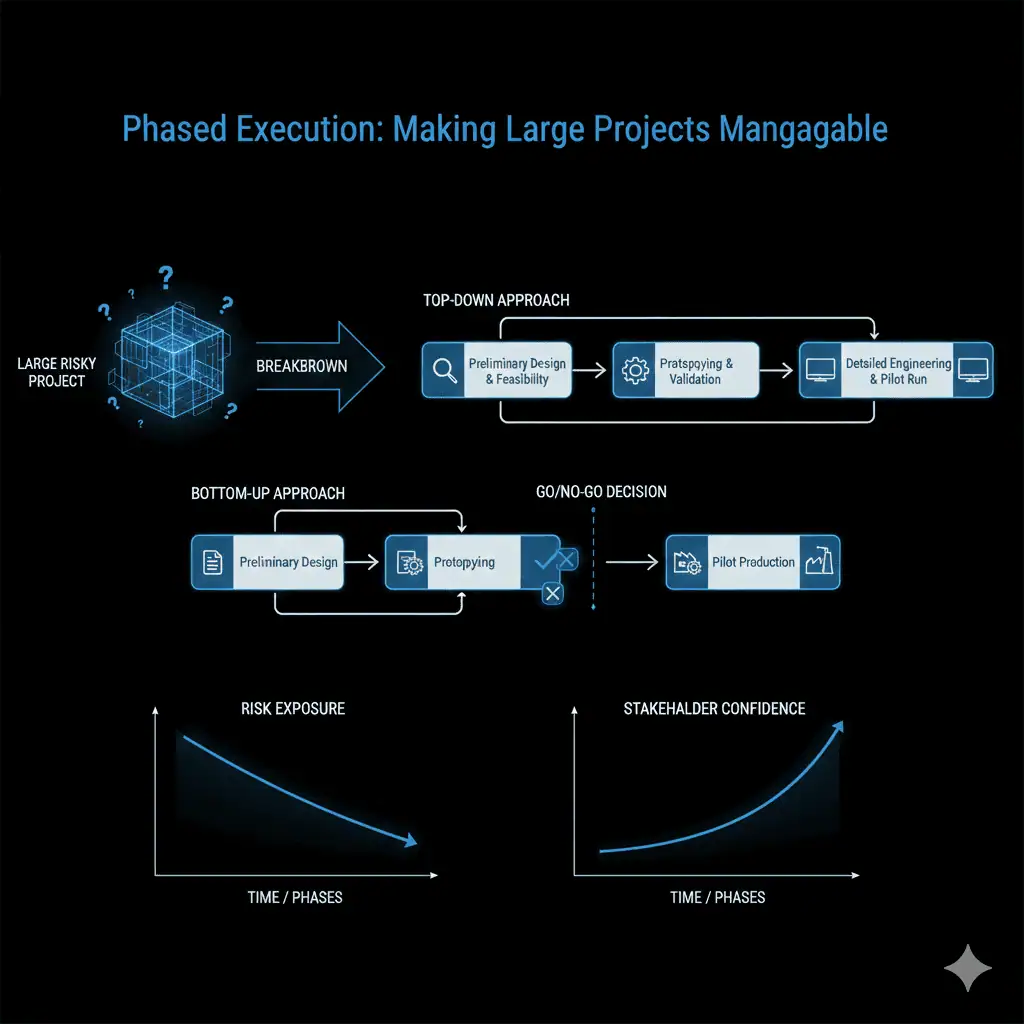
Ruggmate highlights phased execution as a structured approach to reducing risk, validating assumptions, and improving project control across large-scale engineering programs in defense and industrial applications
UXV Technologies and Electro Optic Systems have signed a Memorandum of Understanding to collaborate on unmanned systems, weapon technologies, and integrated defence solutions for allied capabilities
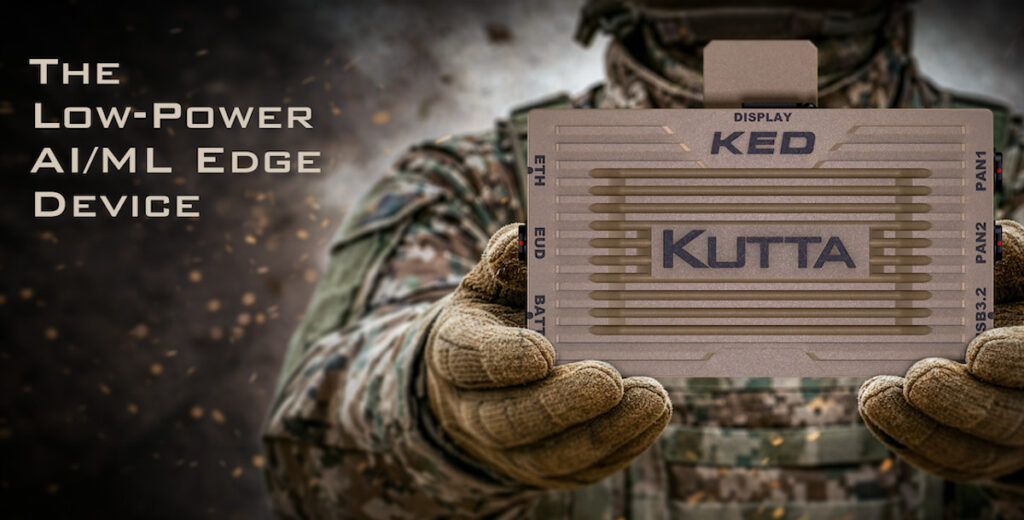
Kutta Technologies introduces the Kutta Edge Device, a low-power, soldier-portable edge computing platform delivering AI-enabled processing, tactical networking, and distributed command and control in disconnected environments
Mar 11, 2026
Advancing Defense Capability Through Strategic Collaboration
Defense Advancement works with major OEMs to foster collaboration and increase engagement with SMEs, to accelerate innovation and drive defense capabilities forward.