If you design, build or supply Gyro Stabilization Systems, create a profile to showcase your capabilities and connect with visitors who have an active requirement for your solutions.
Military Gyro Stabilizers for Land, Air & Marine Platforms
Overview by
William Mackenzie
Updated:
Gyro stabilizers are precision systems that maintain platform stability across dynamic environments, enabling accurate sensor performance, weapon targeting, and data acquisition. Whether deployed on armored vehicles, naval vessels, or airborne platforms and drones, these gyroscopic stabilization units are integral to mission success in defense operations.
Designed to counteract movement from terrain, wave action, or air turbulence, modern military gyro stabilizers support a wide range of applications, including long-range reconnaissance, real-time ISR (Intelligence, Surveillance, and Reconnaissance), weapons stabilization, and advanced sensor payloads. Their integration with gimbal systems, IMUs, and pan-tilt mechanisms ensures stability for optical, infrared, radar, or electronic warfare sensors even under harsh operational conditions.
Applications Across Defense Domains
Land-Based Platforms
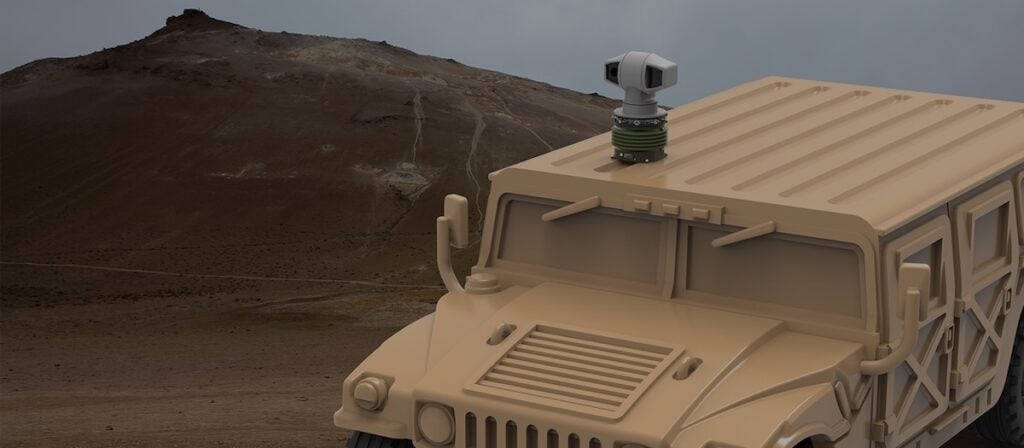
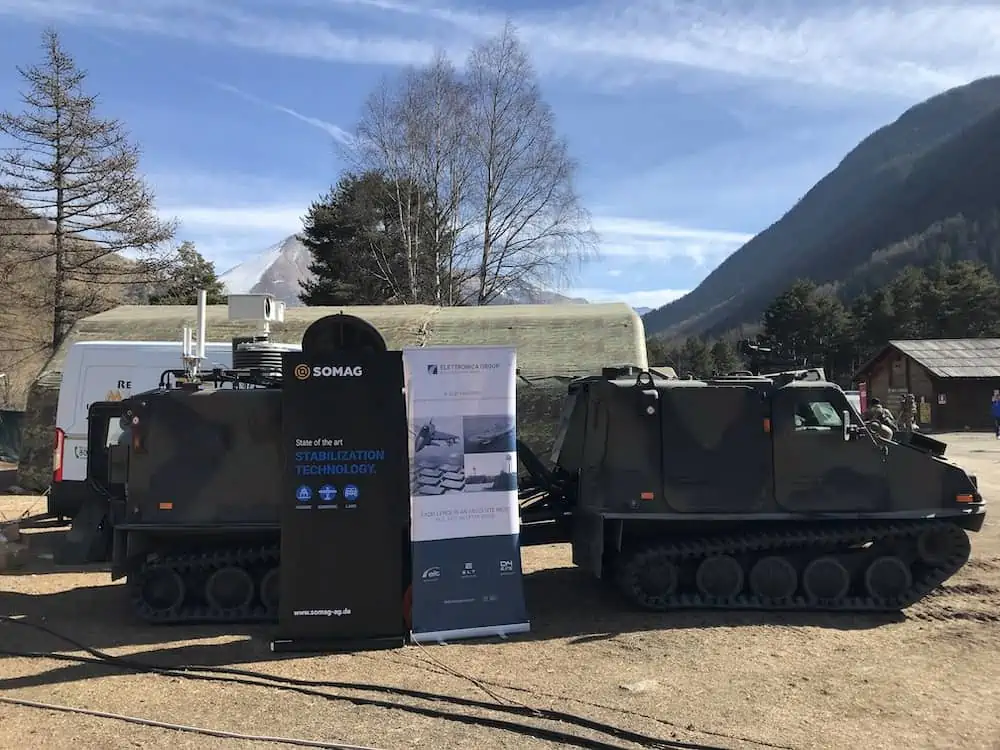
On land, gyro stabilizers are deployed on manned and Unmanned Ground Vehicles (UGV), unmanned ground systems, and man-portable units. These stabilizers enhance the performance of surveillance turrets, gun stabilization systems, and sensor arrays mounted on combat vehicles, reconnaissance trucks, and armored personnel carriers.
Use cases include:
Gun stabilizers for remote weapon stations
Stabilized surveillance for border patrol and convoy monitoring
Ground-based ISR platforms with pan-tilt camera systems
Their ability to maintain sensor orientation on rough terrain or during high-speed movement ensures precise targeting and uninterrupted data feeds.
Airborne Systems
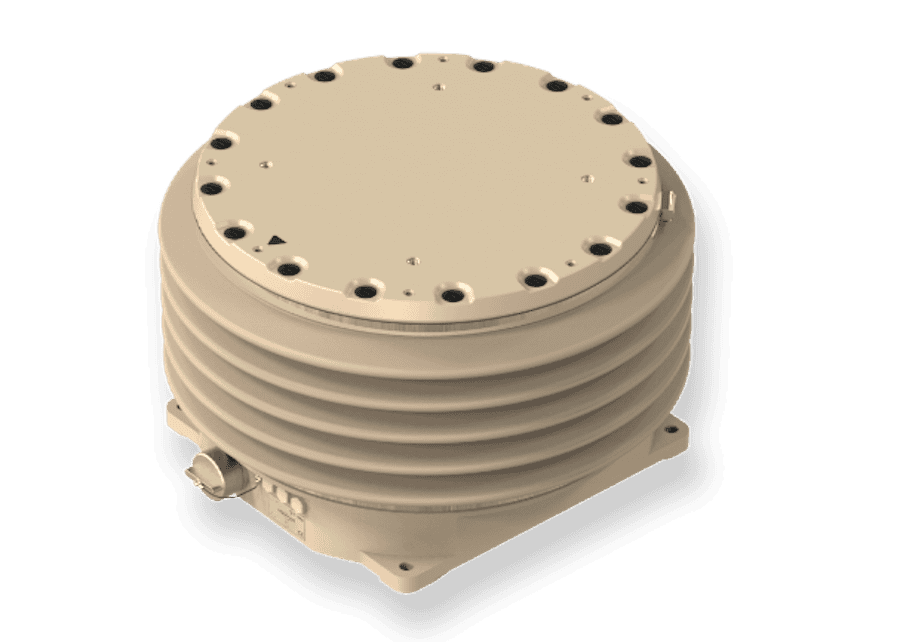
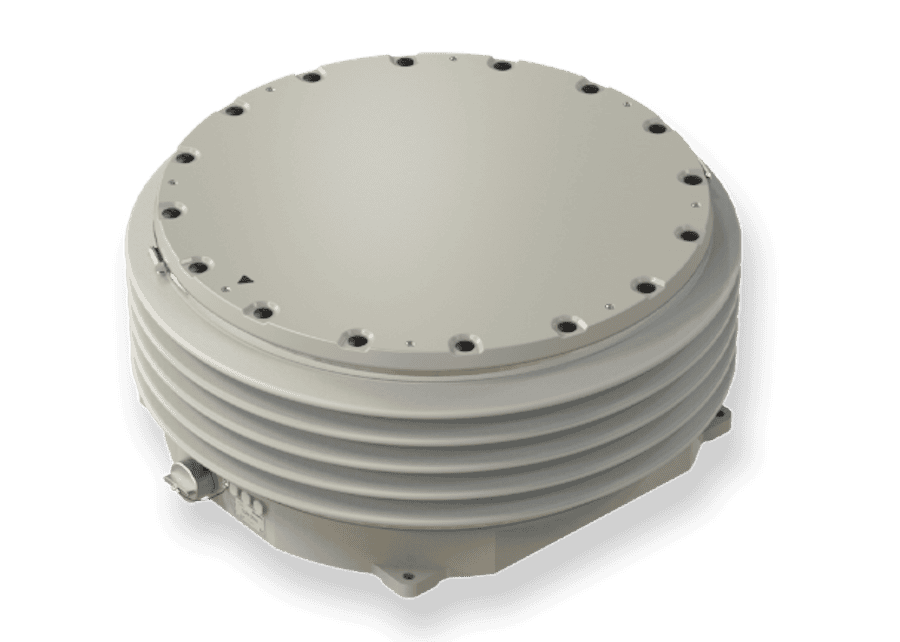
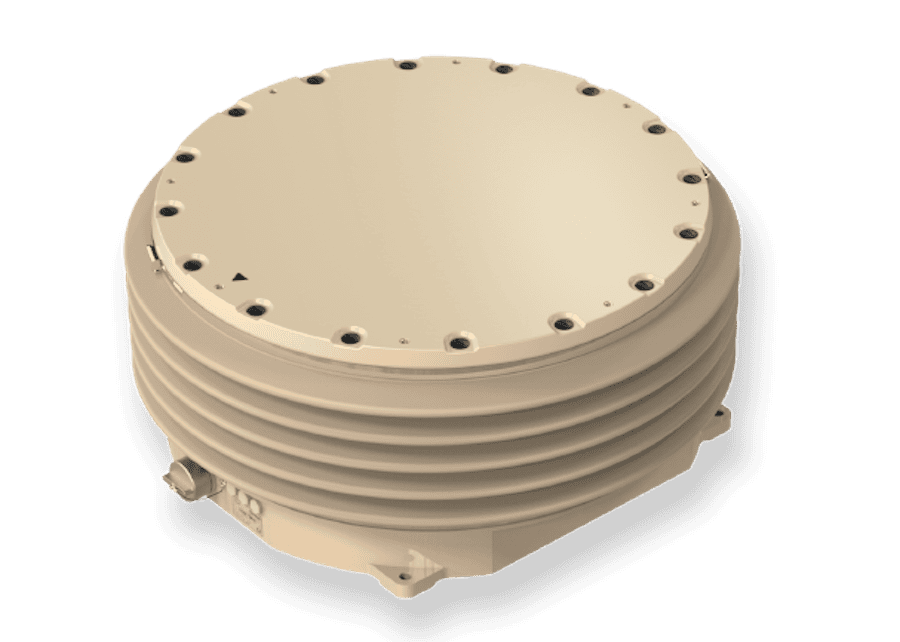
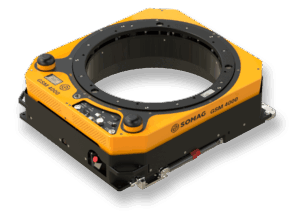
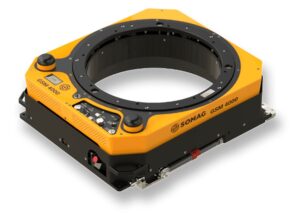
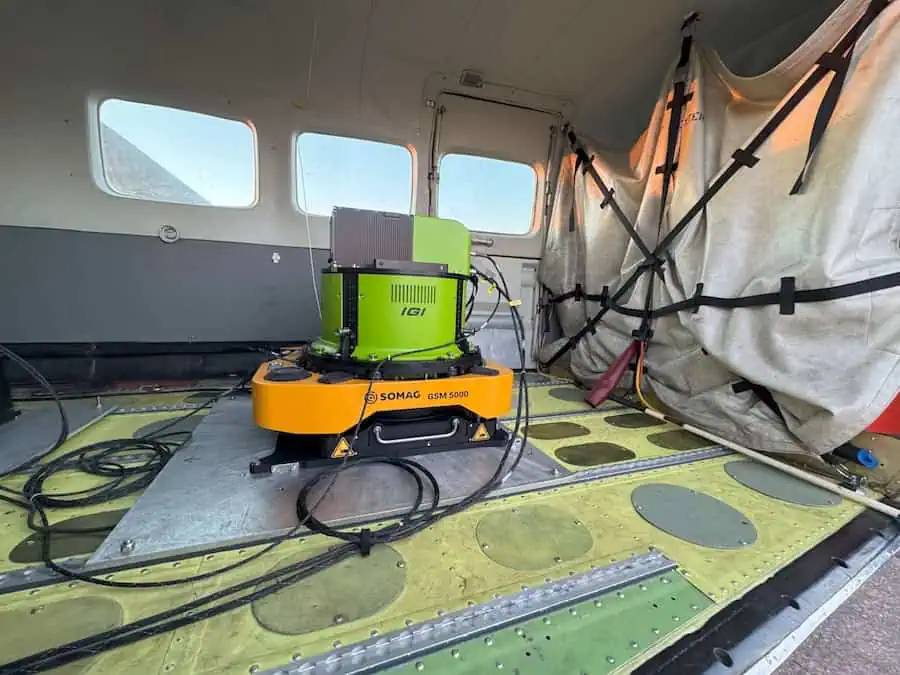
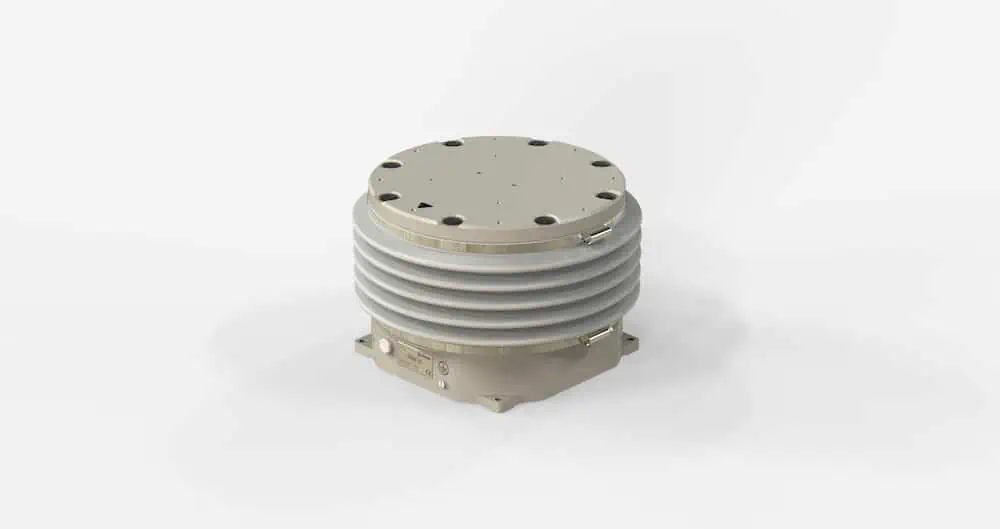
GSM 5000 Gyro Mount by SOMAG AG Jena
Airborne military platforms, including Unmanned Aerial Vehicles (UAVs), helicopters, and fixed-wing aircraft, rely on gyro stabilizers to counteract pitch, roll, and yaw caused by atmospheric turbulence. These systems support aerial surveillance and targeting operations, maintaining accurate sensor alignment for electro-optical, IR, and SIGINT payloads.
Common implementations include:
Gyro-stabilized gimbal cameras for UAV ISR missions
Gun and optics stabilization for airborne weapon platforms
High-altitude and high-speed missions demand robust stabilization to ensure consistent imaging and targeting, especially in contested environments.
Marine and Naval Vessels
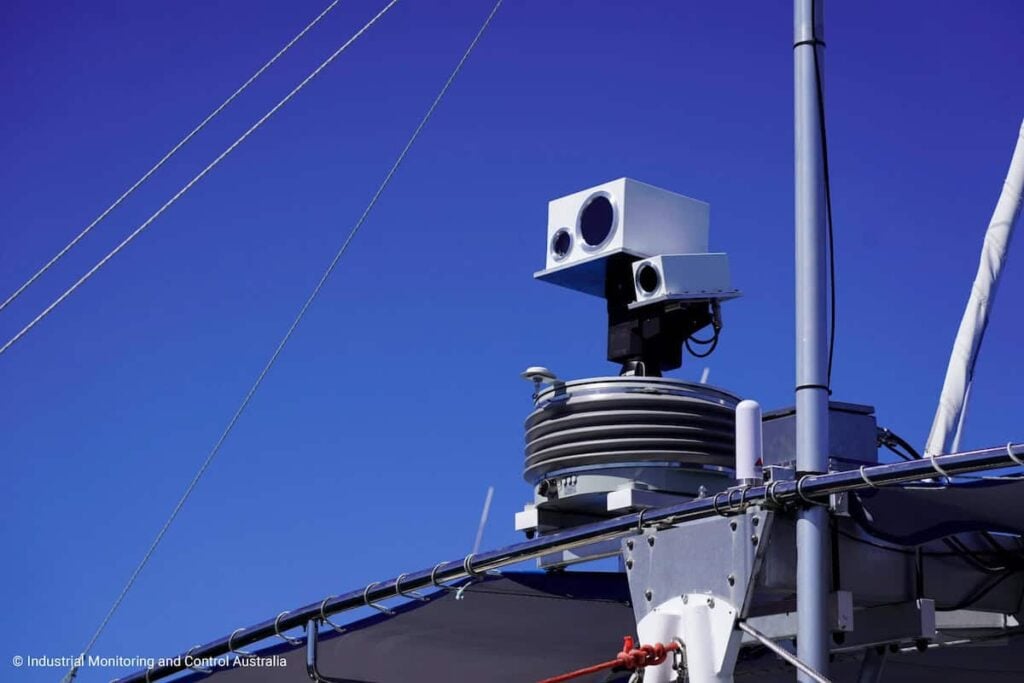
Maritime applications demand gyro stabilizers that compensate for multidirectional movement caused by wave motion and vessel dynamics. These systems are critical for onboard radar, EO/IR sensors, weapons, and navigation equipment.
Use cases include:
Gyro-stabilized surveillance systems for patrol vessels
By stabilizing payloads against pitch, roll, and heave, marine gyro stabilizers enhance situational awareness and operational accuracy in all sea states.
Types of Military Gyro Stabilizers
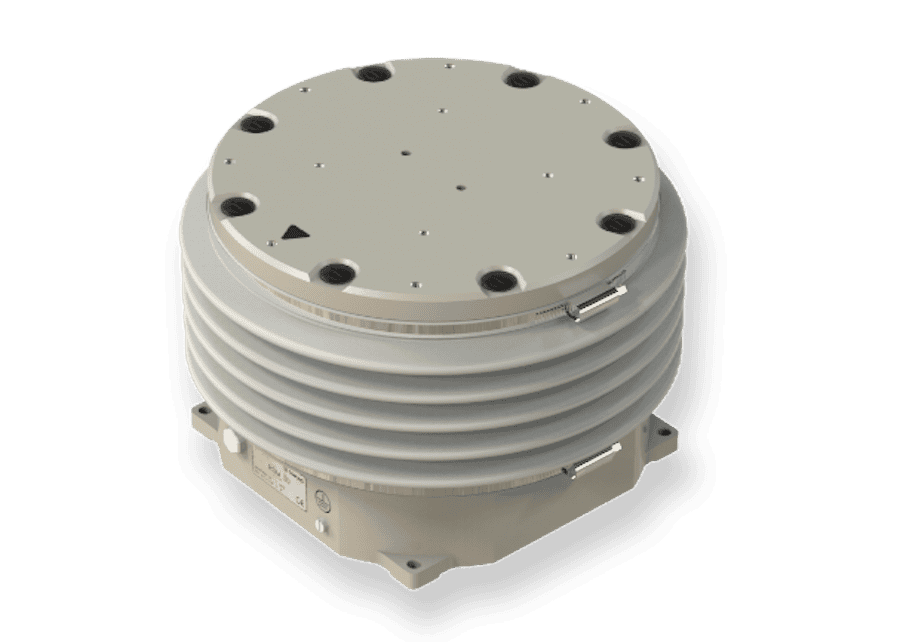
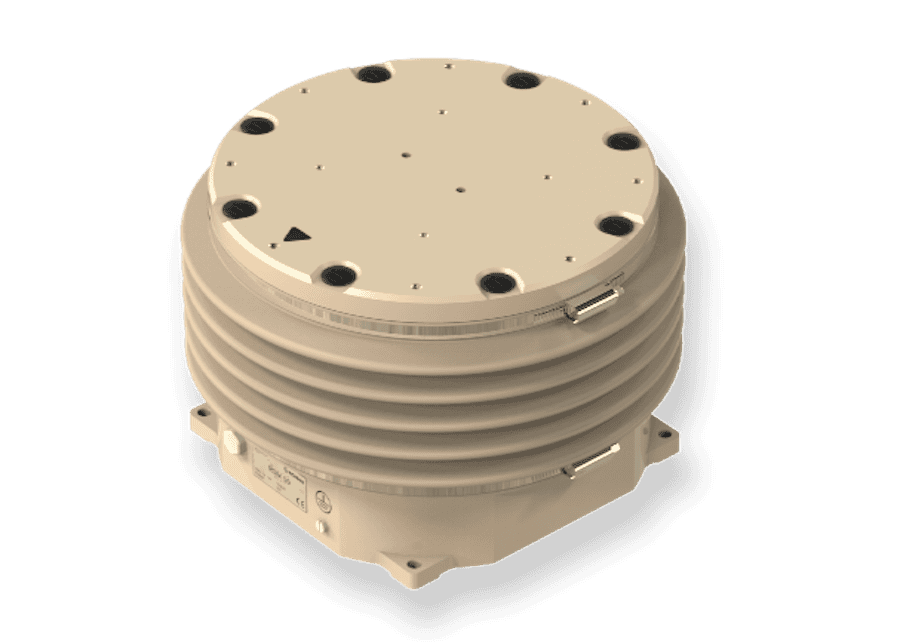
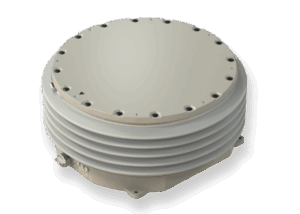
RSM 50 Marine Stabilization Mount by SOMAG AG Jena
Several categories of gyro stabilizers are used in defense systems, varying in form factor, axis range, and integration complexity.
Single-Axis and Dual-Axis Stabilizers: Provide stabilization in one or two directions, typically for simpler systems such as monocular turrets or narrow FOV optics.
Three-Axis Stabilizers: Offer full angular correction for yaw, pitch, and roll; used in complex gimbal systems.
Integrated Gimbal Stabilizers: Combine gyroscopic stabilization with full-motion pan-tilt systems and are often used in camera and sensor payloads.
Gyroscopic Gun Stabilizers: Mechanically or electronically stabilize gun barrels to improve firing accuracy during movement.
Control Electronics: Interpret IMU/gyroscope input and manage response.
Mechanical Interfaces: Mounting hardware and enclosures tailored to platform geometry.
These components are typically ruggedized to meet MIL-STD specifications for temperature, vibration, and environmental exposure.
Key Standards & Military Specifications
Defense gyro stabilizers must comply with a range of industry and military standards, such as:
MIL-STD-810: Environmental engineering considerations and testing.
MIL-STD-461: Electromagnetic interference (EMI) control requirements.
STANAG 4578: NATO standard for video imagery and stabilization.
STANAG 4586: For UAV interoperability, including sensor control and stabilization interfaces.
Meeting these standards ensures cross-platform compatibility, operational reliability, and compliance with procurement protocols.
Comparisons: Gimbal vs Stabilizer
While often used interchangeably, “gimbal” and “stabilizer” serve distinct roles:
Gimbal: A mechanical or electromechanical platform that allows payloads to rotate freely on multiple axes. Often includes pan and tilt functionality.
Stabilizer: The system responsible for maintaining level orientation, typically using gyroscopic and inertial input to compensate for platform movement.
In many military applications, gyro stabilizers are embedded within gimbal systems, combining both functions to operate cameras, sensors, and targeting equipment seamlessly.
Trends in Military Stabilization Technology
Advances in MEMS-based IMUs, real-time sensor fusion, and digital control systems have significantly improved the precision and responsiveness of gyro stabilizers. Emerging trends include:
AI-assisted motion prediction for preemptive stabilization
Miniaturization for UAVs and dismounted systems
Multi-sensor fusion for hybrid stabilization
Enhanced feedback loops with machine vision
These innovations enable greater stability in smaller packages, reducing SWaP (Size, Weight, and Power) while improving performance.
Integration Considerations for Procurement
Procurement specialists should evaluate:
Payload weight and center of gravity
Required degrees of stabilization
Expected environmental stressors
Power and communications interfaces
Compliance with interoperability standards
Custom or modular gyro stabilization systems can be configured to meet specific platform needs while ensuring compatibility with existing control architectures.
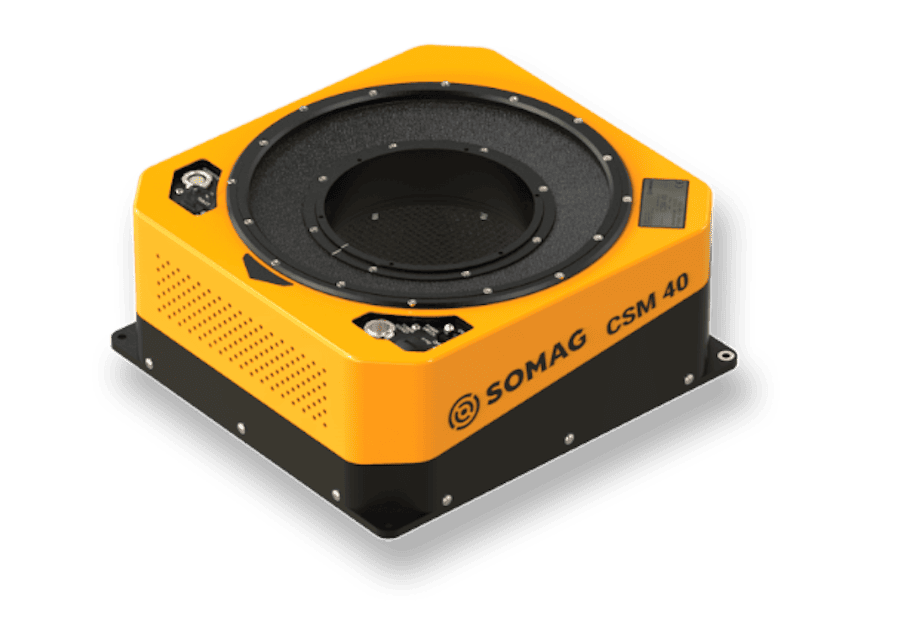
SOMAG has broadened its Passive Vibration Isolation Ring (PaVIR) technology to improve the quality of sensors in rugged naval and land operations and is set to demonstrate these capabilities at DSEI 2025
SOMAG AG Jena’s new RSM 50 stabilizes in real-time movements up to ≤±20.0° in the roll and pitch axis of land vehicles as well as angular movements of boats, ships, unmanned surface vessels and autonomous platforms
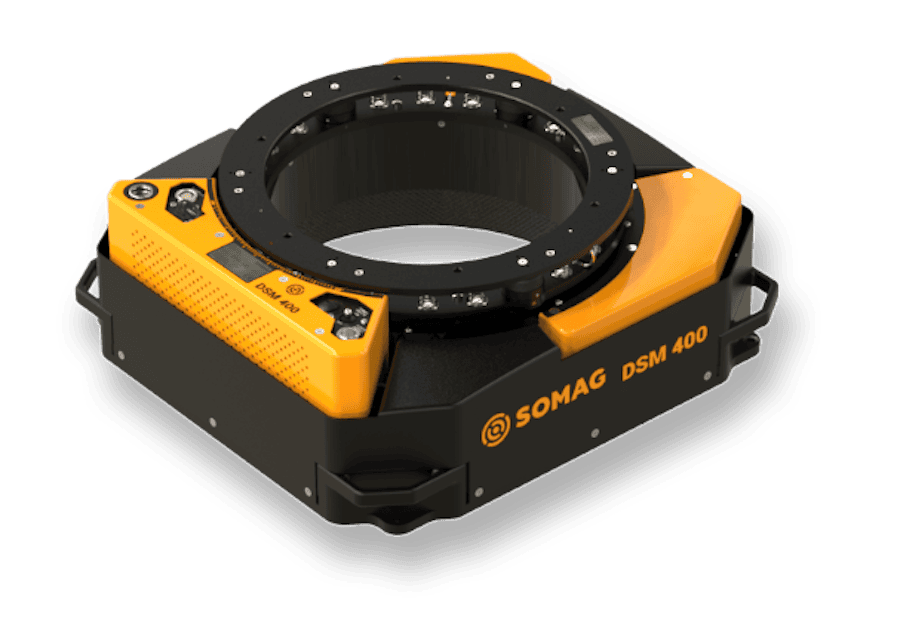
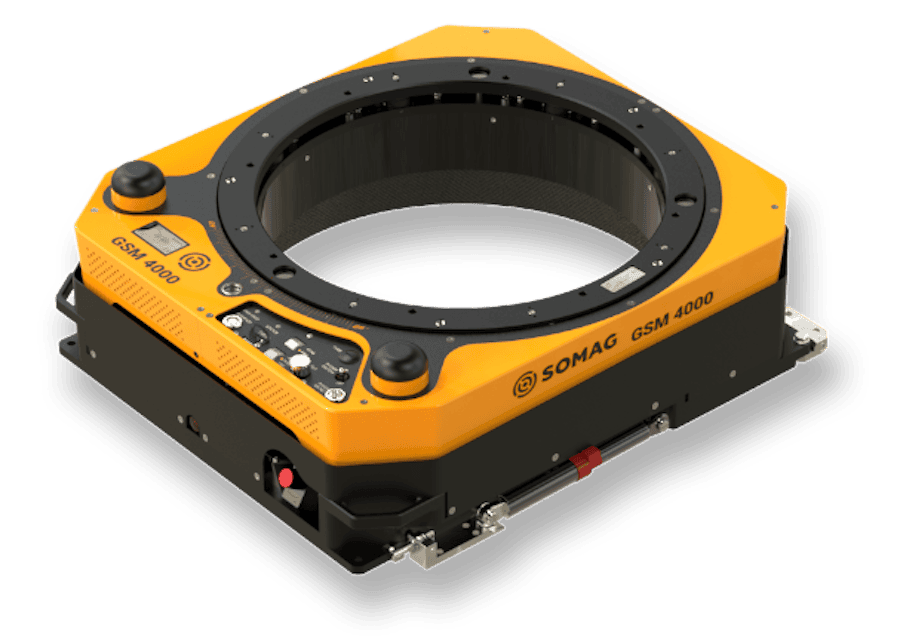
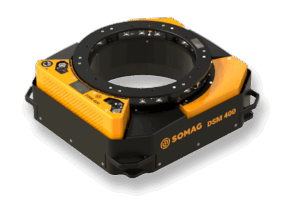
SOMAG’s NSM 400 dual-axis stabilization system delivers roll and pitch compensation of vehicle sensor systems while driving over bumpy terrain in demanding military missions
The latest defense technology news, straight to your inbox.
Get our weekly roundup of technology developments, new products and industry news.
THANK YOU FOR SIGNING UP
Thanks for joining us. Check your inbox.
We've sent you an email. Click the confirmation link to complete your subscription to the weekly eBrief. In the meantime, explore the latest news, suppliers and technologies on DA.
Advancing Defense Capability Through Strategic Collaboration
Defense Advancement works with major OEMs to foster collaboration and increase engagement with SMEs, to accelerate innovation and drive defense capabilities forward.