Showcase your capabilities
If you design, build or supply Ethernet Switch, create a profile to showcase your capabilities and connect with visitors who have an active requirement for your solutions.




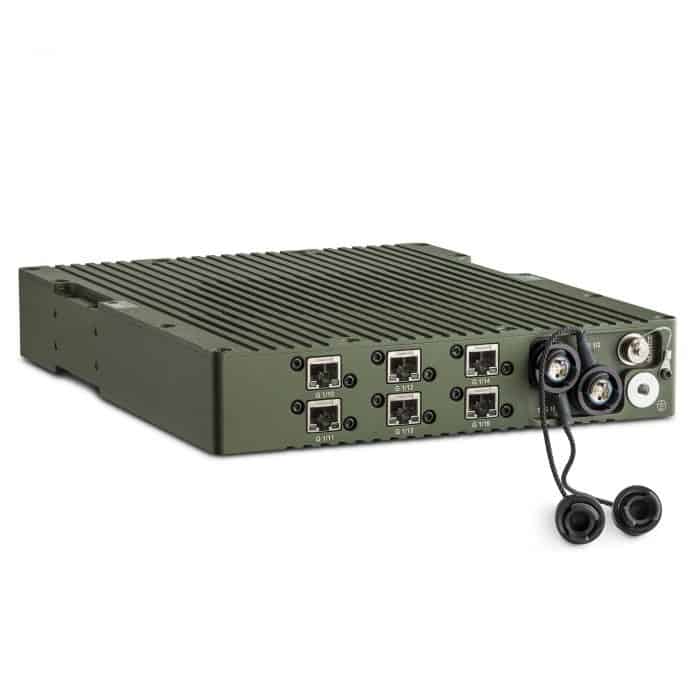
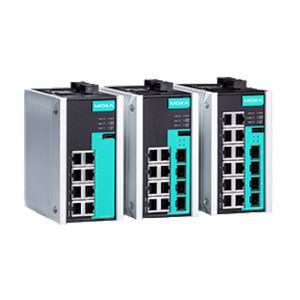
Military spec ethernet switches provide reliable, high-performance network connectivity in demanding environments. These rugged switches are designed to withstand extreme conditions, ensuring secure and efficient data transmission across local area networks in tactical and mission-critical scenarios.
Read the Technology Overview
Rugged Image Processing & Mission-Critical Electronics for Defense Systems

Ruggedized Edge Computing & Networking for Mission-Critical Defense Applications

WE ARMOR IT. MilSpec Electronics & Rugged IT Equipment for Military, Government & Critical Infrastructure

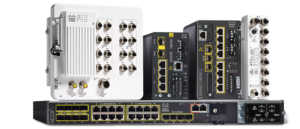
Secure IT Infrastructure & Cybersecurity Solutions for Mission-Critical Defence Operations


Rugged Computing Solutions for Mission-Critical Defense, Homeland Security, Law Enforcement & Emergency Response Applications

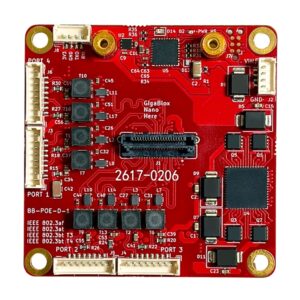
Data Transmission & Network Connectivity Hardware for OEMs of Mission-Critical Drones & Robotics

If you design, build or supply Ethernet Switch, create a profile to showcase your capabilities and connect with visitors who have an active requirement for your solutions.

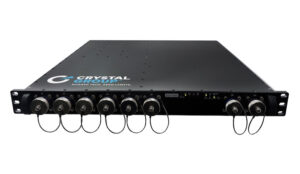
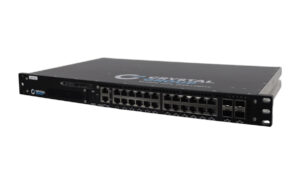
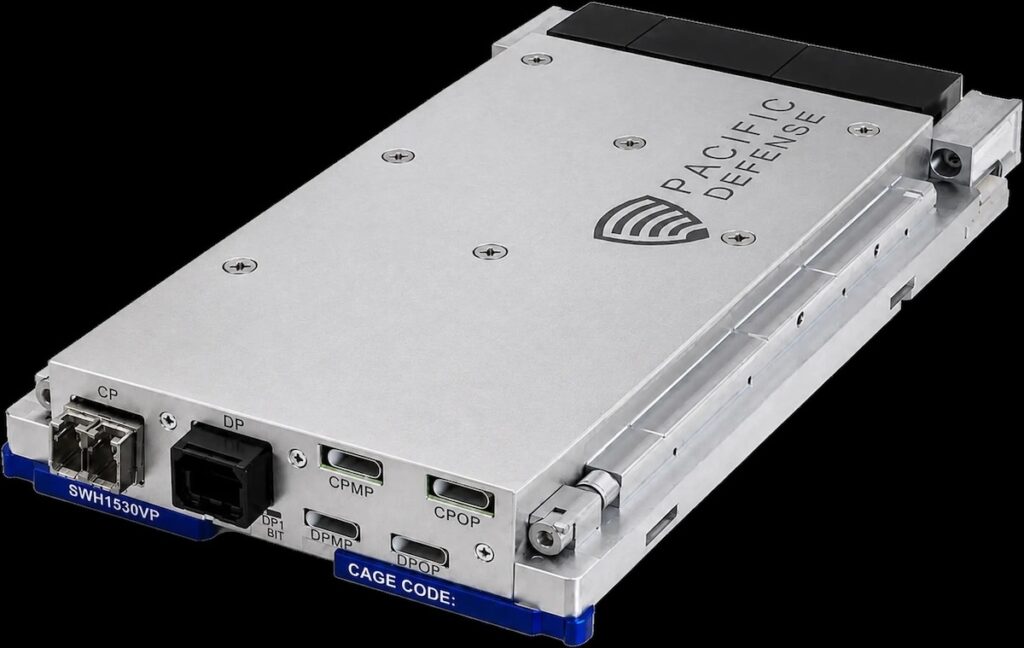
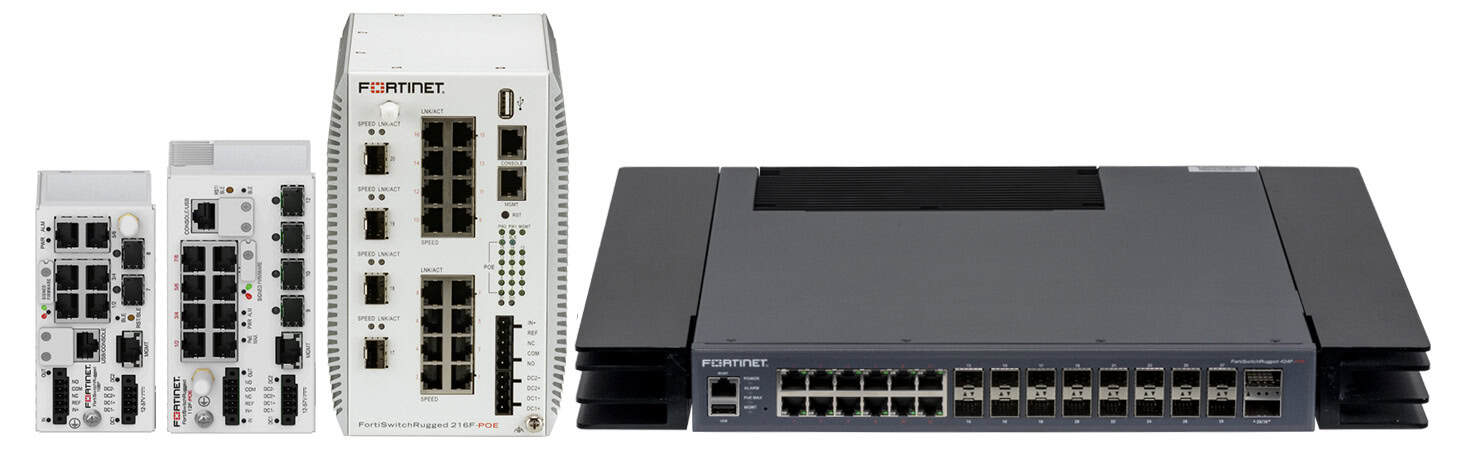
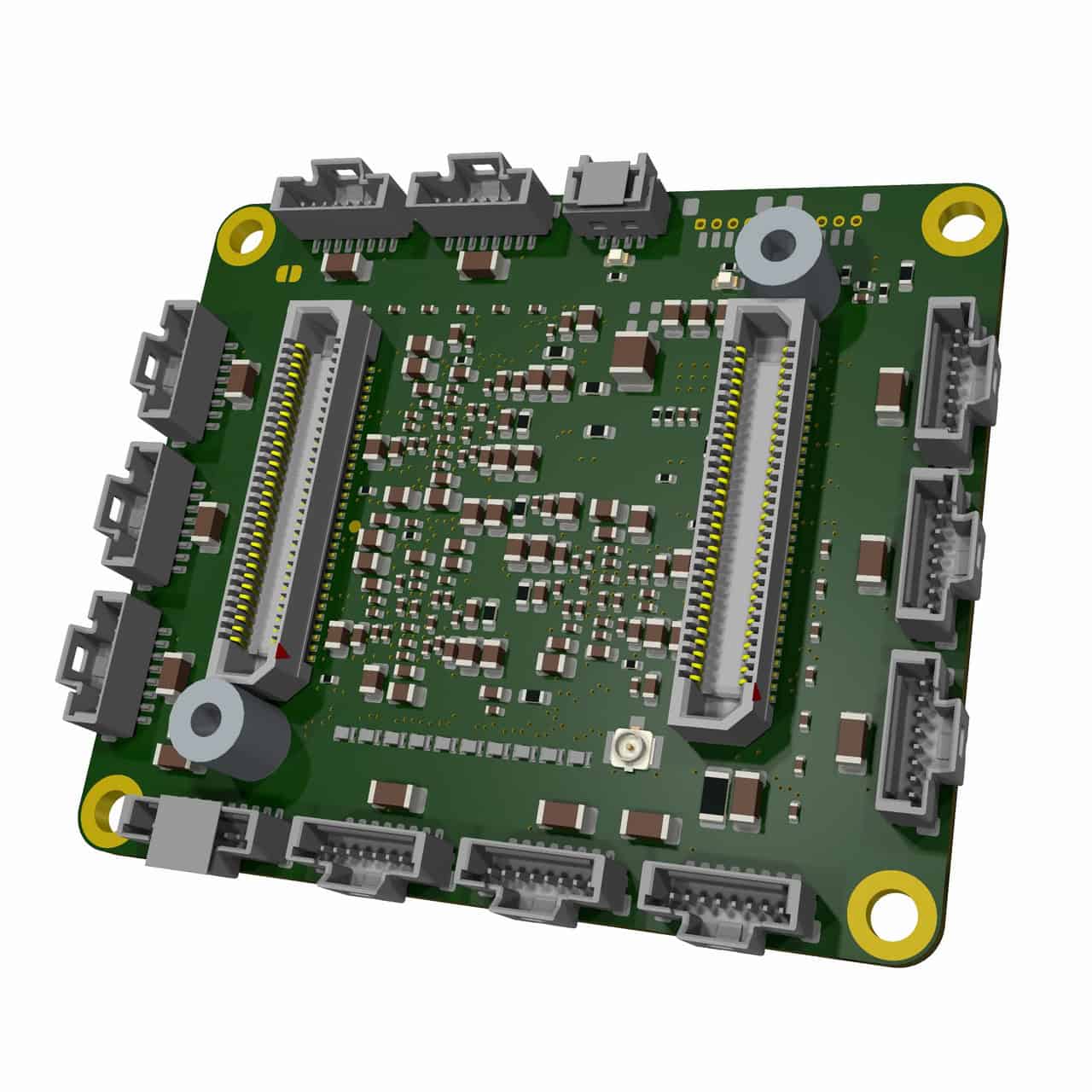
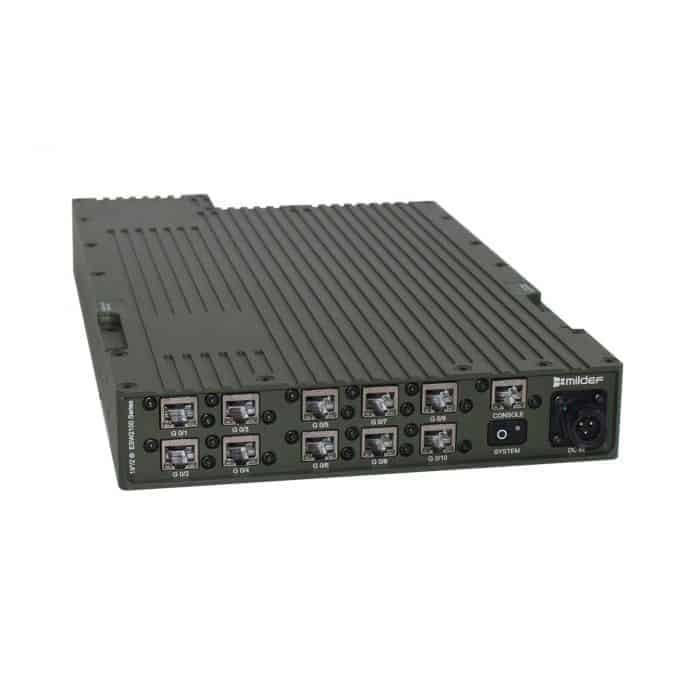
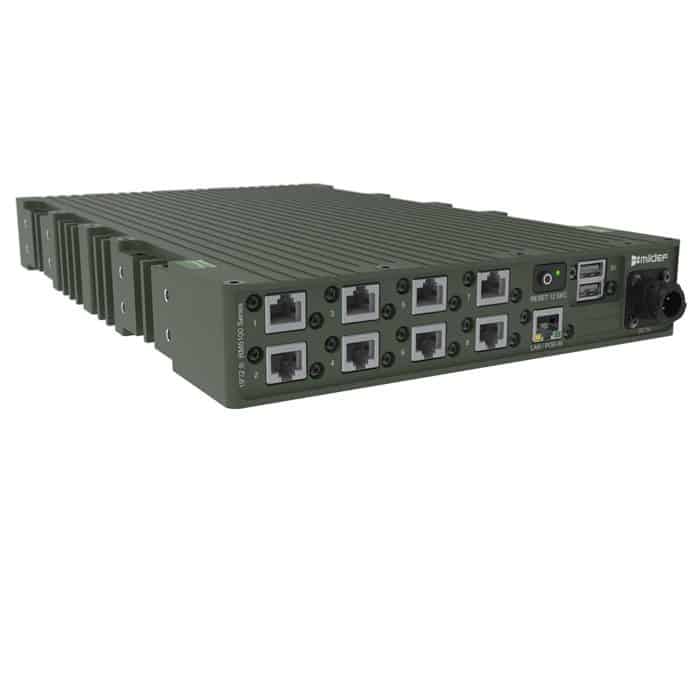
A military Ethernet Switch (or Mil-Spec network switch) is a specialized networking device designed to provide reliable and secure network connectivity in harsh military environments. Military ethernet switches connect multiple devices together on a Local Area Network (LAN), allowing them to communicate with each other, and are typically designed with unique features to meet the requirements of harsh-environment military applications.
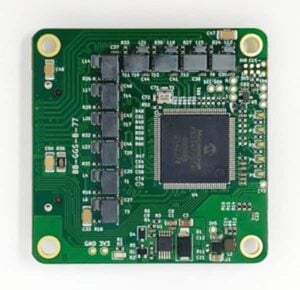
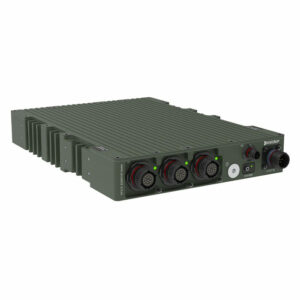
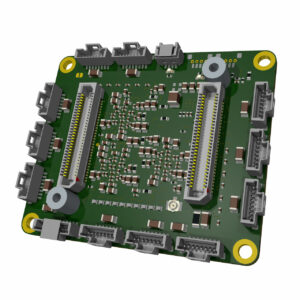
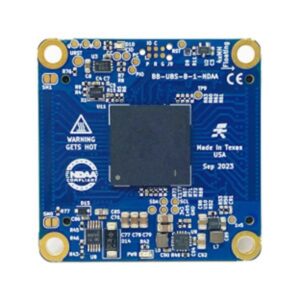
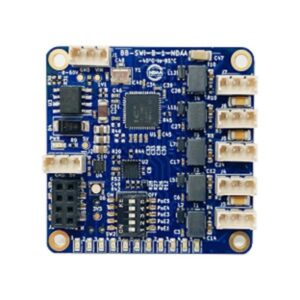
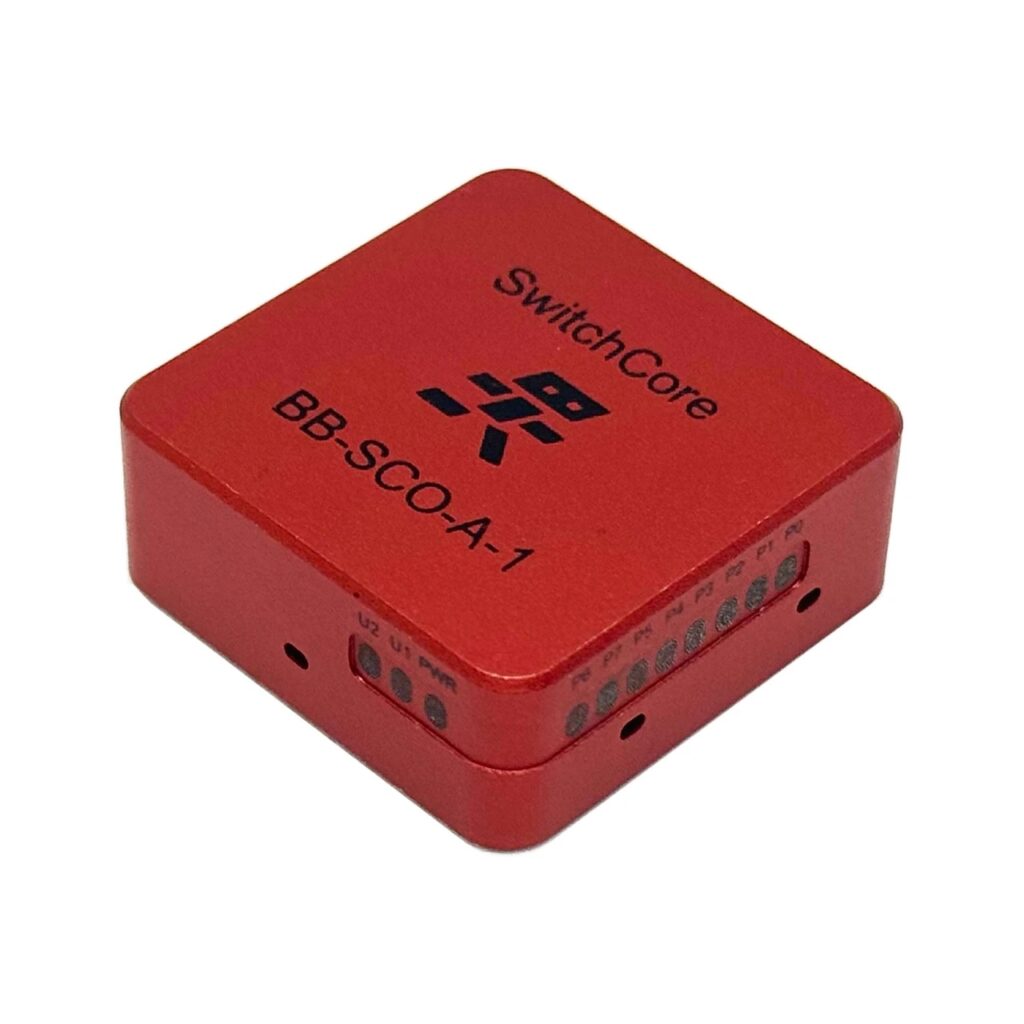
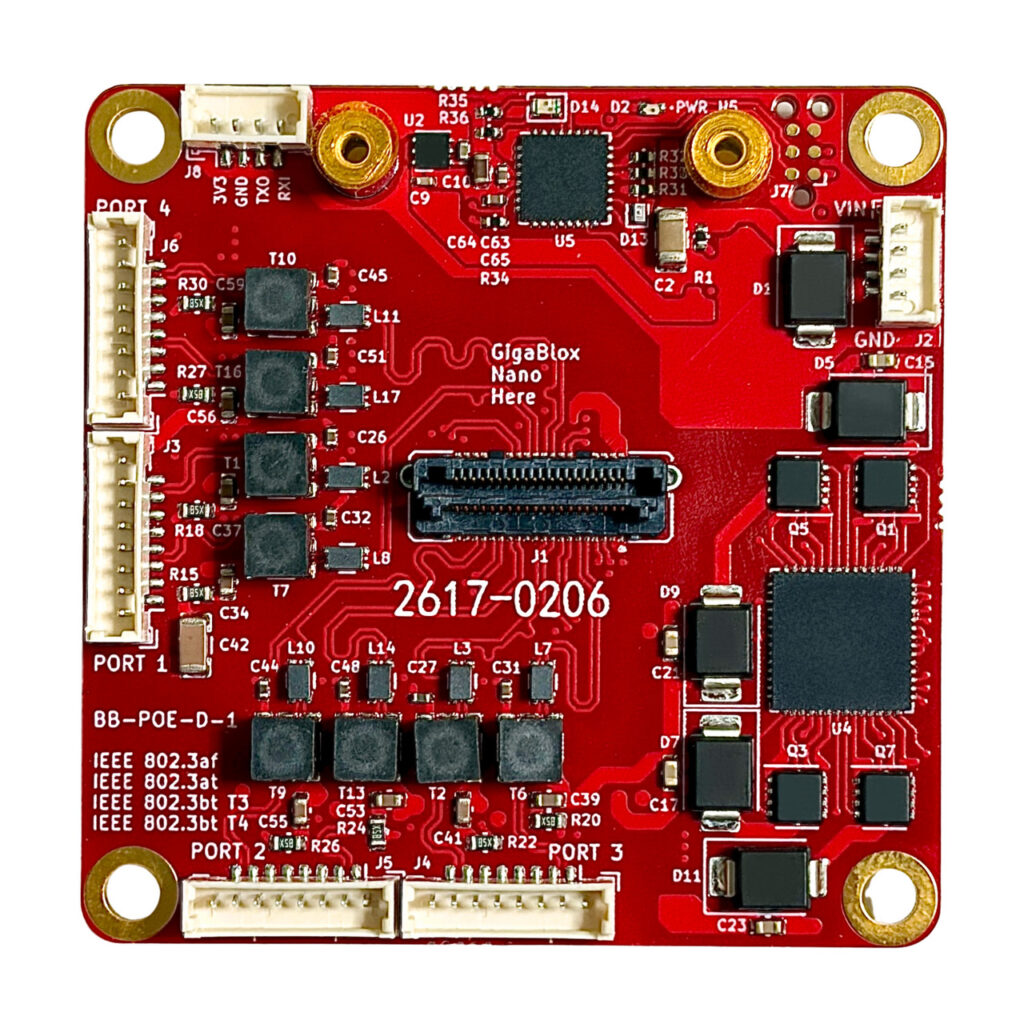
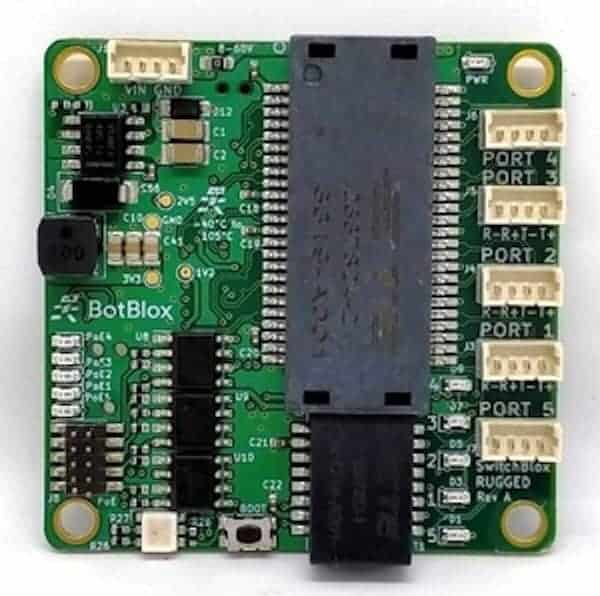
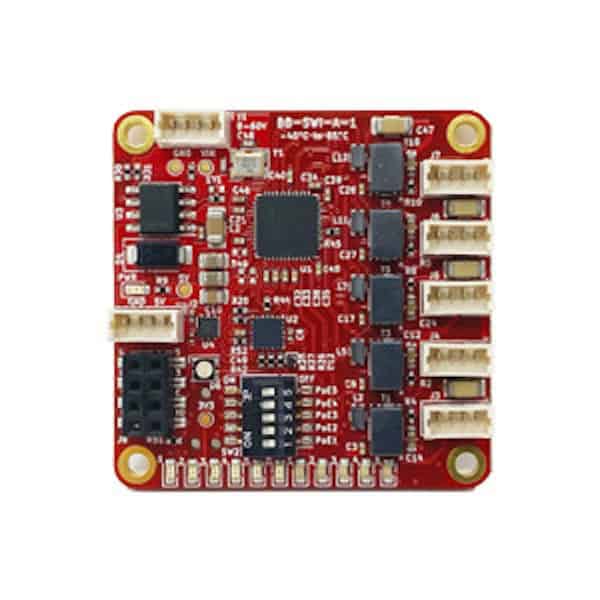
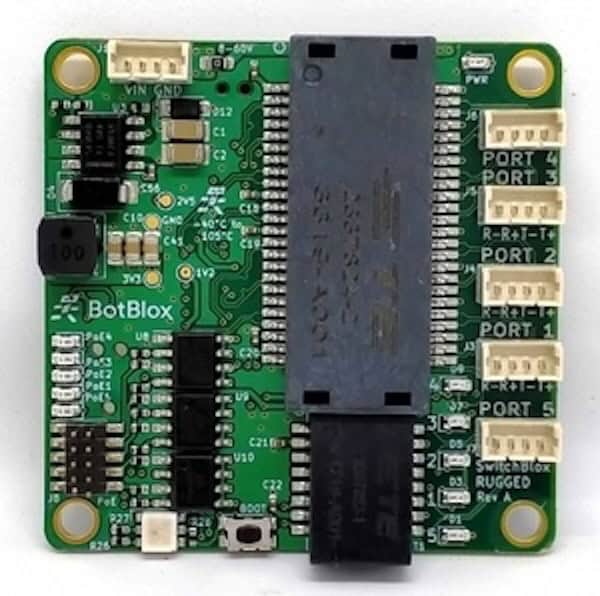
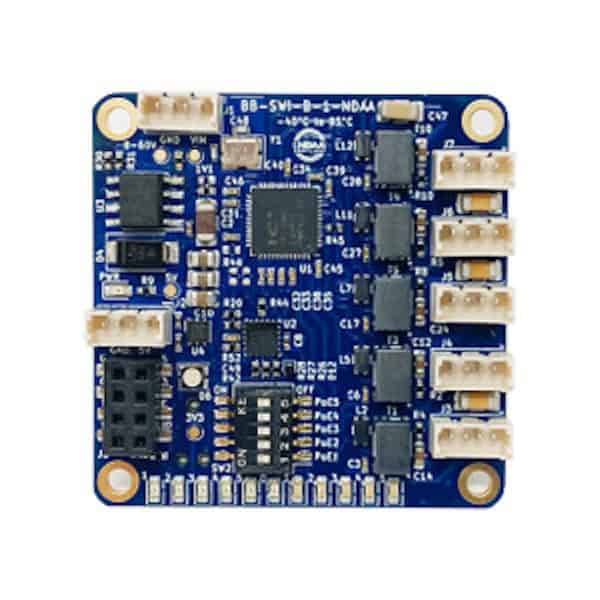
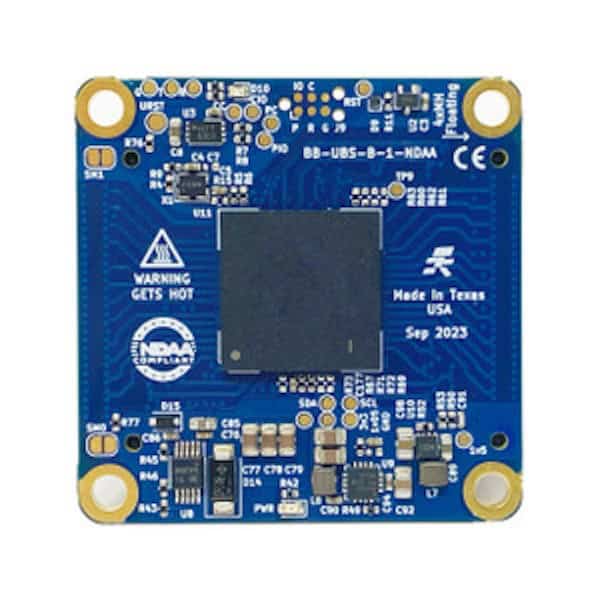
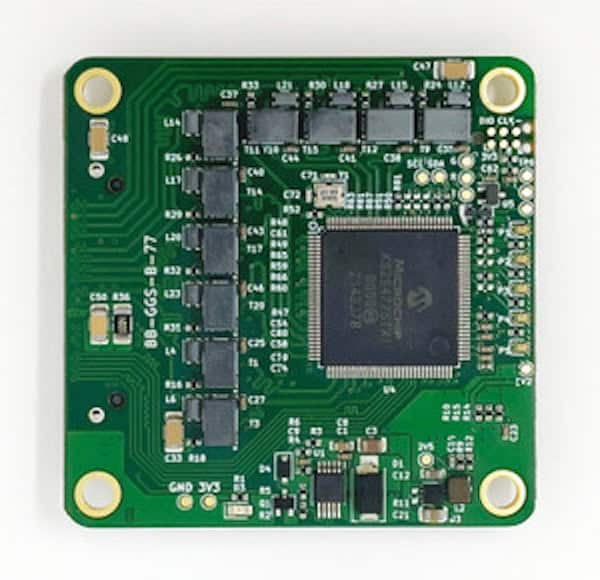
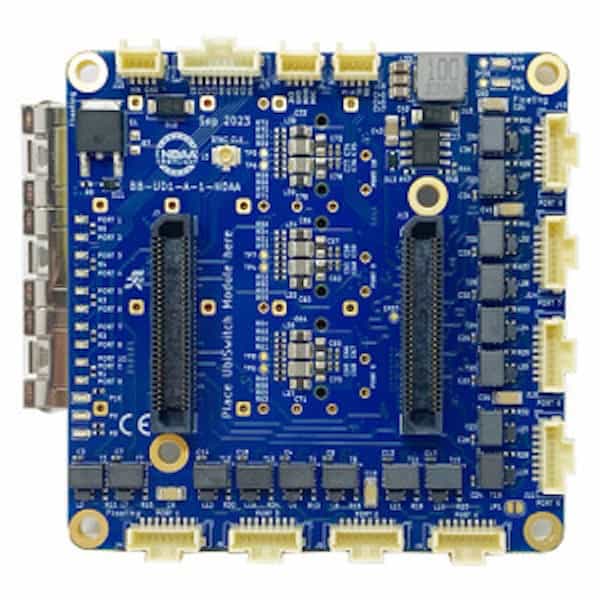
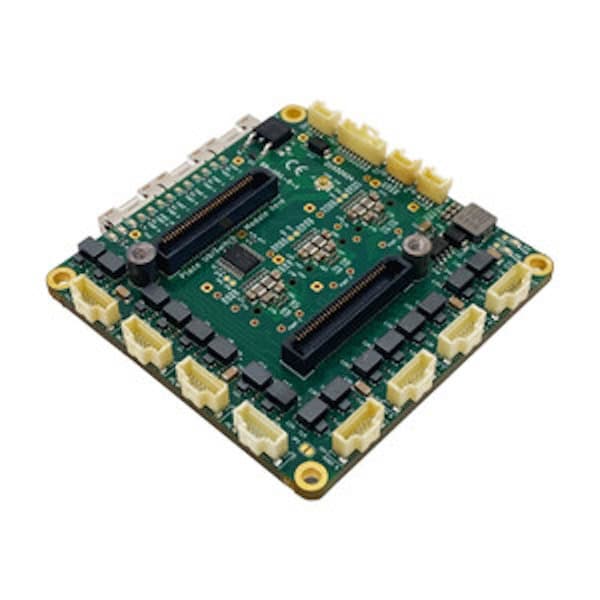
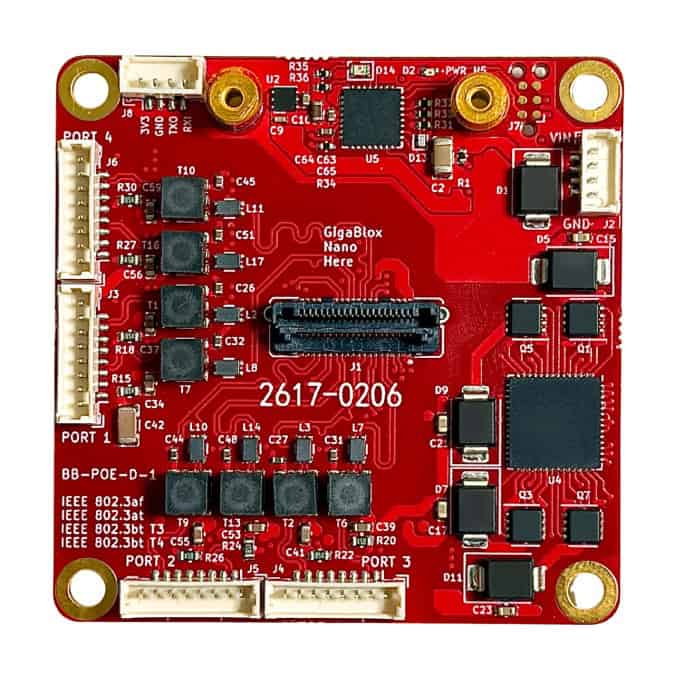
Rugged GigaBit Ethernet Switch by BotBlox
Military Ethernet switches are used in a variety of military applications, including communication systems, command and control centers and ground, sea and air vehicles including Unmanned Aerial Vehicles (UAV / UAS).
Mil-Spec switches are typically designed to operate on low voltage DC power and may include features such as power over Ethernet (PoE) or redundant power supplies to ensure continuous operation. Military ethernet switches and network switches typically support advanced networking protocols such as Quality of Service (QoS) and multicast routing, which are critical to ensure reliable communication in mission-critical applications. The devices are designed to perform reliably in the presence of electromagnetic interference, and typically include advanced security features to prevent unauthorized access and protect sensitive information.
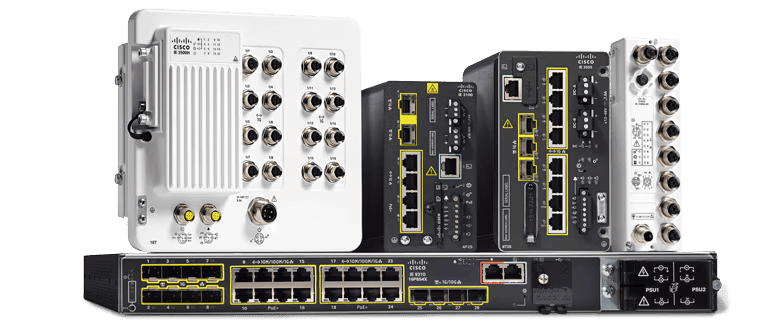
Mil-Grade Ethernet switches are available in several configurations depending on the network architecture, platform requirements, and level of control required. Unmanaged switches provide simple plug-and-play connectivity for smaller or fixed networks, while managed switches allow network operators to configure traffic prioritization, VLANs, port settings, redundancy protocols, and network monitoring functions.
Layer 2 military Ethernet switches are commonly used for local data switching within vehicles, aircraft, naval systems, and command infrastructure. Layer 3 switches add routing capabilities, allowing traffic to be managed between different VLANs, subnets, or network segments. Systems may also include PoE ports for powering connected devices such as IP cameras, sensors, wireless access points, and edge devices, as well as copper or fiber optic ports for short- or long-distance data transmission in EMI-sensitive environments.
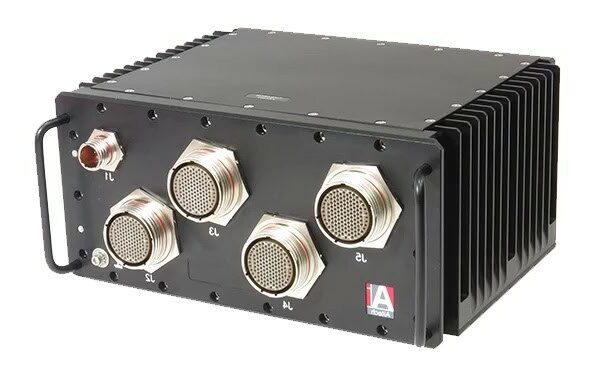
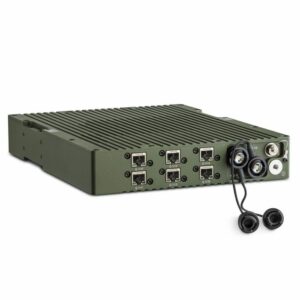
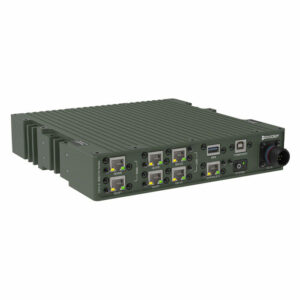
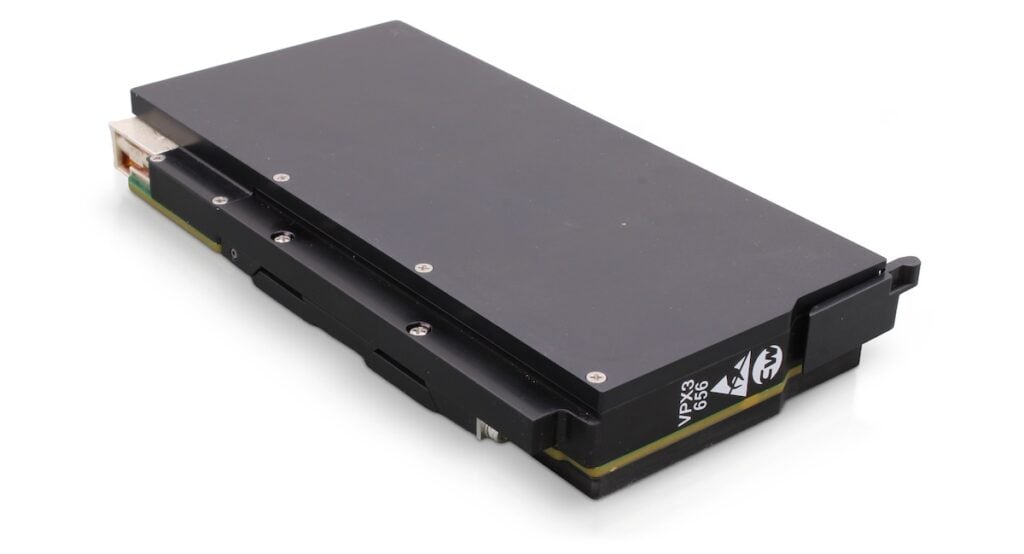
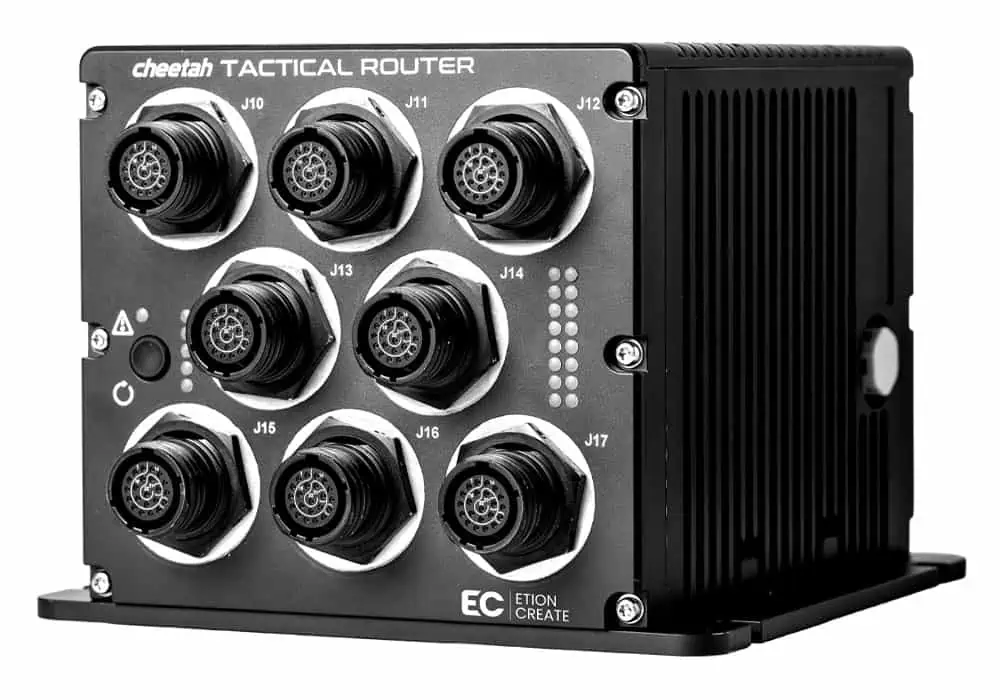
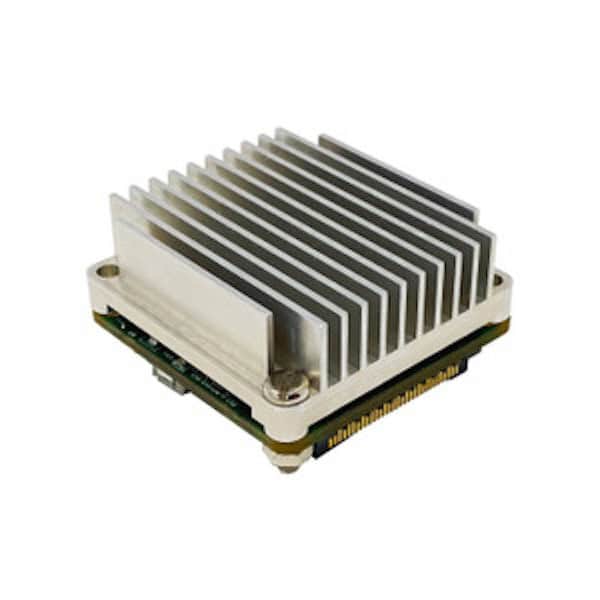
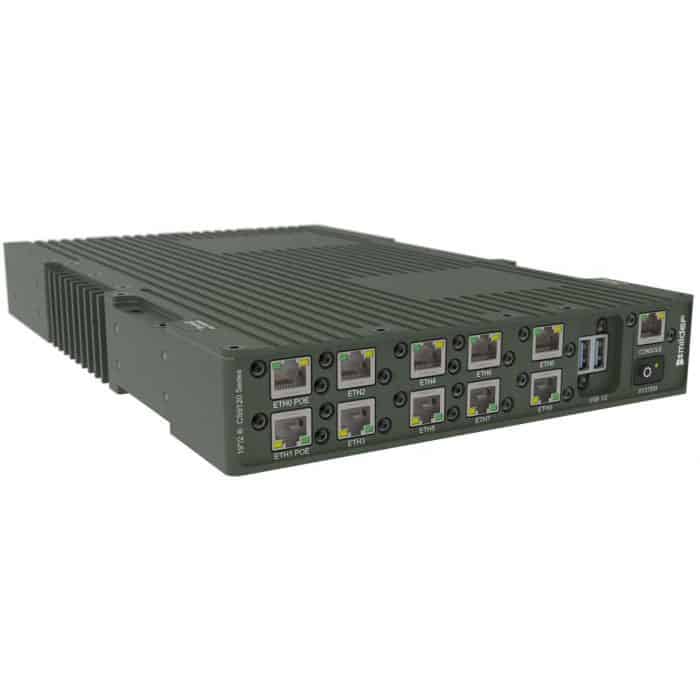
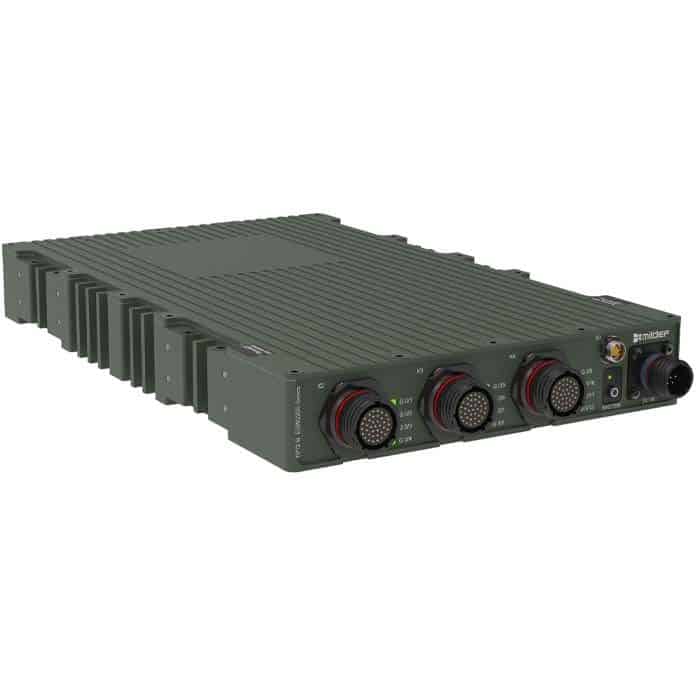
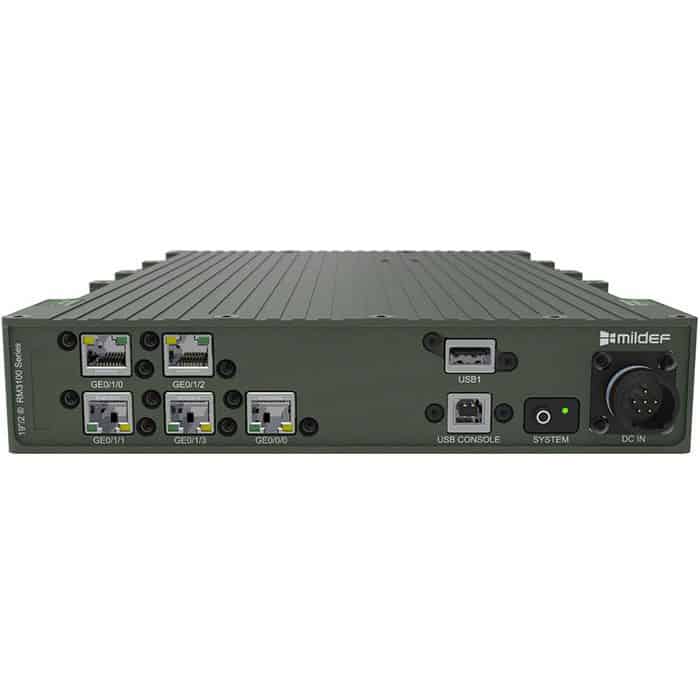
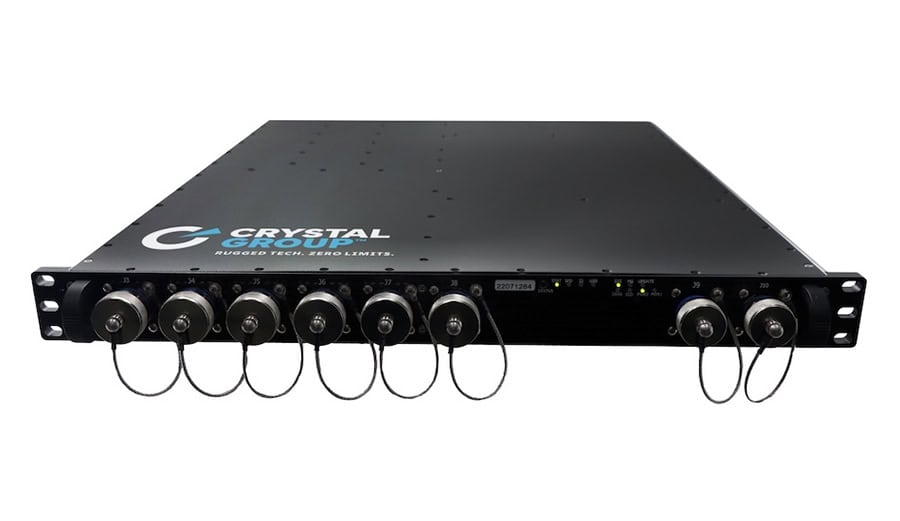
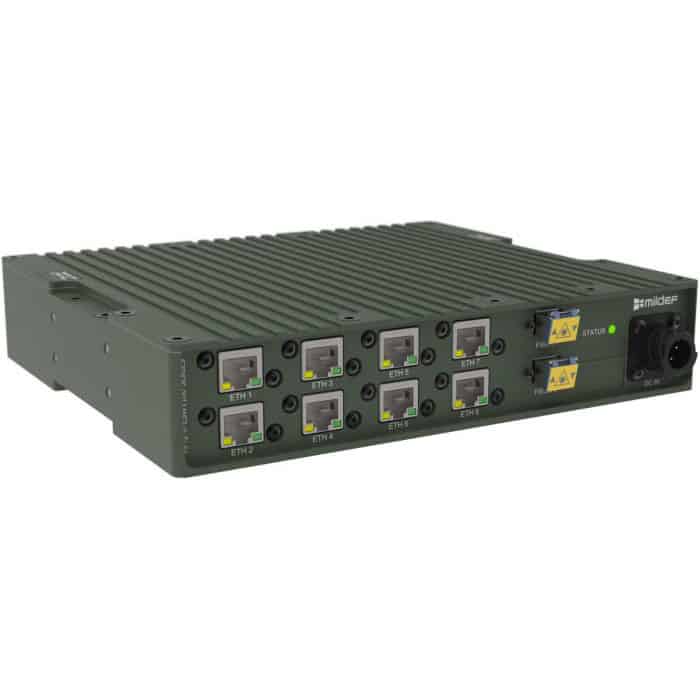
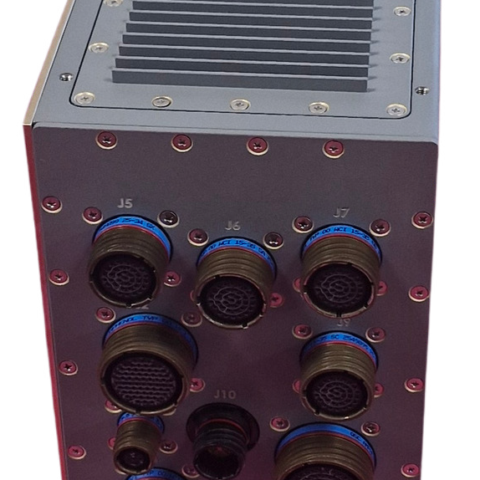
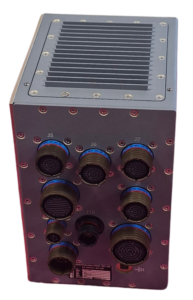
Military ethernet switch in rugged housing by Aitech
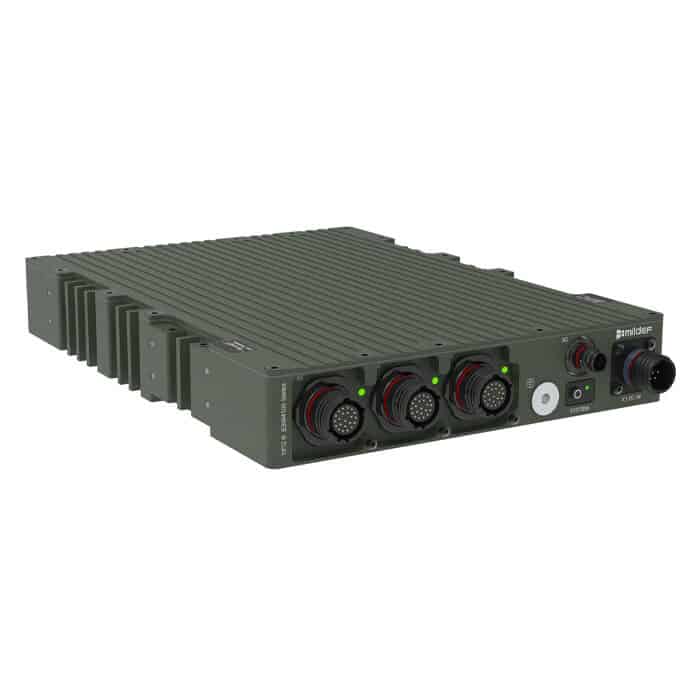
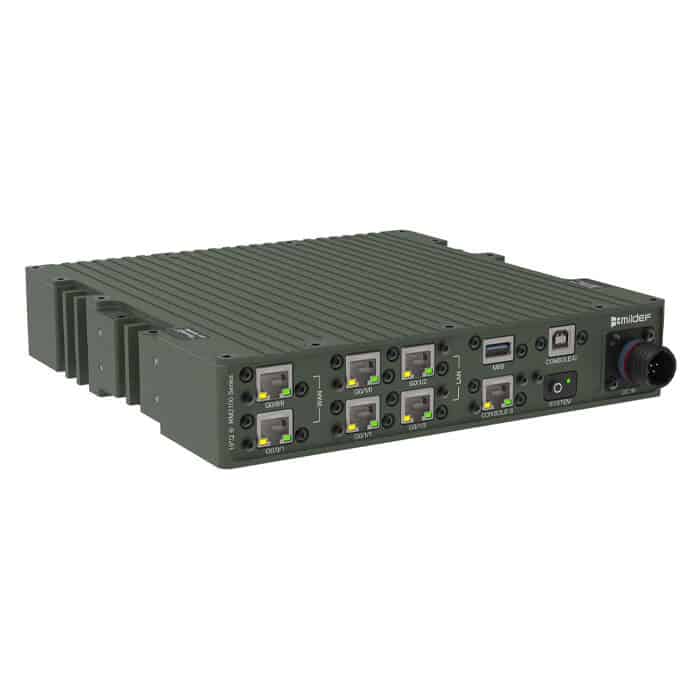
To ensure high reliability, military-grade / Mil-Spec network switches and ethernet switches will often feature ruggedized enclosures, components and connectors, including rugged Ethernet connectors, in order to withstand extreme temperatures, high humidity, shock, vibration and other harsh environmental conditions common in challenging military deployments.
Mil-Spec network switches and military Ethernet switches must meet specific military standards and specifications to ensure their suitability for use in harsh military environments. Common military specifications that military Ethernet switches must meet include:
MIL-STD-810 standard covers environmental testing, including temperature, humidity, vibration, and shock.
MIL-STD-461 standard covers electromagnetic compatibility (EMC) testing, which ensures that the switch can operate in the presence of electromagnetic interference (EMI) from other electronic devices.
MIL-STD-461E standard is an update to MIL-STD-461 that includes additional EMC testing requirements, including radiated emissions and susceptibility testing.
MIL-STD-1275 standard covers power requirements for military vehicles, including input voltage range, transient voltage protection, and power conditioning.
MIL-STD-1553 standard covers data bus communications in military aircraft, including network architecture, electrical characteristics, and protocol requirements.


 Searching Companies & Products