
Showcase your capabilities
If you design, build or supply Level Sensors, create a profile to showcase your capabilities and connect with visitors who have an active requirement for your solutions.




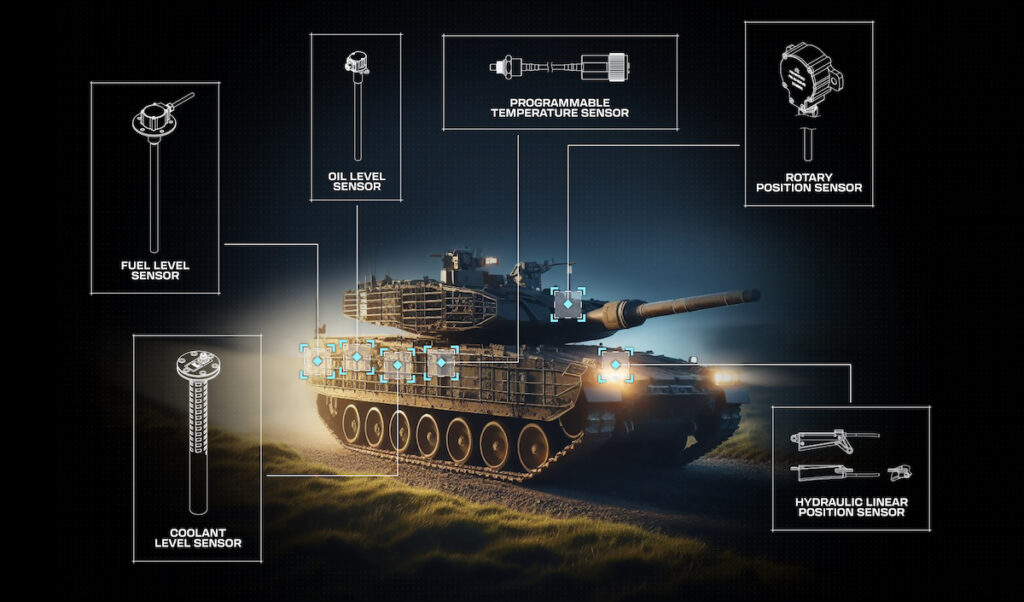
Military level sensor technologies provide real-time monitoring of fuel, oil, coolant, hydraulic fluid, brake fluid, and battery systems across defense vehicles, aircraft, naval platforms, and unmanned systems.
This page showcases leading military level sensor manufacturers, including liquid level sensors supporting predictive maintenance, vehicle health monitoring, and mission assurance across armored vehicles, UAVs, UGVs, rotorcraft, and autonomous systems.
Read the Technology Overview
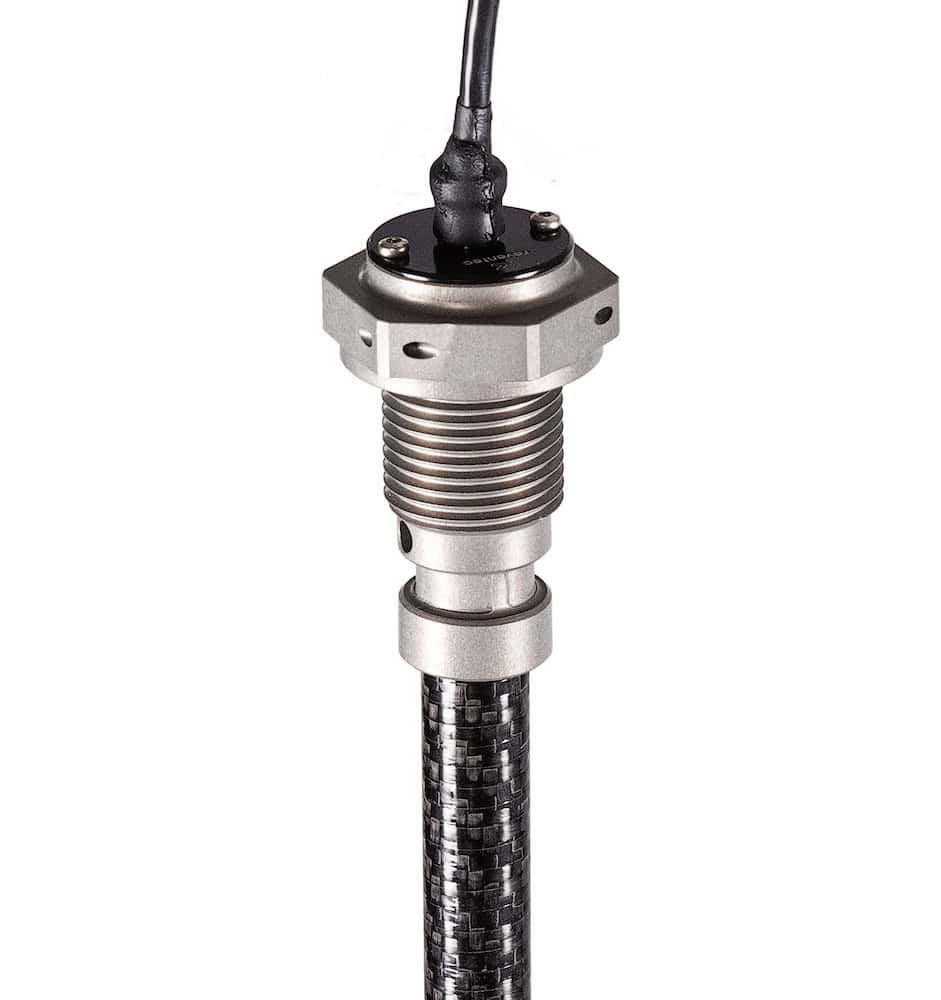
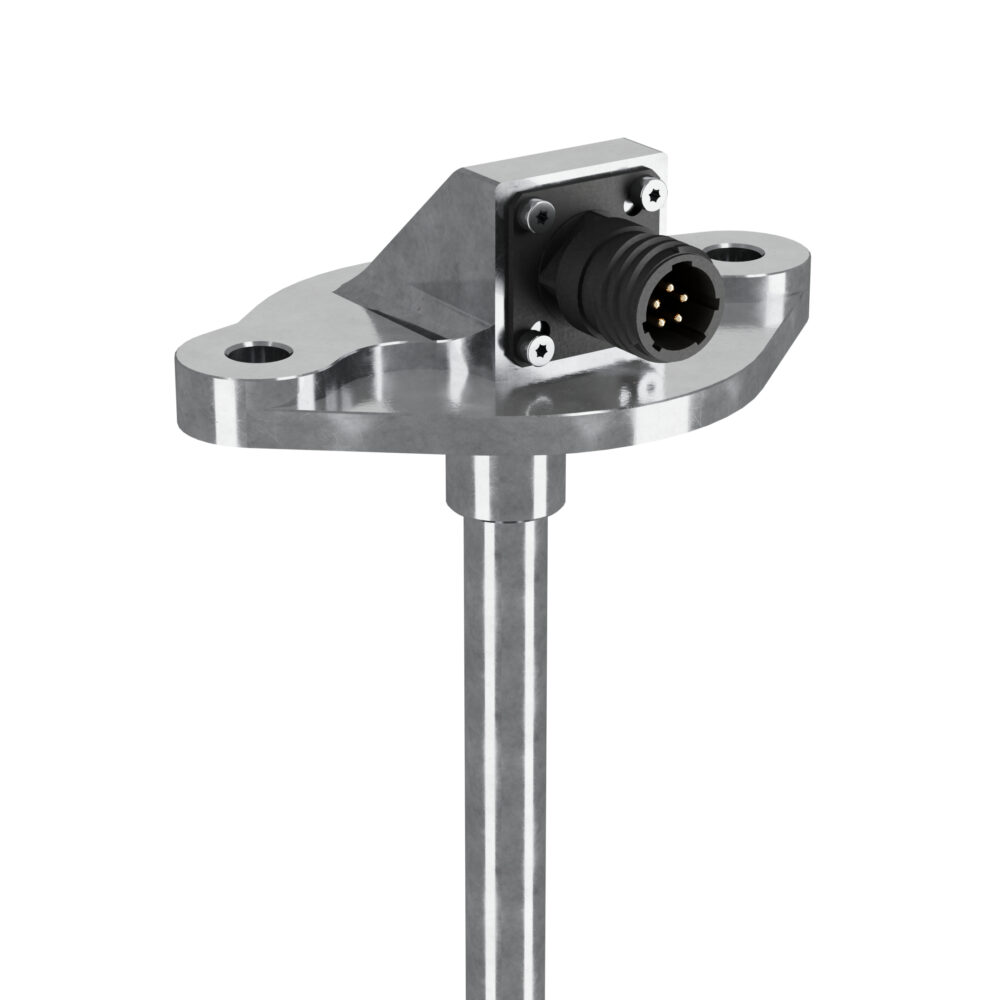

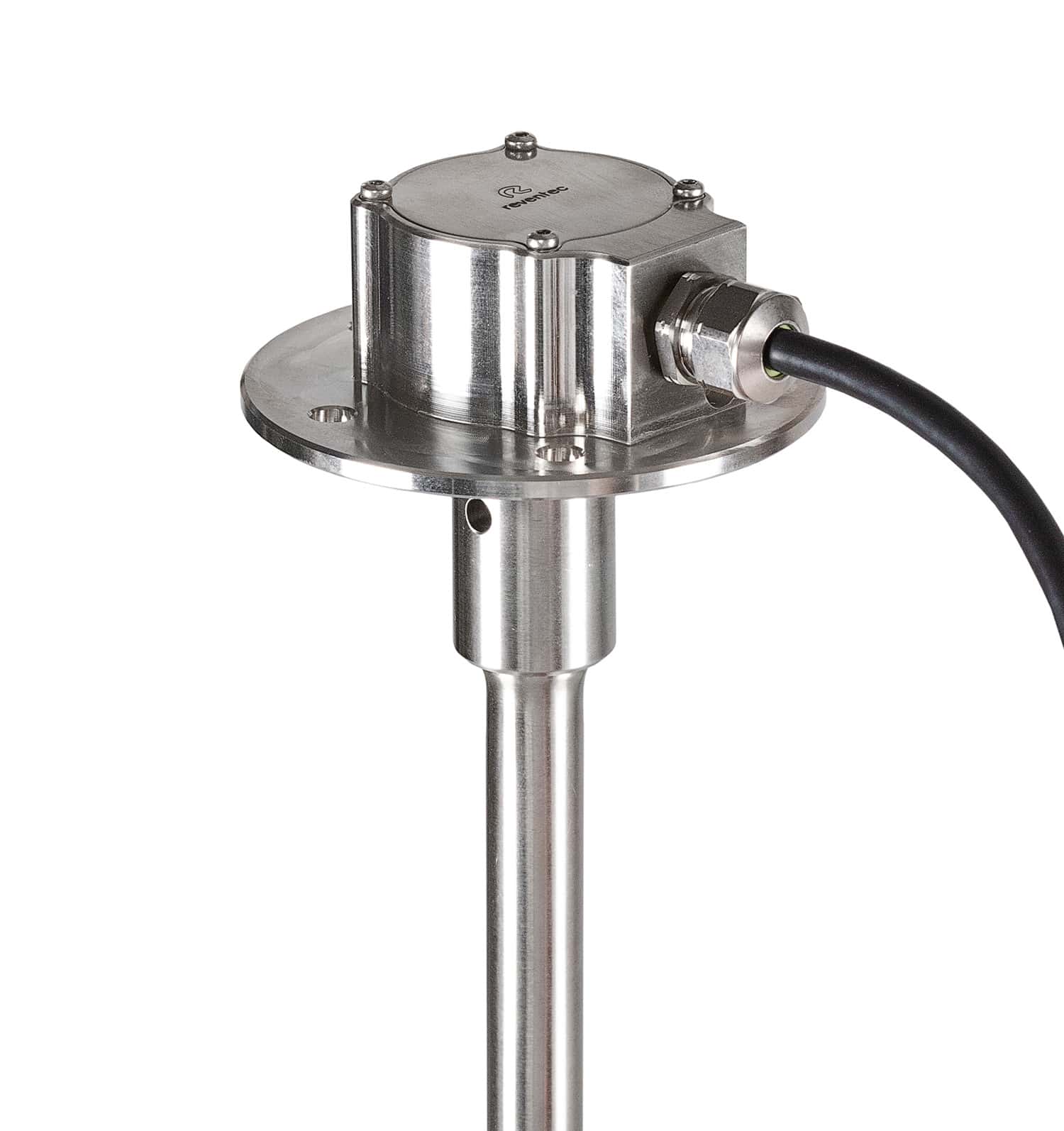
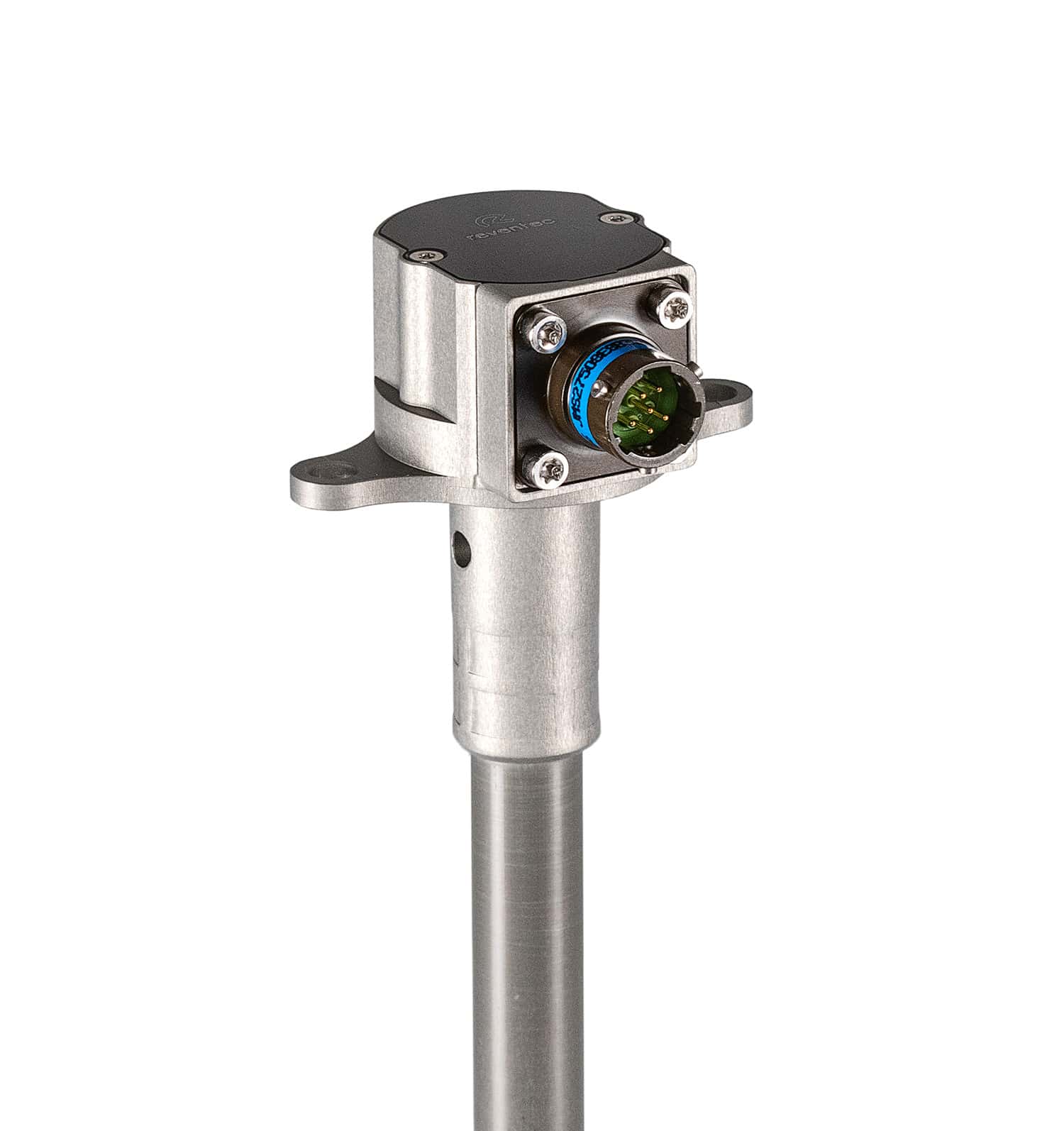
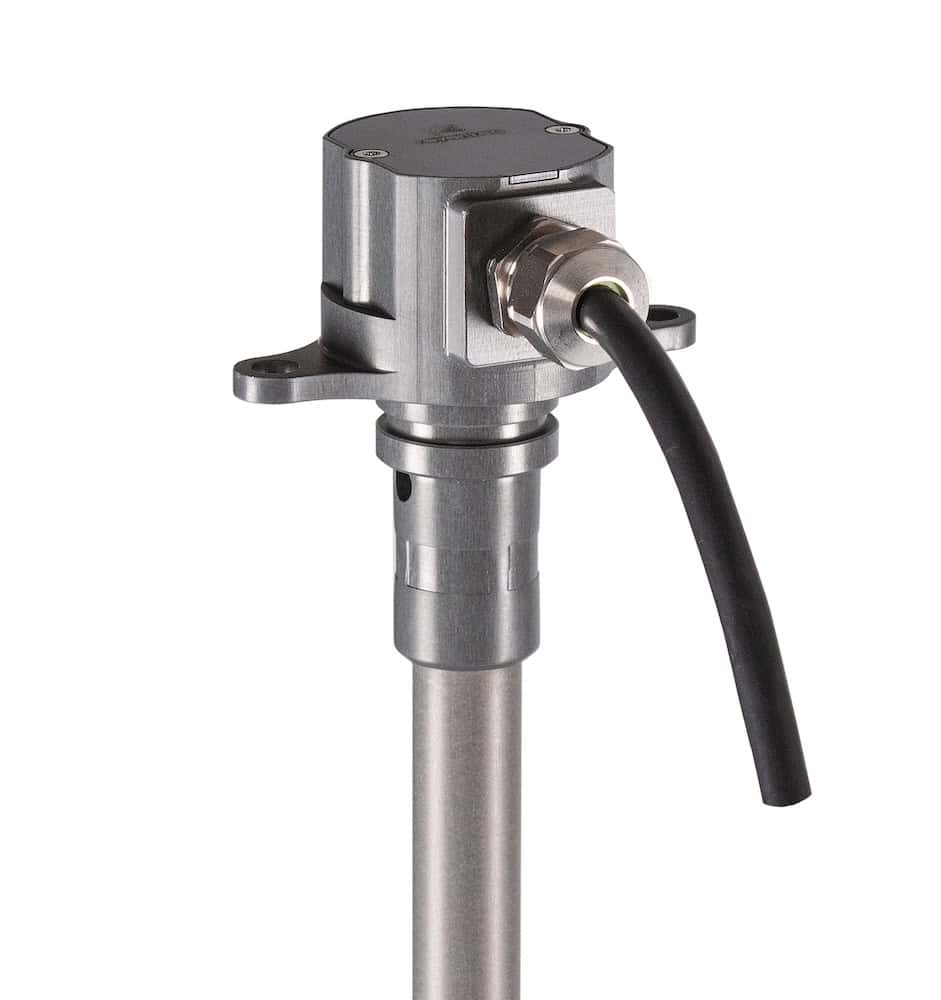

Ruggedized Solid-state Liquid Level, Temperature and Position Sensors for Military Applications

If you design, build or supply Level Sensors, create a profile to showcase your capabilities and connect with visitors who have an active requirement for your solutions.

Level sensors are used throughout military vehicles, aircraft, naval systems, and unmanned platforms to monitor critical fluids such as fuel, oil, coolant, hydraulic fluid, brake fluid, and battery electrolyte. These sensors provide real-time visibility into system status, helping operators maintain platform readiness, safety, and operational reliability.
Unlike commercial sensing technologies, defense-grade fluid level sensors must operate reliably in harsh environments characterized by vibration, shock, temperature extremes, humidity, electromagnetic interference, and prolonged deployment cycles. As modern military systems become increasingly digitized and autonomous, fluid monitoring technologies are becoming an essential component within vehicle health monitoring and predictive maintenance architectures.
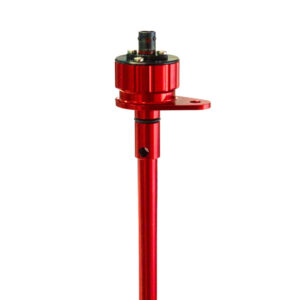
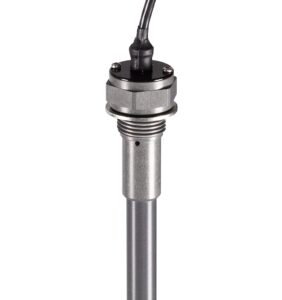
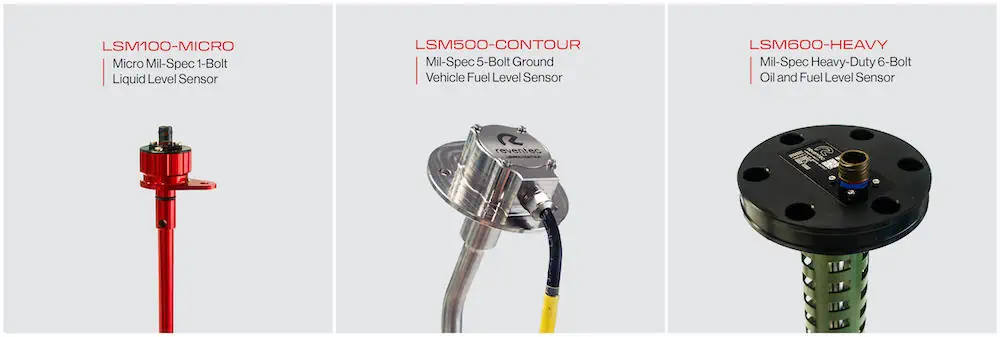
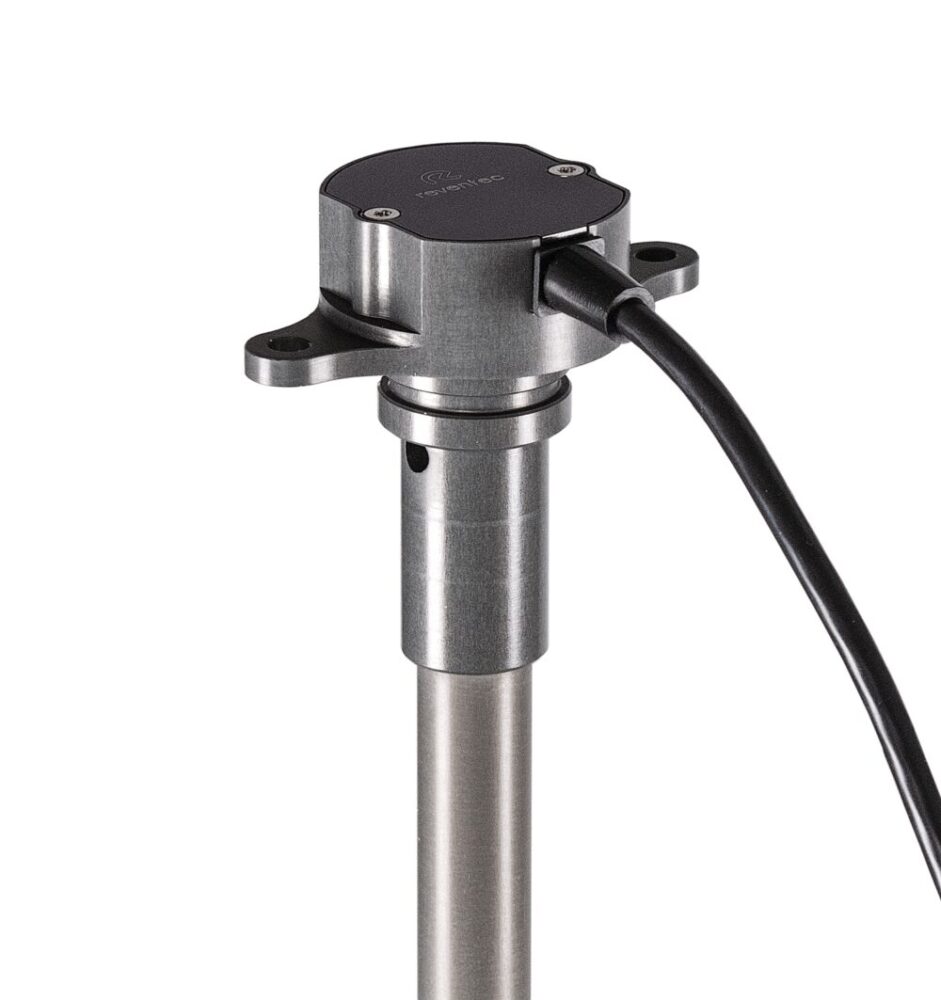
LSM100-MICRO, a micro mil-spec liquid level sensor, from Reventec
Modern military platforms depend on continuous fluid monitoring to maintain mobility, survivability, and operational readiness. Fuel, lubrication, hydraulic, cooling, braking, and battery systems all rely on accurate level sensing to prevent failures, reduce maintenance burden, and support sustained deployment in harsh operating environments.
As defense vehicles become increasingly digitized, autonomous, and electrified, liquid level sensors are also playing a growing role in predictive maintenance and integrated vehicle health monitoring architectures.
Defense-grade level sensors must operate reliably under vibration, shock, thermal cycling, moisture, electromagnetic interference, and prolonged operational stress. Modern systems are increasingly integrated into centralized diagnostics networks, helping operators detect fluid-related issues early while improving fleet availability and mission assurance.
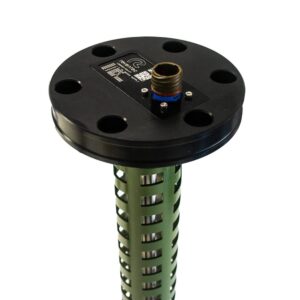
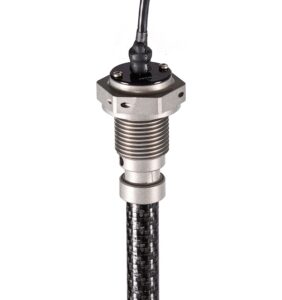
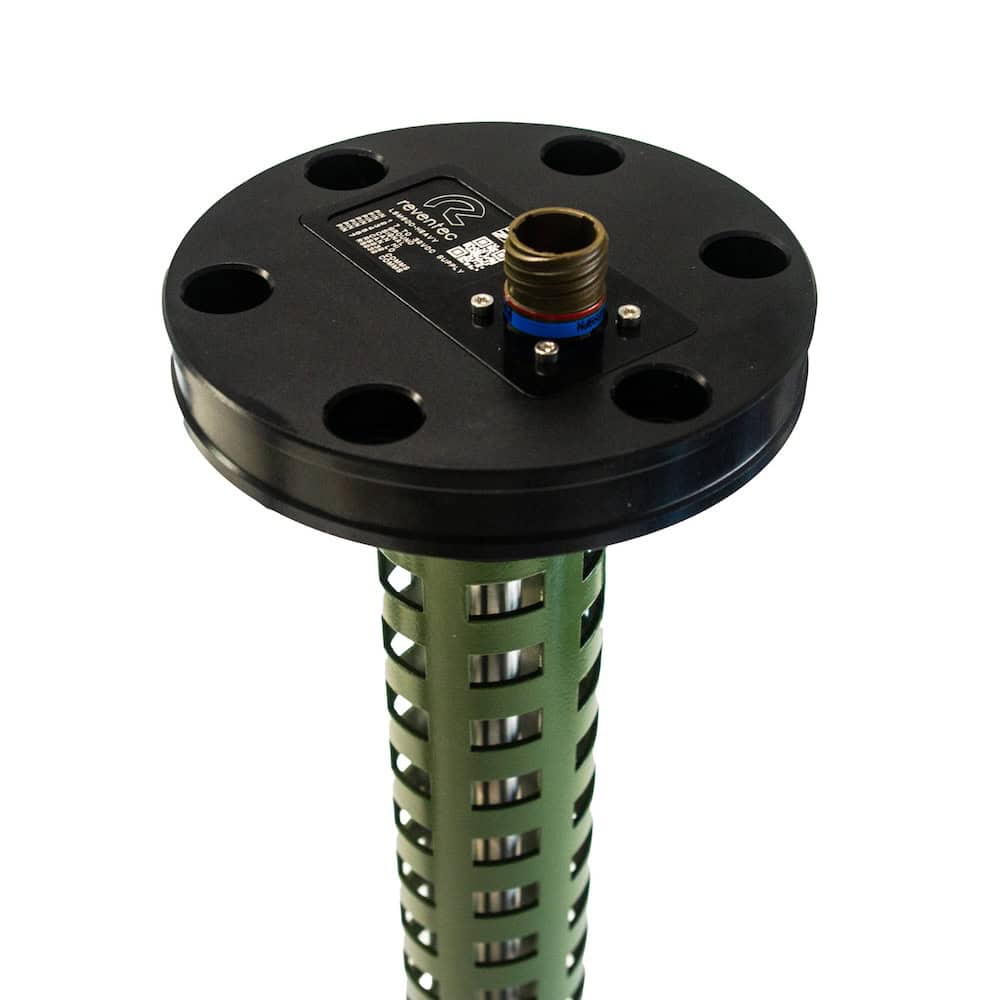
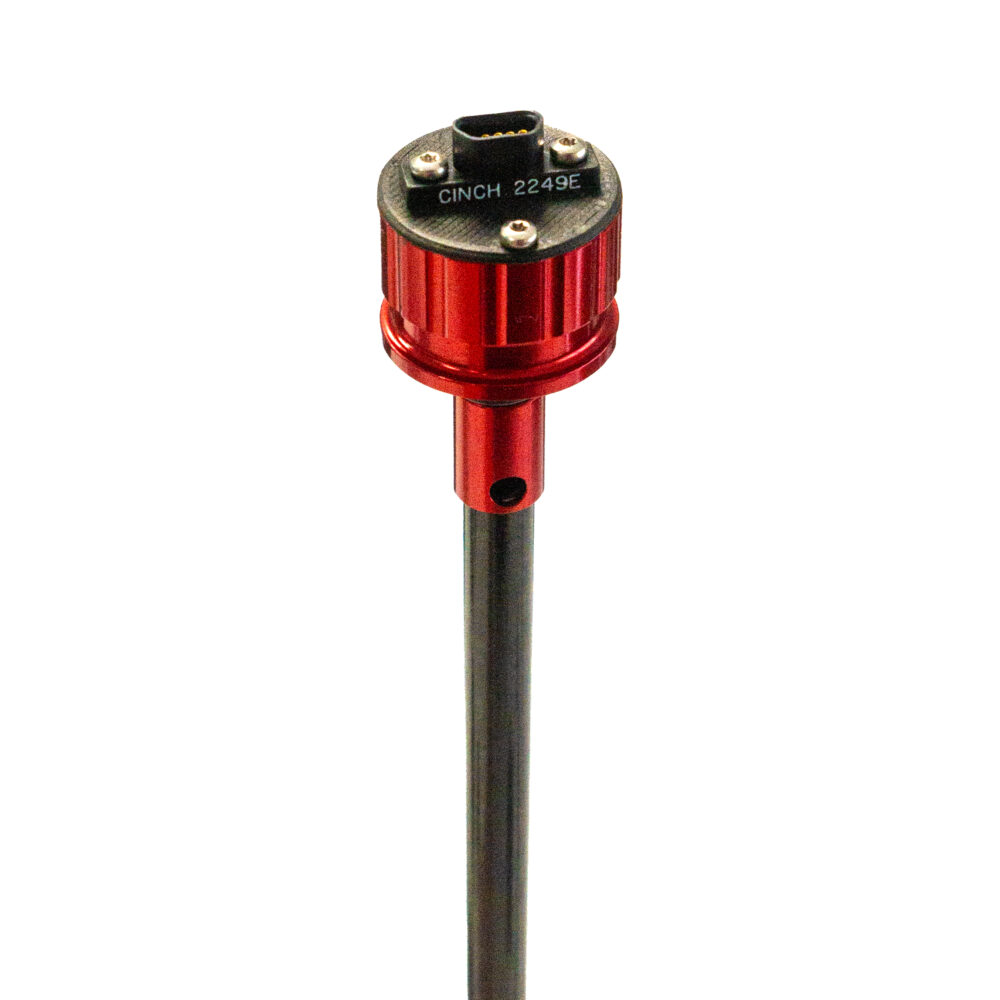
LSM600-HEAVY, an utra-rugged fuel level sensor, from Reventec
Fuel level sensors are widely used across military aircraft, ground vehicles, naval vessels, and unmanned systems to monitor fuel reserves and support mission planning. These systems must provide accurate measurements despite vibration, vehicle motion, turbulence, and fuel slosh effects.
Advanced fuel sensing technologies are often integrated with digital fuel management systems, allowing operators to monitor endurance, optimize logistics planning, and maintain safe center-of-gravity control in aviation applications.
Oil level sensors monitor lubrication systems used within engines, gearboxes, generators, and drivetrain components. Accurate oil monitoring helps reduce wear, prevent overheating, and maintain operational reliability under demanding conditions.
Modern military platforms increasingly integrate oil level sensing into centralized diagnostics and vehicle health monitoring systems to support predictive maintenance and fault detection.
Engine oil level sensors are specifically designed to operate in high-temperature, high-vibration propulsion environments. They provide continuous monitoring of lubrication availability to protect engines from excessive wear or catastrophic failure.
These sensors are commonly integrated into engine control systems and onboard diagnostics architectures used across military land vehicles, aircraft, and marine propulsion systems.
Hydraulic systems are extensively used throughout military vehicles and aircraft for steering, stabilization, suspension, braking, and weapons actuation. Hydraulic oil level sensors help ensure sufficient fluid availability while detecting leaks and abnormal fluid loss.
Reliable hydraulic monitoring is especially important in aviation and combat vehicle applications where hydraulic system failure may directly affect mobility or platform control.
Transmission fluid sensors help maintain gearbox reliability and drivetrain efficiency across tactical and armored vehicles. These systems operate under high mechanical loads and must maintain reliable performance in harsh off-road environments.
Integrated transmission monitoring supports preventative maintenance while helping reduce drivetrain wear and overheating during demanding operational conditions.
Coolant level sensors monitor thermal management systems used to regulate engine, electronics, radar, and power system temperatures. Modern military platforms generate substantial thermal loads that require reliable cooling architectures.
Coolant monitoring is particularly important for high-power systems such as directed energy weapons, AESA radars, and advanced onboard computing systems operating in extreme climates.
Brake fluid level sensors support vehicle safety by monitoring hydraulic brake system integrity. These sensors help detect leakage, fluid depletion, or potential brake system degradation before performance is affected.
Military braking systems experience extreme stress during off-road maneuvering, heavy-load operation, and steep terrain navigation, making reliable fluid monitoring essential for operational safety.
Battery electrolyte level sensors are used to monitor lead-acid and advanced battery systems deployed across military vehicles, backup power systems, and hybrid-electric platforms. These sensors help maintain battery performance, reliability, and operational lifespan.
As electrification increases across defense platforms, electrolyte monitoring technologies are becoming more important within advanced military energy storage and power management systems.
Defense-grade level sensors must withstand the harsh environmental and electromagnetic conditions encountered across military air, land, and naval platforms. These sensing systems are commonly qualified to military standards covering vibration, shock, temperature extremes, humidity, contamination exposure, and electromagnetic compatibility.
Key defense qualification and design considerations include:
Ruggedized housings, sealed connectors, and vibration-resistant electronics help ensure reliable long-term operation within demanding combat and deployment environments.
Level sensors are integrated throughout armored vehicles, tactical trucks, engineering platforms, and logistics systems to monitor fuel, lubrication, braking, cooling, and hydraulic systems.
These sensors support both operational readiness and long-term fleet sustainment strategies.
Military aircraft require highly accurate fluid monitoring technologies capable of operating during rapid maneuvering, vibration, and altitude variation. Sensors are commonly integrated into avionics, propulsion, and flight management architectures.
Fuel quantity monitoring and hydraulic system sensing are particularly important within airborne applications.
Naval platforms require ruggedized sensing technologies capable of resisting corrosion, humidity, pressure variation, and long deployment cycles. Fluid monitoring systems support propulsion, cooling, ballast, and auxiliary power architectures.
Subsea and autonomous maritime systems also increasingly rely on intelligent level sensing technologies for long-duration operation.
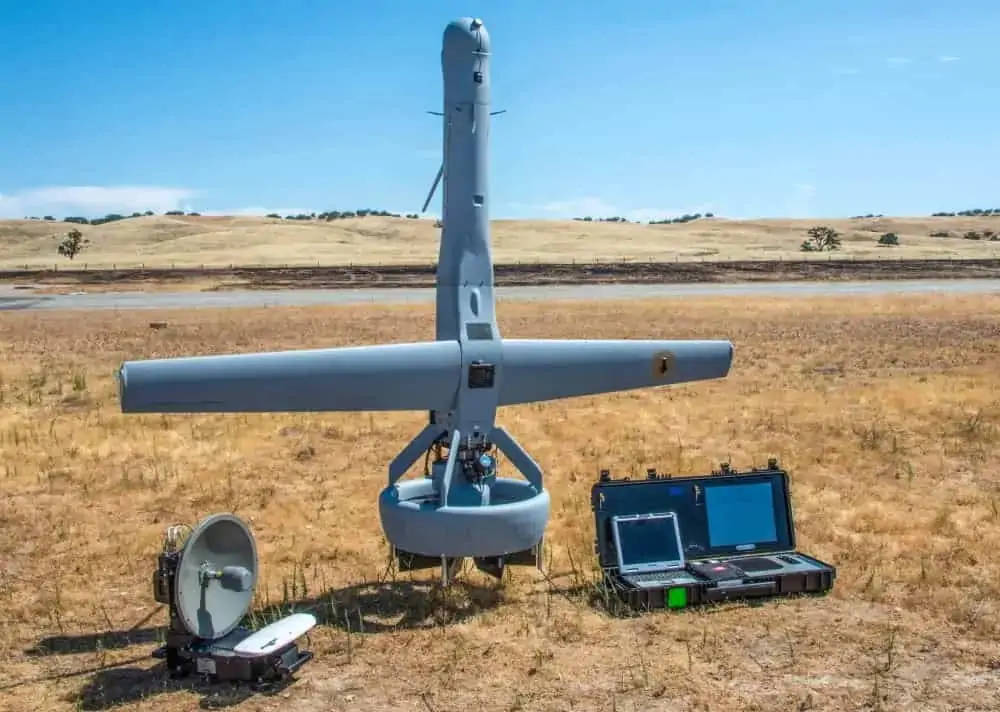
Compact, lightweight level sensors are essential for fuel monitoring in UAVs, thermal management, and propulsion system diagnostics. SWaP optimization is particularly important within smaller unmanned platforms.
Advanced UAV architectures increasingly integrate sensor data into autonomous health monitoring systems.
UGVs rely on integrated sensing technologies to monitor propulsion, cooling, and hydraulic systems during autonomous or remotely operated missions. Reliable fluid monitoring supports mission endurance and reduces the likelihood of unexpected downtime.
As UGV capabilities expand, fluid sensing technologies are becoming more tightly integrated with onboard diagnostics and mission management systems.
Remote and autonomous defense systems depend heavily on automated diagnostics and intelligent monitoring technologies. Level sensors help ensure hydraulic, cooling, and power systems remain operational during extended deployment cycles.
These sensors also support predictive maintenance architectures designed to reduce operator workload and improve system availability.
Modern military platforms are becoming increasingly autonomous, connected, and electrified, driving demand for smarter and more resilient level sensing technologies. Future systems are expected to deliver improved reliability, reduced maintenance burden, and tighter integration with onboard diagnostics and platform management architectures.
Key technology trends shaping the future of defense level sensing include:
As defense systems continue evolving toward fully networked digital ecosystems, level sensors will increasingly function as intelligent monitoring nodes supporting vehicle health management, survivability, and operational readiness.


 Searching Companies & Products