

Showcase your capabilities
If you design, build or supply Accelerometers, create a profile to showcase your capabilities and connect with visitors who have an active requirement for your solutions.



Military-spec accelerometers provide precise acceleration and vibration measurements for navigation, guidance, and structural monitoring. This page showcases leading military accelerometer suppliers and manufacturers for rugged, high-performance sensors that meet strict military standards across air, land, sea, and space platforms.
Read the Technology Overview
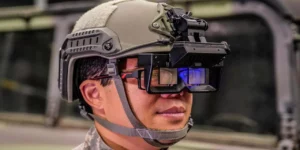
Advanced Solutions for Defense Modernization: Propulsion, Sensors, Communication & Augmented Reality Systems

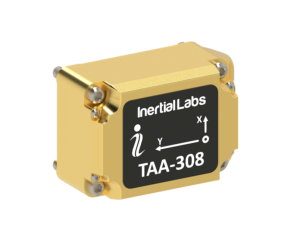
Tactical Grade IMU, GPS/INS, Weapon Orientation Solutions

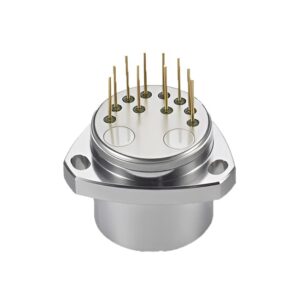
High-Precision MEMS, Quartz & FOG Inertial Sensing Systems for Military, Aerospace & Defense Applications


MEMS Inertial Sensors, Gyroscopes & Accelerometers for Inertial Guidance, Control & Stabilization

If you design, build or supply Accelerometers, create a profile to showcase your capabilities and connect with visitors who have an active requirement for your solutions.

Military-spec accelerometers are precision-engineered inertial sensors that measure linear acceleration and vibration in defense platforms.
Designed to meet stringent military standards, these components are integral to mission-critical systems such as missile guidance, inertial navigation, weapons testing, and platform stabilization. Defense organizations rely on accelerometers for high reliability, environmental durability, and consistent performance across dynamic conditions.

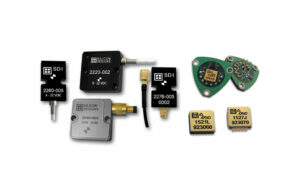
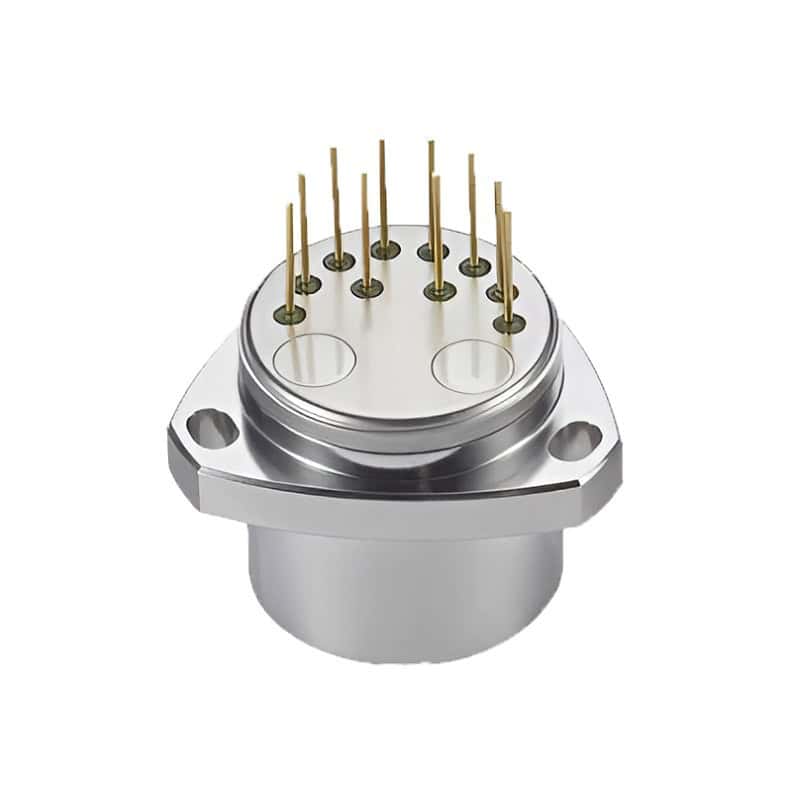
Accelerometers from Silicon Designs, the SDI 2470 & 2476.
Military accelerometers support various defense technologies, from Unmanned Aerial Systems (UAS), inertial navigation systems to missile trajectory control and high-G munition testing. Their integration enables accuracy in targeting, safety in launch sequences, and stability in operational platforms. For defense buyers and procurement teams, selecting the appropriate accelerometer model involves evaluating specifications like range, bandwidth, shock tolerance, axis configuration, and compliance with MIL-STDs.
In aircraft, ships, armored vehicles, UAVs, and missiles, accelerometers work alongside gyroscopes to measure changes in velocity and support position estimation when GNSS signals are unavailable, degraded, or intentionally jammed. They are essential to inertial navigation systems that must maintain orientation and movement data without relying on external signals.
Accelerometers for missile guidance provide acceleration data used by onboard control systems during launch, midcourse flight, and terminal maneuvering. They help maintain trajectory, support stabilization, and contribute to accurate targeting in high-dynamic flight environments.
High-precision aircraft accelerometers capture vibration, shock, and dynamic load data during qualification. This information helps engineers assess structural behavior, fatigue risk, and survivability under military operating conditions.
Accelerometers are used in naval vessels, UAVs, ground vehicles, and fixed installations to support the stabilization of weapon systems, electro-optical sensors, antennas, and communication payloads. By detecting motion and vibration, they help control systems compensate for platform movement.
Rugged accelerometers are used in ballistic, fuze, warhead, and impact testing where sensors must survive very high G-forces. These devices record acceleration events during launch, flight, impact, and detonation testing.
Aerospace and space-grade accelerometers measure small forces for spacecraft control, payload stabilization, launch vehicle monitoring, and vibration testing. These sensors are selected for stability, low noise, and reliable operation across extreme environmental conditions.
Accelerometers installed in aircraft, armored vehicles, engines, and rotating machinery monitor vibration signatures that may indicate fatigue, imbalance, bearing wear, or mechanical failure. This supports maintenance planning and system health monitoring.
Defense applications demand various technologies, each selected based on mission-specific requirements:
Piezoelectric accelerometers use piezoelectric crystals to generate charge in response to mechanical stress. They are ideal for high-frequency vibration and shock monitoring and are widely used in weapons testing, propulsion systems, and aerospace structures.
Microelectromechanical systems (MEMS) technology offers small form factors and low power consumption. MEMS units are common in UAVs, handheld systems, and embedded tactical devices. While lower in cost, tactical-grade MEMS models must meet strict performance thresholds to be viable for defense use.
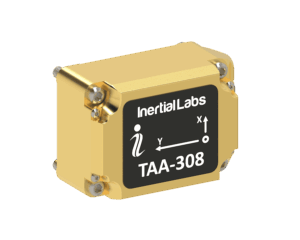
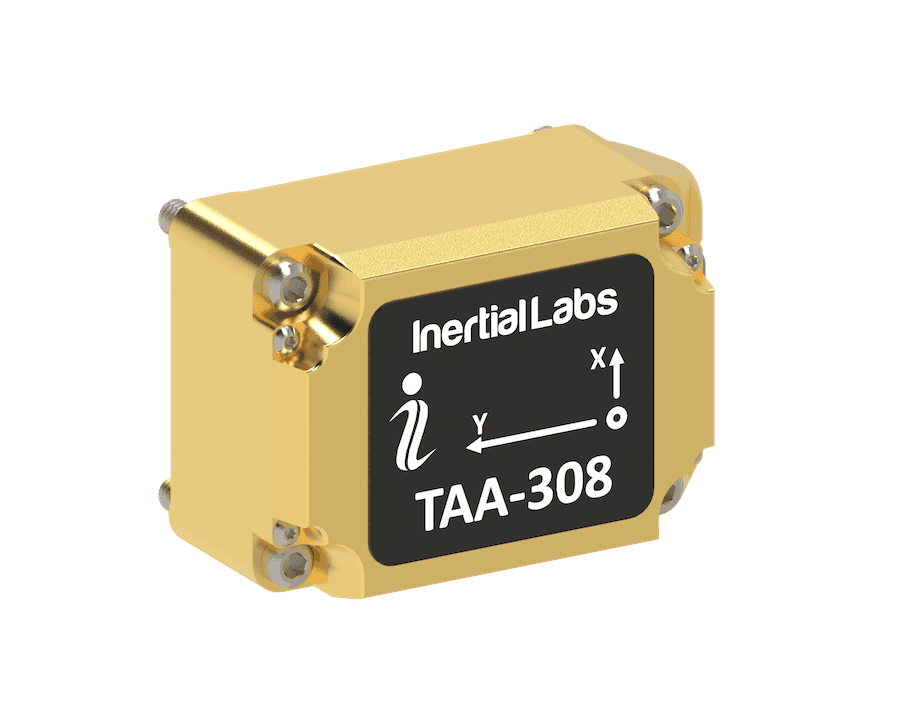
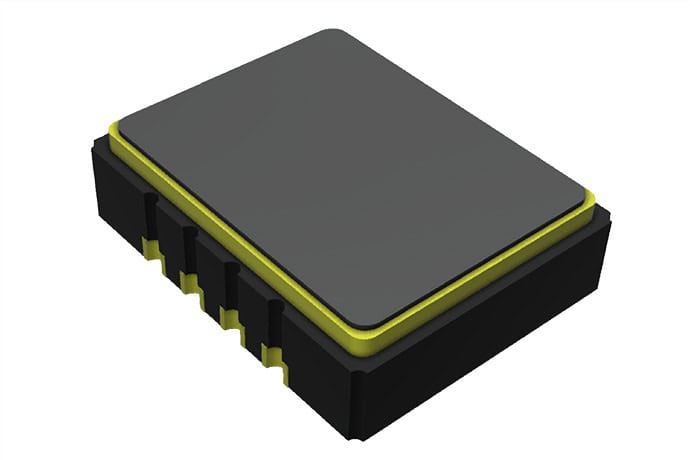
Accelerometer for uav navigation by Inertial Labs, the Three Axis Accelerometers (TAA).
Capacitive models detect changes in capacitance between microstructures during acceleration. They are preferred for low-frequency or DC acceleration measurements, such as in inertial navigation or structural health monitoring.
Piezoresistive devices measure resistance change due to applied force and are often used in high-shock environments such as ballistic testing. These sensors can capture transient events with very high G-levels.
Quartz-based sensors provide stable and repeatable measurements in extreme temperatures and high-shock environments, making them suitable for long-term military deployments.
Triaxial models capture acceleration along three axes (X, Y, Z), enabling comprehensive motion analysis. These are essential in full inertial measurement units and multiaxis stability systems.
Accelerometers are often selected by performance grade as well as by sensor type. While grade definitions vary between manufacturers, they generally reflect accuracy, bias stability, noise performance, scale factor repeatability, bandwidth, shock tolerance, and environmental durability.
| Attribute | Tactical Grade | Navigation Grade |
| Accuracy | Moderate | High |
| Noise Performance | Higher noise floor | Low noise, stable bias |
| Drift Rate | Higher | Very low |
| Use Case Examples | UAVs, handhelds, soldier systems | Missile guidance, naval INS |
| Cost | Lower | Higher |
| Size | Compact (MEMS-based) | Larger form factors acceptable |
Selecting the correct accelerometer grade helps engineers balance performance, cost, size, and operational risk. Over-specifying a sensor can add unnecessary cost and integration complexity, while under-specifying the grade may compromise navigation accuracy, stabilization performance, or survivability in high-shock military environments.
When evaluating accelerometers for military systems, buyers must consider:
Accelerometers are fundamental to inertial navigation systems (INS), particularly when GPS signals are denied or jammed. Combined with gyroscopes in an inertial measurement unit (IMU), the accelerometer tracks velocity changes and help maintain situational awareness in GNSS-degraded environments. Navigation and tactical-grade IMUs are embedded in:
Advanced systems often pair accelerometers with digital signal amplifiers, ADCs, and filters to improve accuracy and data resolution.
Military-grade accelerometers must comply with a range of technical and environmental standards to ensure reliability:
Additionally, devices must meet application-specific reliability metrics, including mean time between failure (MTBF) and lifecycle testing under load.
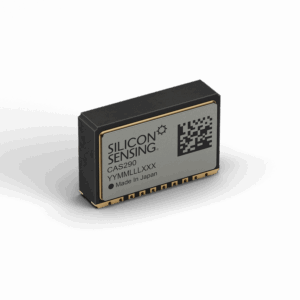
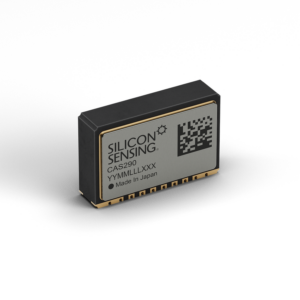
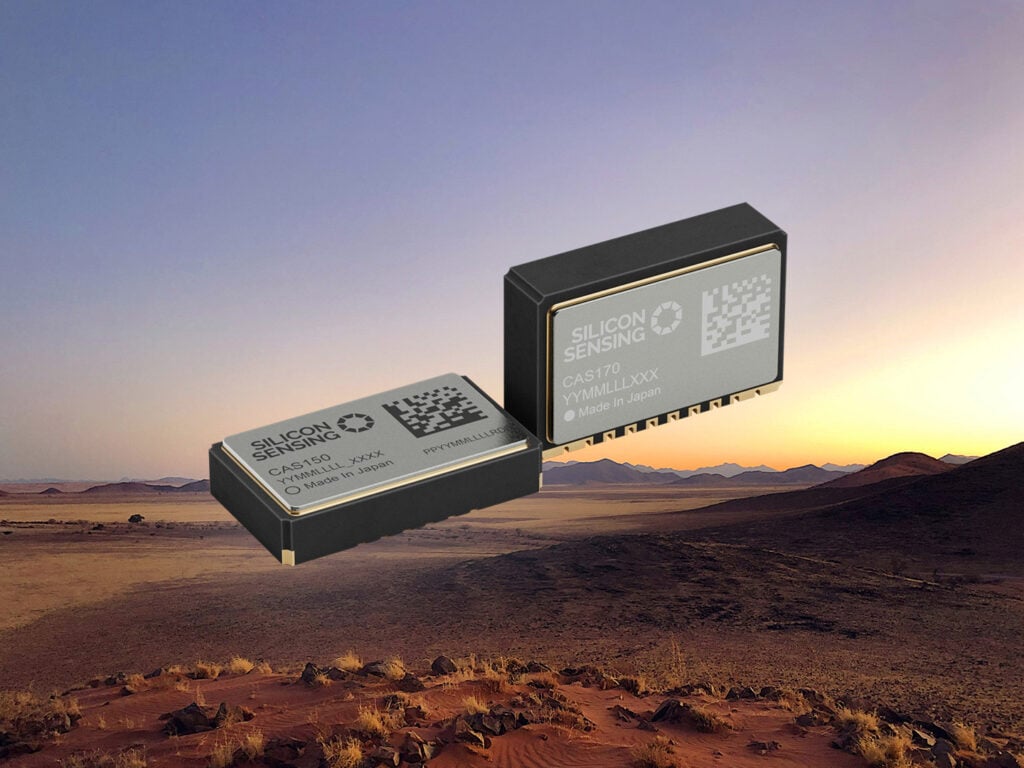
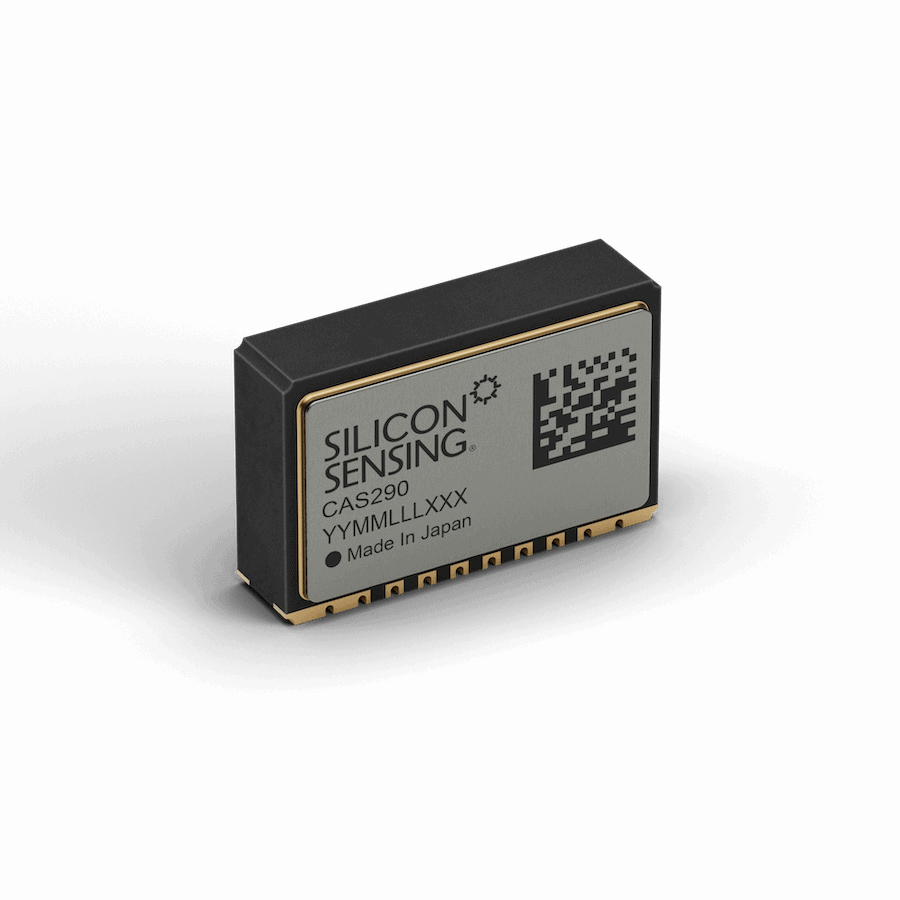
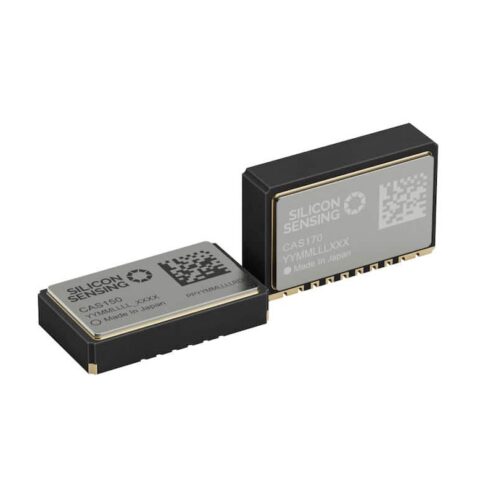
Accelerometer device, Gemini, from Silicon Sensing.
Defense procurement teams must match specifications to end-use conditions. Procurement professionals often work with system integrators and engineers to determine:
Long-term supplier stability, lead times, and ITAR/EAR compliance are also procurement-critical factors. Buyers may prioritize vendors who offer MIL-spec certification, test data documentation, and support for integration into complex systems.
Understanding the grade of sensor required prevents overengineering and ensures mission effectiveness without unnecessary cost or complexity.
The defense sector is increasingly adopting:
Accelerometers will continue to be pivotal in converging autonomy, sensor fusion, and GPS-denied navigation across military operations.


 Searching Companies & Products