
Showcase your capabilities
If you design, build or supply Battery Chargers, create a profile to showcase your capabilities and connect with visitors who have an active requirement for your solutions.



Discover suppliers and manufacturers of rugged battery chargers for military batteries, including systems for drones, soldier-worn electronics, communications equipment, tactical vehicles, and forward operating bases. These chargers are built to operate in harsh environments, comply with military standards, and support a range of battery chemistries and voltages. They ensure reliable power delivery across critical defense platforms in portable, vehicle-mounted, and stationary configurations.
Read the Technology Overview
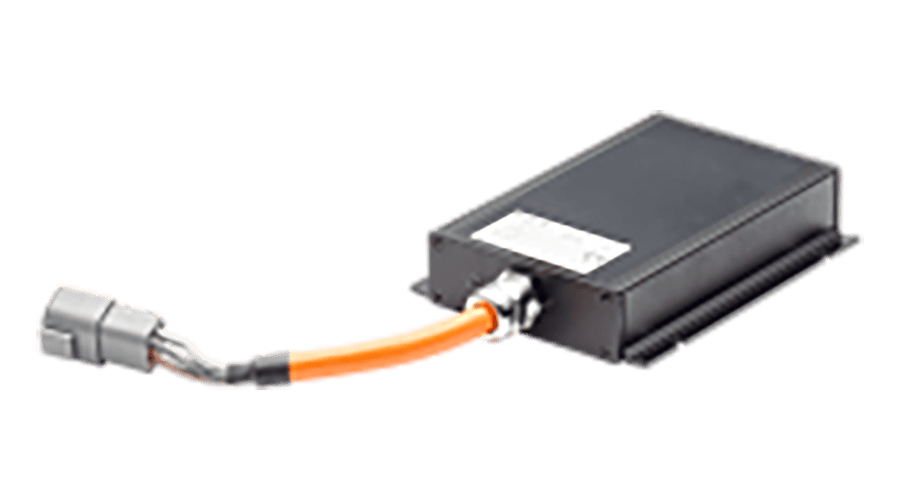
Field-Proven Rugged Power Conversion Products for Military & Defense Applications


Mission-Critical Power & Lighting Solutions for Sustainable Military Operations

If you design, build or supply Battery Chargers, create a profile to showcase your capabilities and connect with visitors who have an active requirement for your solutions.

Military battery chargers are engineered to meet the stringent demands of defense operations. Unlike commercial charging systems, a military battery charger must function reliably under extreme environmental conditions, including temperature extremes, shock, vibration, humidity, and exposure to sand, dust, and salt fog. These units are designed to comply with rigorous military standards such as MIL‑STD‑810 for environmental durability, MIL‑STD‑461 for electromagnetic compatibility, and MIL‑STD‑1275 or MIL‑STD‑704 for electrical resilience in vehicle batteries and aircraft power systems.

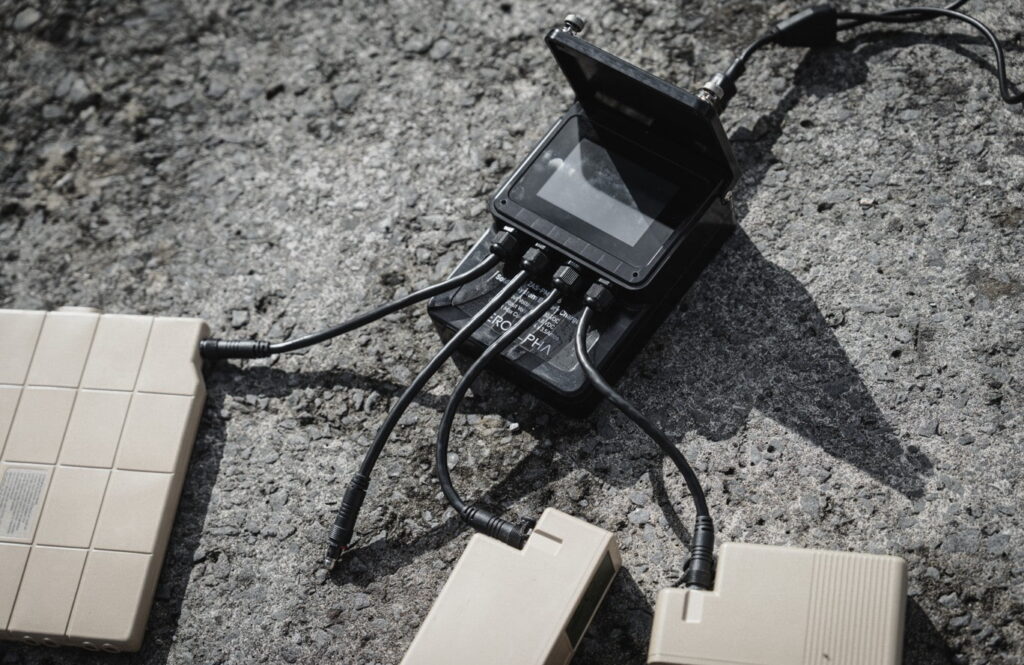
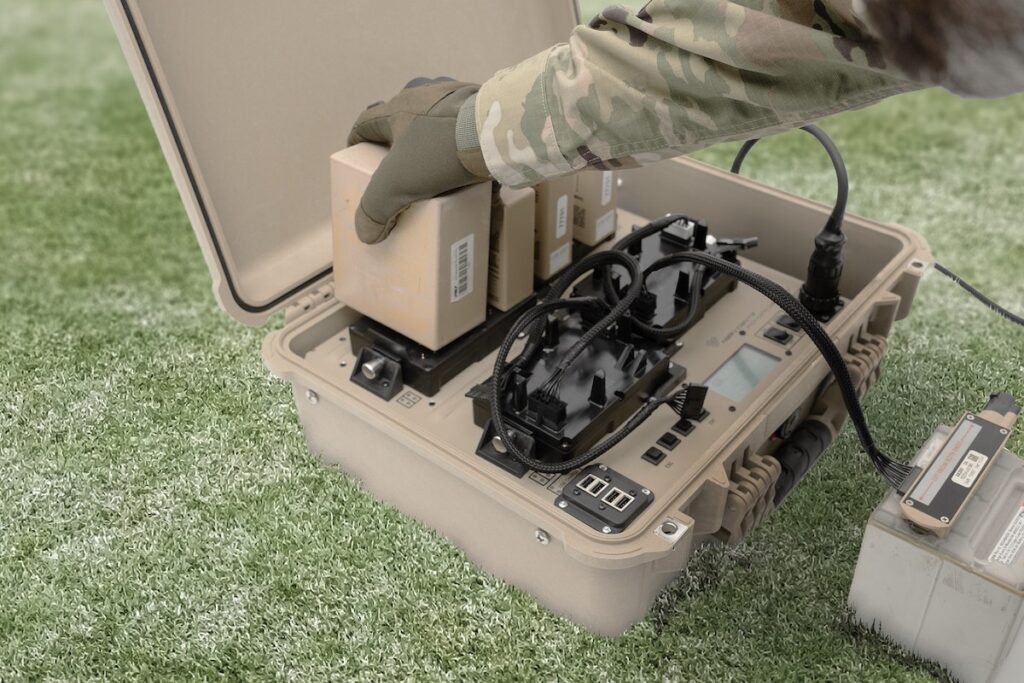
Solider Battery Charger by ZeroAlpha Solutions.
Electrical performance is a core requirement. Chargers must withstand power surges, transients, and fluctuations common in military vehicles and mobile power sources. They must also be compatible with various battery types: lithium-ion, lithium polymer, nickel-metal hydride, and sealed lead-acid. Intelligent charging profiles are required to ensure safe, efficient energy delivery and battery longevity, often through integration with battery management systems (BMS).
Mechanical design is equally critical. Chargers are typically enclosed in rugged housings that provide ingress protection, physical resilience, and thermal management. Connectors are often standardized to military specifications to ensure reliability and interoperability. Advanced systems include communication interfaces such as CANbus, Ethernet, or USB to enable telemetry, diagnostics, and integration with broader power and logistics networks.
Scalability and flexibility are key features of many military-grade chargers. Modular systems allow deployment across various mission sizes, from portable soldier-borne units to high-capacity stationary banks at forward operating bases or depot facilities. Built-in protections, such as surge suppression, overcurrent protection, isolation transformers, and filtering circuits, ensure continued operation and safeguard connected equipment.
Designed for dismounted operations, these chargers must be compact, lightweight, and rugged. They often support:
These units help sustain man-portable radios, sensor packs, night-vision systems, and soldier‑worn electronics in the field.
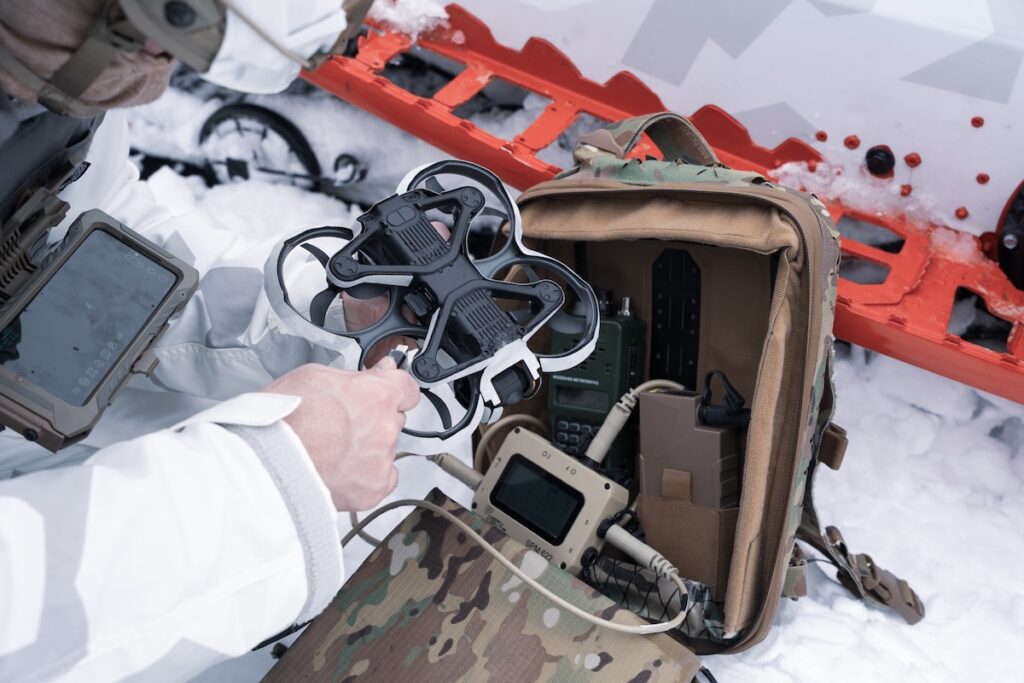
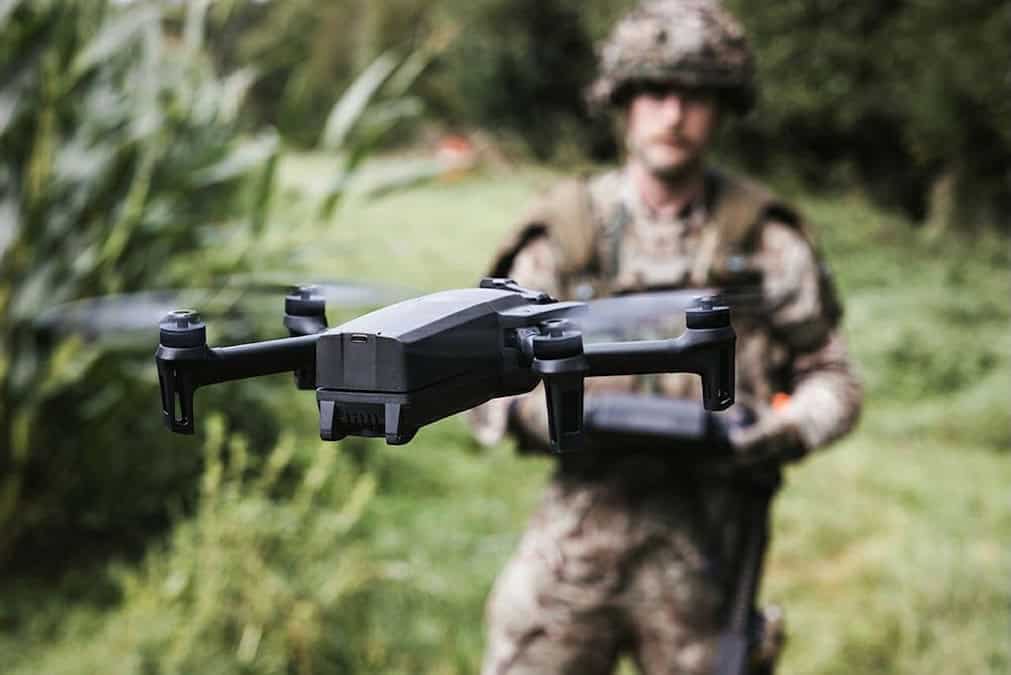
Unmanned aerial systems impose particular demands due to their flight cadence, battery capacity, and reactivity requirements. Battery Charger systems in this class may include:
For example, some UAV charger designs integrate multi-chemistry support, dynamic current balancing, and automated thermal management to accelerate operational tempo.
Vehicles (tactical trucks, armored platforms, command nodes) often carry energy conversion systems. In these settings:
At stability hubs or operations bases, stationary charger banks or racks handle high volumes of battery recharges:
In logistics and maintenance hubs, chargers must deliver:
Chargers must support a range of algorithms: constant current, constant voltage, tapering charge, trickle charge, pulse charge, and equalization. They should dynamically adjust current, voltage, or switching modes based on battery state, temperature, and health.
Typical supported chemistries include:
C-rate (the rate at which a battery is charged or discharged relative to its capacity) is key for high‑power chargers; having the flexibility to charge, e.g., 1C, 2C, or more, depending on battery capability, is beneficial.
A fully capable charger interplays with onboard BMS to:
Chargers must include:
Heat management is critical. Designs often include:
Battery connectors typically follow mil-spec standard connectors (circular, sealed, thread-locking) or vehicle-grade rugged interfaces.
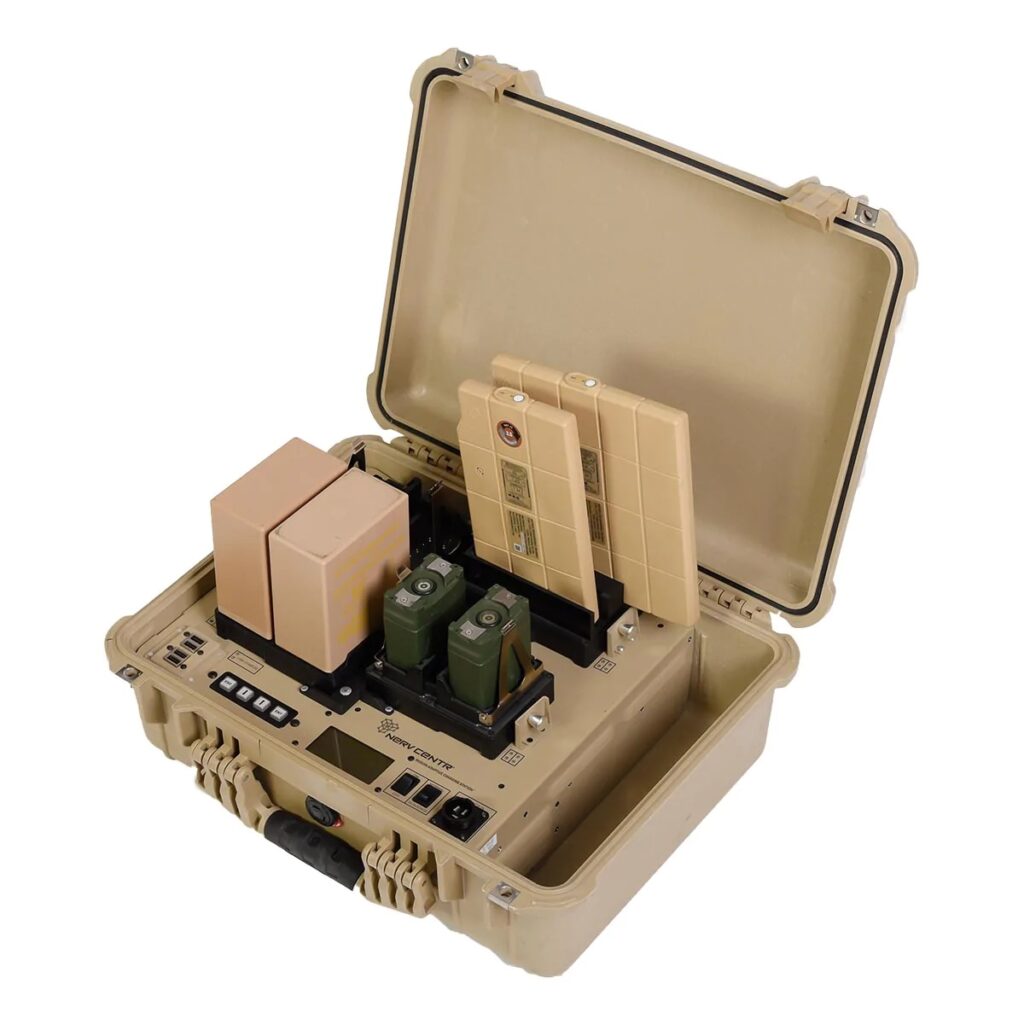
Chargers may be architected as a system of modules:
To maximize utility in defense networks, chargers often include:
A core requirement in rugged system design, MIL‑STD‑810 defines tests for temperature extremes, humidity, rain, sand/dust, salt fog, vibration, shock, and more. Chargers designed for military use often state which 810 test methods (e.g., Method 514 vibration, Method 516 shock) they pass.
Chargers must meet emission and susceptibility requirements defined in MIL‑STD‑461 (e.g, MIL‑STD‑461F or G) to avoid interfering with critical systems and to remain robust to environmental electromagnetic phenomena.
For chargers integrated with ground vehicle power buses, MIL‑STD‑1275 defines tolerances for voltage transients, load dumps, reverse polarity, and other electrical hazards.
Chargers deployed on aircraft or in airborne systems must respect the constraints of MIL‑STD‑704, which specifies limits on power quality, ripple, harmonics, transient behavior, and voltage stability.
For naval applications, MIL‑STD‑1399 governs shipboard electrical interface behavior — chargers deployed on vessels may need to comply.
Although less common in charger design, MIL‑STD‑1472 addresses human-machine interface design, usability, and operator safety, which may apply to user interfaces on charger control panels.
This standard addresses interoperability across battery and charger systems, ensuring that various batteries and chargers from different systems or vendors may function interchangeably.
Older standards, such as MIL‑C‑24095, cover portable automatic chargers (MIL‑C‑24095B is a standard for automatic, portable battery rectifier chargers).
In unmanned systems operations, reducing ground time is critical. A mobile charger rack or vehicle-mounted bank supports multiple UAVs, charging on staggered schedules, scaling across multiple sorties, and balancing thermal loads.
Dispersed teams must maintain communications and sensor systems over extended periods. Portable chargers with solar integration or vehicle DC tie-ins maintain military radio battery packs without returning to a base.
A tactical vehicle might carry a modular charger system powering onboard electronics and charging battery packs for dismounted elements. The charger must function under vibration, wide temperature ranges, and be tolerant of input fluctuations from the vehicle.
At a logistic hub, a charger bank can service dozens or hundreds of packs per day. Integration with power systems (generator, grid, solar) and remote monitoring ensures throughput, safety, and battery health.
In a maintenance depot, chargers function as battery testers, conditioning units, and charging stations. They interface with battery tracking systems and support deep cycles, capacity verification, and reconditioning.
A logistics node might charge Li-ion, NiMH, and lead-acid units in the same facility. Charger systems must support multiple chemistries, adaptive charging profiles, and automated switching or recognition.
When evaluating charger systems for military use, consider:
Selecting an optimal charger involves matching mission profiles, utilization rate, environmental risk, and system integration needs.


 Searching Companies & Products



 Subscribe to the Weekly eBrief
The latest engineering and technical developments straight to your inbox - join thousands of engineers who receive it.
Subscribe to the Weekly eBrief
The latest engineering and technical developments straight to your inbox - join thousands of engineers who receive it.