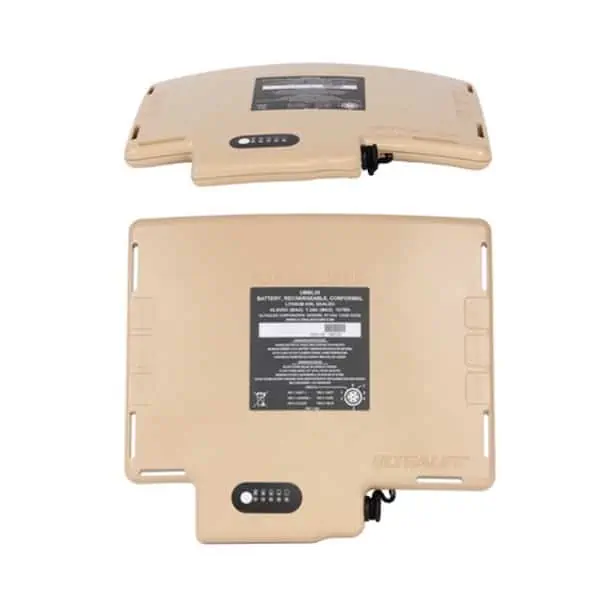
Conformal Wearable Battery (CWB) solutions are body-contoured energy storage systems designed to distribute electrical power across the soldier’s torso rather than relying on rigid, centralized packs. Integrated into plate carriers, tactical vests, or load-bearing equipment, a conformal wearable battery follows anatomical curvature while maintaining controlled stiffness and protection for military use.
This category showcases leading conformal wearable battery suppliers, supporting soldier-worn electronics such as radios, navigation devices, sensors, and power hubs by improving balance, reducing snag hazards, and lowering fatigue.
If you design, build or supply Conformal Wearable Batteries, create a profile to showcase your capabilities and connect with visitors who have an active requirement for your solutions.
Conformal Wearable Battery (CWB) solutions are body-contoured energy storage systems designed to be worn directly on the soldier rather than carried as rigid, protruding blocks. Unlike traditional rectangular battery packs, a CWB is engineered to follow the natural curvature of the human torso and is typically integrated into plate carriers, tactical vests, or load-bearing equipment.
The defining characteristic of a conformal battery is geometric conformity rather than extreme flexibility. This allows the battery to wrap around the body while maintaining the controlled mechanical stiffness and internal protection required for military environments. At a system level, CWBs function as distributed power sources, spreading energy storage across a larger surface area instead of concentrating mass at the waist or shoulders. This architectural shift fundamentally changes how electrical power is carried, managed, and protected in the dismounted environment.
Why CWBs Matter in Modern Dismounted Soldier Systems
The modern soldier operates as a networked combat system. Radios, GPS receivers, electronic warfare sensors, night vision devices, body-worn cameras, and biometric sensors all compete for power. Conventional soldier battery pack designs concentrate weight in small, rigid blocks, which increases fatigue, restricts movement, and creates pressure points that reduce endurance during extended missions. They also complicate cable routing and limit how equipment can be positioned on the body. CWBs address these challenges by redistributing mass, reducing profile, and improving ergonomic integration.
Core Applications of Conformal Wearable Batteries
Soldier-Worn Systems and Personal Equipment
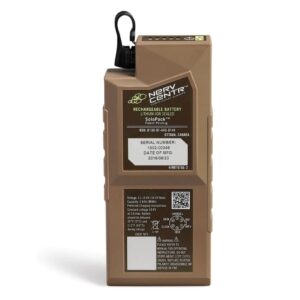
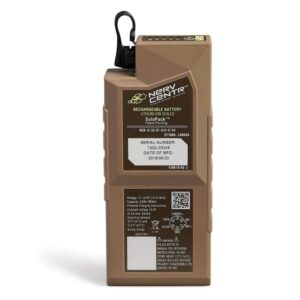
SoloPack Battery, a rugged, rechargeable li-ion battery for charging and powering operational devices on the battlefield, by Galvion
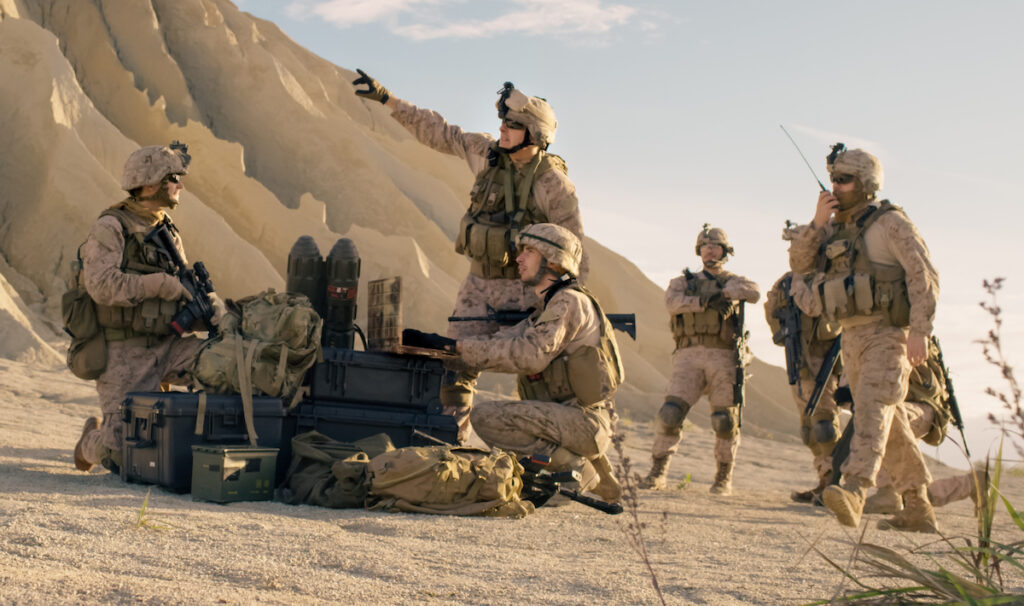
The primary application of CWBs is within dismounted infantry and combat support roles. These batteries are commonly integrated into plate carriers or soft armor panels, supplying power to radio batteries, navigation devices, and soldier system power hubs. By utilizing a distributed architecture, power is delivered closer to the point of use, which reduces cable complexity and improves overall system reliability by minimizing snag hazards.
Special Forces and Covert Operations
Special operations forces prioritize stealth, endurance, and adaptability. CWBs are particularly valuable in these missions due to their low physical profile and reduced visual signature. By minimizing protrusions and reducing the need for frequent battery changes, CWBs support longer mission durations with a smaller logistical footprint. Their ability to be tailored to specific equipment loadouts makes them well suited to mission-specific configurations where mobility is paramount.
First Responder and Homeland Security Use Cases
CWBs are increasingly used by bomb disposal units, counter-terror teams, and specialist first responders. These users face similar power demands in physically demanding environments, often while wearing heavy protective equipment. CWBs enable the continuous operation of communications, sensors, and situational awareness tools without compromising mobility or user safety during high-stress interventions.
Integration with Soldier Modernization Programs
CWBs are now considered a foundational element of next-generation soldier programs. As soldier systems evolve toward fully integrated power, data, and communications architectures, CWBs provide the physical energy layer required to support persistent connectivity. They allow for future capability growth, such as Augmented Reality (AR) HUDs, without increasing the carried burden of the operator.
Key Features of Conformal Wearable Batteries
Conformality and Ergonomics
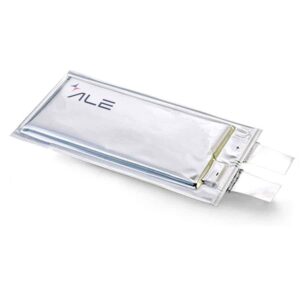
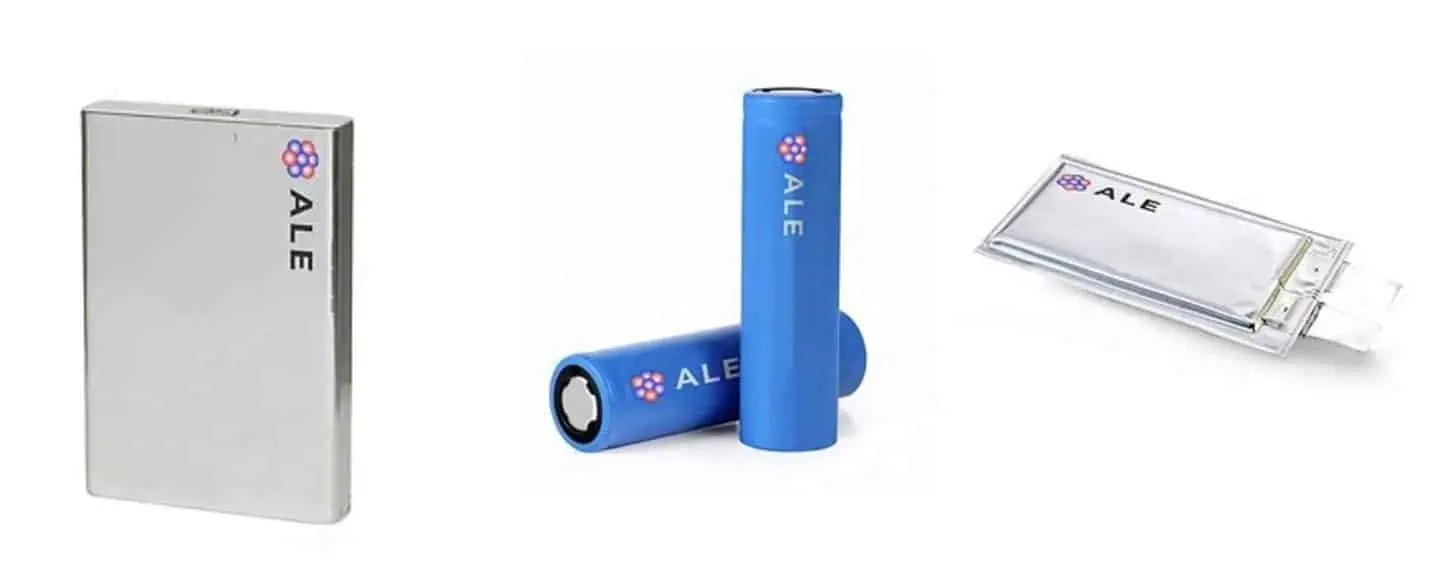
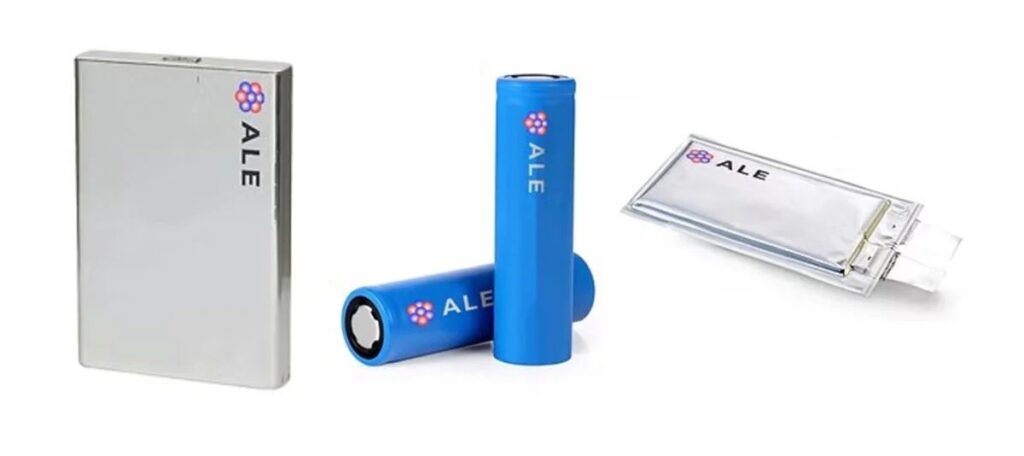
Lithium-Ion Pouch Batteries from American Lithium Energy
Modern wearable battery solutions are engineered to follow anatomical contours, most commonly around the torso. This geometry allows the battery to sit flush against armor or soft goods, improving balance and wearer comfort. By distributing weight across a larger area, a conformal wearable battery reduces localized fatigue and pressure-related injuries associated with traditional packs.
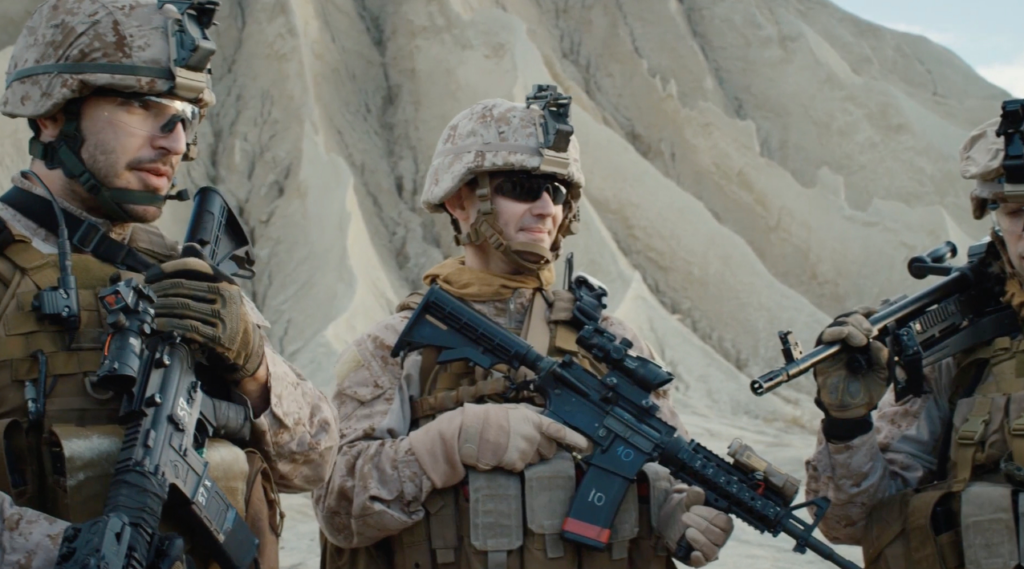
Integration with body armor is a primary design consideration, ensuring the battery coexists with ballistic plates and hydration systems without interfering with protection. These considerations extend from smaller pouch form factors to larger wearable battery packs, which are often built to fit within a magazine holder.
Flexibility vs. Structural Integrity
Although often described as a wearable flexible battery, most designs are semi-rigid systems with carefully controlled bend radii. Excessive flexibility can compromise internal cell protection and electrical connections. Designers balance limited flex with mechanical robustness to ensure the battery can tolerate movement, impacts, and repeated bending without internal damage.
Weight, Thickness, and Form Factor
CWBs prioritize thin, low-profile architectures. By distributing cells over a wide surface area, overall thickness is minimized. From a system engineering perspective, these units are optimized around SWaP (Size, Weight, and Power) constraints. Improvements in balance and perceived weight often deliver greater operational benefit than absolute reductions in mass.
Chemistries & Cell Types Used in CWBs
Most conformal wearable batteries are based on lithium-ion or lithium-polymer chemistries due to their maturity and energy density. Lithium-polymer pouch cells are particularly well suited to conformal designs, enabling flat geometries that can be arranged in segmented arrays. CWBs typically use either large-area pouch cells or arrays of smaller segmented cells. Segmentation improves fault tolerance by limiting the impact of a single cell failure, while robust encapsulation protects against moisture, sweat, dust, and mechanical abrasion.
Safety & Risk Mitigation in Wearable Battery Solutions
Heat generation is unavoidable in high-duty-cycle wearable power systems. A wearable battery relies primarily on passive thermal dissipation, spreading heat across a larger surface area to prevent hot spots. Direct skin contact is managed through insulation layers and thermal barriers to reduce burn risk during sustained operation.
Additionally, CWBs incorporate layered electrical protection, including short-circuit, overcurrent, and overvoltage safeguards. Mechanically, they are designed to withstand crushing, puncture, and blunt impact. While no wearable rechargeable battery can be fully ballistic-proof, they are engineered to fail in a controlled manner, avoiding catastrophic energy release. Protecting the wearer always takes priority over preserving energy capacity.
Emerging Trends in Wearable Battery Power
Charging Ecosystems and Mission Sustention
The sustainment of a conformal wearable battery requires a versatile charging infrastructure capable of operating within vehicle power grids and forward operating bases. Modern wearable battery charger systems prioritize interoperability, allowing for rapid replenishment from disparate energy sources while on the move. Advanced Battery Management Systems (BMS) facilitate this by tracking the state of health and usage history, ensuring that every wearable rechargeable battery in a squad is monitored for predictive maintenance and reliability before deployment.
Next-Gen Chemistries and Power Architectures
Next-generation developments are focused on solid-state electrolytes, which offer the potential for conformal wearable batteries that are fundamentally safer and more energy-dense. By replacing liquid components with solid ones, the resulting soldier battery pack becomes virtually immune to ballistic fragmentation or high-velocity impacts. Furthermore, the integration of kinetic or solar energy harvesting is transforming the CWB from a static storage device into an active, data-enabled component of a networked soldier ecosystem, capable of optimizing power allocation in real time based on mission requirements.
American Lithium Energy, represented by KT Technical Solutions, develops high-density lithium batteries designed for aerospace and defense systems requiring compact, reliable, and safe energy storage
The U.S Army’s Wearable Battery packs will be outfitted with the SiMaxx™ Silicon Anode safe cells from Amprius, prolonging mission durations for soldiers deployed on the battlefield and doubling the energy density of existing technology
Epsilor’s COMBATT lithium-ion 6T batteries offer high energy capacity in multiple configurations whilst the NETWALKER soldier wearable network system supports separate secured networks and different communication protocols
The lightweight, Lithium-Ion rechargeable batteries will provide soldiers with a power source capable of sustaining dismounted operations in remote areas for up to 24 hours
The latest defense technology news, straight to your inbox.
Get our weekly roundup of technology developments, new products and industry news.
THANK YOU FOR SIGNING UP
Thanks for joining us. Check your inbox.
We've sent you an email. Click the confirmation link to complete your subscription to the weekly eBrief. In the meantime, explore the latest news, suppliers and technologies on DA.
Advancing Defense Capability Through Strategic Collaboration
Defense Advancement works with major OEMs to foster collaboration and increase engagement with SMEs, to accelerate innovation and drive defense capabilities forward.