Military vehicle batteries deliver reliable energy storage for engine starting, mission systems, and onboard electronics across modern defense platforms. Designed to operate under extreme temperature, shock, vibration, and EMI conditions, batteries for military vehicles support armored vehicles, tactical trucks, logistics platforms, and unmanned ground vehicles.
The page showcases suppliers of batteries for military vehicles, enabling silent watch, C4ISR electronics, hybrid drivetrains, and exportable power.
If you design, build or supply Military Vehicle Batteries, create a profile to showcase your capabilities and connect with visitors who have an active requirement for your solutions.
Introduction to Military Vehicle Battery Technology
A military vehicle battery provides the essential energy storage required to start engines, sustain mission systems, and manage electrical loads across modern defense platforms. These mission-critical subsystems must remain reliable under extreme conditions, supporting propulsion, command-and-control electronics, protection suites, and onboard computing architectures.
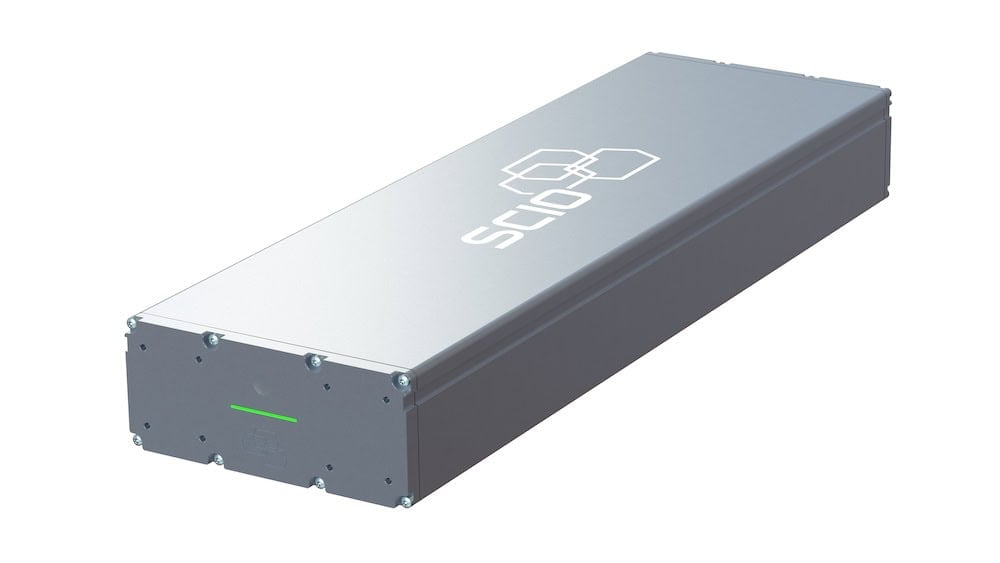
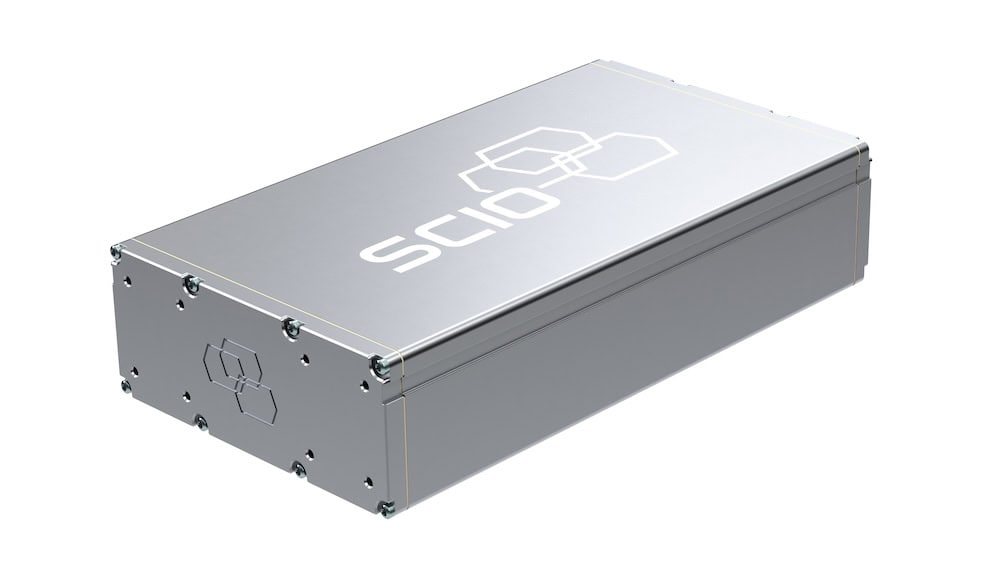
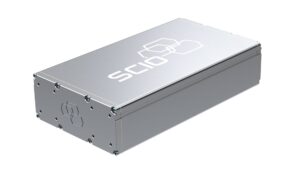
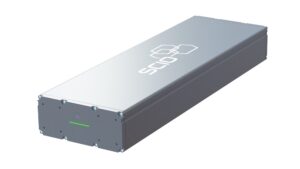
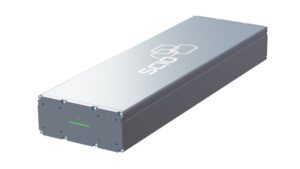
SCIO Brick® 5.0 from SCIO Technology
Batteries for military vehicles must deliver consistent performance across wide temperature ranges, endure prolonged shock and vibration, and continue operating in environments saturated with electromagnetic interference. As vehicles become increasingly digitized and electrified, military vehicle batteries serve as the central enablers for advanced combat capabilities.
Applications of Batteries for Military Vehicles
Engine Starting and Cranking Power
A primary function of military vehicle batteries remains engine starting, particularly for large diesel engines with high compression ratios. These batteries must supply very high peak currents while maintaining voltage stability to support reliable engine ignition.
Cold-cranking performance is especially critical. Vehicles may be required to start after long periods of inactivity in sub-zero climates, where battery internal resistance increases sharply. Designs therefore prioritize robust plate construction, low-temperature electrolytes, and thermal mitigation strategies to ensure dependable starting in Arctic, desert-night, and high-altitude conditions.
House Loads and Mission Systems Power
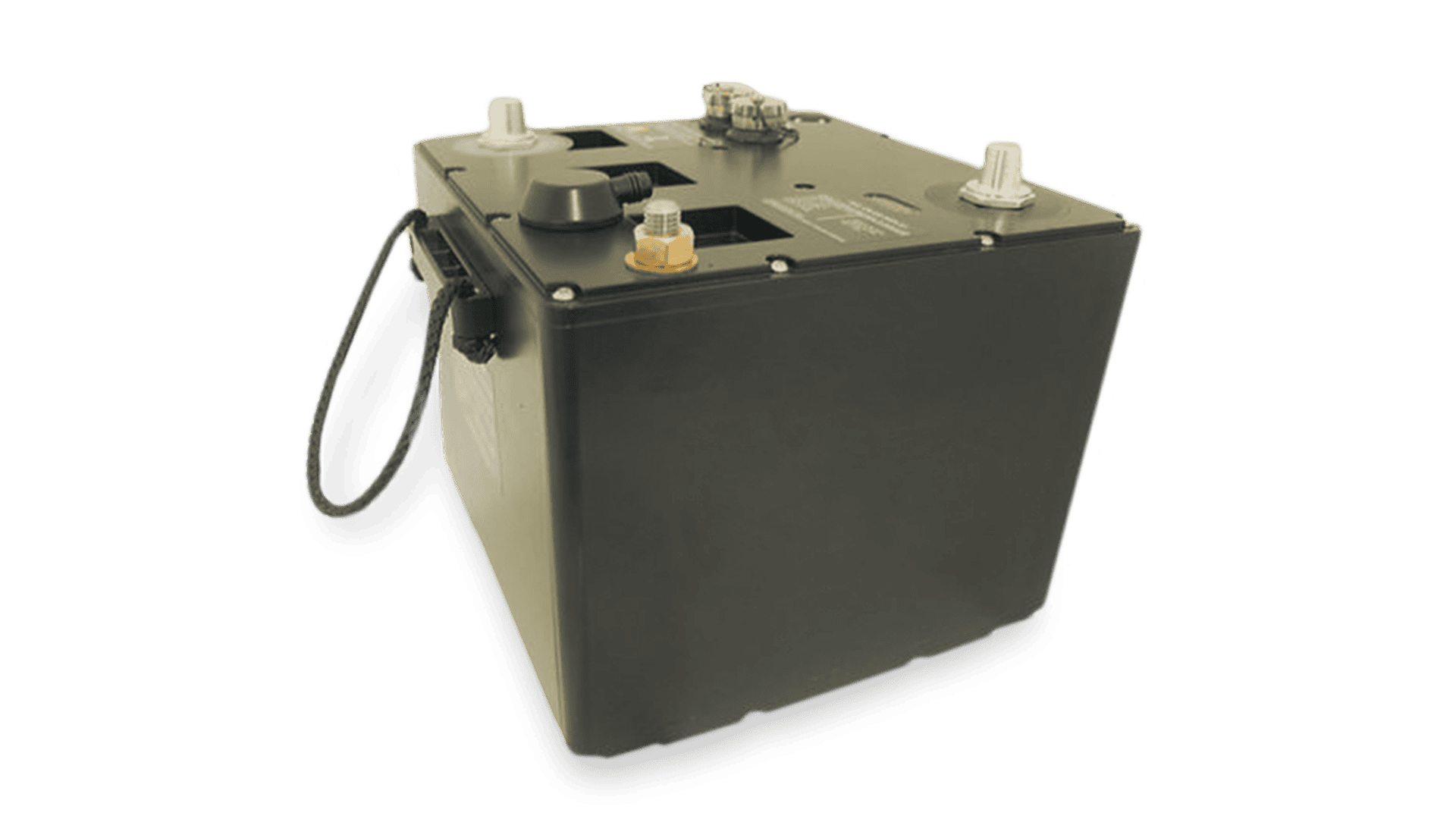
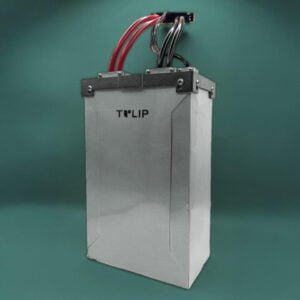
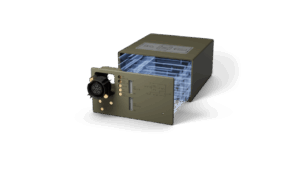
Custom Lithium Batteries from KT Technical Solutions
Beyond starting, batteries for military vehicles supply continuous power to onboard electronics independent of engine state. This includes battle management systems, sensors, electronic countermeasures, situational awareness displays, and radios (often supported by external radio batteries). In many operational scenarios, particularly during silent watch, these systems must remain active without running the engine.
To support this, military vehicles typically employ redundant battery banks and intelligent load prioritization. Critical systems are protected against power interruption, while non-essential loads can be shed automatically to preserve endurance. This architecture allows commanders to maintain surveillance and communications while minimizing acoustic and thermal signatures.
Hybrid and Electrified Drivetrain Support
Hybrid electric military vehicles (HEMVs) introduce additional demands on battery systems. Here, batteries not only store energy but actively contribute to propulsion, regenerative braking, and power smoothing. During acceleration or high electrical load events, the battery supplements engine output. During braking or downhill operation, energy is recovered and stored.
These roles require batteries capable of deep cycling, high charge acceptance, and precise management to balance performance with longevity. The battery effectively becomes an energy buffer that improves fuel efficiency, reduces logistical burden, and enhances tactical flexibility.
Power Demands Across Military Vehicles
Armored Fighting Vehicles (AFVs) and Main Battle Tanks
Armored Fighting Vehicles (AFVs) and main battle tanks present the most demanding battery environments. Electrical loads are exceptionally high, driven by fire-control systems, active protection suites, sensors, and communications. Battery systems must therefore deliver high power density while remaining resilient to shock, vibration, and blast effects. Redundant battery banks are common, often housed in armored enclosures designed to protect against ballistic fragments and secondary explosions.
Tactical Wheeled Vehicles
Tactical wheeled vehicles operate across diverse mission profiles, from patrol and reconnaissance to command and logistics roles. Their battery systems must be flexible enough to support varying electrical loads while conforming to tight constraints on weight and available installation space. These platforms often prioritize modular battery designs that can be adapted across vehicle variants, simplifying logistics and reducing lifecycle costs.
Logistics, Engineering, and Support Vehicles
Support vehicles place a premium on reliability, maintainability, and availability. Batteries must power auxiliary equipment such as cranes, winches, shelters, and diagnostic systems, often for extended periods. Ease of field replacement and predictable degradation behavior are key considerations.
Unmanned Ground Vehicles (UGVs)
Unmanned Ground Vehicles (UGVs) are frequently battery-centric by design, particularly in smaller or fully electric platforms. Endurance, energy efficiency, and recharge time directly determine mission duration and autonomy. For UGVs, battery selection is closely coupled with mission planning, trading energy density against safety and thermal management.
Operational Requirements for Military Vehicle Batteries
Reliability in Harsh and Contested Environments
A military vehicle battery must operate reliably across extreme temperature ranges, from well below freezing to intense desert heat. Thermal cycling places mechanical stress on cells and interconnects, while inadequate heat dissipation can accelerate degradation.
Shock and vibration resilience is equally critical. Batteries are subjected to continuous vibration from vehicle movement and severe shock loads from terrain or weapon effects. Furthermore, performance under intense EMI/EMC conditions is a defining requirement. Batteries and associated electronics must function correctly in proximity to high-power radios and electronic warfare equipment without suffering interference.
Power Demands of Modern Military Vehicles
Electrical demand within military vehicles continues to rise. C4ISR systems, advanced sensors, and electronic protection suites all draw significant power. Silent watch and silent mobility requirements place further strain on batteries, as vehicles must operate covertly without engine noise. Additionally, modern vehicles increasingly provide exportable power to external systems or soldier equipment, necessitating line-replaceable battery units for rapid field swap-outs.
Common Military Vehicle Battery Chemistries
Technology
Description and Defense Applications
Key Trade-offs
Military Lead-Acid Battery
Flooded, AGM, and TPPL (Thin Plate Pure Lead). The standard for engine starting and basic auxiliary power.
Emerging Trends in Batteries for Military Vehicles
Electrification and Hybridization
Electrification is driven by the need to reduce fuel consumption and extend operational range. Hybrid architectures enable quieter operation and improved acceleration, translating directly into tactical advantages on the battlefield.
Advanced Battery Chemistries and Solid-State Batteries
Next-generation technologies, including solid state batteries, promise higher energy density and improved safety by eliminating flammable electrolytes. While still maturing, these technologies are expected to reshape vehicle power architectures as they meet military qualification standards.
Integration with Vehicle Energy Ecosystems
Batteries are increasingly integrated into wider onboard energy ecosystems, functioning alongside fuel cells, generators, export power interfaces, and ruggedized military battery chargers. In this role, the battery becomes a central energy node within a vehicle-level microgrid, enabling flexible power management tailored to mission demands.
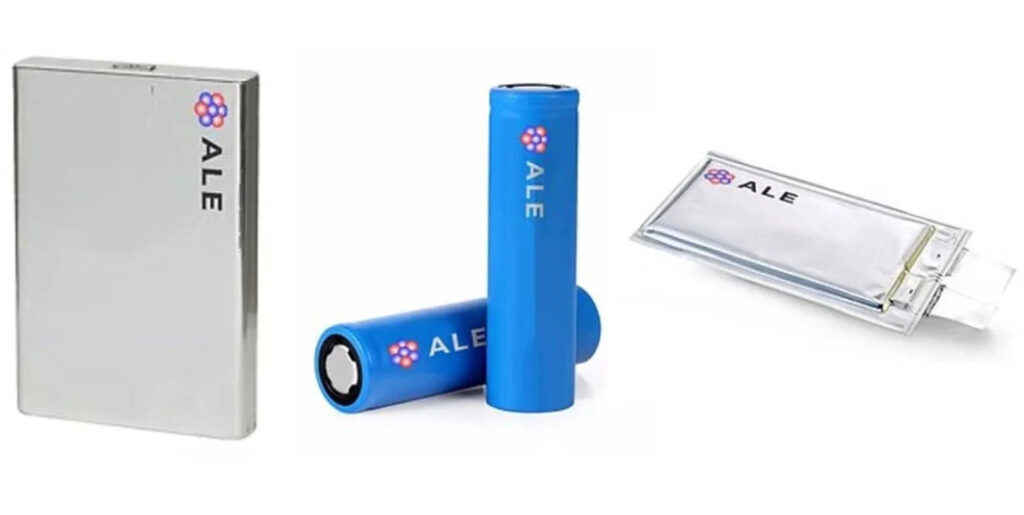
American Lithium Energy (ALE) is developing precision-engineered lithium battery technology, delivering high-performance, U.S.-manufactured energy solutions for drone platforms and defense applications
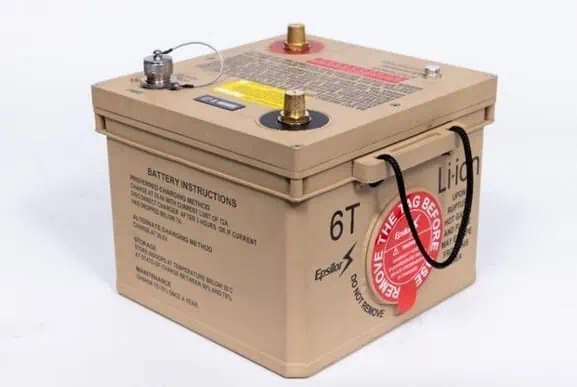
The new NATO 6T Li-Ion battery for military vehicles from Epsilor Electric Fuel Ltd., is MIL-PRF-32565C certified and will be presented at IAV 2025 in Farnborough, January 21-23
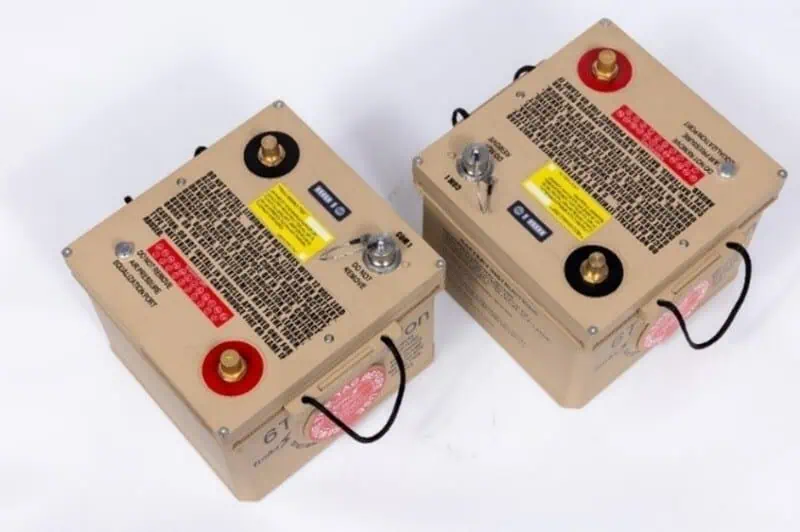
Epsilor has launched a new High Voltage Battery System based on its NATO standard 6T batteries, addressing growing demand for power in deployable high-power defense systems
The latest defense technology news, straight to your inbox.
Get our weekly roundup of technology developments, new products and industry news.
THANK YOU FOR SIGNING UP
Thanks for joining us. Check your inbox.
We've sent you an email. Click the confirmation link to complete your subscription to the weekly eBrief. In the meantime, explore the latest news, suppliers and technologies on DA.
Advancing Defense Capability Through Strategic Collaboration
Defense Advancement works with major OEMs to foster collaboration and increase engagement with SMEs, to accelerate innovation and drive defense capabilities forward.