


Military Accelerometer Suppliers & Manufacturers

AMCORIS

Advanced Motion Sensing Technologies for Autonomous Systems & Robotics

Silicon Designs

Innovators in Military-Grade MEMS DC Accelerometers

Honeywell Aerospace

Advanced Solutions for Defense Modernization: Propulsion, Sensors, Communication & Augmented Reality Systems

Inertial Labs, a VIAVI Solutions Company

Tactical Grade IMU, GPS/INS, Weapon Orientation Solutions

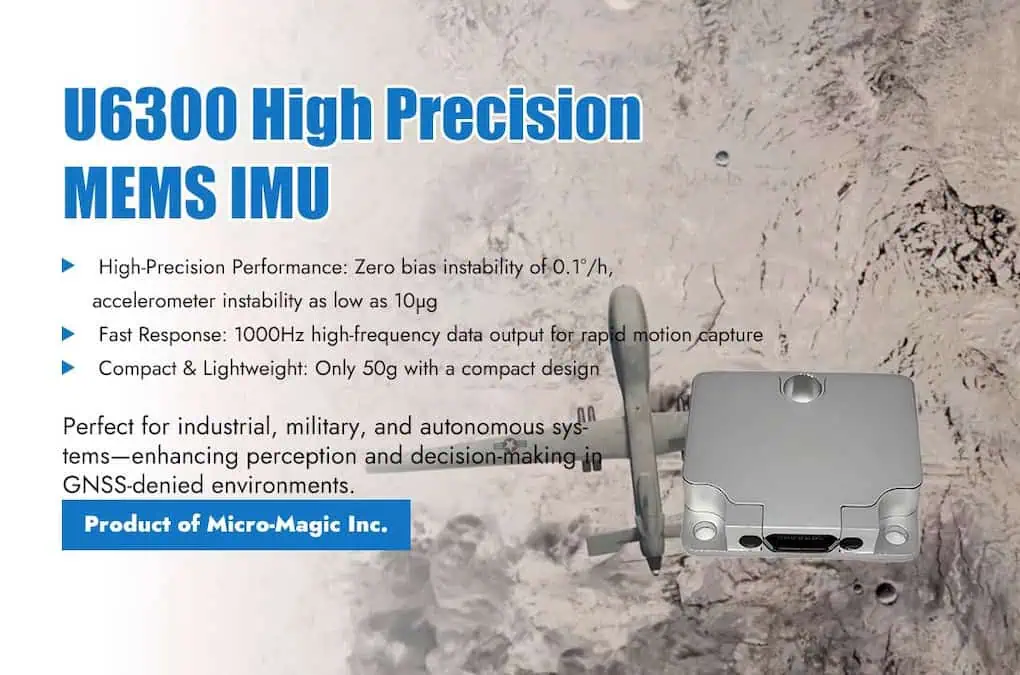
Micro Magic

High-Precision MEMS, Quartz & FOG Inertial Sensing Systems for Military, Aerospace & Defense Applications

Silicon Sensing

MEMS Inertial Sensors, Gyroscopes & Accelerometers for Inertial Guidance, Control & Stabilization

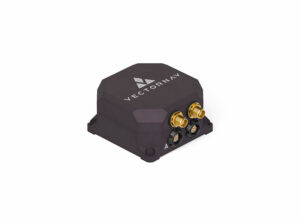
VectorNav

Embedded Navigation Solutions for Unmanned Systems

LITEF

High-Performance Inertial Sensing & Navigation Systems for Military Land Vehicles & Ground Forces

Showcase your capabilities

If you design, build or supply Accelerometers, create a profile to showcase your capabilities and connect with visitors who have an active requirement for your solutions.


Create Supplier Profile

Products: Military-Spec Accelerometers

9 Cutting-edge Solutions
Add your solutions
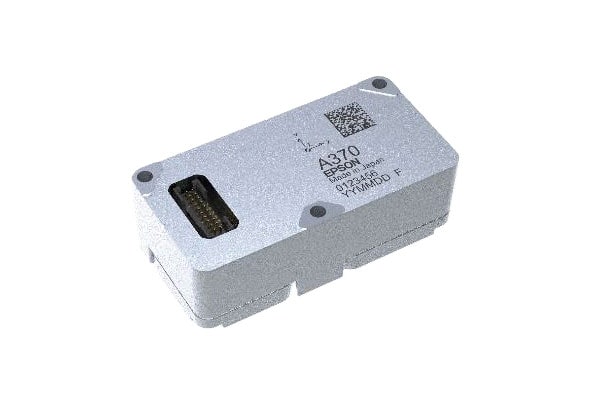
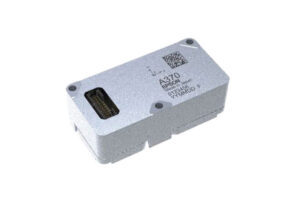
M-A370AD Accelerometer

Low-SWaP accelerometer with ±10g range & SPI/UART interface

Low-SWaP accelerometer with ±10g range & SPI/UART interface
...ovative quartz accelerometer that offers a range of advantages over standard MEMS technologies,...
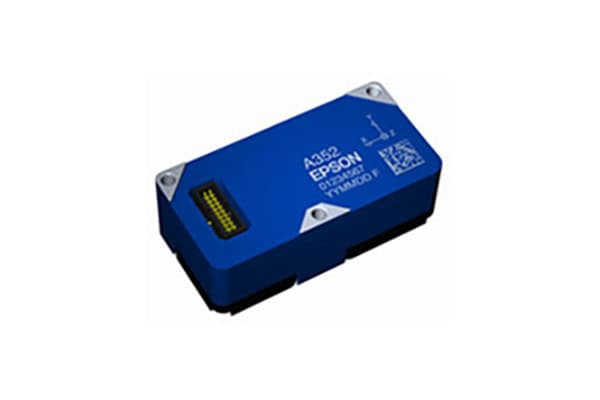
M-A352AD Accelerometer

Low-SWaP accelerometer with ±15g range & SPI/UART interface

Low-SWaP accelerometer with ±15g range & SPI/UART interface
...ovative quartz accelerometer that offers a range of advantages over standard MEMS technologies,...
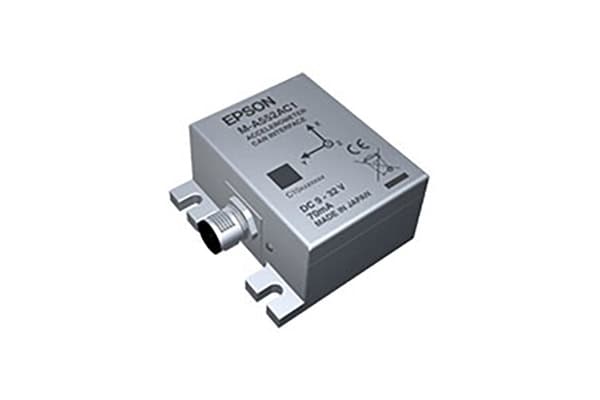
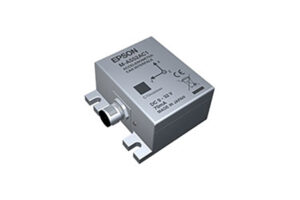
M-A552AC1 Accelerometer

Dust- and waterproof accelerometer with ±15g range & CANopen interface

Dust- and waterproof accelerometer with ±15g range & CANopen interface
...ovative quartz accelerometer that offers a range of advantages over standard MEMS technologies,...
M-A552AR1 Accelerometer

Dust- and waterproof accelerometer with ±15g range & RS-422 interface

Dust- and waterproof accelerometer with ±15g range & RS-422 interface
...ovative quartz accelerometer that offers a range of advantages over standard MEMS technologies,...
Three Axis Accelerometers (TAA)

Navigation-grade MEMS accelerometers for control & stabilization

Navigation-grade MEMS accelerometers for control & stabilization
...AA (Three Axis Accelerometer) series provides high-precision navigation-grade linear acceleration...
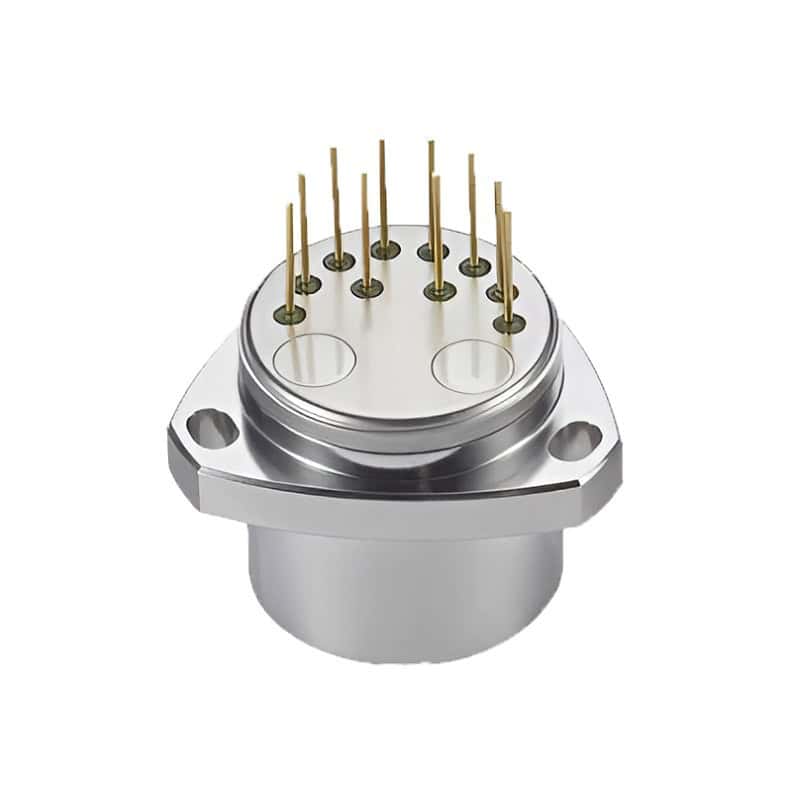
Quartz Accelerometers

High-precision & low-noise accelerometers for aerospace & defense

High-precision & low-noise accelerometers for aerospace & defense
...w-noise quartz accelerometers provide high-precision linear acceleration measurement, ideal for...
CMS300 MEMS Combi-Sensor

Combined single-axis gyro & dual-axis accelerometer

Combined single-axis gyro & dual-axis accelerometer
...ual-axis low-g accelerometer, and dedicated control ASIC to deliver angular rate and linear...
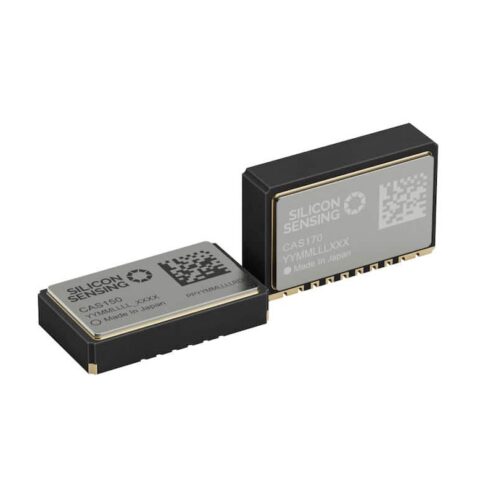
Gemini MEMS Accelerometers

Dual-axis MEMS accelerometers in surface-mount package

Dual-axis MEMS accelerometers in surface-mount package
...family of MEMS accelerometers delivers high-performance dual-axis linear acceleration measurement in...
B-290 MEMS Accelerometer

MEMS three-axis accelerometer for custom inertial system development

MEMS three-axis accelerometer for custom inertial system development
...EMS three-axis accelerometer with built-in digital signal processing, and is ideal for users looking...

Overview of Military Accelerometers for Aircraft, Land Vehicles & Missile Guidance Applications

Eleanor Widdows

Updated:

Introduction to Military Accelerometers

Military-spec accelerometers are precision-engineered inertial sensors that measure linear acceleration and vibration in defense platforms.

Designed to meet stringent military standards, these components are integral to mission-critical systems such as missile guidance, inertial navigation, weapons testing, and platform stabilization. Defense organizations rely on accelerometers for high reliability, environmental durability, and consistent performance across dynamic conditions.

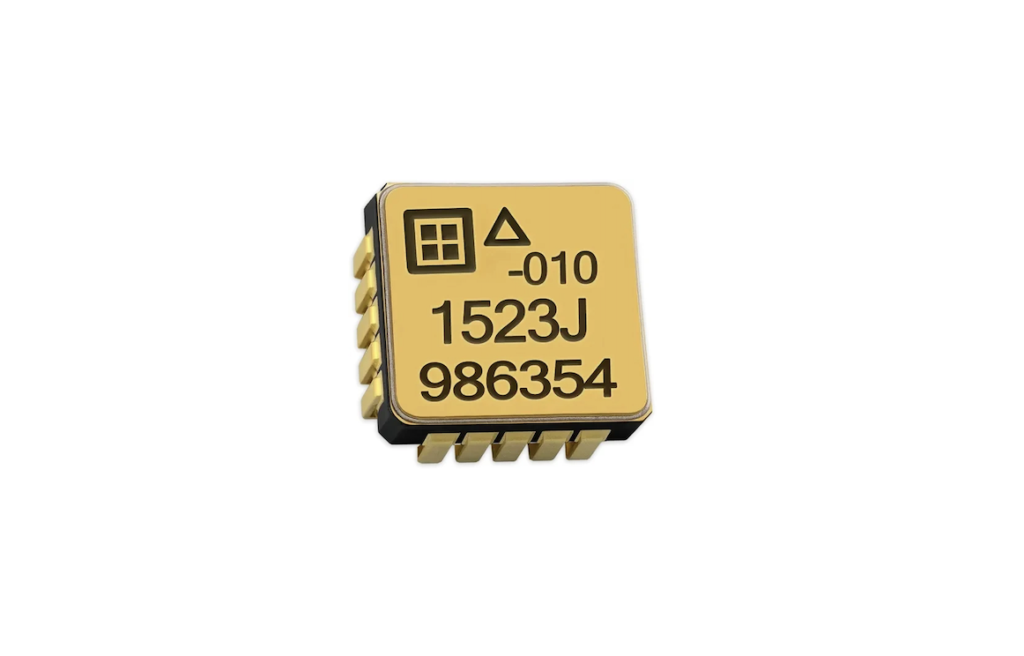
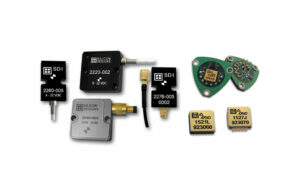
Accelerometers from Silicon Designs

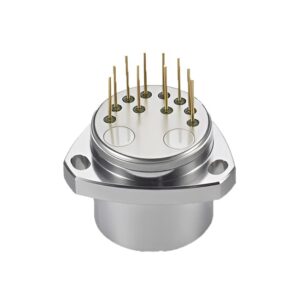
Accelerometers from Silicon Designs, the SDI 2470 & 2476.

Military accelerometers support various defense technologies, from Unmanned Aerial Systems (UAS), inertial navigation systems to missile trajectory control and high-G munition testing. Their integration enables accuracy in targeting, safety in launch sequences, and stability in operational platforms. For defense buyers and procurement teams, selecting the appropriate accelerometer model involves evaluating specifications like range, bandwidth, shock tolerance, axis configuration, and compliance with MIL-STDs.

Applications of Military-Spec Accelerometers

Inertial Navigation Systems (INS)

In aircraft, ships, armored vehicles, UAVs, and missiles, accelerometers work alongside gyroscopes to measure changes in velocity and support position estimation when GNSS signals are unavailable, degraded, or intentionally jammed. They are essential to inertial navigation systems that must maintain orientation and movement data without relying on external signals.

Missile Guidance and Control

Accelerometers for missile guidance provide acceleration data used by onboard control systems during launch, midcourse flight, and terminal maneuvering. They help maintain trajectory, support stabilization, and contribute to accurate targeting in high-dynamic flight environments.

Flight and Structural Testing

High-precision aircraft accelerometers capture vibration, shock, and dynamic load data during qualification. This information helps engineers assess structural behavior, fatigue risk, and survivability under military operating conditions.

Platform Stabilization

Accelerometers are used in naval vessels, UAVs, ground vehicles, and fixed installations to support the stabilization of weapon systems, electro-optical sensors, antennas, and communication payloads. By detecting motion and vibration, they help control systems compensate for platform movement.

Munition Testing

Rugged accelerometers are used in ballistic, fuze, warhead, and impact testing where sensors must survive very high G-forces. These devices record acceleration events during launch, flight, impact, and detonation testing.

Aerospace and Space Systems

Aerospace and space-grade accelerometers measure small forces for spacecraft control, payload stabilization, launch vehicle monitoring, and vibration testing. These sensors are selected for stability, low noise, and reliable operation across extreme environmental conditions.

Vibration Monitoring

Accelerometers installed in aircraft, armored vehicles, engines, and rotating machinery monitor vibration signatures that may indicate fatigue, imbalance, bearing wear, or mechanical failure. This supports maintenance planning and system health monitoring.

Types of Accelerometers Used in Defense

Defense applications demand various technologies, each selected based on mission-specific requirements:

Piezoelectric Accelerometers

Piezoelectric accelerometers use piezoelectric crystals to generate charge in response to mechanical stress. They are ideal for high-frequency vibration and shock monitoring and are widely used in weapons testing, propulsion systems, and aerospace structures.

MEMS Accelerometers

Microelectromechanical systems (MEMS) technology offers small form factors and low power consumption. MEMS units are common in UAVs, handheld systems, and embedded tactical devices. While lower in cost, tactical-grade MEMS models must meet strict performance thresholds to be viable for defense use.
Capacitive Accelerometers

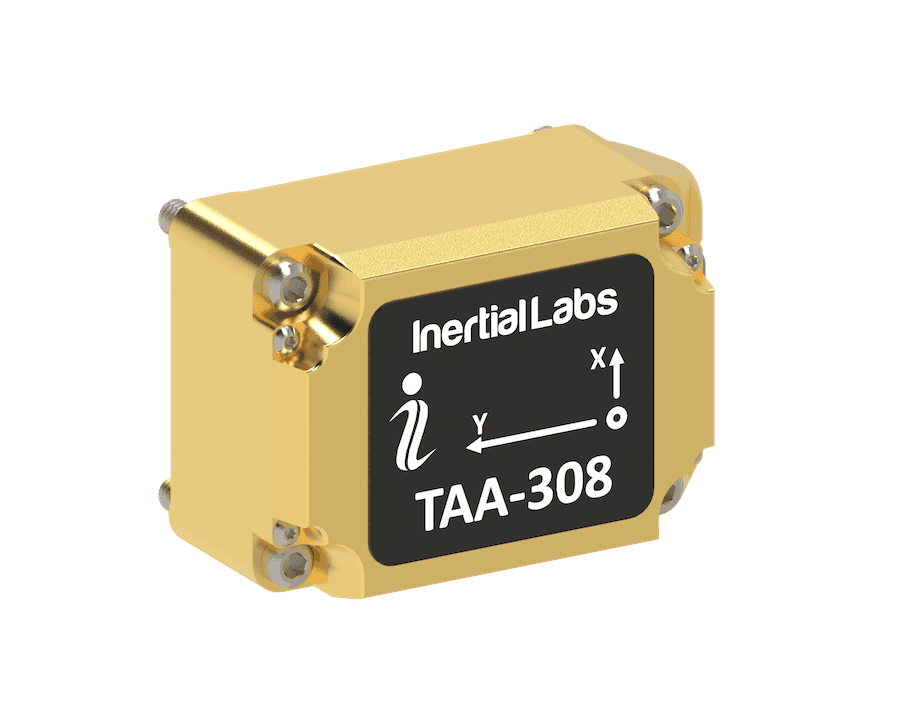
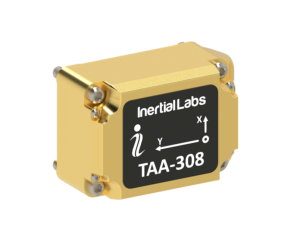
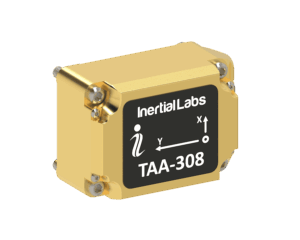
Accelerometer for uav navigation by Inertial Labs.

Accelerometer for uav navigation by Inertial Labs, the Three Axis Accelerometers (TAA).

Capacitive models detect changes in capacitance between microstructures during acceleration. They are preferred for low-frequency or DC acceleration measurements, such as in inertial navigation or structural health monitoring.

Piezoresistive Accelerometers

Piezoresistive devices measure resistance change due to applied force and are often used in high-shock environments such as ballistic testing. These sensors can capture transient events with very high G-levels.

Quartz Accelerometers

Quartz-based sensors provide stable and repeatable measurements in extreme temperatures and high-shock environments, making them suitable for long-term military deployments.

Triaxial Accelerometers

Triaxial models capture acceleration along three axes (X, Y, Z), enabling comprehensive motion analysis. These are essential in full inertial measurement units and multiaxis stability systems.

Grades of Accelerometer for Defense Operations

Accelerometers are often selected by performance grade as well as by sensor type. While grade definitions vary between manufacturers, they generally reflect accuracy, bias stability, noise performance, scale factor repeatability, bandwidth, shock tolerance, and environmental durability.

  • Tactical Grade Accelerometers: Designed for defense systems that require rugged, reliable inertial sensing in compact and cost-sensitive formats. A tactical grade accelerometer is commonly used in UAVs, guided munitions, missile subsystems, stabilized payloads, ground vehicles, and soldier-worn equipment where higher performance than commercial-grade sensors is required.
  • Navigation Grade: Provides lower noise, improved bias stability, and greater long-term accuracy for systems that must maintain position, velocity, and attitude data over extended periods. Navigation-grade accelerometers are used in higher-performance INS, missile guidance systems, naval navigation, aerospace platforms, and GNSS-denied operations.
  • Strategic or Space Grade: Represents the upper end of inertial sensor performance, supporting applications that require extremely low drift, high repeatability, and long-duration reliability. These sensors may be used in spacecraft control, strategic navigation, and other demanding defense or aerospace systems.
  • Commercial and Industrial Grade: Suitable for general motion sensing, basic vibration monitoring, and non-critical support systems. These sensors may be used in auxiliary equipment, test setups, or lower-risk applications, but may not provide the stability, ruggedization, or environmental qualification required for tactical military use.
Attribute Tactical Grade Navigation Grade
Accuracy Moderate High
Noise Performance Higher noise floor Low noise, stable bias
Drift Rate Higher Very low
Use Case Examples UAVs, handhelds, soldier systems Missile guidance, naval INS
Cost Lower Higher
Size Compact (MEMS-based) Larger form factors acceptable


Selecting the correct accelerometer grade helps engineers balance performance, cost, size, and operational risk. Over-specifying a sensor can add unnecessary cost and integration complexity, while under-specifying the grade may compromise navigation accuracy, stabilization performance, or survivability in high-shock military environments.

Specifications and Performance Considerations

When evaluating accelerometers for military systems, buyers must consider:

  • Shock Resistance: Some applications require rugged accelerometers to survive and function at 10,000 G or higher.
  • Bandwidth and Frequency Range: Accurate measurement of high-frequency events demands a wide bandwidth.
  • Sensitivity and Noise: Higher sensitivity improves measurement precision, but must be balanced with noise performance.
  • Temperature Stability: Sensors should perform reliably across military temperature ranges, often from -55°C to +125°C.
  • Sealing and Ruggedization: Hermetic sealing protects sensors from moisture, dust, and chemical exposure.
  • Size and Weight: Especially in UAVs or munitions, form factor is a constraint; MEMS sensors offer advantages here.
  • Output Signal Type: Analog voltage, digital (via ADC), or current loop outputs may be needed, depending on system integration.

Integration in Inertial Systems

Accelerometers are fundamental to inertial navigation systems (INS), particularly when GPS signals are denied or jammed. Combined with gyroscopes in an inertial measurement unit (IMU), the accelerometer tracks velocity changes and help maintain situational awareness in GNSS-degraded environments. Navigation and tactical-grade IMUs are embedded in:

  • UAVs and drones
  • Smart munitions
  • Missile seekers
  • Submarine and naval INS
  • Ground vehicle positioning systems

Advanced systems often pair accelerometers with digital signal amplifiers, ADCs, and filters to improve accuracy and data resolution.

Standards and Military Compliance

Military-grade accelerometers must comply with a range of technical and environmental standards to ensure reliability:

  • MIL-STD-810: Governs environmental engineering considerations, such as shock, vibration, and temperature extremes.
  • MIL-STD-461: Sets standards for electromagnetic interference (EMI) and compatibility.
  • MIL-PRF-38534: Establishes general performance standards for hybrid microelectronics, relevant for sensor modules.
  • STANAG (Standardization Agreements): NATO-specific standards for interoperability across member defense forces.

Additionally, devices must meet application-specific reliability metrics, including mean time between failure (MTBF) and lifecycle testing under load.
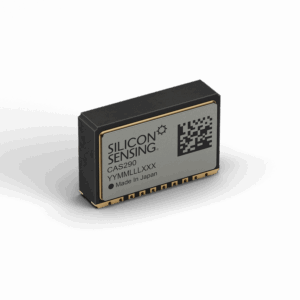
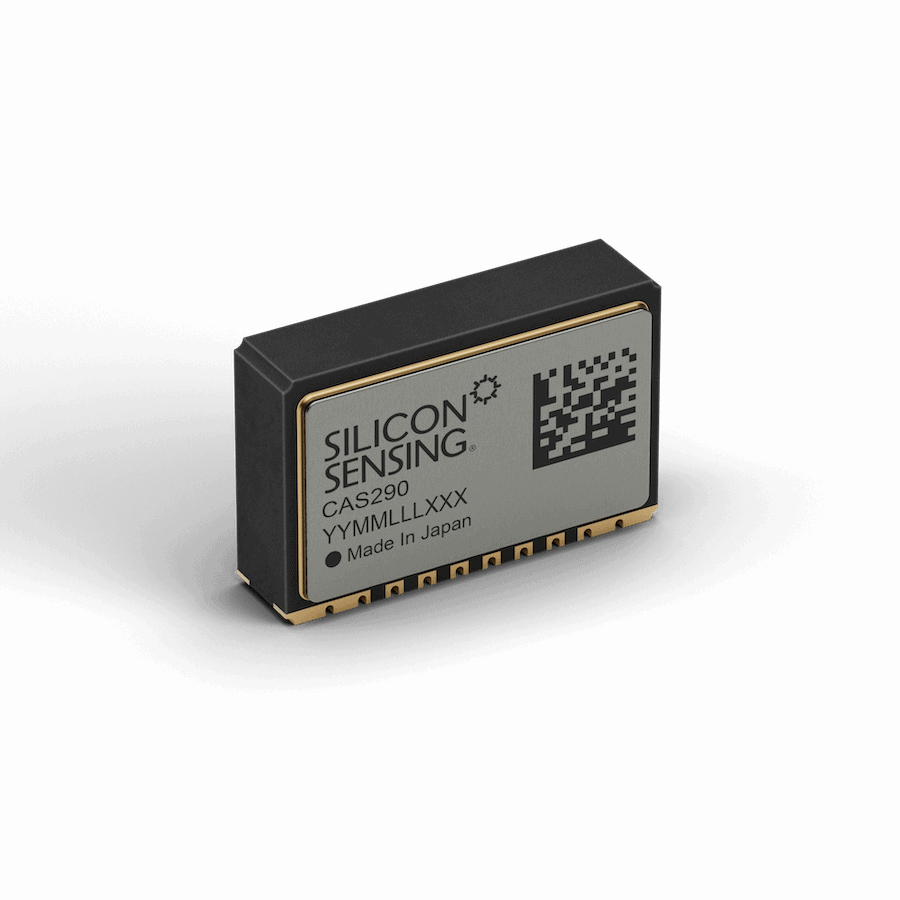
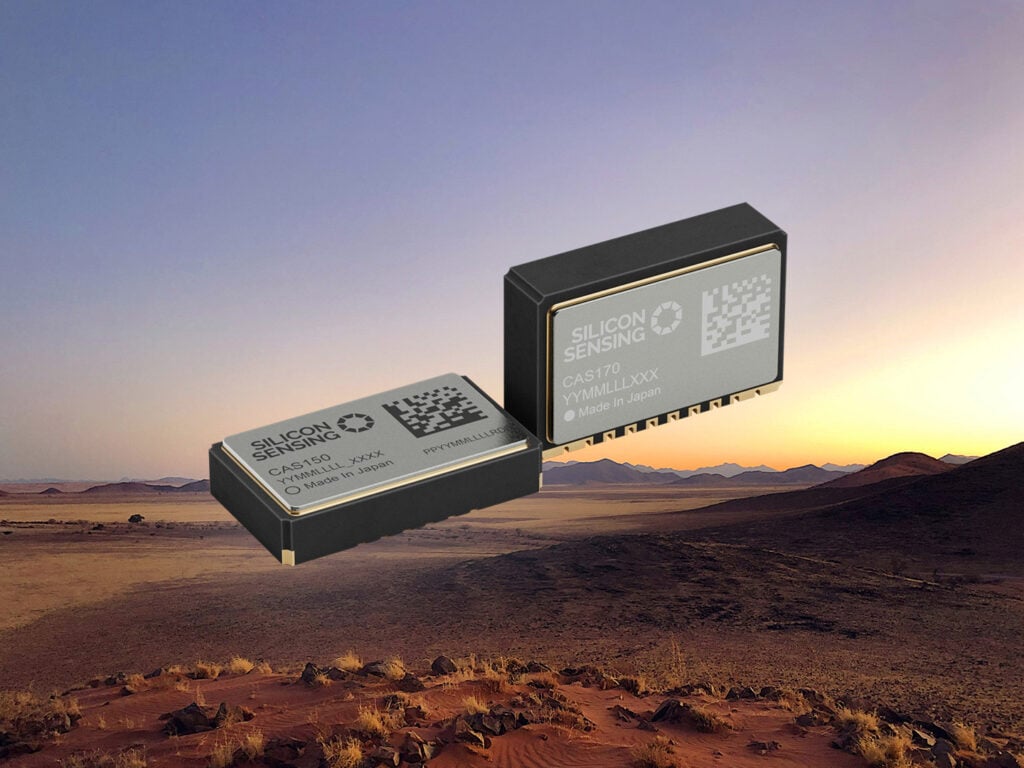
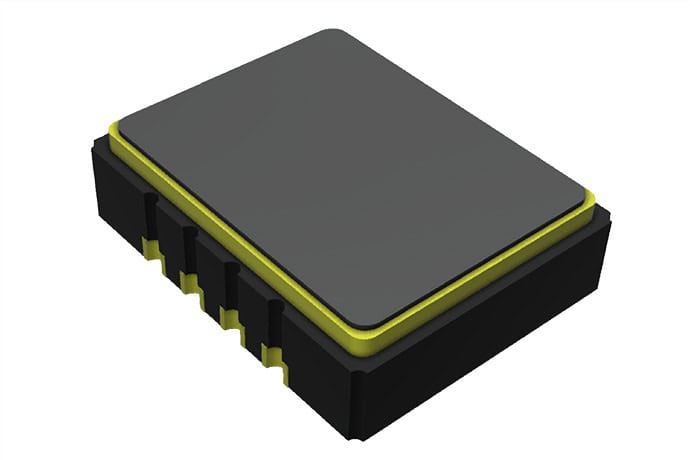
Accelerometer device from Silicon Sensing

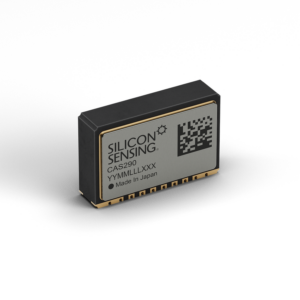
Accelerometer device, Gemini, from Silicon Sensing.

Procurement Considerations for Defense Buyers

Defense procurement teams must match specifications to end-use conditions. Procurement professionals often work with system integrators and engineers to determine:

  • Required measurement range and frequency
  • Axis configuration (1-axis, 2-axis, 3-axis)
  • Housing material and environmental protection
  • Data output needs (digital vs analog)
  • Interface protocols and integration complexity
  • Qualified manufacturers and traceable sourcing

Long-term supplier stability, lead times, and ITAR/EAR compliance are also procurement-critical factors. Buyers may prioritize vendors who offer MIL-spec certification, test data documentation, and support for integration into complex systems.
Understanding the grade of sensor required prevents overengineering and ensures mission effectiveness without unnecessary cost or complexity.

The defense sector is increasingly adopting:

  • Miniaturized MEMS with Higher Performance: Meeting tactical-grade specs in compact formats.
  • Integrated IMU Modules: Combining accelerometers, gyroscopes, and magnetometers for full sensor fusion.
  • Smart Accelerometers: Embedded processing for event detection and real-time decision support.
  • Advanced Materials: Use of novel piezoelectric materials and damping mechanisms for extended lifecycle.

Accelerometers will continue to be pivotal in converging autonomy, sensor fusion, and GPS-denied navigation across military operations.


Related Articles

Silicon Designs to Showcase Rugged MEMS Accelerometers at XPO USA 2026

Silicon Designs will demonstrate high-reliability MEMS DC accelerometers for defense and autonomy engineers at the XPONENTIAL 2026 exhibition in Detroit

May 12, 2026
Silicon Designs to Exhibit MEMS DC Accelerometers at Sensors Converge 2026

Silicon Designs Inc. will present its MEMS DC accelerometer technology at Sensors Converge 2026 in Santa Clara, highlighting sensors for precision test and measurement applications such as vibration analysis and structural testing

Apr 24, 2026
VectorNav Integrates High-G Accelerometers & Gyroscopes into Tactical IMU/INS Systems

VectorNav has expanded its Tactical Series IMU/INS systems with 90G and 250G accelerometers and 4000°/sec gyroscope ranges to support navigation performance in high-G mission profiles and GPS-denied or degraded environments

Mar 30, 2026
Silicon Sensing & Althen Expand Global Distribution Agreement

Silicon Sensing and Althen Sensors and Controls strengthen their partnership to meet rising demand for inertial technology across North America

Feb 13, 2026
Silicon Designs Inc. Redesigns Website to Streamline Accelerometer Search & Comparison

Silicon Designs Inc. has updated its website to help engineers and buyers more easily filter, compare, and evaluate MEMS DC accelerometers using streamlined search and category views

Jan 16, 2026
High-Precision MEMS IMUs for Autonomous Unmanned Systems & Robots

Micro-Magic’s U-Series MEMS IMUs combine high-performance gyroscopes and accelerometers to provide precise motion sensing and reliable autonomous navigation for unmanned vehicles and robotic platforms across aerial, ground, surface, and underwater applications

Dec 10, 2025
Advanced Motion Sensing Solutions Empowering Autonomous Robotics in Military Operations

Defense Advancement highlights AMCORIS' motion sensing technologies for autonomous systems and robotics in military, defense, and government sectors

Oct 24, 2025
Accelerometers Supporting Future of Aerospace Testing

Silicon Designs highlights how MEMS DC accelerometers deliver precise, reliable vibration and shock data essential for aerospace testing, validation, and data-driven system optimization

Oct 15, 2025
Selecting the Right Silicon Designs MEMS DC Accelerometer

Silicon Designs provides a comparison of its precision MEMS DC accelerometers, covering applications from general monitoring to extreme thermal and environmental conditions, with guidance on selecting the most suitable model

Aug 14, 2025