MEMS Gyroscopes
Discover cutting-edge solutions from 6 leading global suppliers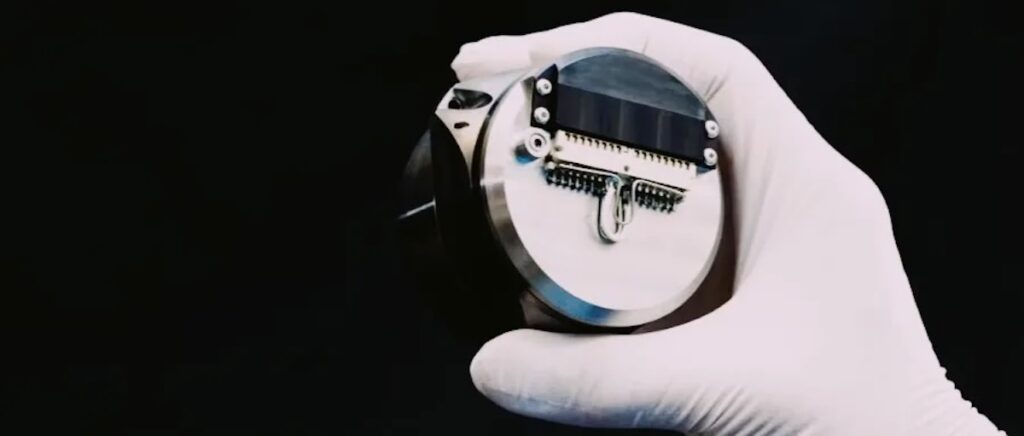
GuideNav explores Fiber Optic Gyroscopes (FOGs) in defense contexts, focusing on these systems’ long-term durability, calibration needs and maintenance procedures to overcome navigation errors.
For mission-critical navigation, even minor gyroscope errors can cause system-wide failure. So properly integrated Fiber Optic Gyroscopes, with advanced sensor designs and calibrated frameworks, featuring thermal compensation, mechanical isolation, and lifecycle-aware maintenance, ensure high reliability and endurance.
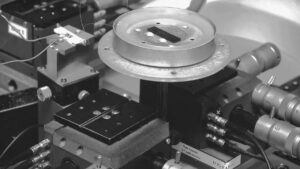
The article begins exploring how long a FOG lasts. FOGs use light and have no moving parts, eliminating mechanical wear. Advanced FOGs have demonstrated over 10 years of strong operation with bias drift still under 0.01°/hr, such as within submarine navigation, long-endurance UAVs, and high-G missile systems.
The guide explores calibration, or system realignment, in-depth. Typical procedures include bias modeling, scale factor adjustment, axis alignment, and thermal correction, with suggested calibration intervals varying by application. It is 12–24 months for UAVs, 6–12 months for land systems, and before each deployment in high-impact environments.
It also describes routine FOG maintenance, which should cover visual connector checks, power lines tests, internal bias monitoring, and thermal response reviews. Diagnostic features enable predictive maintenance, eliminating unexpected downtime.
GuideNav finally discusses FOG failure modes, such as signal degradation, fiber coil deformation, and connector fatigue, alongside specific prevention strategies. The company also provides tailored FOG solutions, including custom tuning, structural reinforcement and flexible OEM integration.
Read the full article here >>