Showcase your capabilities
If you design, build or supply Rugged Displays, create a profile to showcase your capabilities and connect with visitors who have an active requirement for your solutions.




Rugged displays are used in military platforms where shock, vibration, moisture, and extreme temperatures make commercial monitors unsuitable. Rugged display manufacturers and suppliers listed below provide display systems designed for defense applications, including vehicle-mounted, airborne, and portable use.
Read the Technology Overview



Rugged Image Processing & Mission-Critical Electronics for Defense Systems


Rugged Hardware & HMI Equipment for Mission-Critical Military, Naval & Defense Applications


WE ARMOR IT. MilSpec Electronics & Rugged IT Equipment for Military, Government & Critical Infrastructure

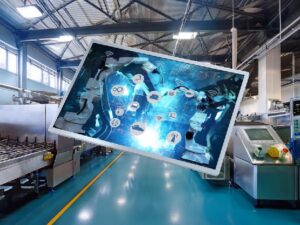
Mission-Critical Rugged Displays, Embedded Computing & Electronics for Defence Systems

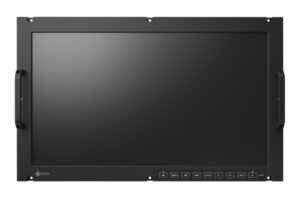
High-Performance Video Graphics, GPGPU, AI/ML Processing & Display Solutions for Mission Critical Environments

If you design, build or supply Rugged Displays, create a profile to showcase your capabilities and connect with visitors who have an active requirement for your solutions.

Rugged displays, also known as rugged monitors or ruggedized video display units (VDUs), are integral to military vehicles, shipboard consoles, avionics systems, unmanned platforms, and tactical command centers. They bridge human and digital domains, displaying sensor feeds, navigation data, and weapon system information where reliability can define mission success.
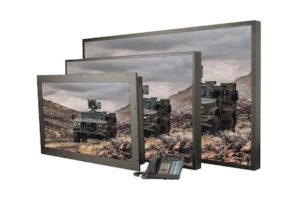
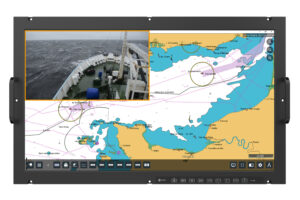
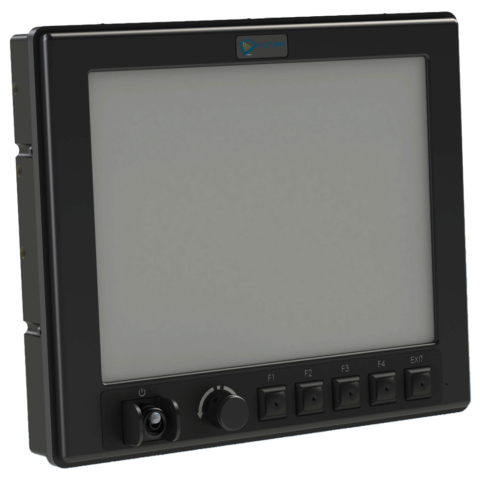
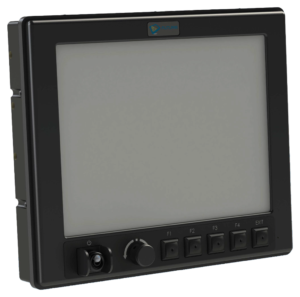
Titan™ Series by General Digital
Panel‑mount rugged displays are installed within fixed housings or control stations aboard vehicles and ships. They feature sealed front panels, conformal coatings, and anti‑corrosion hardware. Such displays often meet IP65 or higher ingress protection standards and are tested for vibration resistance under MIL‑STD‑810 procedures.
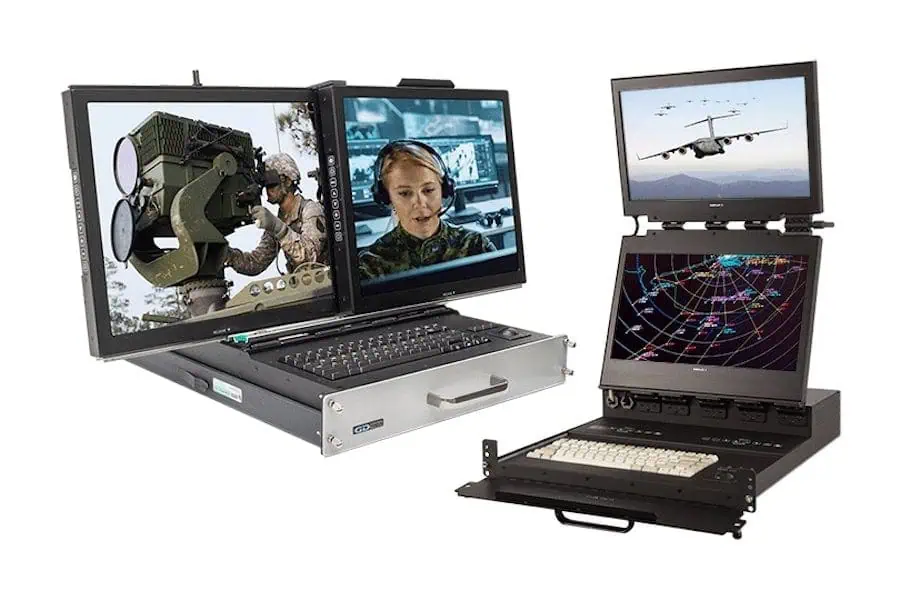
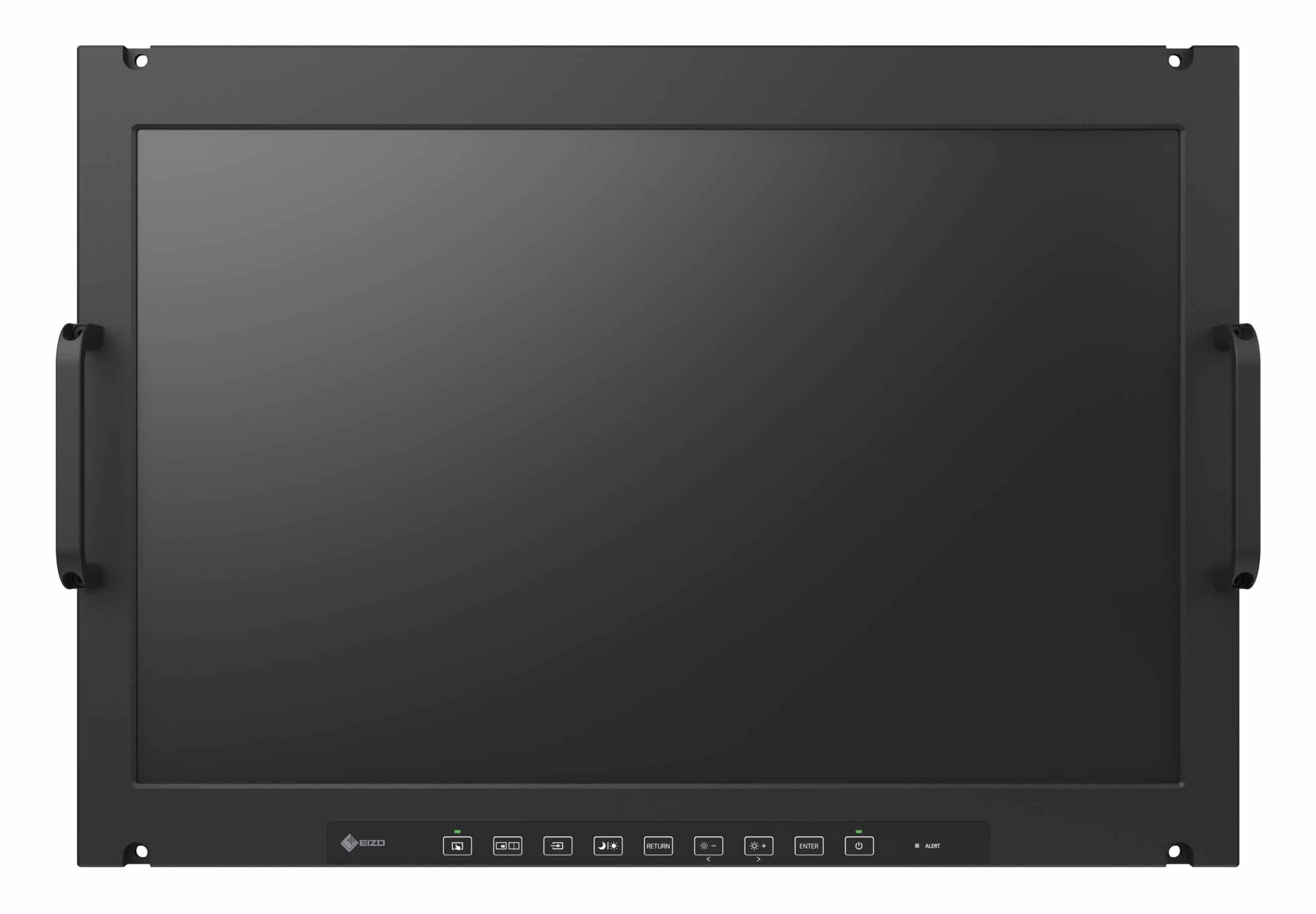
Rackmount rugged monitors are favored in command shelters, ground control systems, and shipboard operations rooms. They provide modular integration and allow multiple displays to be installed in compact racks. Drawer‑style units slide out for field servicing or reconfiguration, balancing accessibility with protection.
Portable displays combine durability with mobility. Used in UAV ground control kits , dismounted command units, or rugged PDAs, these devices must endure drops, temperature shifts, and dust ingress while maintaining daylight readability. Power efficiency, battery performance, and interface flexibility are key selection factors.
In armored vehicles and unmanned ground platforms, rugged vehicle displays serve as control and feedback interfaces. They connect to sensors, cameras, and fire‑control systems. These displays require sealed connectors, shock mounting, and high‑brightness screens to maintain visibility through direct sunlight and ballistic glass.
Compact rugged display modules integrated into helmet systems project critical information directly into the operator’s field of view. Helmet‑mounted displays (HMDs) require minimal weight, NVIS compatibility, and precision optical alignment.
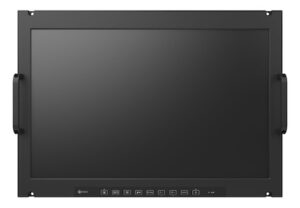
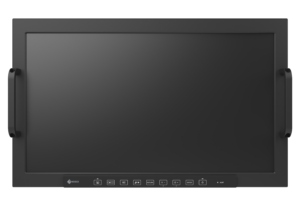
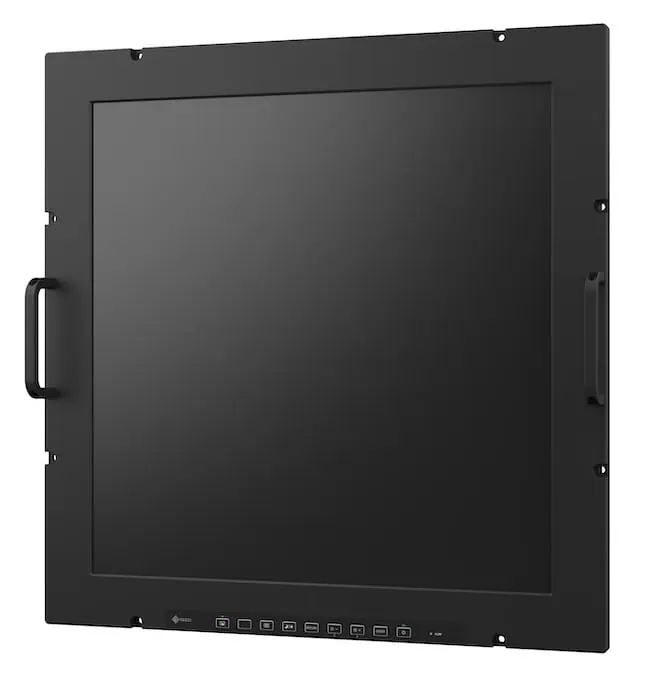
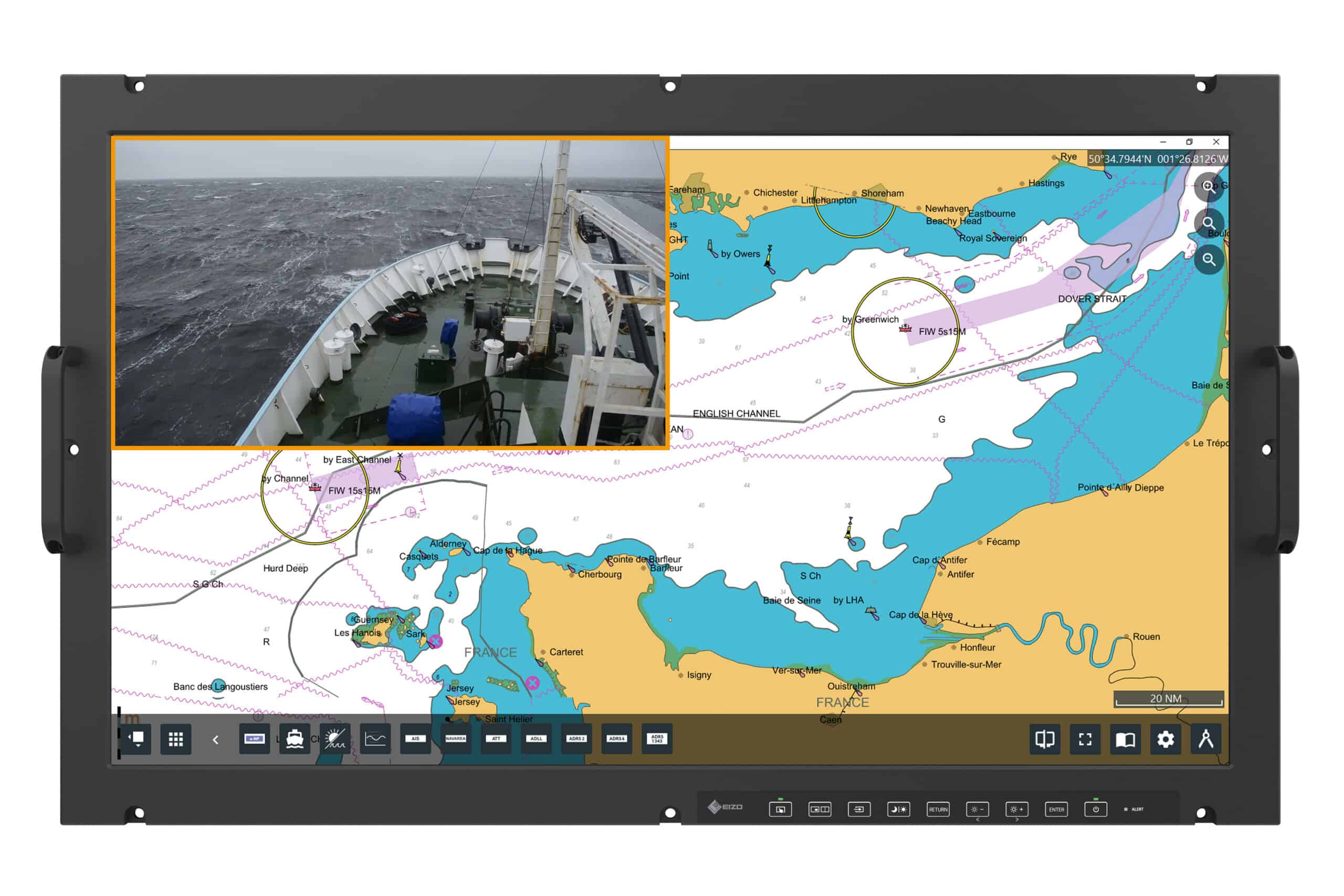
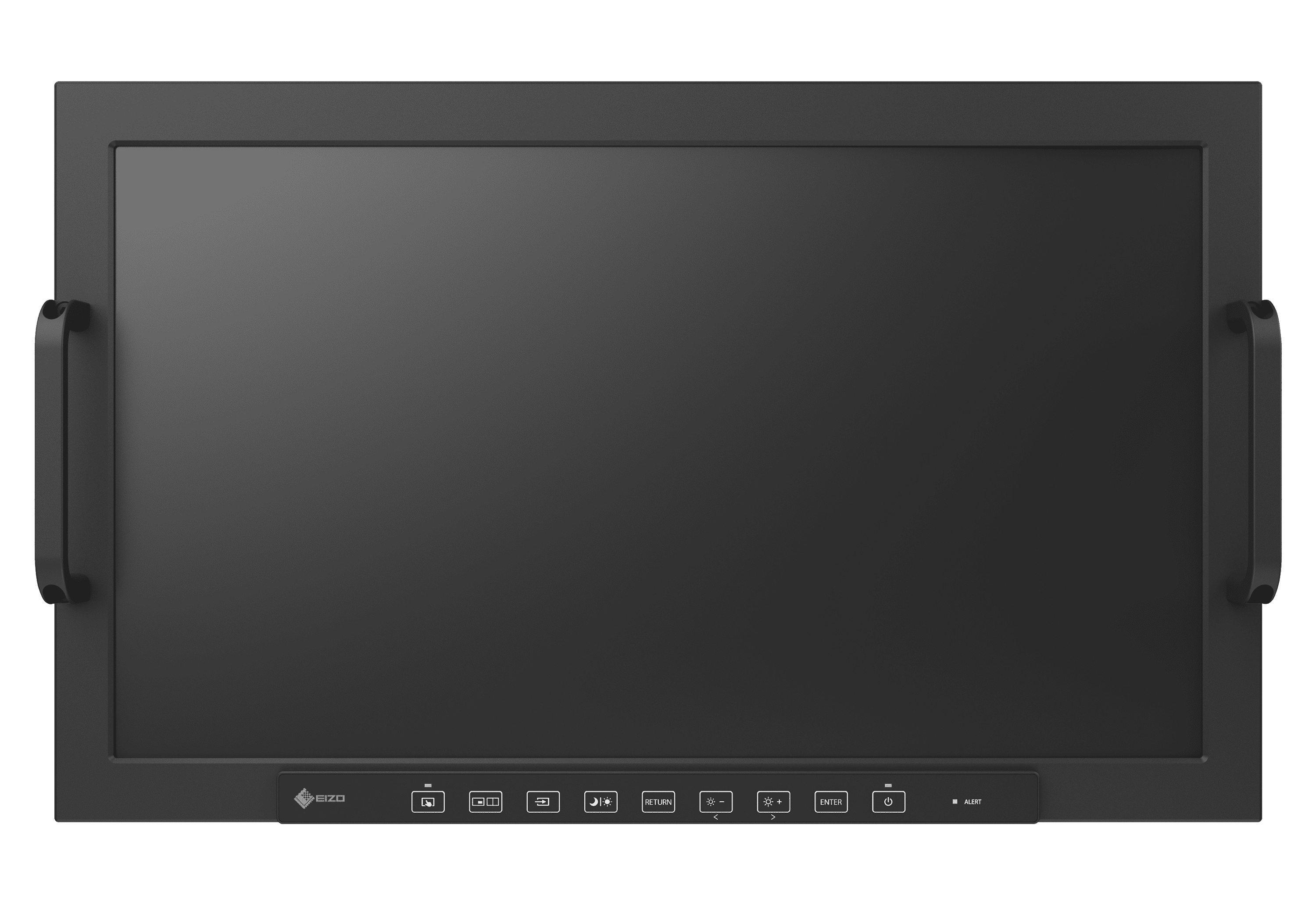
Talon RGD2401W by EIZO Rugged Solutions
Rugged displays must tolerate sustained exposure to vibration, shock, moisture, and contaminants. Compliance with MIL‑STD‑810H ensures that each unit can operate across temperature extremes, resist salt fog, and endure mechanical shock. MIL‑STD‑461 defines electromagnetic compatibility, reducing interference with onboard radios and radar systems. Mechanical durability is achieved through sealed enclosures, internal shock absorbers, and conformal coatings that protect circuit boards from humidity and debris.
Displays may encounter operational environments from –40 °C to +70 °C. To sustain clarity and responsiveness, rugged monitors integrate internal heaters, heat sinks, or thermostatically controlled fans. Some configurations include passive thermal paths and advanced heat spreaders to maintain brightness uniformity while minimizing noise and failure points. Power systems are equally flexible, typically accommodating 9–36 V DC with transient suppression and redundant converters.
Visual performance remains the defining attribute of a defense‑grade display, achieved through advanced optical components. Sunlight readability, often exceeding 1,000 nits, ensures visibility in open daylight. Optical bonding enhances contrast and prevents fogging between glass layers. Anti‑glare and anti‑reflection coatings reduce light scatter, while night vision imaging system (NVIS) filters maintain compatibility with night vision goggles. Displays intended for sensor imagery or targeting applications may also include high‑bit‑depth color calibration or gamma correction circuitry.
Many defense displays incorporate resistive or projected capacitive (PCAP) touch sensors. Resistive screens support gloved input and remain functional in rain or dust, while PCAP touch panels offer multi‑touch control for complex system interfaces. Touch electronics are hardened against EMI and temperature fluctuations, ensuring responsiveness in the field.
Interfacing flexibility allows integration across legacy and next‑generation platforms. Rugged displays commonly support:
Sealed MIL‑DTL‑38999 connectors and gasketed feedthroughs prevent contamination while maintaining signal integrity. Advanced models include programmable interface boards that allow field reconfiguration between protocols.
Fixed‑wing and rotary aircraft employ rugged displays for flight data, navigation, and sensor imagery. Avionics panels, HUDs, and multi‑function displays are NVIS‑compatible and built to minimize reflection in bright cockpits. Integration with mission computers occurs through redundant serial or MIL‑STD‑1553 buses.
Ground vehicles, from main battle tanks to light tactical transports, rely on rugged monitors for situational awareness and targeting. Displays operate alongside stabilized sensor turrets, driver vision systems, and turret control units. Rugged vehicle displays often incorporate high‑brightness LCDs with shock‑resistant mounts and redundant power lines.
Shipboard control rooms and combat information centers deploy large rackmount rugged displays with optical bonding and salt‑resistant coatings. Submarine consoles use conformally coated electronics to resist condensation and pressure variation. All units must comply with MIL‑DTL‑901 shock standards.
Unmanned aerial, surface, and ground systems depend on portable or fixed rugged displays in control stations. Operators view telemetry, camera feeds, and mission maps on sunlight‑readable screens, often with multiple video inputs and secure Ethernet links.
In shelters and field command posts, rugged rackmount monitors display maps, sensor fusion data, and live video streams. These are designed for rapid setup, thermal stability, and long operational uptime.
Rugged military displays are verified against an extensive set of standards to ensure interoperability and endurance:
Adherence to these standards assures defense acquisition officers that equipment can withstand operational extremes without degradation.
Because defense programs outlast most commercial components, lifecycle support is critical. Procurement officers should confirm vendor commitments for product longevity, upgrade compatibility, and spare availability. Long‑term configuration control ensures that displays remain interoperable over multiple deployment cycles.
Defense integrators frequently request bespoke mechanical designs, custom bezels, or alternate I/O configurations. Modular interface boards allow the same display to be adapted to different platforms, minimizing qualification costs.
Comprehensive acceptance testing, including thermal cycling, vibration, humidity, and EMI evaluation, verifies compliance before deployment. Extended burn‑in and stress screening further ensure long‑term reliability.
Rugged display suppliers should maintain ITAR and DFARS compliance, audited manufacturing processes, and secure supply chains. Traceable sourcing and controlled documentation protect against counterfeit or non‑compliant components.
Emerging trends in defense visualization include the adoption of OLED and micro‑LED panels for enhanced contrast, AI‑assisted image processing for sensor fusion, and augmented‑reality overlays within wearable displays. Increasing integration with autonomous systems will require rugged displays capable of handling high‑bandwidth video and encrypted data streams with minimal latency.
Rugged display systems will also evolve toward modular open architectures (MOSA), allowing seamless platform integration while reducing development cost. Future generations may incorporate self‑healing coatings, adaptive brightness control, and cyber‑secure firmware for data protection.
Rugged displays are more than screens; they are the operational eyes of modern defense systems. From armored vehicles to airborne reconnaissance, they deliver visibility, reliability, and precision in environments where failure is not an option. Selecting the right rugged display requires balancing brightness, interface compatibility, environmental resistance, and lifecycle sustainability. For defense engineers, buyers, and system integrators, these displays represent a cornerstone of mission‑critical performance, ensuring that every byte of battlefield data remains visible, interpretable, and actionable under all conditions.


 Searching Companies & Products