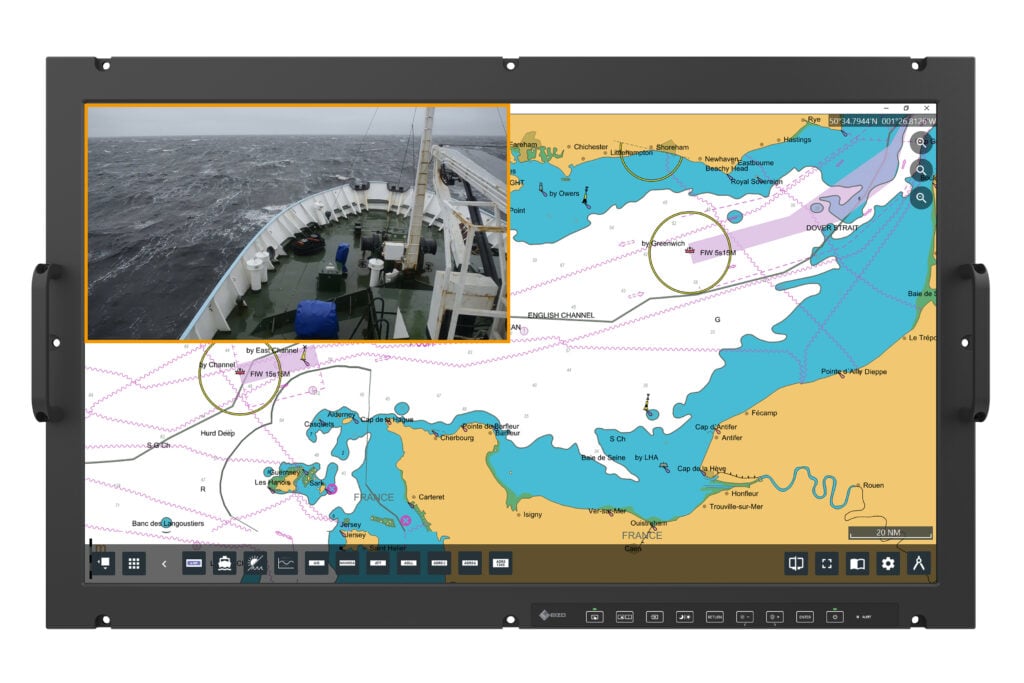
Rugged Displays
Discover cutting-edge solutions from leading global suppliers
General Digital, a developer of ultra-reliable rugged displays, workstations and keyboards for defense and military applications, provides a detailed overview of the primary factors to consider when configuring ruggedized displays. Read more >>
Ruggedized equipment offers extensive customization options, with General Digital’s modeling system providing over 120 million variations.
Resolution
Resolution affects image quality, with more pixels leading to a higher-quality image. Resolution typically does not significantly increase cost, though options may be limited for small volume orders. Not all resolutions are available in all sizes. For example, a 1920×1200 HD output with a bottom bar is only offered in select sizes.
Inputs
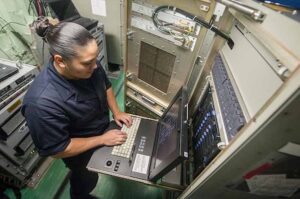
Display inputs must align with other system components and their configurations, including video source outputs and available power. Existing components may require conversion, or displays may be configured to integrate with existing power sources.
Physical Size
Size is a critical factor in display selection. Usage, available space, and portability compared to available viewing area must be considered. Smaller displays are easier to transport due to the smaller dimensions and lighter weight, but provide less screen area. Rack space often constrains display size in military applications.
Environmental Requirements
Ruggedized displays are designed for harsh and extreme conditions. Key considerations include mounting location, such as a countertop, desk, wall, standalone, or integrated into a larger system.
Outdoor environments often require rainproofing and sunlight readability, with some applications needing protection against Electromagnetic Interference (EMI). Environmental factors such as temperature, humidity, altitude, and exposure to salt, fungus, or blowing sand determine requirements for glass coatings, sealing, and impact resistance.
Human Interface & Interaction
Modern monitors support interaction beyond visual output. Touch screens, gesture control, or buttons may be required depending on user needs and environmental limitations. High-vibration environments, like tanks or helicopters, may reduce the practicality of touch screens.
Additional customizable features include audio preferences such as speakers or headphone jacks. Final selections however are determined by how and where individual ruggedized displays are being used, whether that be mission- and safety-critical military, medical and transportation applications or commercial uses.
To find out more information read ‘Understanding Key Options for Ruggedized Displays’ here >>