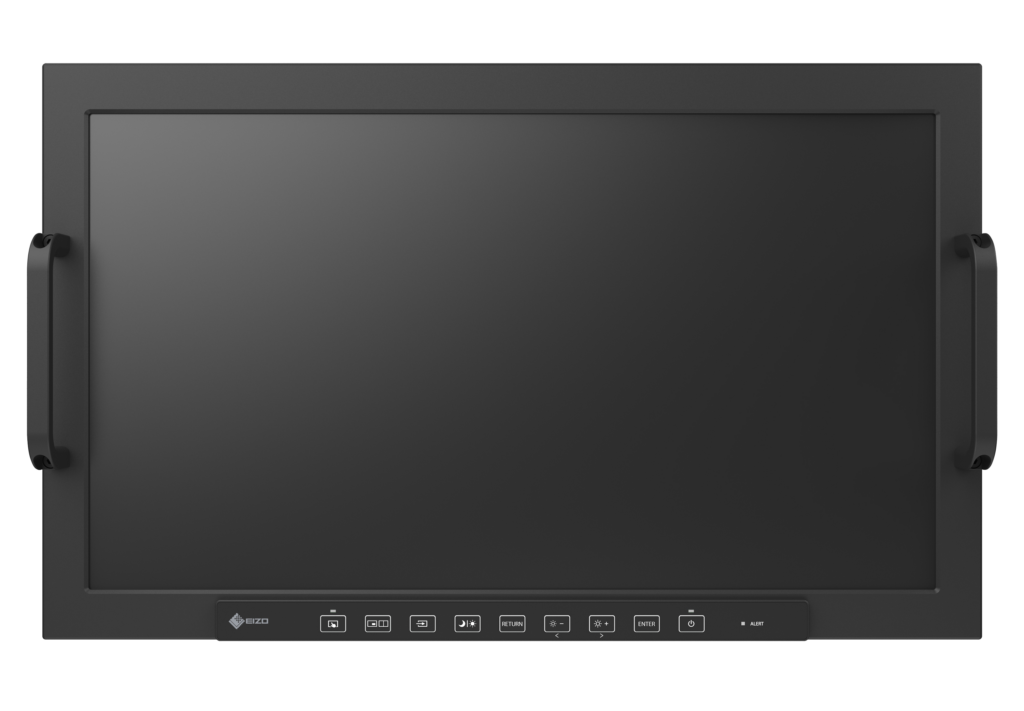
Rugged Displays
Discover cutting-edge solutions from leading global suppliersGeneral Digital designs and manufactures displays that are integral to both daily life and mission-critical applications, yet many users rarely consider what happens behind the screen.

At its core, a display takes digitized data from a source, via HDMI, USB-C, EDI, or even wireless connections like Bluetooth®, and converts it into a visual image.
The process begins with several rapid transformations. A decoder translates the incoming signal to the display’s native format, a scaler ensures the image fits the screen, a renderer adjusts the colors, and a ditherer adds depth by diffusing pixels. The result is a frame-by-frame creation of the final image.
Displays are composed of tiny pixels, each containing red, green, and blue (RGB) values that combine to produce over 16 million possible colors. A backlight, or in the case of OLED, self-emitting LEDs, illuminates these pixels to generate the final picture. LED-backlit LCDs provide bright white light, while OLEDs deliver richer blacks and thinner profiles.
Modern displays continue to evolve, relying on the coordination of graphics cards, processors, and adaptive technologies. When sourcing advanced displays, especially for critical applications, understanding the full system is key to ensuring optimal performance.