Cyber takeover systems represent a pivotal tool in modern defense, enabling the control and neutralization of enemy drones through advanced RF and cyber techniques. These systems bypass conventional counter-UAS measures by exploiting vulnerabilities to seize control of hostile drones, offering a strategic advantage in military operations. Designed for use in complex, no-line-of-sight scenarios, they provide robust solutions against evolving drone threats and contribute to securing critical airspace.
If you design, build or supply Drone Cyber Takeover Military CUAS, create a profile to showcase your capabilities and connect with visitors who have an active requirement for your solutions.
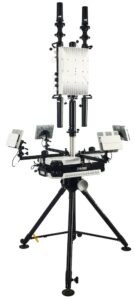
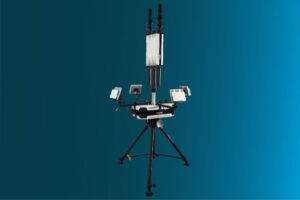
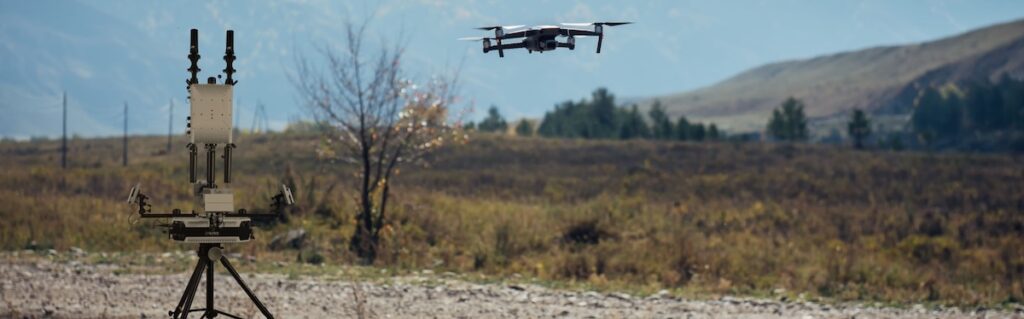
Tripod-mounted tactical deployment kit for mobile, multilayer counter-drone defense
Tripod-mounted tactical deployment kit for mobile, multilayer counter-drone defense
......d coordination of multiple systems for wide-area drone defense across diverse military... ...lutions equips military and security forces with a rapidly deployable tripod-mounted system for...
Drone cyber takeover technologies are a commonly used and pivotal element of military counter UAS (C-UAS) operations, providing non-kinetic solutions to the growing threats of drone attacks and surveillance.
With unmanned aerial systems (UAS) being increasingly deployed for reconnaissance, surveillance, and offensive capabilities, defense forces are incorporating cyber takeover as part of military anti drone technology frameworks to protect assets and ensure effective drone security.
A traditional anti drone system often relies on kinetic methods such as projectiles and explosives in order to intercept and destroy rogue drones. However, in environments where no-line-of-sight conditions prevail, kinetic counter drone systems may prove ineffective. Kinetic drone countermeasures may also produce hazards due to shrapnel and falling drones, posing a risk to personnel.
Drone cyber takeover methods bypass these issues by exploiting communication vulnerabilities, cutting the drone’s connection to its operator, and initiating remote-controlled drone takedown procedures. This technology can be indispensable in urban environments, dense battlefields, and scenarios where engagement risks are high.
Cyber takeover systems also provide a strategic advantage by neutralizing threats while preserving the drone’s structure and onboard data. This enhances intelligence gathering and situational awareness, allowing further analysis and reducing collateral damage.
Components of Drone Cyber Takeover Systems
Fully integrated military drone detection technology and cyber takeover platforms may be composed of multiple interlocking systems that work in unison to detect, classify, track, and neutralize a drone incident. The core components include:
Drone Detection and Tracking Systems
Radar Arrays: Multi-band radar systems can provide long-range drone tracking capabilities, identifying incoming drones at various altitudes and ranges. These radars are optimized for small, low-profile UAS targets that conventional military radar could miss.
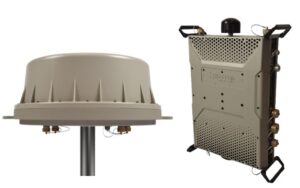
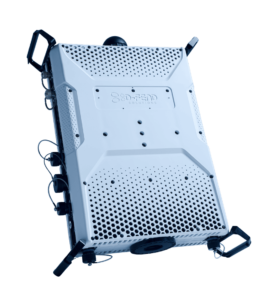
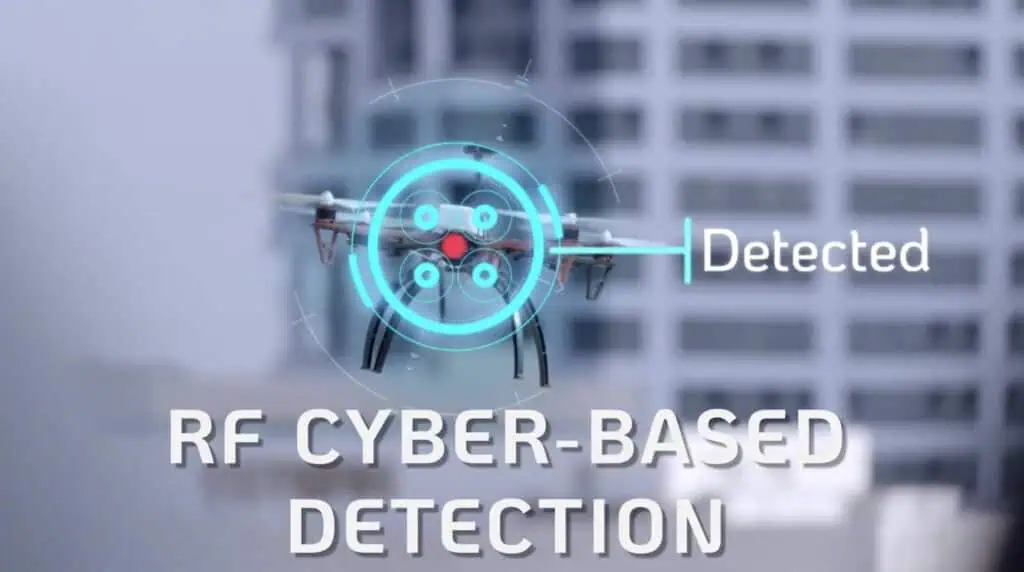
EnforceAir RF Cyber Takeover Counter-Drone System by D-Fend Solutions.
RF Scanners and Spectrum Analyzers: RF drone detection tools can continuously monitor radio frequencies, leveraging ultra-wideband antennas to detect drone command signals, GPS and GNSS signals, and downlinks. By intercepting these signals, RF analyzers can deliver vital intelligence on the drone’s flight path and origin, providing key drone detector capabilities.
Electro-Optical/Infrared (EO/IR) Sensors: EO/IR sensors visually confirm drone presence, and may use computer vision and AI algorithms to aid detection and tracking. Infrared imaging ensures detection during night operations or low-visibility conditions such as adverse weather.
Communication Interception and Disruption
Signal Jammers: Drone signal jammers a vital role in C-UAS engagements by severing drone connections to their ground stations and operators.
Spoofing Systems: Communication GPS spoofers transmit false signals, misleading the drone’s navigation systems. By simulating trusted GPS coordinates or control signals, spoofers redirect hostile drones away from sensitive zones or induce safe landings.
Cyber Exploitation Modules
Payload Exploit Software: These modules are designed to infiltrate drone firmware, overriding operational commands. Through vulnerabilities in proprietary drone operating systems, military forces can effectively take control of a drone and conduct a complete drone takeover.
Protocol Emulation: This capability allows cyber systems to mimic drone operator signals, tricking the drone into accepting new flight instructions. This is crucial for drone takedown without causing physical damage.
Command and Control (C2) Interface
Unified Command Consoles: Operators control the entire anti drone system from centralized command centers, where detected drones are flagged and targeted. Command and control platforms aggregate data from radar, RF scanners, and sensors, providing a comprehensive situational awareness overview.
AI-Driven Threat Analysis: Advanced artificial intelligence algorithms analyze incoming drone patterns, distinguishing between hostile, friendly, or civilian drones. This minimizes the risk of false positives while optimizing the speed of response, enhancing the drone defense system.
Types of Cyber Takeover Counter UAS Solutions
Cyber takeover drone mitigation systems have been produced in various form factors to suit a range of deployment applications and operational requirements, ensuring scalability across different military environments. These include:
Fixed Installations: Long-range military drone detection systems are often installed at military bases, forward operating posts, and sensitive sites. These installations form the backbone of static drone mitigation and tracking networks, continuously scanning for an immediate drone threat over extended periods.
Mobile CUAS Units: Vehicle-mounted counter drone technology platforms enable forces to establish an anti drone device in active combat zones or during convoy operations. These units are equipped with radar, RF analyzers, and drone takeover tools, allowing real-time interception while on the move.
Man-Portable Systems: For special forces or mobile infantry units, backpack-sized drone detection and cyber modules provide field-deployable solutions. These lightweight systems offer localized situational awareness and immediate response to low-flying drones in urban warfare settings or in the field.
Applications of Cyber Takeover C-UAS Systems
The rise in low-cost, commercial off-the-shelf (COTS) drones has expanded the threat landscape, driving the need for robust military anti drone technology.
Hostile actors are increasingly using drones for reconnaissance, weapon delivery, and sabotage, posing significant risks to military operations and national security. Drone cyber takeover solutions address this challenge across various domains:
Battlefield Operations: A drone threat on the battlefield may compromise troop movements and expose vulnerabilities. Cyber takeover tools allow military forces to secure airspace, intercept surveillance drones, and neutralize threats in real time.
Drone Protection for Critical Infrastructure: Military bases, energy facilities, and command centers are prime targets for incursions from unauthorized drones. Counter UAS systems can safeguard these locations, ensuring continuous surveillance, response, and defense against drones.
Naval Drone Interception: Naval vessels are facing increasing maritime threats, being targeted by drones for surveillance or attack. A typical ship-mounted marine anti drone system often leverages cyber takeover technology to provide maritime drone defense, protecting carrier groups and supply chains with drone detection at sea.
Anti Drone Security at Borders: No-line-of-sight conditions along borders necessitate a C-UAS system capable of neutralizing and detecting drones that traverse difficult terrain. Cyber takeover systems extend surveillance beyond visual range, securing national borders from illegal drone activity.
Teledyne FLIR OEM's new software stack leverages artificial intelligence and thermal infrared processing to detect small, hard-to-track drones with fewer than four pixels on target
D-Fend Solutions partnered with Hamilton Police to deploy the EnforceAir2 system, providing non-disruptive drone detection and real-time situational awareness for the 55th Annual JUNO Awards
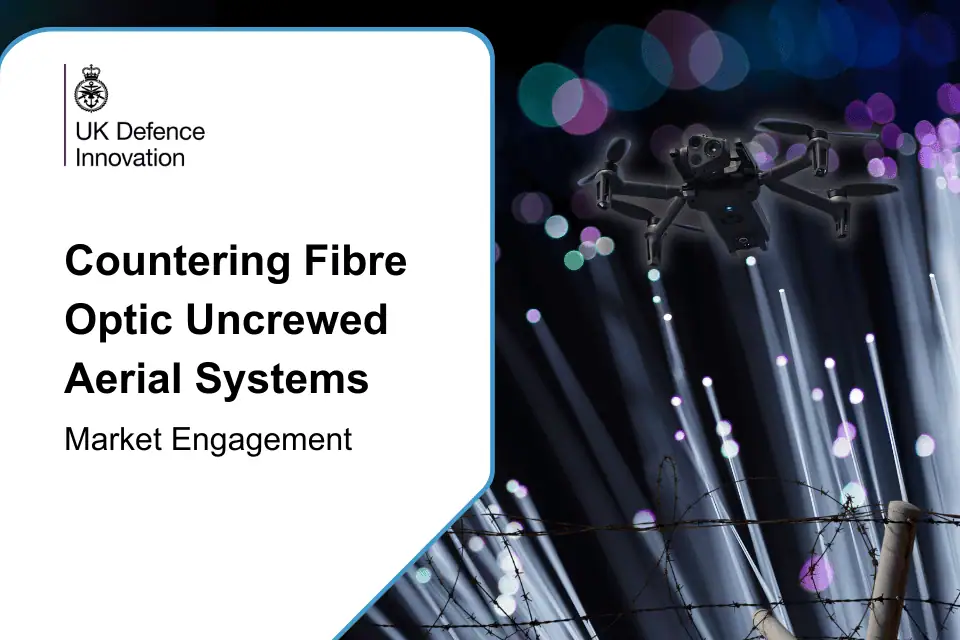
The UK Ministry of Defence is launching a market engagement activity to identify innovative technologies capable of detecting and defeating fiber optically controlled uncrewed aerial systems that bypass traditional countermeasures
Featured in Gartner’s Emerging Tech report, D-Fend Solutions is highlighted amid growing investment in scalable, non-kinetic counter-drone systems for urban and civilian environments
Urban environments are emerging as the next front in drone defense, as ParaZero highlights how counter-UAS strategies are adapting from battlefield applications to city security
Jeffrey Starr, D-Fend Solutions' CMO, discusses how the company's EnforceAir PLUS counter-drone system combines RF-Cyber, radar, AI, and optional jamming to detect and neutralize threats, enhance situational awareness, and support diverse government and military operational environments
D-Fend Solutions presents a detailed review of five principal drone detection technologies, highlighting technical limitations, environmental influences, and integration requirements for enhanced counter-UAS performance
The latest defense technology news, straight to your inbox.
Get our weekly roundup of technology developments, new products and industry news.
THANK YOU FOR SIGNING UP
Thanks for joining us. Check your inbox.
We've sent you an email. Click the confirmation link to complete your subscription to the weekly eBrief. In the meantime, explore the latest news, suppliers and technologies on DA.
Advancing Defense Capability Through Strategic Collaboration
Defense Advancement works with major OEMs to foster collaboration and increase engagement with SMEs, to accelerate innovation and drive defense capabilities forward.