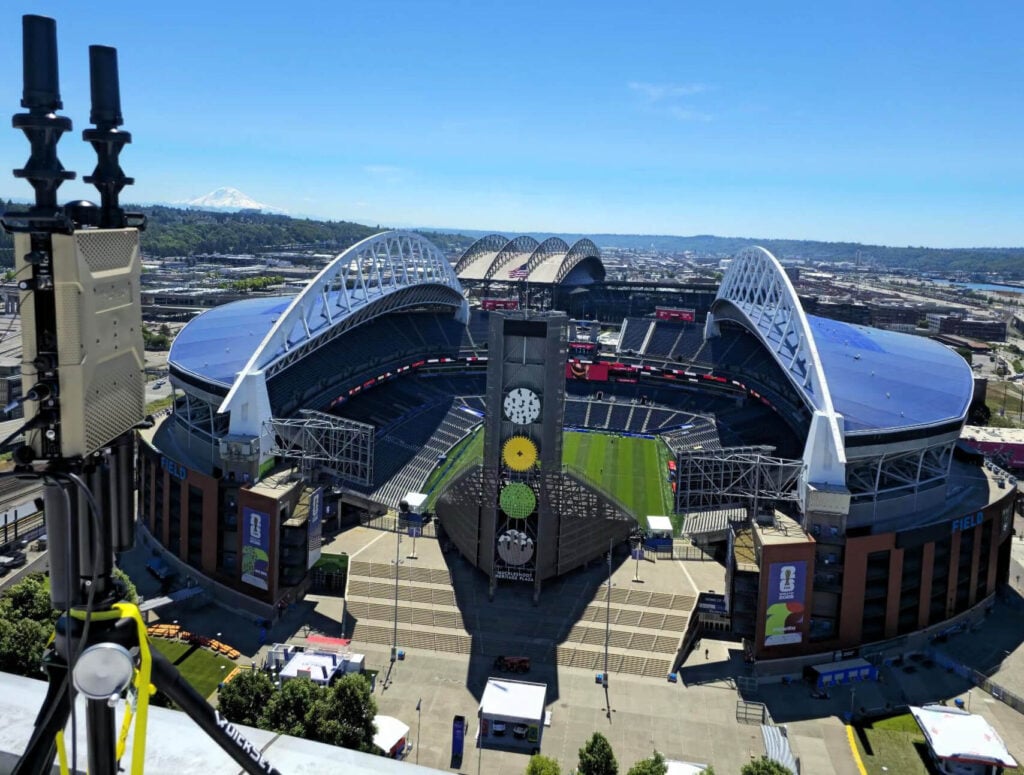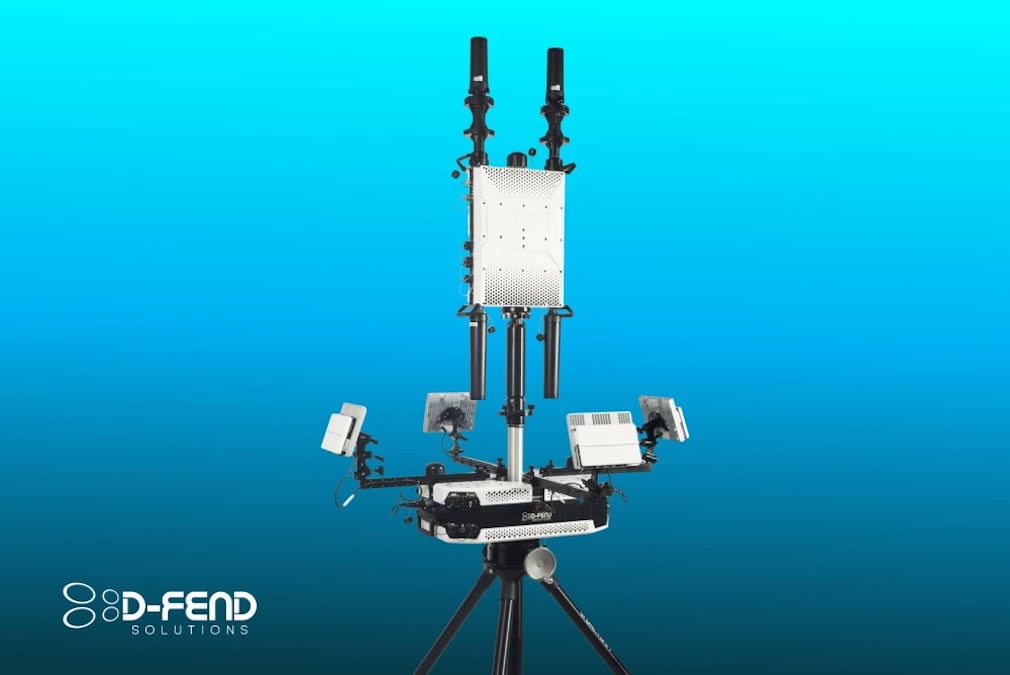
D-Fend Solutions positions its EnforceAir systems as essential tools for police agencies responsible for large events, emergency response, and sensitive facilities.

As small drones have become inexpensive and widely available, they are increasingly used to capture unauthorized imagery, deliver harmful materials, or interfere with public-safety operations. Rogue aircraft can create disorder, attempt dangerous actions, or monitor police activity without detection, and in higher-risk settings may hinder emergency responders or complicate public-safety efforts.
Targeted RF Cyber Control
EnforceAir employs a controlled RF cyber-takeover approach designed to preserve communication integrity and keep authorized law enforcement drones active. The system identifies, locates, and classifies unauthorized aircraft and, when regulations permit, takes command and directs each drone to a designated recovery point. For situations requiring escalation, EnforceAir PLUS adds an optional RF-effector jamming capability engineered to limit interference with critical communication channels.
Overcoming Detection and Mitigation Constraints
Traditional detection tools can struggle in police environments. Small drones may resemble wildlife on radar, optical sensors can trigger false alerts, and quieter aircraft reduce the effectiveness of acoustic systems. Broad-spectrum jamming risks disrupting first-responder communications and may affect authorized drones, while kinetic responses create safety hazards due to uncontrolled landings.
EnforceAir mitigates these issues through precise identification, continuity-preserving RF control, and guided landings that help maintain operational stability.
Law Enforcement Airspace Threats
Unauthorized drones create several risks for police agencies. They may conduct surveillance on facilities, tactical teams, or command centers, or deliver hazardous or disruptive payloads into secure or public areas. Drones can obstruct first responders, broadcast or stream sensitive activities without permission, and, when deployed as coordinated swarms, overwhelm conventional defenses and complicate timely threat assessment.
Purpose-Built Capabilities
EnforceAir supports law enforcement missions by helping agencies secure major events while keeping authorized activity uninterrupted and maintain perimeters at rallies, crime scenes, and sensitive locations. It assists tactical, SWAT, and multi-agency teams, preserves continuity during emergencies, and enables the recovery and examination of unauthorized drone payloads for forensic analysis. The system also tracks flight paths to identify launch points and operators, operating effectively in dense urban areas, rural regions, and border-adjacent environments.
Mission-Specific Systems
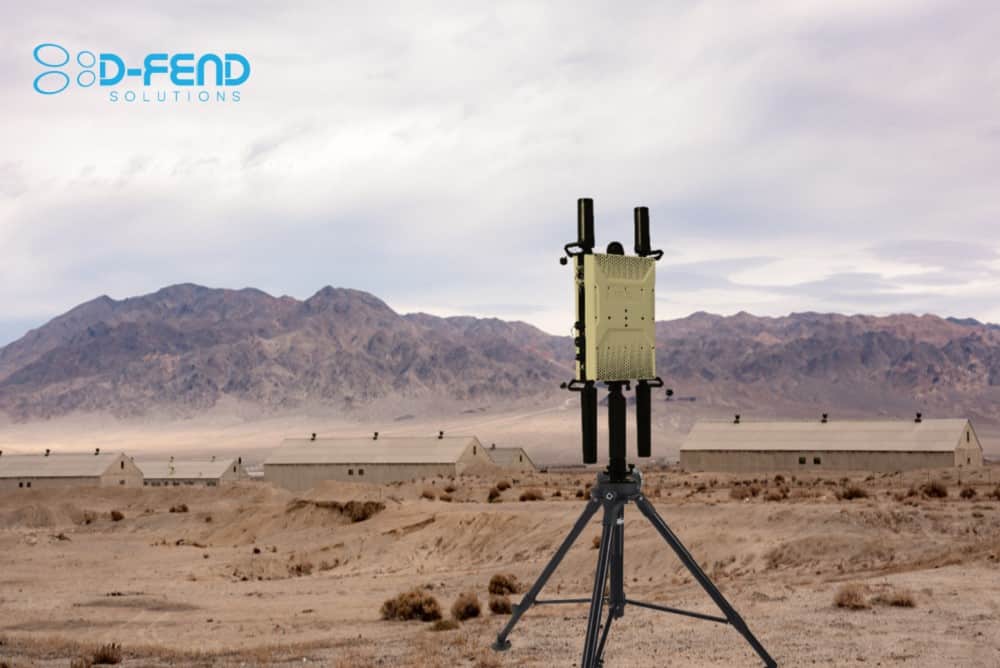
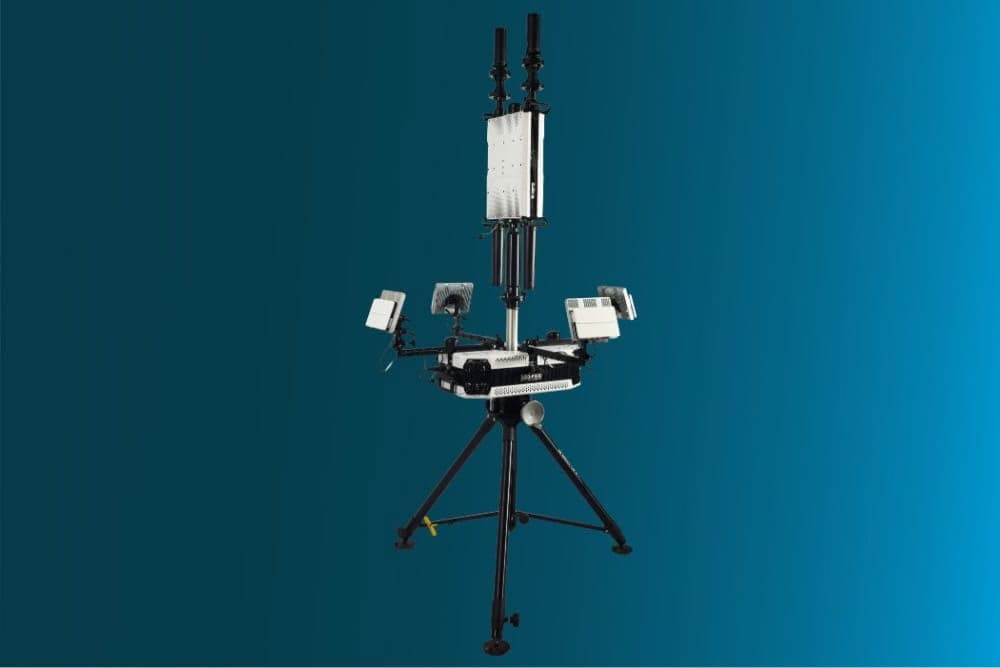
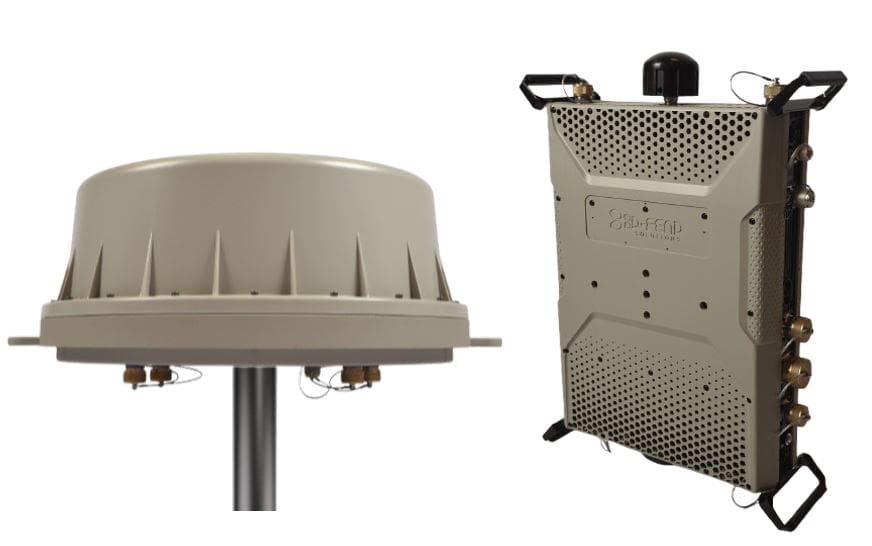
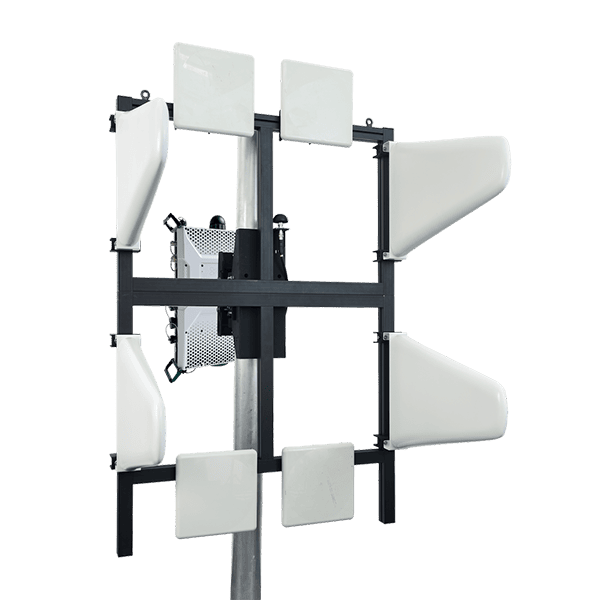
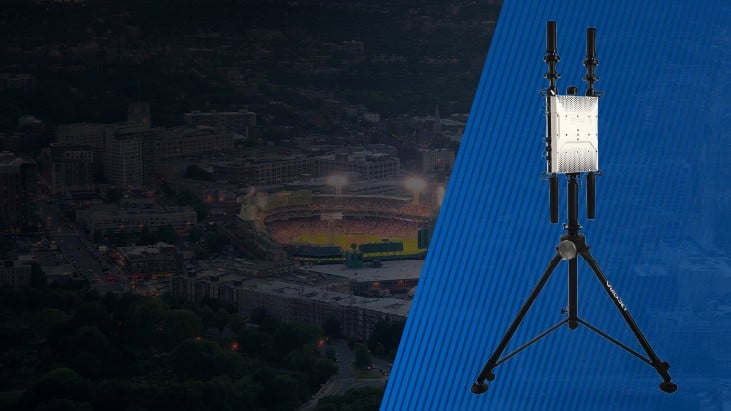
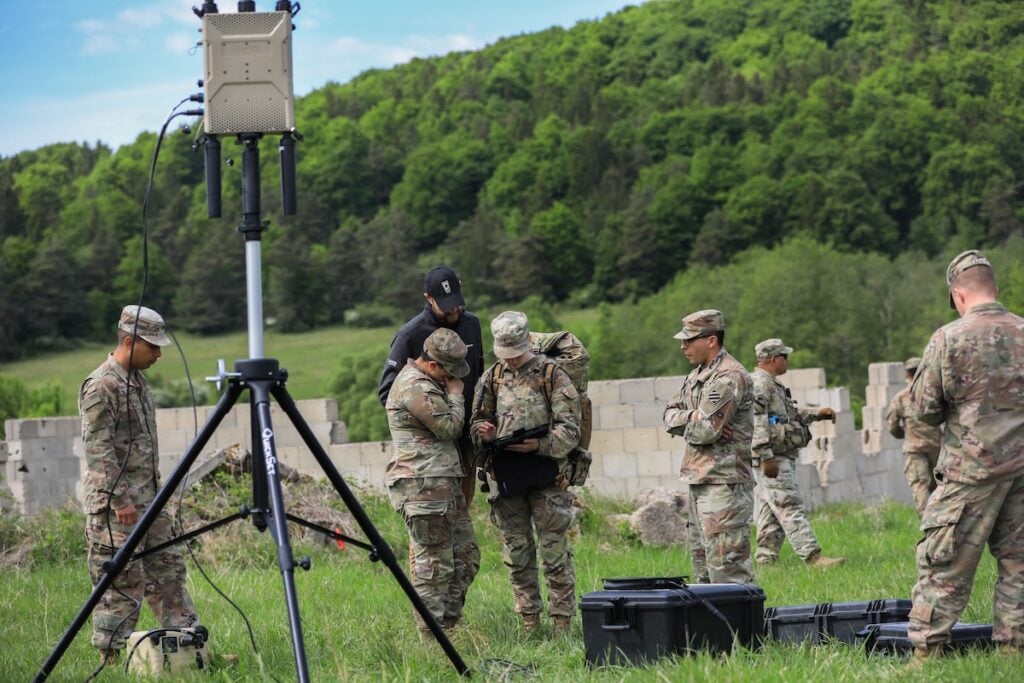
EnforceAir2 provides RF cyber-takeover technology for precise detection and mitigation, with deployment options including tactical kits, vehicle-mounted units, fixed installations, and man-portable systems. Its non-disruptive mitigation maintains communication stability and supports authorized drone activity through lightweight, rapidly deployable hardware.
EnforceAir PLUS extends these capabilities with integrated radar for expanded coverage, optional smart RF-effector jamming for controlled escalation, and increased power and range for large or high-risk missions. Its SmartAir fusion engine combines radar and RF-cyber data to enhance tracking, identification accuracy, and coordinated response.
Deployment Flexibility
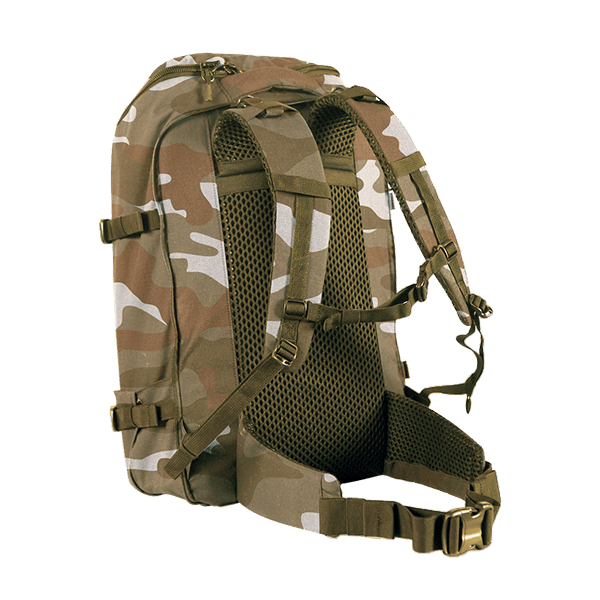
EnforceAir supports evolving operational needs through tactical response kits, vehicle-mounted systems, stationary installations, and man-portable units for rapid relocation or crowd-control operations. Multi-use deployment bundles allow agencies to adjust configurations quickly while maintaining readiness.
Sustaining Safety and Continuity
Within regulatory limits, EnforceAir enables controlled mitigation of unauthorized drones while protecting communication channels and supporting authorized UAV activity. Multi-Sensor Command & Control provides coordinated oversight across multiple sites, and the interface allows rapid deployment without specialized training.
These capabilities help police agencies maintain airspace control and sustain essential operations as drone-related threats continue to evolve.