
Showcase your capabilities
If you design, build or supply Battery Packs, create a profile to showcase your capabilities and connect with visitors who have an active requirement for your solutions.




Military battery packs are engineered energy storage subsystems that deliver reliable electrical power across diverse defense platforms and operating environments. Unlike standalone cells, these packs integrate electrochemical batteries with rugged enclosures, electrical interfaces, safety electronics, and often embedded monitoring.
This category showcases military battery pack suppliers for soldier-worn equipment, ground vehicles, unmanned systems, naval assets, and aircraft, supporting mission electronics, propulsion, and silent operation.
Read the Technology Overview
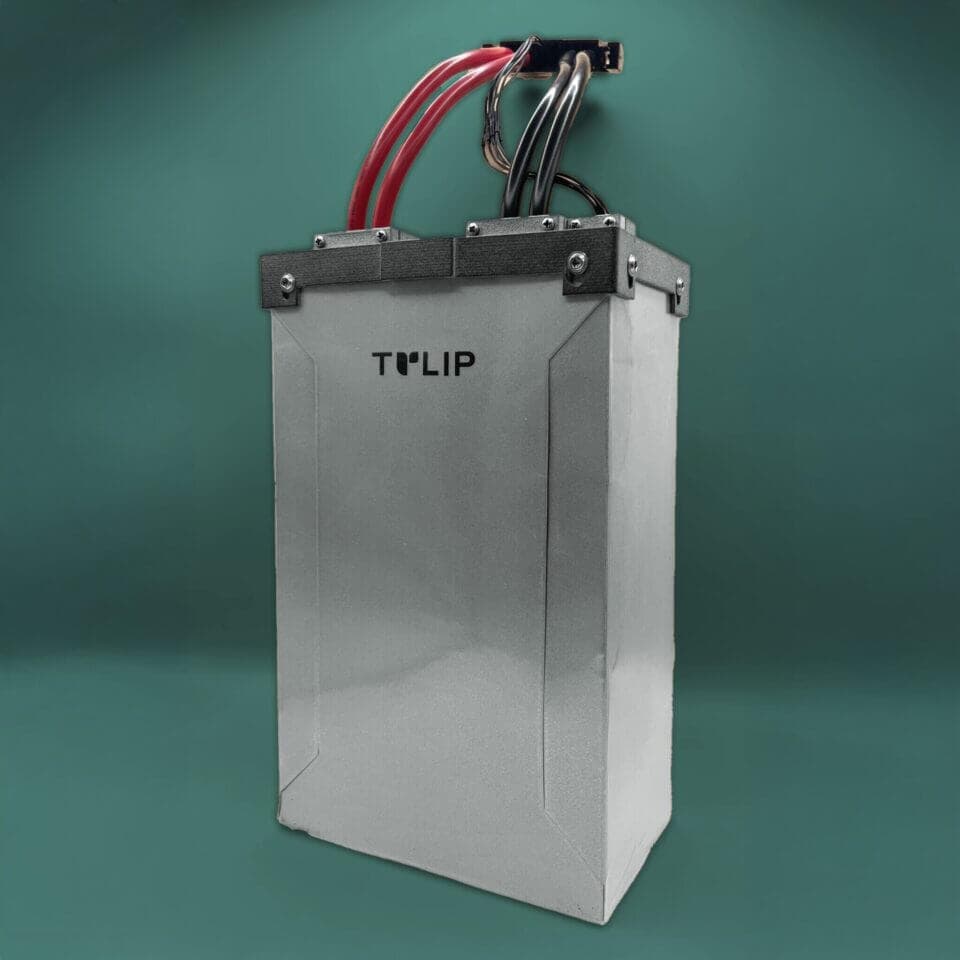
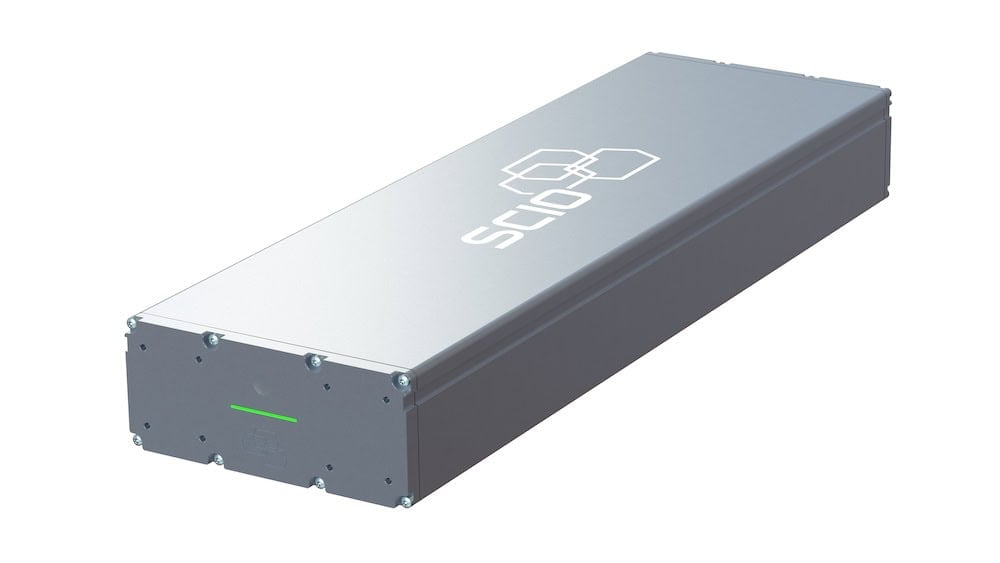
SCIO Brick® Battery Platform: Ultra-Reliable Power for Mission-Critical Military & Defense Applications

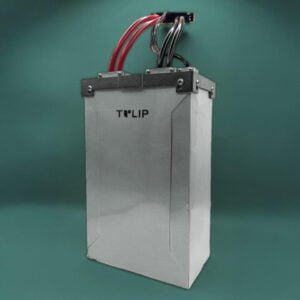
Ultra-High Energy Density Battery Technologies for Military & Government Drones & Unmanned Systems

If you design, build or supply Battery Packs, create a profile to showcase your capabilities and connect with visitors who have an active requirement for your solutions.

Military battery packs are engineered energy storage assemblies designed to deliver reliable, mission-assured electrical power across the full spectrum of defense platforms. Unlike individual cells or commercial battery modules, a military battery pack is a complete power subsystem that integrates electrochemical cells with mechanical protection, electrical interfaces, safety circuitry, and often embedded intelligence.
The battery pack sits at the intersection of power generation, distribution, and platform survivability. It must not only store energy efficiently, but also withstand extreme environments, interface cleanly with mission electronics, and fail safely under abuse or damage. As modern defense platforms increasingly rely on electrically powered sensors, communications, computing, and actuation, these rugged power packs have become a critical enabler of operational endurance, mobility, and autonomy.
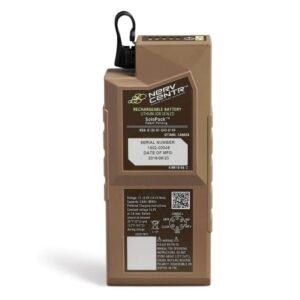
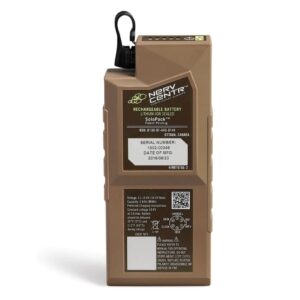
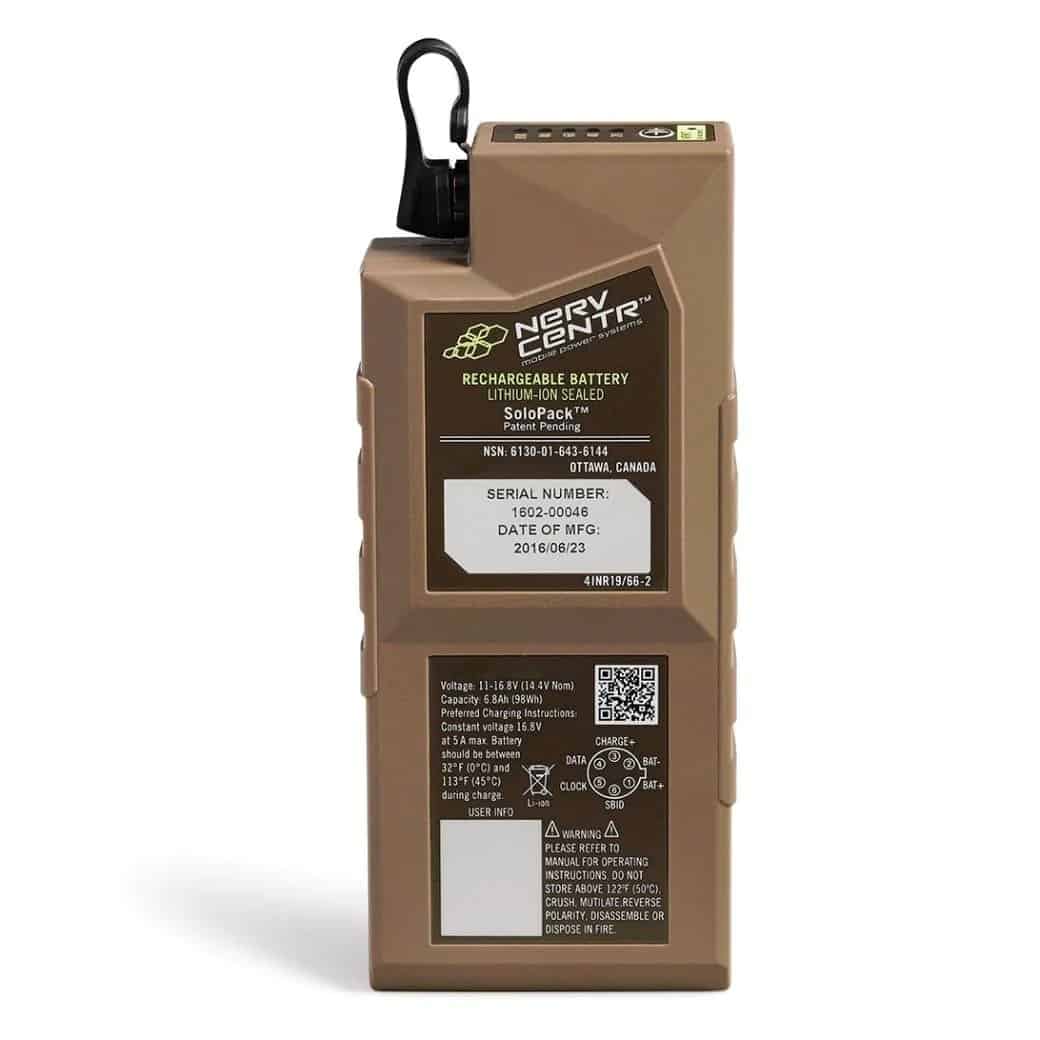
SoloPack Military Battery from Galvion
In soldier-worn applications, battery packs must balance energy density, ergonomics, and safety. Conformal Wearable Battery (CWB) packs are shaped to integrate into body armor, load-bearing vests, or belt-mounted systems, distributing weight evenly while minimizing snag hazards. These packs typically power radio batteries, electronic sights, navigation devices, and soldier computing systems.
Key architectural challenges include low acoustic and thermal signatures, silent operation, hot-swap capability during missions, and intrinsic safety when worn close to the body. Tactical battery packs in this domain often incorporate redundant protection layers and conservative cell operating limits to reduce risk during impact or penetration.
On ground vehicles, military power packs support silent watch, mission electronics, sensor masts, and increasingly hybrid electric drivetrains. These packs are larger, higher-capacity systems housed in armored or semi-armored enclosures, designed to tolerate shock, vibration, and electromagnetic stress.
Military vehicle battery packs must integrate cleanly with onboard power distribution units, generators, and external charging sources. Architectural emphasis is placed on thermal management, EMI containment, and serviceability, as well as resilience to blast shock and ballistic fragments depending on vehicle role.
Unmanned platforms impose some of the most demanding constraints on battery pack design. UAV battery packs prioritize energy density and discharge rate, directly influencing endurance and payload capacity. UGV battery packs must survive terrain-induced shock and extended duty cycles, while ROV battery packs are often housed in pressure-tolerant or pressure-compensated enclosures for subsea operation.
Across all unmanned domains, rugged battery packs are tightly coupled to mission management systems, with precise state-of-charge reporting and fault signaling essential for autonomy and safe recovery.
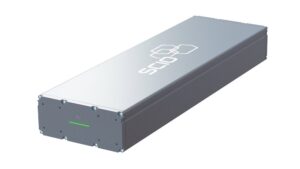
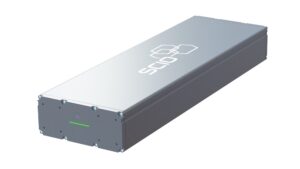
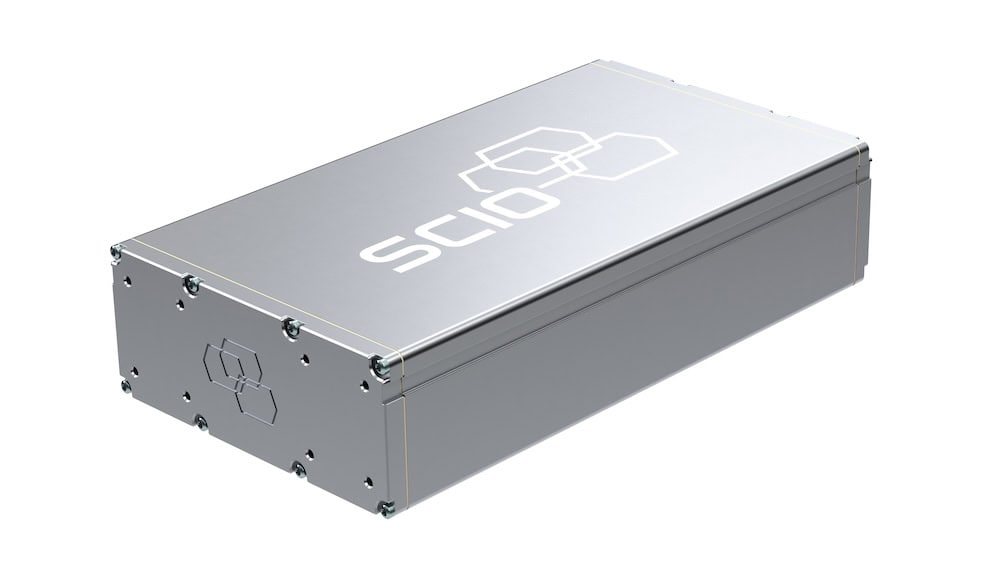
SCIO Brick® 5.0 from SCIO Technology
Maritime battery packs operate in corrosive, high-humidity, and salt-laden environments, demanding robust sealing and careful material selection. Applications range from backup power and silent operation on surface vessels to propulsion and payload power in autonomous surface and underwater systems.
Architectural considerations include corrosion-resistant enclosures, pressure tolerance for subsea use, and strict electromagnetic compatibility control to avoid interference with radar, sonar, and communications systems.
Aerospace battery packs support avionics, mission systems, emergency power, and increasingly electrically driven subsystems. Weight, volume, and reliability dominate design priorities, alongside strict compliance with airborne safety and certification requirements. These packs must perform predictably across wide altitude and temperature ranges, with well-defined failure modes to ensure they do not compromise flight safety.
The selection of an electrochemical couple is the most fundamental design decision, determining the ultimate energy density and safety profile of the battery system.
By matching the specific discharge characteristics of these chemistries to the platform’s load profile, engineers can optimize the pack for either maximum endurance or high-burst power.
Ruggedized battery packs are manufactured to absorb shock, resist vibration, and in some cases provide ballistic or fragment protection. Structural materials are selected to balance mechanical strength, thermal conductivity, and electromagnetic shielding. Environmental sealing is critical. Battery packs are commonly sealed against dust, sand, salt fog, and water ingress, with pressure equalization features where altitude variation or immersion is expected.
Battery pack form factors are tailored to the host platform. Conformal packs follow the contours of soldier equipment, vehicle-mounted modules slot into protected bays, and standardized formats simplify logistics and fleet-wide replacement. Increasingly, swappable battery pack architectures allow rapid mission reconfiguration without powering down critical systems.
Military battery packs employ rugged, locking connectors designed for blind-mate and hot-swap operation. Electrical interfaces must support high current while maintaining low contact resistance and robust electromagnetic compatibility. Mechanical keying and connector coding reduce the risk of incorrect installation under operational stress.
Rechargeable battery packs are supported by tactical charging systems designed for austere environments. These chargers must accept power from generators, vehicle alternators, or renewable sources such as solar arrays. Integration with field power infrastructure is now a core consideration during custom military battery pack design.
Cold environments reduce available capacity and peak power, driving the selection of cell chemistries and insulation strategies optimized for low-temperature performance. High-temperature resilience is equally important, requiring conservative operating limits and effective heat dissipation to prevent accelerated degradation or failure.
At altitude, reduced cooling efficiency and pressure changes influence both electrical and mechanical design. In maritime and subsea environments, moisture ingress and pressure loading dominate constraints, often leading to specialized housings, potting, or oil-filled pressure compensation strategies.
Military battery packs are engineered to survive abuse scenarios including overcharge, short circuit, impact, and partial penetration. Fail-safe design ensures that if a pack does fail, it does so in a controlled, non-propagating manner that protects personnel and adjacent equipment.
The trajectory of military power is moving toward digitized, high-density systems that offer deeper integration with platform-level management software.
Advancements in battery development technologies represent a shift from reactive energy storage to proactive power management, ensuring that energy is preserved for the most critical phases of an engagement.


 Searching Companies & Products