

Showcase your capabilities
If you design, build or supply ADS-B Receivers, create a profile to showcase your capabilities and connect with visitors who have an active requirement for your solutions.




Modern military forces rely on ADS-B receivers to maintain situational awareness and exercise control over increasingly complex and contested airspace. By delivering precise, real-time aircraft tracking data, these systems enable secure and reliable airspace monitoring.
Integrated into broader architectures such as C4ISR platforms and unmanned aircraft systems, ADS-B receivers play a pivotal role in enhancing combat readiness, supporting reconnaissance missions, and ensuring operational safety. Their ability to provide persistent visibility into air traffic dynamics, both at home and in active theaters, makes them indispensable to contemporary defense strategies.
Read the Technology Overview

Mission-Critical Surveillance Data Solutions for Government, Military & Defense Organizations


Compact Avionics, ADS-B & Remote ID Solutions for Defense UAV Operations

If you design, build or supply ADS-B Receivers, create a profile to showcase your capabilities and connect with visitors who have an active requirement for your solutions.

ADS-B receivers capture and decode Automatic Dependent Surveillance-Broadcast (ADS-B) signals transmitted by aircraft equipped with ADS-B Out capability. These signals provide real-time data such as position, altitude, velocity, heading, and identification, typically derived from GPS or other GNSS sources.
Unlike traditional radar, ADS-B receivers do not actively scan the airspace. They passively listen for aircraft broadcasts and feed this data into ground stations, command centers, airborne systems, GCS platforms, and wider surveillance networks. In defense applications, they support situational awareness, airspace deconfliction, collision avoidance, and integration with radar, IFF, C4ISR, and detect and avoid systems.
In military and defense contexts, ADS-B receivers are valuable across several strategic and tactical domains:
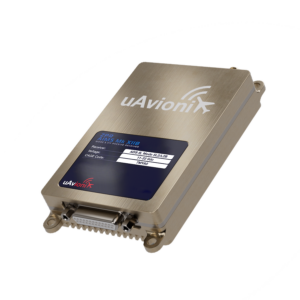
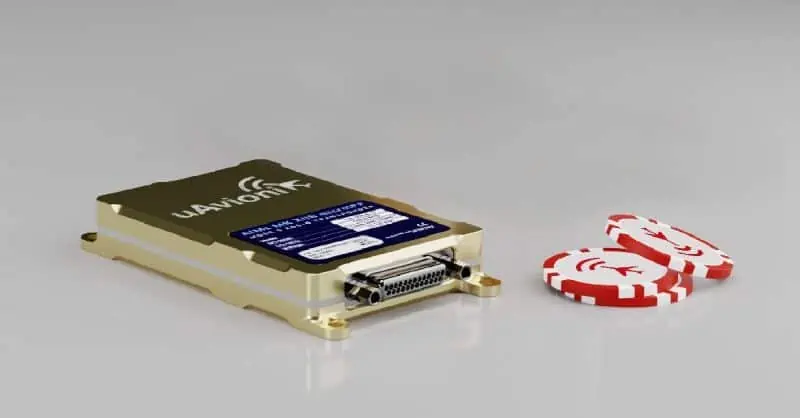
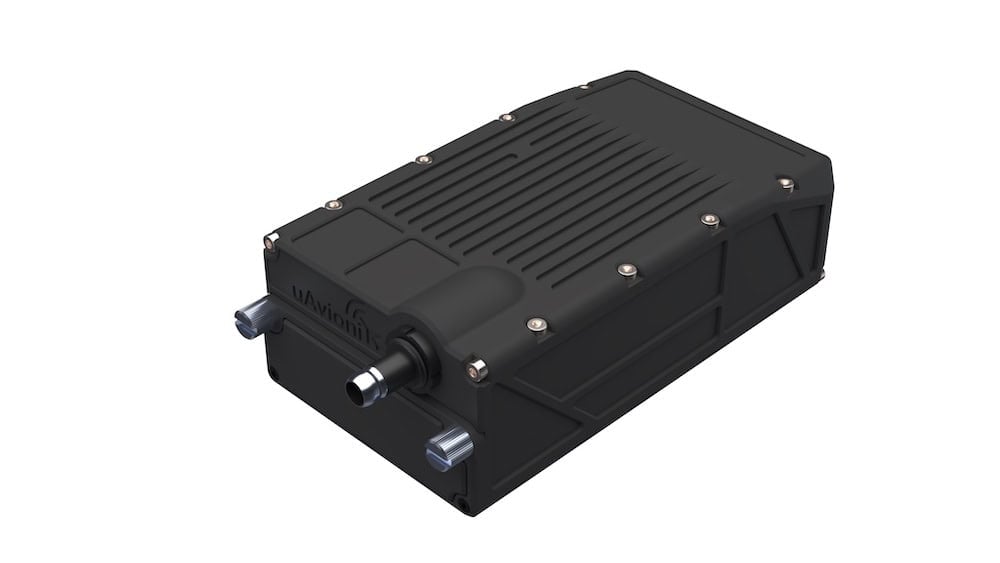
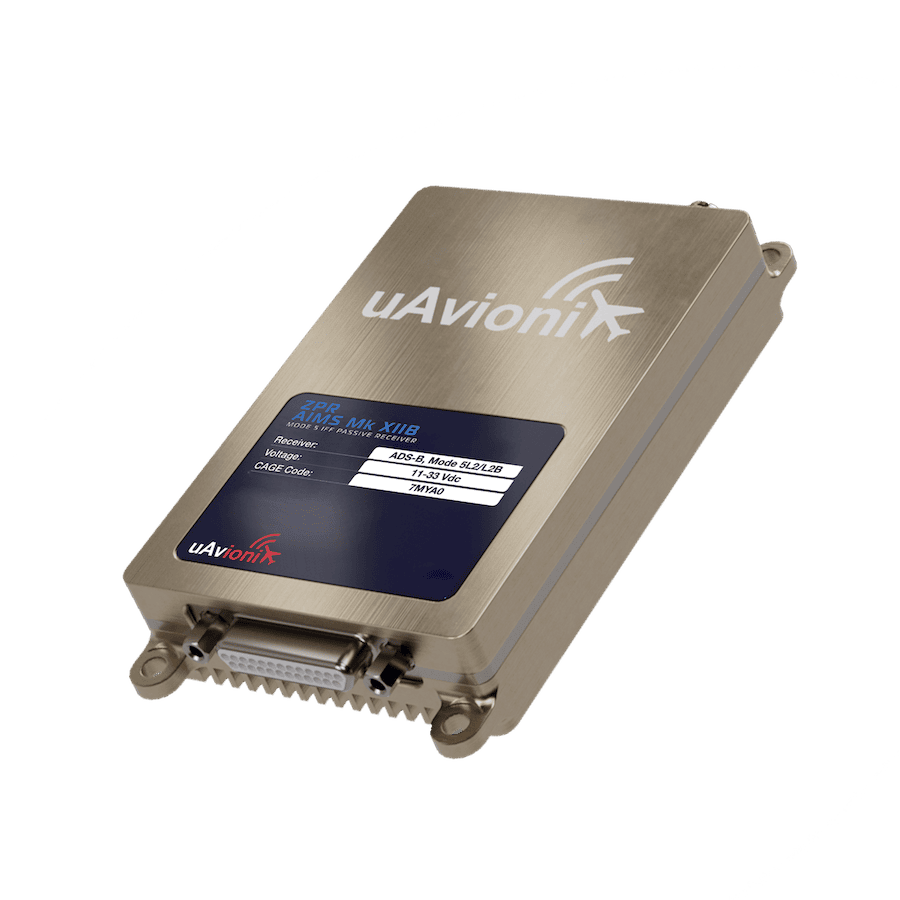
ZPR ADS-B Receiver by uAvionix Corporation
ADS-B receivers contribute to a clear and detailed operating picture of all cooperative aircraft within range.
This capability is indispensable for air mission command centers, enabling the identification of unknown contacts and supporting informed decisions under pressure in combat scenarios.
When integrated with radar and IFF (identification friend or foe) systems, ADS-B data enhances the reliability of the air picture, allowing for the distinction between friendly and unknown aircraft with greater speed.
ADS-B enables safe and transparent coordination between allied forces. Whether in multi-national training exercises or real-world combat missions, shared ADS-B data supports unified command over airspace, minimizing the risks of blue-on-blue engagements and enabling deconfliction in crowded skies.
ADS-B receivers are increasingly found on military UAS platforms to enable Beyond Visual Line of Sight (BVLOS) operations. When combined with detect and avoid (DAA) systems, they enhance the safety of drones operating in shared or contested airspace, particularly for intelligence, surveillance, and reconnaissance (ISR) missions. This is especially important for military reconnaissance drones and loitering munitions, which must coordinate their flight paths with those of manned aircraft and other UAS assets.
Military operations often take place in low-visibility or high-traffic airspace. ADS-B data feeds directly into automated collision avoidance systems, reducing the risk of mid-air collisions. This is particularly useful during training missions, airborne refueling operations, and close air support activities.
Modern GCS platforms are equipped with ADS-B receivers that provide real-time telemetry and position data, supporting advanced flight planning, dynamic re-tasking, and immediate threat analysis. The integration of ADS-B with onboard telemetry systems enhances the efficiency and responsiveness of remotely piloted aircraft systems (RPAS).
ADS-B systems are increasingly utilized in paramilitary and law enforcement contexts, such as the surveillance of national borders or the monitoring of restricted airspaces. These systems help track unidentified aircraft, support interdiction operations, and maintain continuous visibility in remote or inaccessible areas.
Military operations rely on various types of ADS-B receivers, each optimized for different mission requirements and operational theaters:
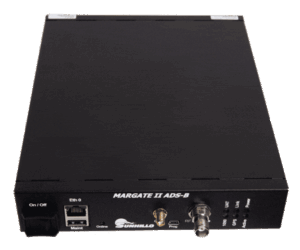
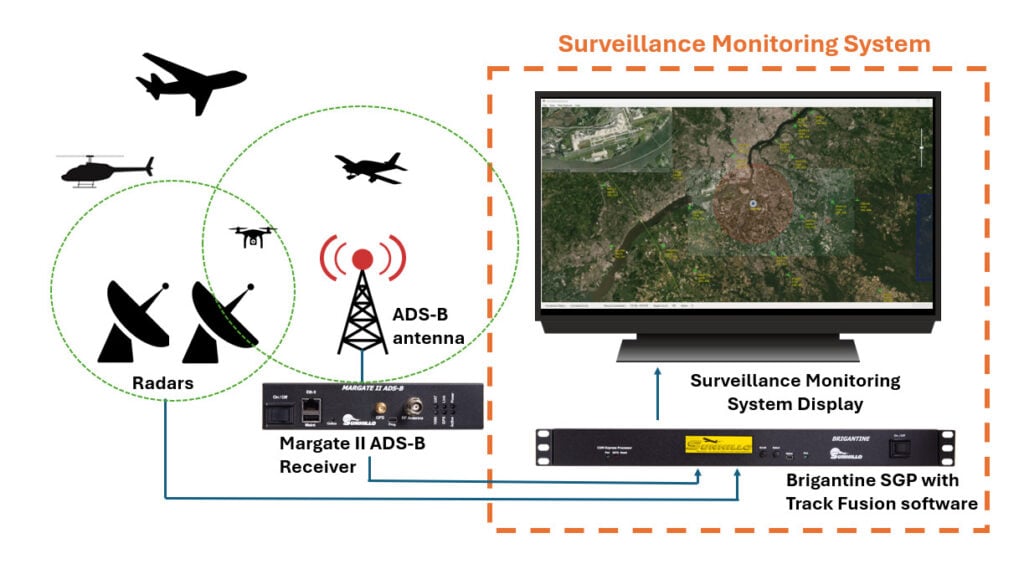
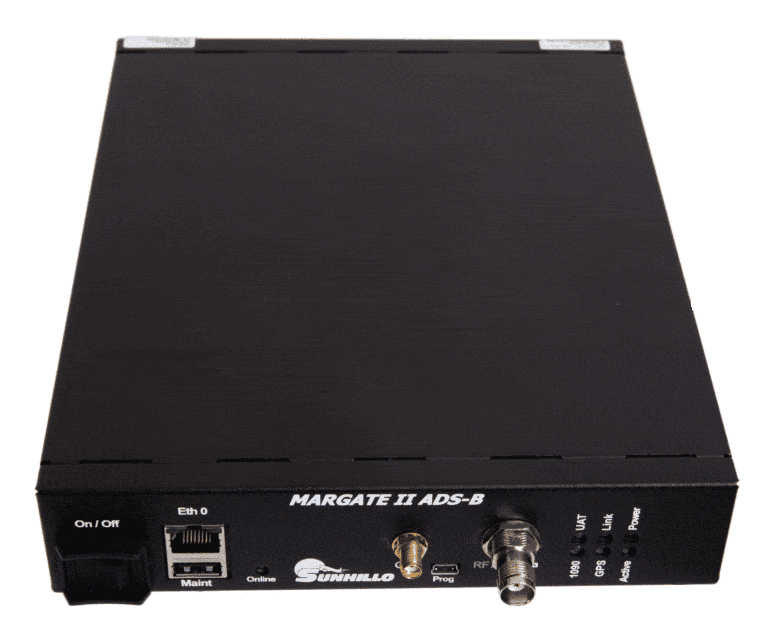
Margate II ADS-B Receiver by Sunhillo Corporation
The 1090ES frequency is the global standard for commercial and military aircraft. It is favored for high-altitude and international operations, offering broad compatibility and long-range capabilities. These receivers are capable of handling dense traffic data and are often hardened to meet MIL-STD environmental standards.
While primarily used in general aviation in the United States, UAT receivers can also be employed in localized military or civil-military applications where deconfliction with non-military traffic is crucial. These systems support data broadcasting and traffic information services, making them useful for lower-altitude UAV operations.
Some military platforms require flexibility to operate in different regulatory environments. Dual-band receivers can process both 1090ES and UAT signals, ensuring comprehensive coverage across various mission zones and airspace regulations. These are common on transport aircraft and intelligence, surveillance, and reconnaissance (ISR) platforms.
For stealth and electronic warfare applications, passive receivers offer the advantage of signal monitoring without emitting detectable transmissions. These systems can quietly intercept ADS-B broadcasts from nearby aircraft, making them invaluable for threat intelligence, border surveillance, and tactical reconnaissance without revealing the listener’s location.
Emerging ADS-B receiver technology is software-defined, allowing on-the-fly updates, filtering, and signal conditioning. These platforms are adaptable to new mission profiles, spectrum conditions, or security protocols, offering a future-proof solution in dynamic battlefield environments.
ADS-B receivers and transponders perform different roles. An ADS-B receiver listens for ADS-B signals from other aircraft and decodes their flight data. It does not transmit the host platform’s own position.
An ADS-B transponder is an active device that broadcasts an aircraft’s position, altitude, velocity, and identification so it can be seen by ground stations, other aircraft, and air traffic control systems. A platform with only an ADS-B receiver can monitor nearby cooperative traffic, while a platform with ADS-B Out capability can broadcast its own location. Some systems combine both functions to support ADS-B In and ADS-B Out.
ADS-B receivers are most powerful when integrated into larger command and control or flight management architectures. Key integration points include:
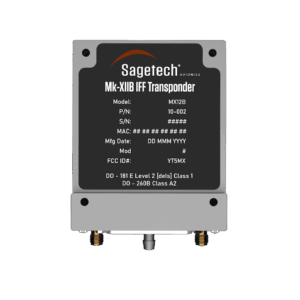
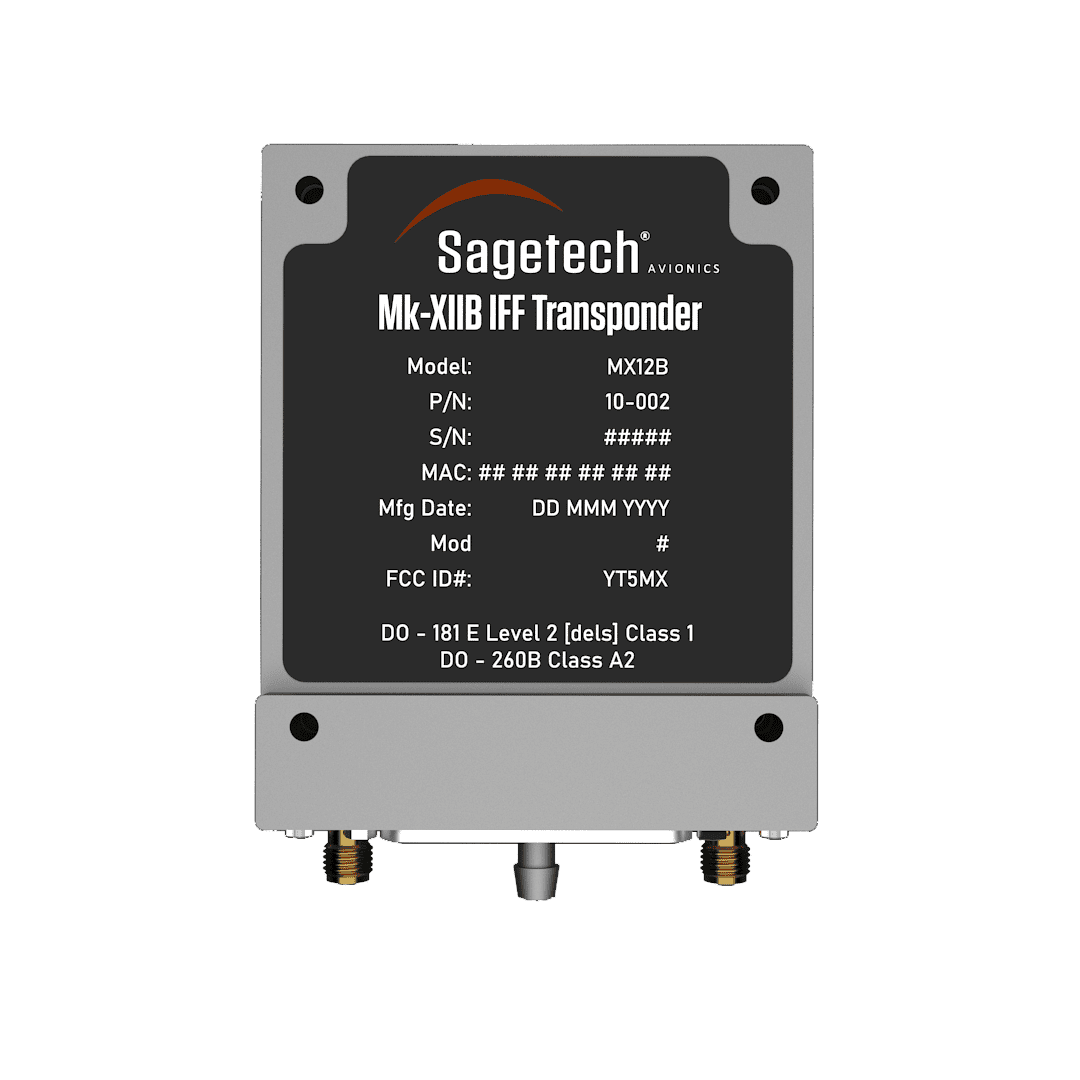
MX12B Mode 5 IFF & ADS-B Receiver by Sagetech Avionics
ADS-B receivers used in military applications are built to comply with stringent U.S. Department of Defense standards:
Compliance with these standards enables the reliable deployment of ADS-B systems across various platforms and operational environments.
The role of ADS-B receivers in military operations is evolving rapidly alongside broader advancements in defense technology. Integration with artificial intelligence (AI) is enabling more intelligent data analysis, where real-time ADS-B signals are filtered, contextualized, and transformed into actionable intelligence through pattern recognition and predictive algorithms. As cybersecurity becomes a growing concern, new protections are being developed to secure ADS-B transmissions against spoofing and unauthorized interception, ensuring that defense networks can trust the integrity of surveillance data.
In parallel, space-based ADS-B systems are extending coverage far beyond traditional line-of-sight ground stations. This global visibility is crucial for military missions over oceans, remote territories, or GPS-denied environments. Interoperability with international forces is also improving, with many militaries adopting encrypted and coalition-compatible versions of ADS-B technology to streamline joint missions.
As a result, ADS-B receivers are no longer just passive listeners in the sky; they are becoming dynamic elements of integrated airspace control strategies. Their expanding functionality, adaptability through software-defined architectures, and alignment with evolving military standards ensure that they will remain central to future air traffic and battlespace awareness systems.


 Searching Companies & Products