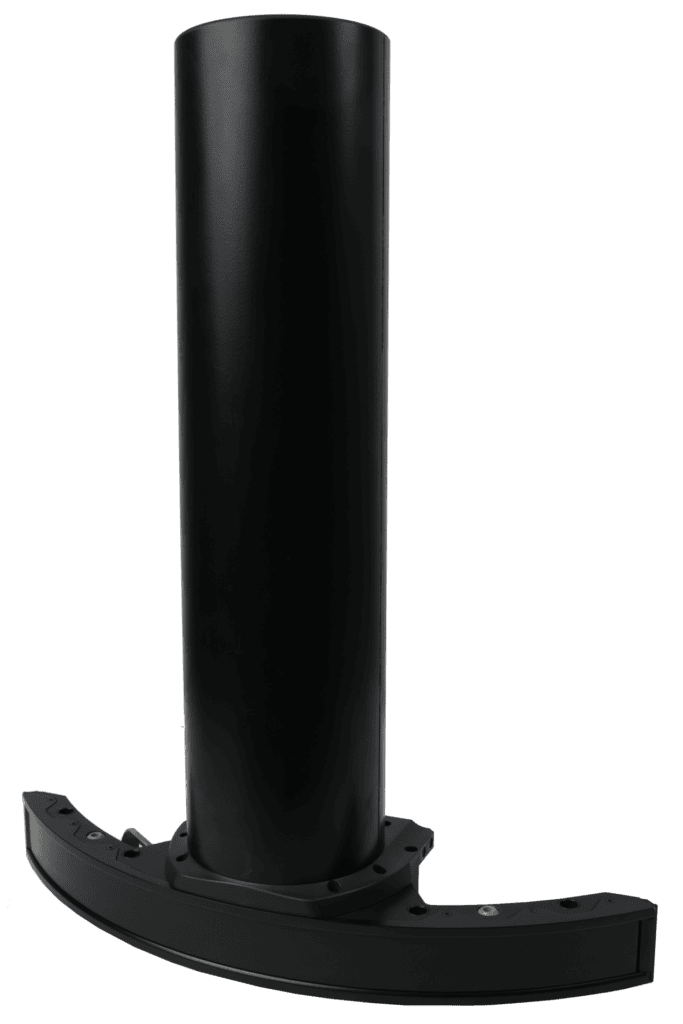
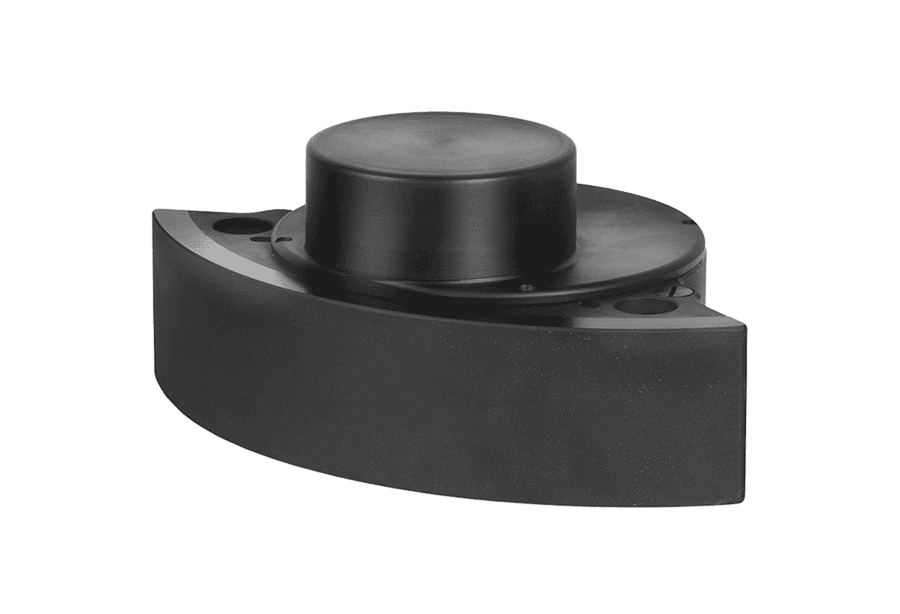
Intruder Detection Sonar (IDS) systems are specialized underwater surveillance solutions designed to detect, track, and classify unauthorized subsurface activity in confined and high-risk maritime areas. Optimized for short- to medium-range, high-resolution monitoring, IDS technology enables reliable detection of divers, Swimmer Delivery Vehicles (SDVs), Uncrewed Underwater Vehicles (UUVs), and small submarines.
This category showcases leading Intruder Detection Sonar suppliers offering solutions deployable as fixed, mobile, or networked sonar arrays.
If you design, build or supply Intruder Detection Sonar (IDS), create a profile to showcase your capabilities and connect with visitors who have an active requirement for your solutions.
... an underwater IntruderDetectionSonar(IDS) system developed to protect ports, naval facilities,... ...orts networked sonar deployment, integrated command-and-control compatibility, and autonomous...
Intruder Detection Sonar (IDS) systems are engineered specifically to detect, track, and classify unauthorized subsurface activity, providing vital situational awareness for safeguarding naval bases, ports, offshore assets, and strategic maritime infrastructure from covert threats. Unlike traditional naval sonars optimized for long-range detection of large platforms, intruder detection sonar focuses on short-to-medium range surveillance with extremely high resolution.
This capability is essential for the reliable identification of small, slow-moving, and low-acoustic-signature targets, making IDS a critical diver, Swimmer Delivery Vehicle (SDV), Autonomous Underwater Vehicle (AUV), and submarine detector for confined waters. It expertly combines advanced acoustics, sophisticated signal processing, and seamless command-and-control integration to provide a comprehensive underwater intrusion detection system.
IDS Core Operating Principles for Maritime Security
Intruder detection sonar is a class of active and/or passive sonar systems engineered to provide early warning of underwater intrusions within defined maritime zones. The core principle involves persistent acoustic surveillance, delivering timely detection and accurate classification to enable proportionate response measures.
IDS systems provide the authoritative detection and tracking layer upon which crucial response decisions are based. Unlike purely observational sonar, these systems are fundamentally designed to support downstream countermeasure and response workflows. This process is critical for defense professionals:
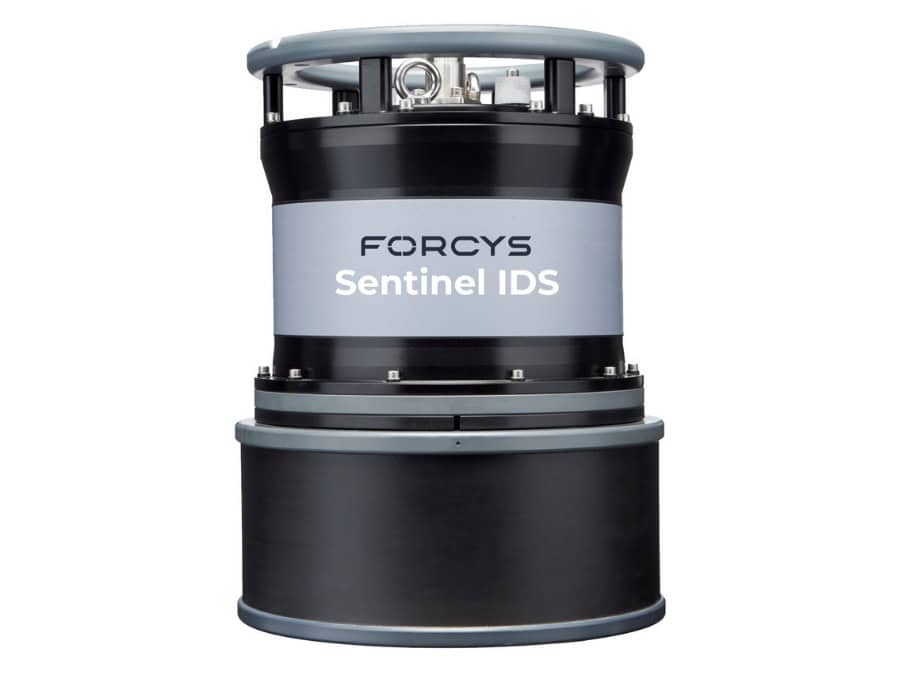
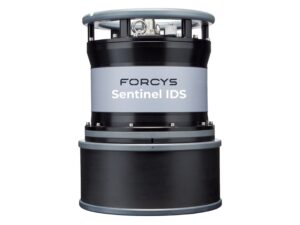
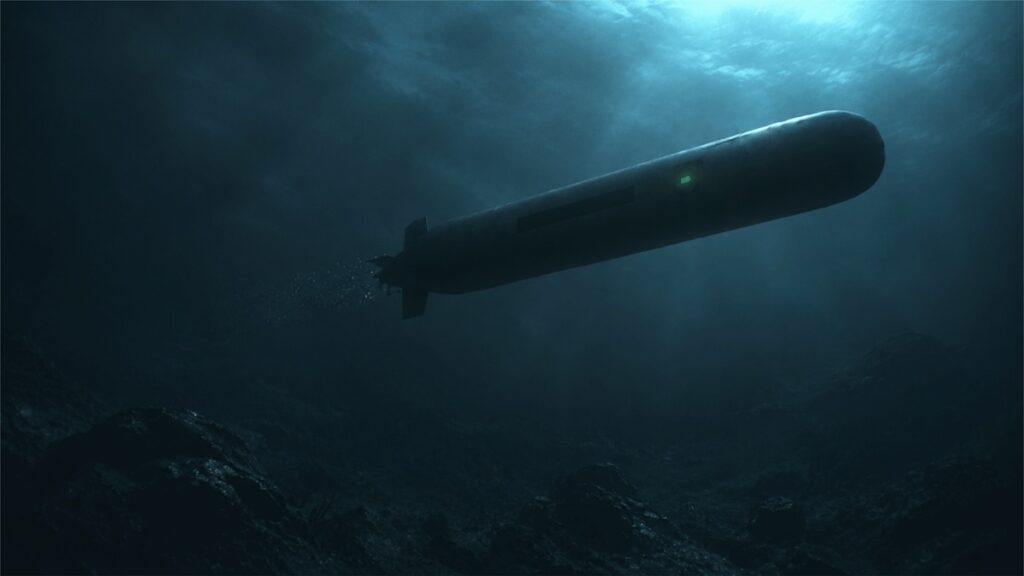
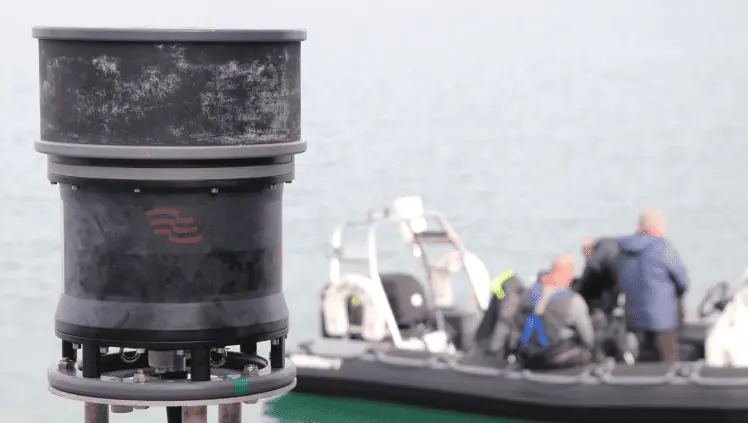
Intruder Detection Sonar (IDS) from Forcys.
Detection and Tracking: Providing continuous, high-confidence target data.
Classification and PID: Supporting Automatic Target Recognition (ATR) and, critically, cueing other sensors (like magnetic or EO/IR systems) for Positive Identification (PID), which is essential before escalation.
Response: Enabling the deployment of non-lethal deterrents, initiating security protocols, or supporting escalation in accordance with pre-defined rules of engagement.
Active vs Passive Intruder Detection Sonar
Modern IDS architectures frequently combine both active and passive approaches to leverage the advantages of each, resulting in highly resilient intruder detection systems.
System Type
Core Principle
Advantages
Key Limitation/Nuance
Active IDS
Employs high-frequency acoustic transmissions (pings) to illuminate the environment and generate target returns.
Superior detection reliability and spatial resolution, excellent for slow-moving or stationary intruders.
Susceptible to reverberation in cluttered waters, covert operation is compromised by transmission.
Passive IDS
Listens for acoustic emissions generated by targets.
Covert operation, ideal for wide-area monitoring.
Lower signal-to-noise ratios required, challenges in detecting targets with minimal or no signature (e.g., closed-circuit divers, silent electric UUVs).
Applications of Intruder Detection Sonar
From harbor protection to strategic asset defense, the fundamental detection principles of IDS scale across tactical and strategic levels.
Diver and Swimmer Delivery Vehicle (SDV) Threats
Combat divers and SDVs represent one of the most persistent and difficult underwater threats to counter. These targets exhibit extremely low acoustic signatures and minimal radar cross-sections. Diver detection sonar systems are specifically optimized to discern diver body motion, propulsion noise (where present), and SDV outlines, achieving successful identification even at low speeds and in acoustically complex environments.
Sonobuoys can also provide a deployable means of underwater acoustic surveillance, supporting detection and monitoring across maritime areas where fixed sonar infrastructure is not available.
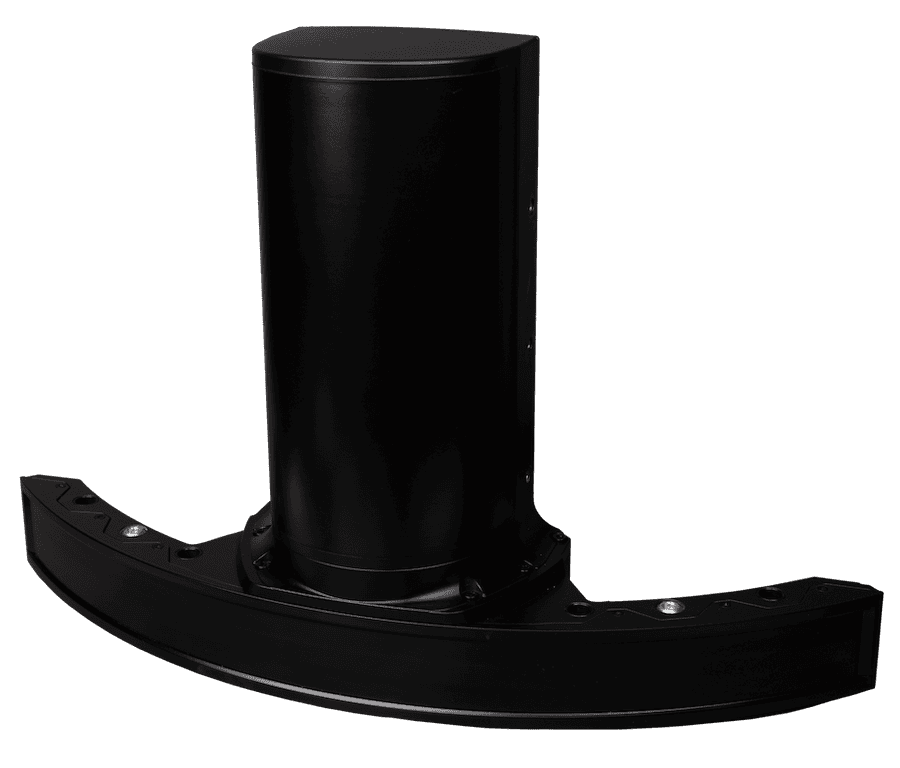
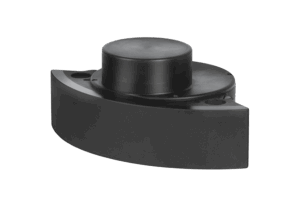
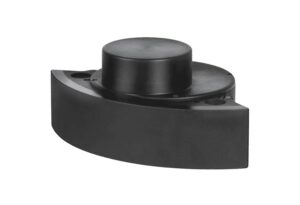
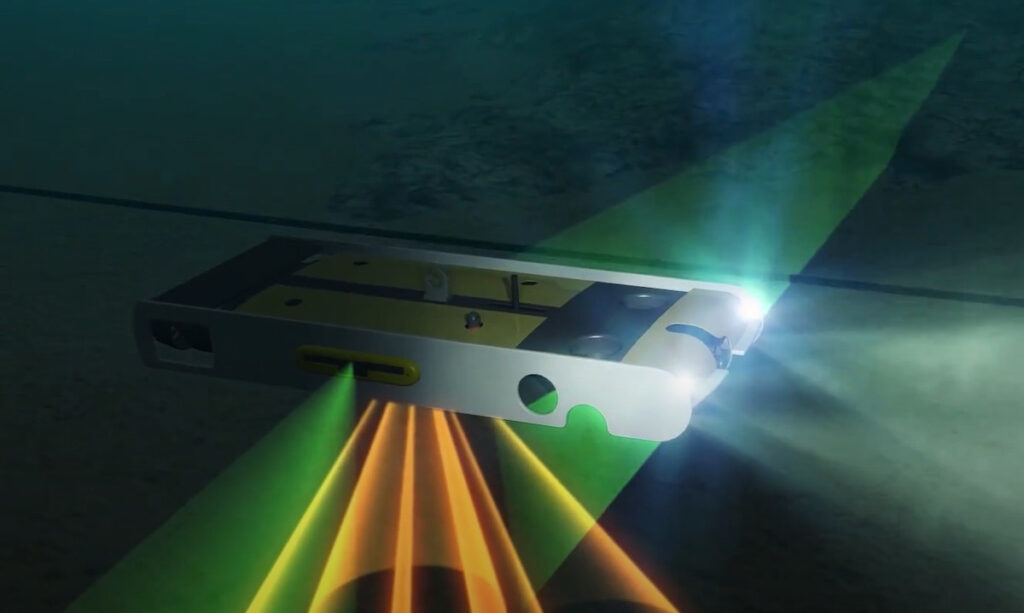
Intruder detection from Norbit Security.
Submarine and Mini-Sub Detection
While full-size submarines are typically the domain of naval Anti-Submarine Warfare (ASW) systems, IDS fills the crucial gap for detecting mini submarines and semi-submersible platforms operating in shallow, congested, or restricted waters. High-Frequency (HF) and Very High-Frequency (VHF) active IDS provides the necessary resolution to identify these compact platforms close to critical assets.
Uncrewed Underwater Vehicles (UUVs) and Autonomous Threats
The proliferation of UUVs and AUVs, which range from reconnaissance vehicles to payload-carrying autonomous systems, introduces a significant new class of threat. IDS solutions must effectively detect both electrically powered silent vehicles and hybrid systems operating intermittently. Classification algorithms increasingly incorporate motion patterns and advanced behavioral analysis to distinguish UUVs from benign objects.
IDS System Configurations
The effectiveness of an underwater intruder detection system is heavily dependent on selecting the correct sonar deployment platform for the target operational environment.
Fixed Seabed and Pier-Mounted Systems
Fixed IDS installations provide continuous, persistent monitoring of defined underwater approaches. Using sensors mounted permanently on the seabed or pier-mounted systems alongside critical infrastructure, their stable geometry enables exceptionally high detection reliability. They are the standard for securing ports, naval bases, and high-value, static assets.
Rapidly Deployable and Temporary Protection Systems
Engineered for rapid installation in expeditionary or temporary security scenarios, these systems provide immediate underwater surveillance where permanent infrastructure is unavailable. They prioritize ease of deployment, autonomous operation, and portability for short-term missions or protection during high-risk events.
Mobile and Vessel-Mounted Intrusion Detection Sonar
Mobile IDS systems are mounted directly on vessels or platforms. This configuration offers flexible coverage that can be repositioned as operational needs change. These systems support patrol, inspection, and localized force protection missions, detecting close-in underwater threats while adhering to strict size, weight, power, and vessel self-noise constraints.
Networked and Distributed Sonar Arrays
Distributed IDS architectures utilize multiple interconnected sensors (often a mix of fixed and mobile units) to dramatically extend coverage and improve tracking accuracy. By correlating detections across various nodes, these systems enhance resilience, eliminate blind spots, and provide a holistic, wide-area surveillance picture in complex or high-risk maritime regions.
Intruder detection sonar technology is deployed to secure high-value assets across diverse and challenging acoustic environments.
Harbor, Port, and Naval Base Protection
These are acoustically complex environments characterized by dense infrastructure, high vessel traffic, and strong reverberation. IDS systems here are optimized for short-range, high-resolution detection to reliably identify divers and small vehicles while successfully discriminating against marine life, clutter, and routine harbor activity.
Offshore Infrastructure and Critical Asset Defense
Offshore platforms, pipelines, and subsea installations require persistent underwater surveillance. IDS deployments in these settings emphasize autonomous operation, extended coverage, and high reliability, providing critical early warning of slow-moving threats targeting seabed assets.
Littoral, Shallow Water, and Confined Environments
Shallow and confined waters introduce severe multipath effects and intense bottom clutter that significantly complicate detection. IDS systems operating here rely heavily on advanced signal processing and rapid update rates to maintain reliable detection and tracking of low-speed intruders close to terrain or structures.
Detection, Tracking & Classification Capabilities
The performance of an underwater intruder detection system hinges on its ability to execute three critical steps: detection, tracking, and classification.
Detection Ranges and Resolution Trade-Offs
Intruder detection sonar design involves a fundamental trade-off between coverage and resolution.
VHF Systems (≈ 300 kHz and above): Provide the fine spatial detail necessary for high-confidence diver classification, but the acoustic energy attenuates rapidly, limiting ranges typically to a few hundred meters.
HF Systems (≈ 50 kHz to 150 kHz): Extend coverage to several kilometers, making them suitable for mini-sub/UUV detection, but at the cost of lower resolution required for definitive diver classification.
System designers must select operating frequencies and beam geometries based precisely on the specific threat profile and environment being protected.
Target Tracking Algorithms
Effective tracking algorithms are optimized for the slow, irregular motion patterns typical of divers and small underwater vehicles. Track continuity must be maintained even when targets temporarily fade due to environmental clutter or maneuvering, which is essential for accurate threat assessment.
Automatic Target Recognition (ATR) and AI-Based Classification
ATR systems apply sophisticated pattern recognition and machine learning techniques to separate threats from non-threatening noise. These AI-driven classification engines analyze:
Scattering Characteristics: Target strength and aspect dependence.
Kinematics: Speed, acceleration, and turning rate.
Spectral Components: Specific acoustic frequencies emitted.
By analyzing these features, the system significantly improves operator confidence and reduces the cognitive workload.
False Alarm Reduction and Environmental Discrimination
False alarms remain a key operational concern. Modern sonar detector systems address this through adaptive signal processing, detailed environmental modeling, and multi-sensor correlation. Effective false alarm management is critical to maintaining operator trust and ensuring rapid, proportionate response to genuine threats.
How IDS Overcomes Acoustic Challenges
The underwater environment poses unique challenges that IDS systems are engineered to mitigate.
Shallow Water Acoustics and Multipath Effects
In shallow waters, sound bounces repeatedly between the surface and the seabed (multipath). IDS systems mitigate this through advanced techniques like adaptive beamforming and filtering, which help isolate genuine target returns from strong reverberation and surface reflections.
Temperature, Salinity, and Sound Velocity Profiles
Sound speed underwater is dictated by temperature, salinity, and pressure, which in turn affect the path of the acoustic beam. Modern IDS solutions incorporate real-time environmental sensing or complex predictive models to dynamically adjust processing parameters, ensuring consistent detection performance as conditions change.
Marine Life, Shipping Noise, and Environmental Clutter
Acoustic clutter is generated by marine mammals, schools of fish, and continuous vessel traffic. Highly specialized IDS classification engines rely on spectral analysis and motion characteristics to accurately distinguish these benign sources from genuine intruder detection threats.
Emerging Trends in Intruder Detection Sonar
The future of underwater intruder detection systems is being shaped by rapid advancements in autonomy and processing power.
AI-Driven Detection and Classification: Artificial intelligence is central to IDS evolution, enabling systems to adapt instantly to new threat types, learn from operational data, and significantly reduce operator workload while maintaining detection confidence.
Networked and Autonomous Sensor Fields: Future IDS deployments will increasingly rely on autonomous sensor networks capable of self-monitoring, self-healing, and cooperative tracking across extremely wide areas.
Integration with Uncrewed Systems: IDS sensors are now being integrated onto Uncrewed Surface Vehicles (USVs) and UUVs, significantly extending surveillance coverage and enabling persistent monitoring in areas where fixed infrastructure is impractical or too costly.
Evolving Threats and Adaptive Sonar Technologies: As adversaries field quieter, smarter underwater platforms, IDS technology continues to evolve through the development of adaptive waveforms, enhanced signal processing, and tighter integration with full multi-domain defense systems.
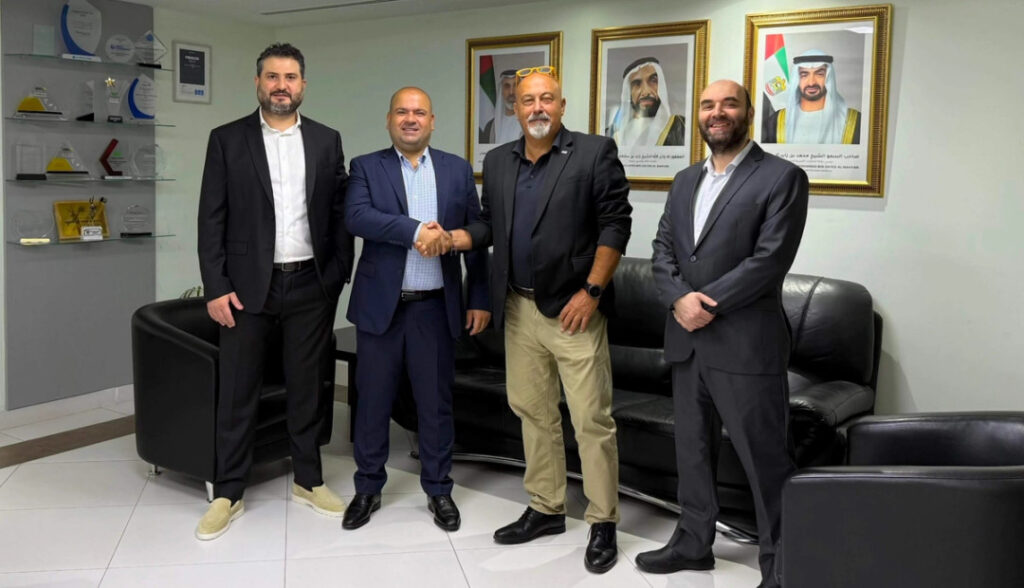
NORBIT Security sonars will be integrated by Falcon Eye Technology to protect an Abu Dhabi cultural venue across ultra-shallow and deeper waterfront environments against underwater threats
Forcys explains how autonomous and unmanned underwater vehicles are changing maritime security requirements, highlighting detection challenges and the need for dedicated acoustic surveillance systems
Defense Advancement showcases NORBIT Security's underwater surveillance and threat detection solutions for real-time monitoring of critical naval and marine assets
Forcys outlines strategies for countering underwater threats, combining sensor payloads, communications tools, and autonomous systems with defense and commercial applications
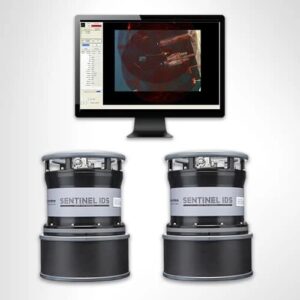
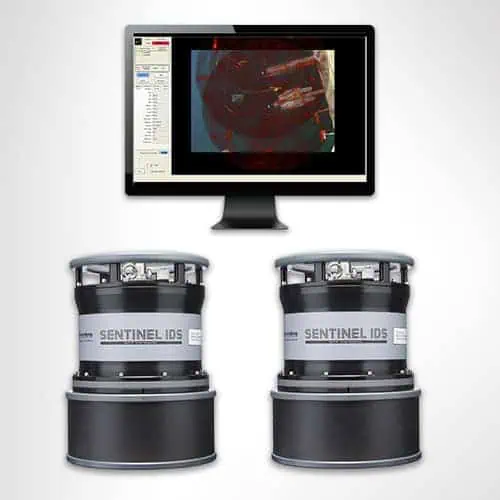
There has been a surge in sales for the Sentinel Intruder Detection Sonar (IDS), which detects, tracks, and classifies divers and uncrewed underwater vehicles (UUVs)
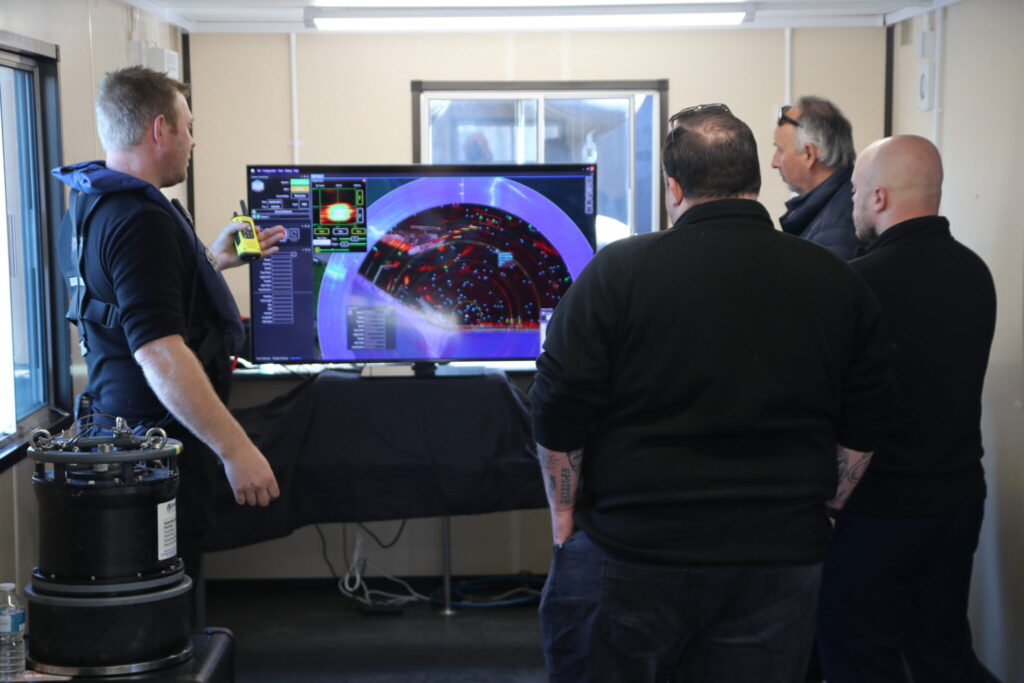
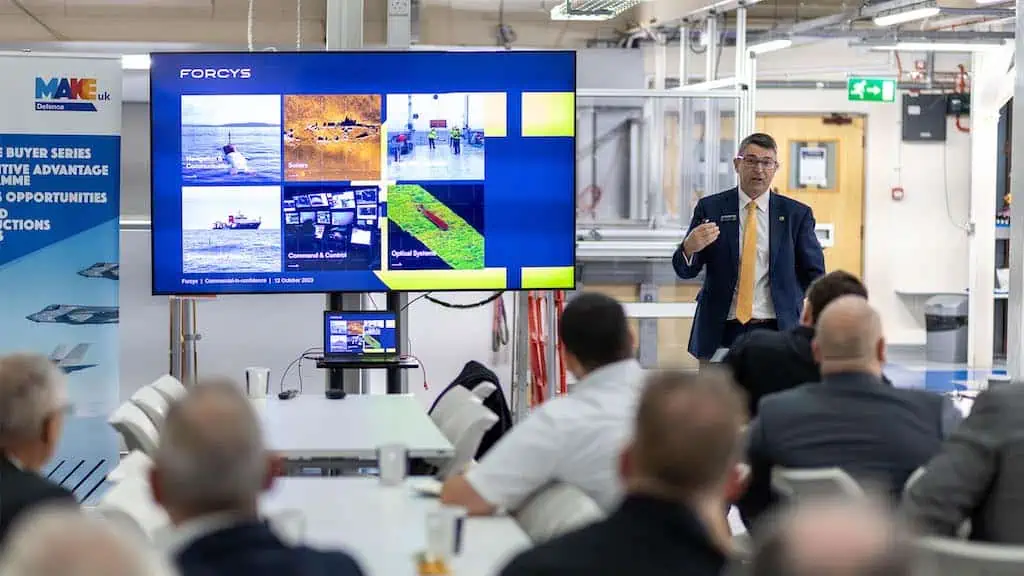
Make UK Defence, who support the UK’s defense manufacturers and the defense supply chain, brought many of those companies together for a demonstration and presentation event
The latest defense technology news, straight to your inbox.
Get our weekly roundup of technology developments, new products and industry news.
THANK YOU FOR SIGNING UP
Thanks for joining us. Check your inbox.
We've sent you an email. Click the confirmation link to complete your subscription to the weekly eBrief. In the meantime, explore the latest news, suppliers and technologies on DA.
Advancing Defense Capability Through Strategic Collaboration
Defense Advancement works with major OEMs to foster collaboration and increase engagement with SMEs, to accelerate innovation and drive defense capabilities forward.