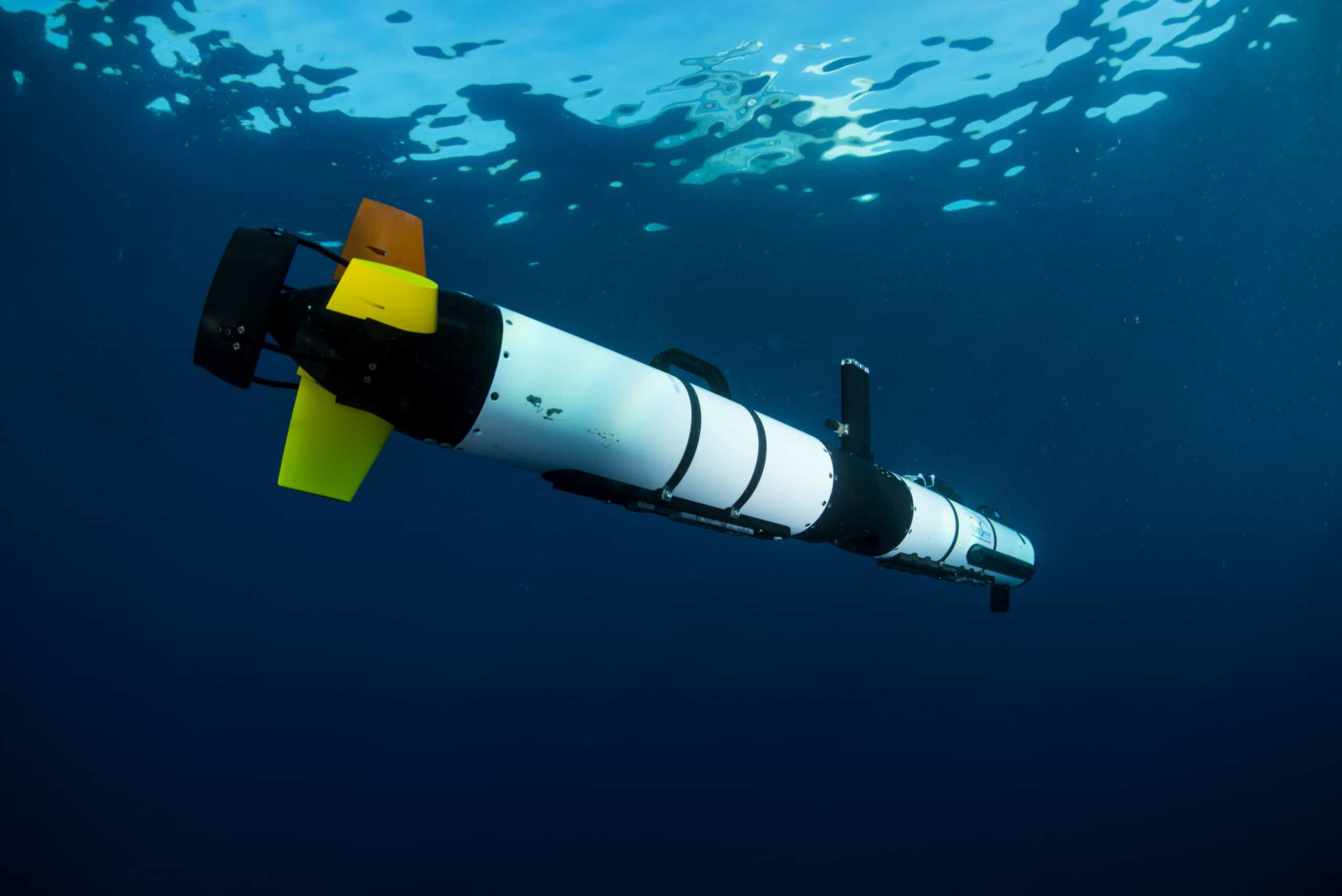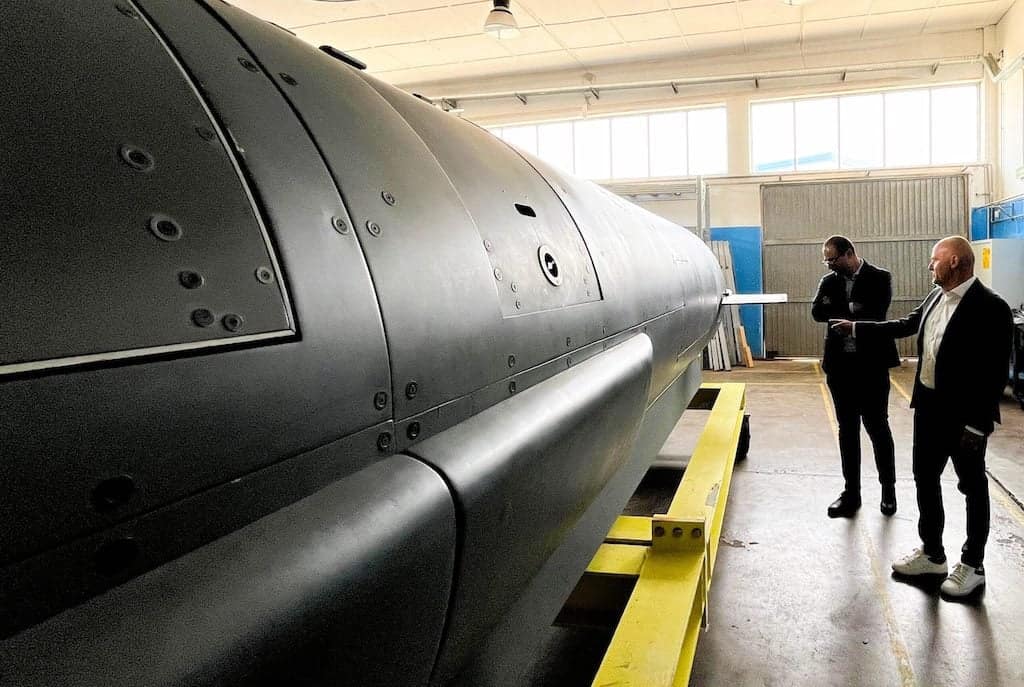



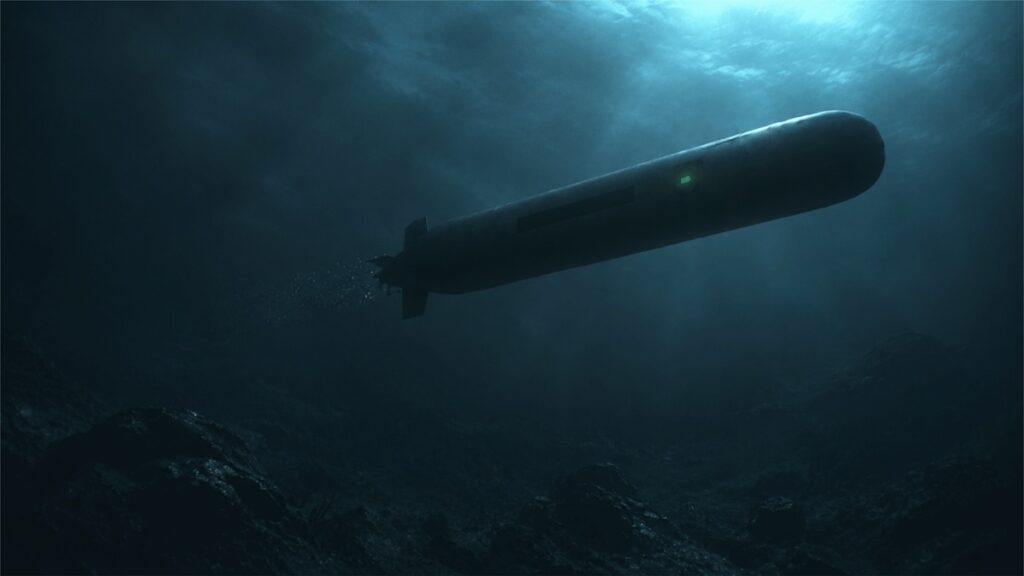
Forcys outlines why Autonomous Underwater Vehicles (AUVs) and Unmanned Underwater Vehicles (UUVs) are creating new maritime security risks as capable commercial platforms become more widely available. Learn more >>
Once limited to specialist research, offshore energy, and naval operations, these systems can now be adapted for reconnaissance, surveillance, or actions against critical underwater infrastructure.
Low acoustic signatures, autonomous operation, compact designs, and varied payload options make these vehicles difficult to detect using traditional surface-focused security measures. For ports, naval bases, and operators of critical subsea infrastructure, this creates a growing need for dedicated underwater awareness.
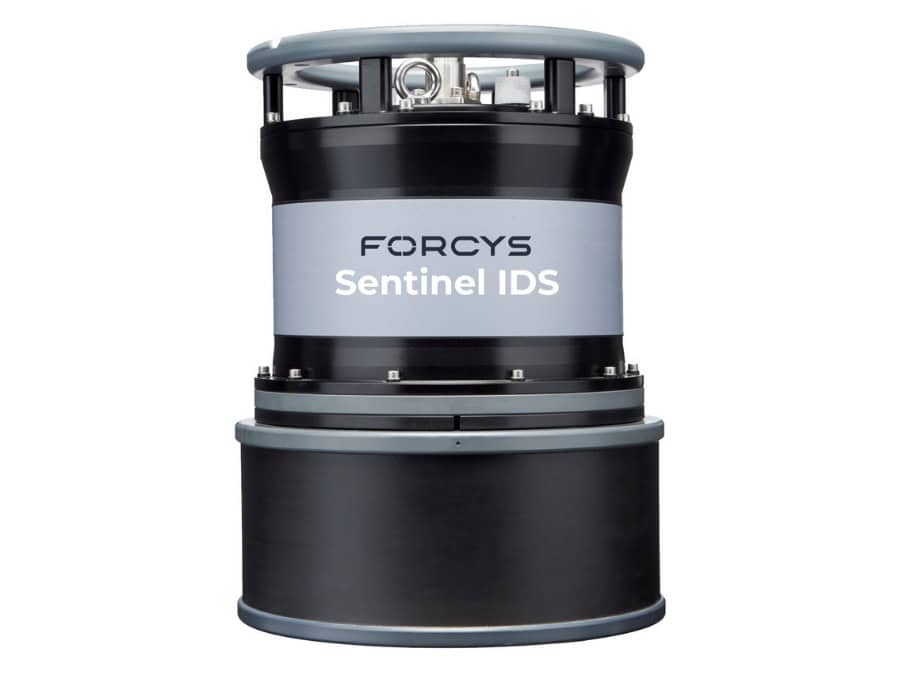
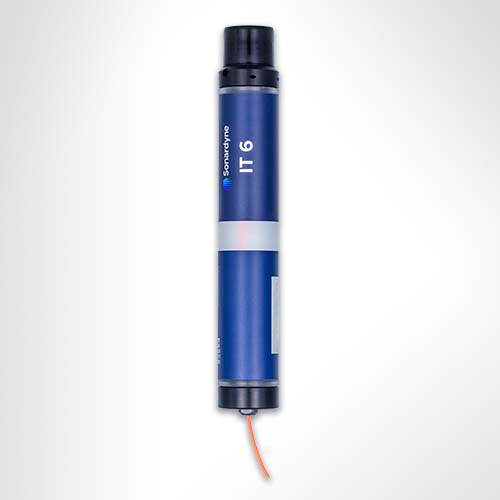
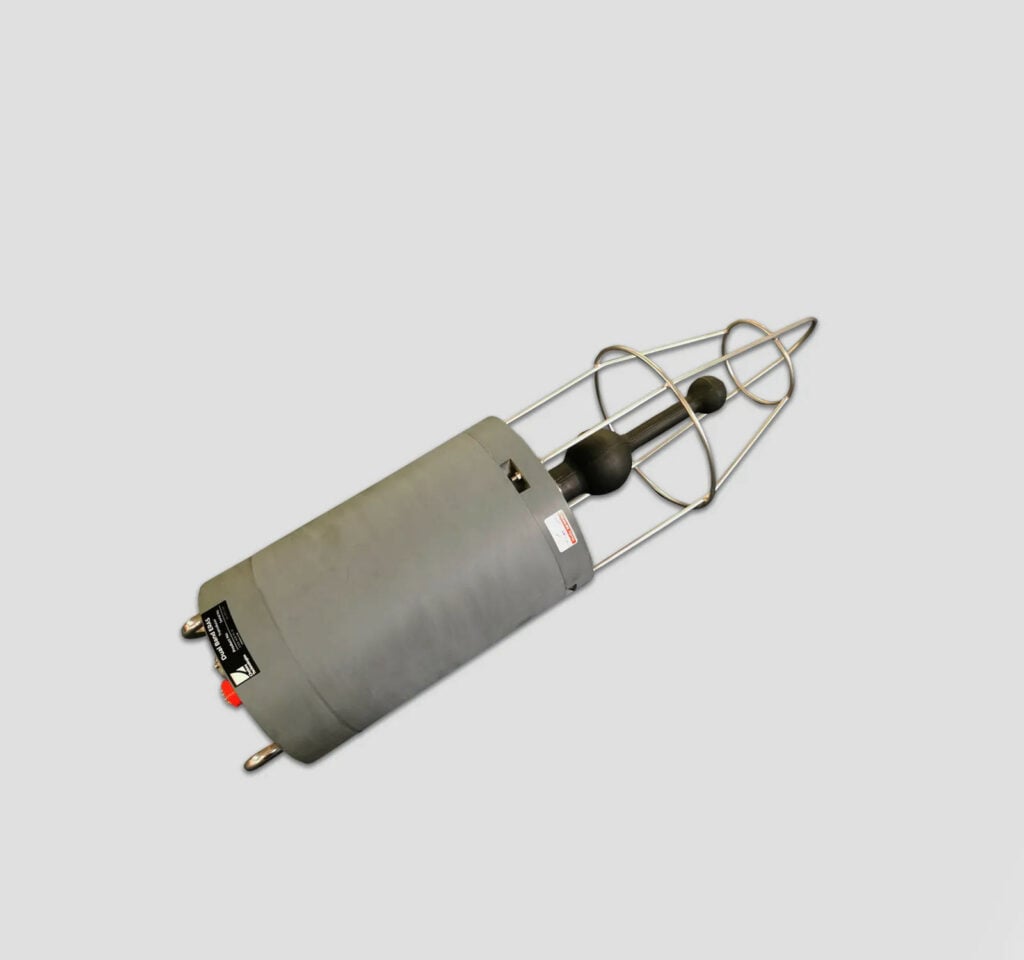
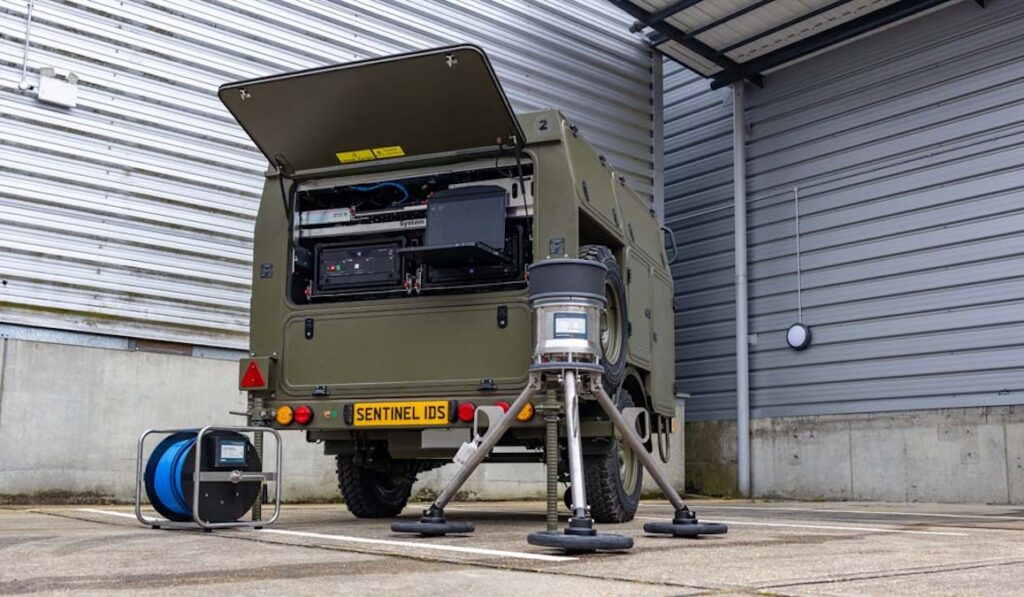
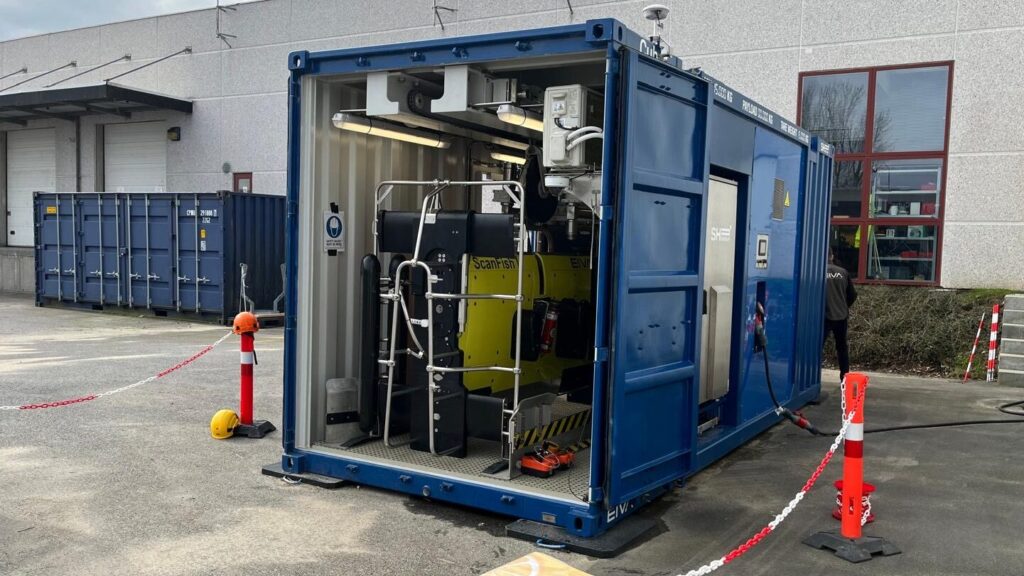
Forcys explains why acoustic detection is the primary means of identifying underwater autonomous systems at operationally useful ranges, and why accurate classification is essential for distinguishing genuine threats from marine life and other sources of underwater noise. The article also highlights how Forcys’ Sentinel IDS combines active and passive sonar processing to improve the detection, tracking, and classification of underwater contacts.
Visit the Forcys website to learn more about the evolving AUV and UUV threat landscape.