Showcase your capabilities
If you design, build or supply ATR Chassis, create a profile to showcase your capabilities and connect with visitors who have an active requirement for your solutions.




ATR chassis are ruggedized electronic enclosure solutions engineered to protect mission-critical computing, avionics, and embedded systems across defense and aerospace platforms. Designed for harsh operational environments, ATR enclosures support C5ISR, radar, EW, tactical networking, sensor fusion, and AI processing systems.
This page showcases ATR enclosure and ATR rack manufacturers offering rugged ATR chassis, ATR box, and air transport rack solutions in standard and custom form factors, with mil spec ATR chassis designs supporting thermal management, EMI shielding, modular backplanes, rugged connectors, and SWaP-conscious integration.
Read the Technology Overview
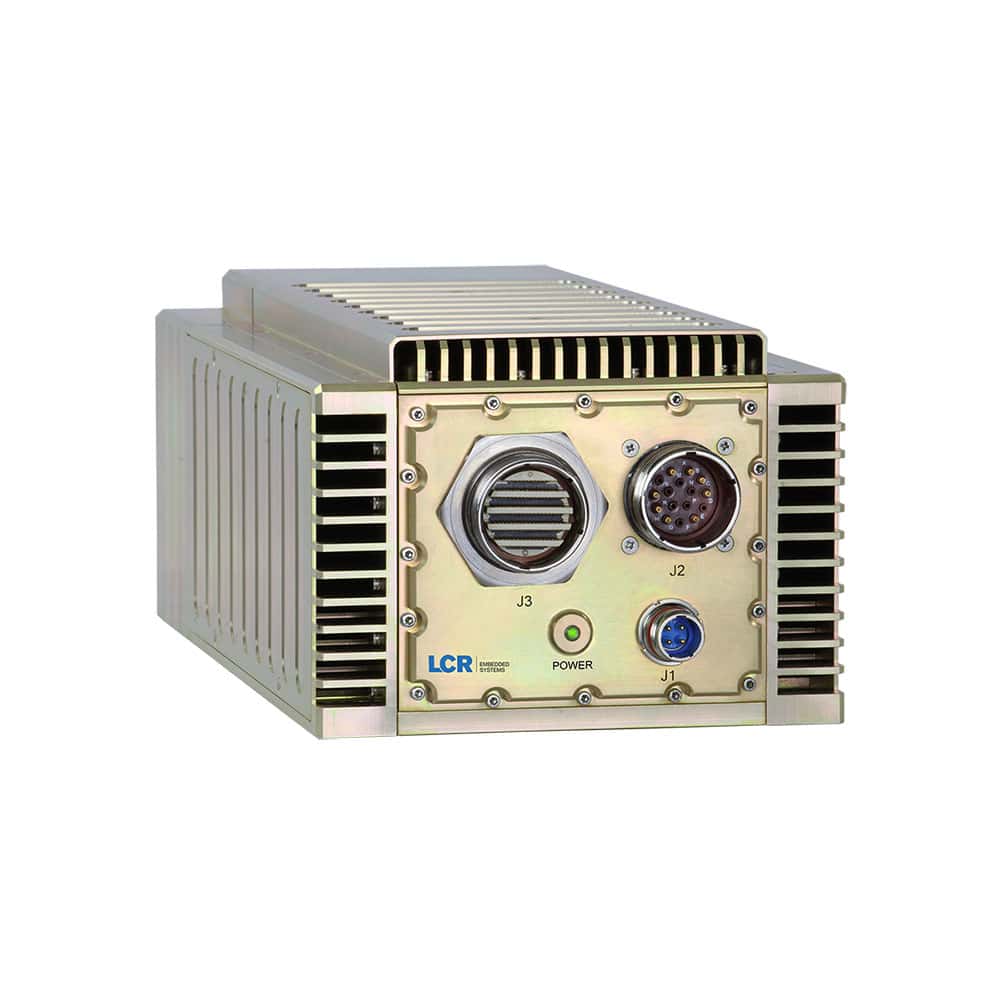
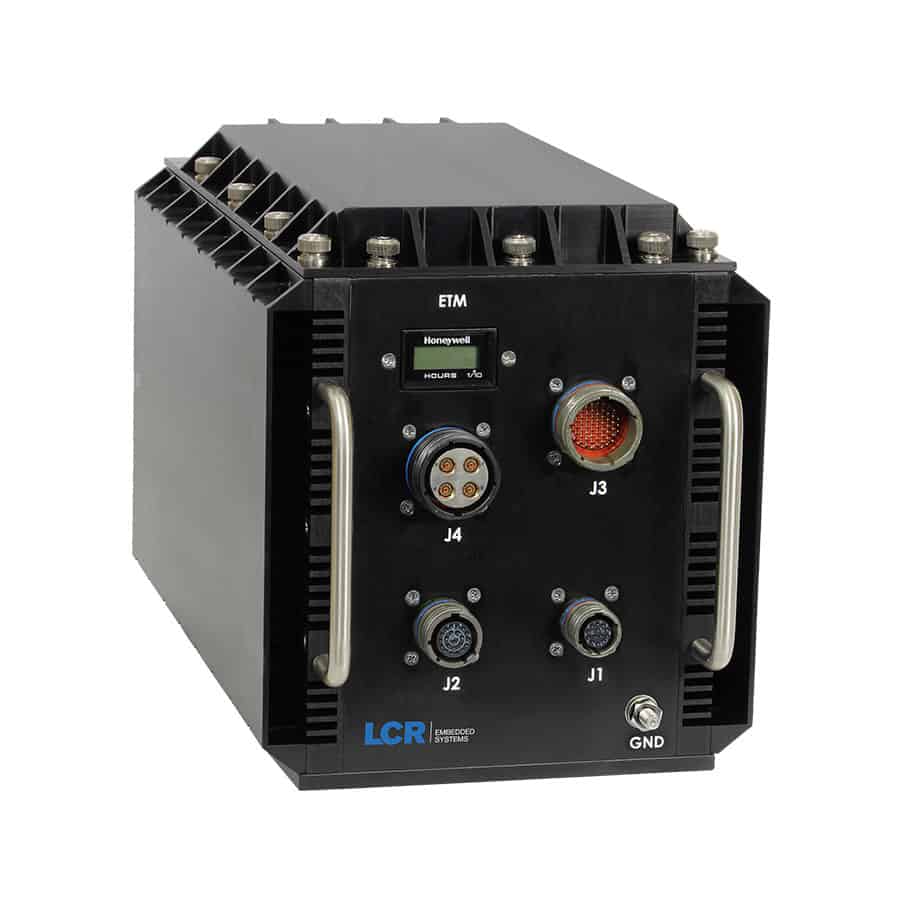
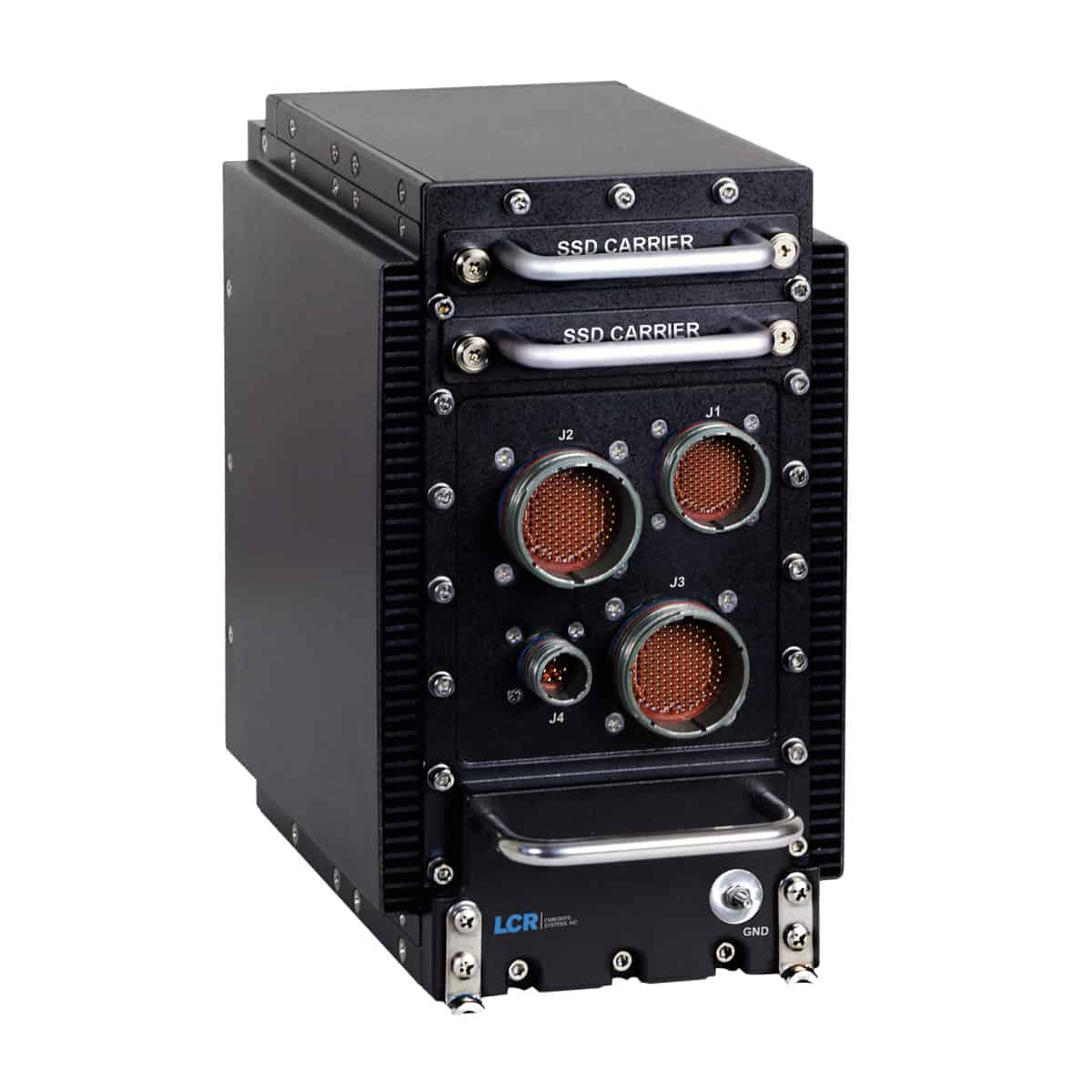
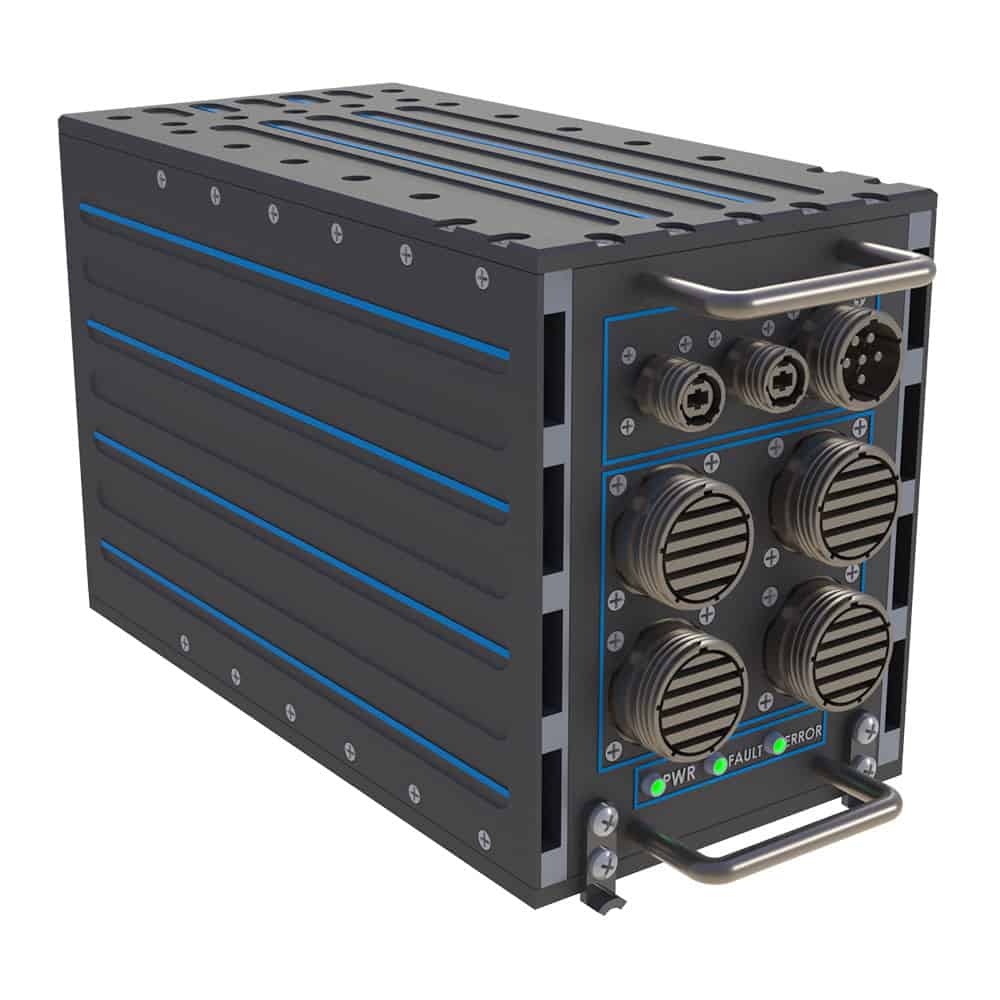
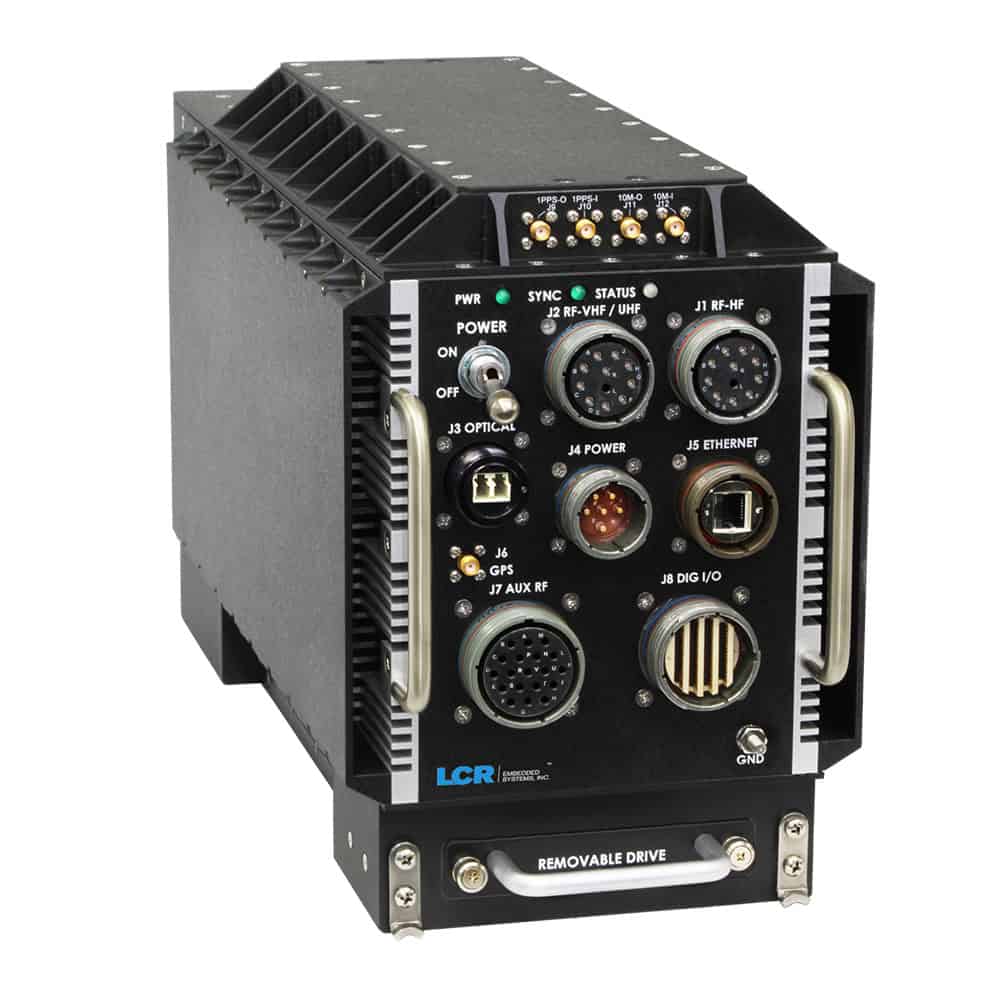
Rugged Electronic Enclosures, Backplanes & Full Systems Integration for Defense & Aerospace Applications

Mission-Critical Integrated Systems, Chassis & Backplanes For Military Systems Operating In All Domains

If you design, build or supply ATR Chassis, create a profile to showcase your capabilities and connect with visitors who have an active requirement for your solutions.

The acronym ATR stands for Air Transport Rack, which refers to a family of mechanical enclosure specifications originally developed to simplify the installation, interchangeability, and maintenance of avionics systems aboard military and commercial aircraft.
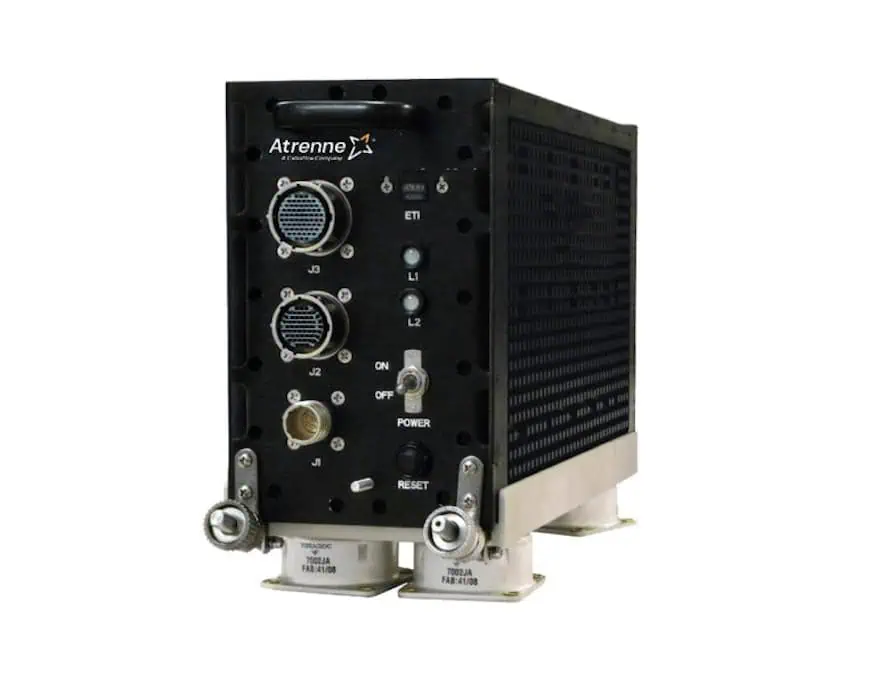
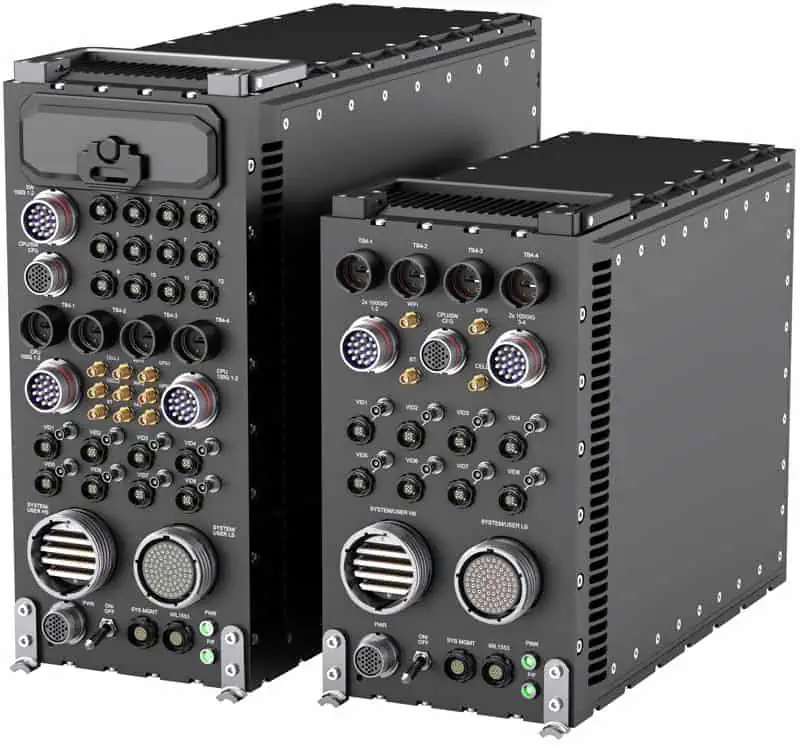
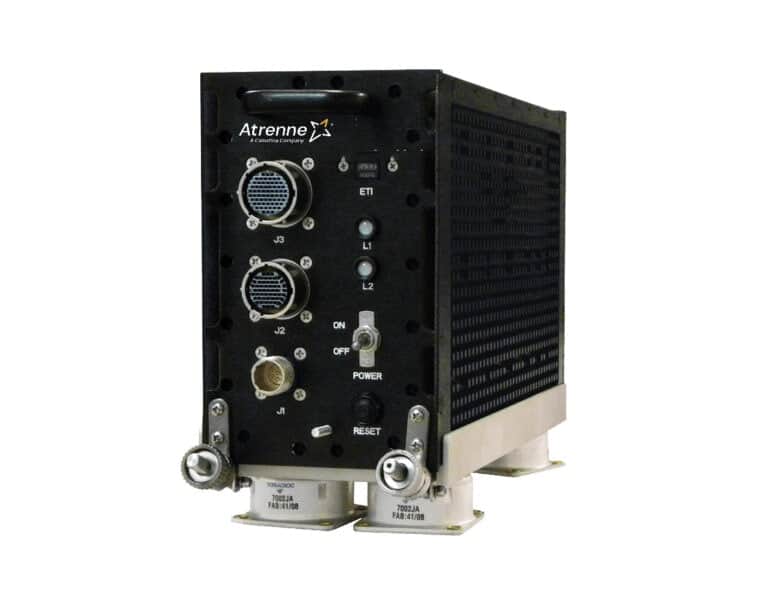
716 Series, 3U & 6U ATR chassis, from Atrenne, A Celestica Company
Rugged ATR chassis serve as the physical and thermal backbone for a vast range of defense electronics. These platforms house critical subsystems including mission computers, radar processors, electronic warfare payloads, C5ISR systems, sensor fusion engines, AI accelerators, and tactical networking hardware.
Unlike standard industrial enclosures, an ATR box is engineered from the ground up for operation in harsh and contested environments. They must withstand severe vibration, mechanical shock, rapid altitude changes, humidity, electromagnetic interference (EMI), salt fog, and extreme thermal loads while maintaining deterministic performance. These characteristics make a mil spec ATR chassis indispensable wherever high-performance computing must survive under operational battlefield conditions.
Despite the emergence of alternative form factors, ATR racks remain foundational to defense electronics because they solve several interlocking operational challenges:
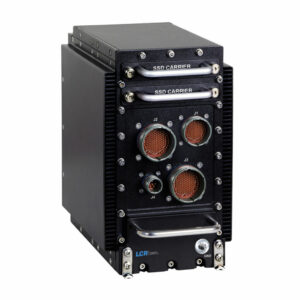
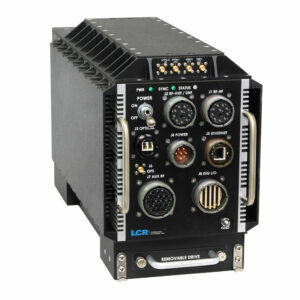
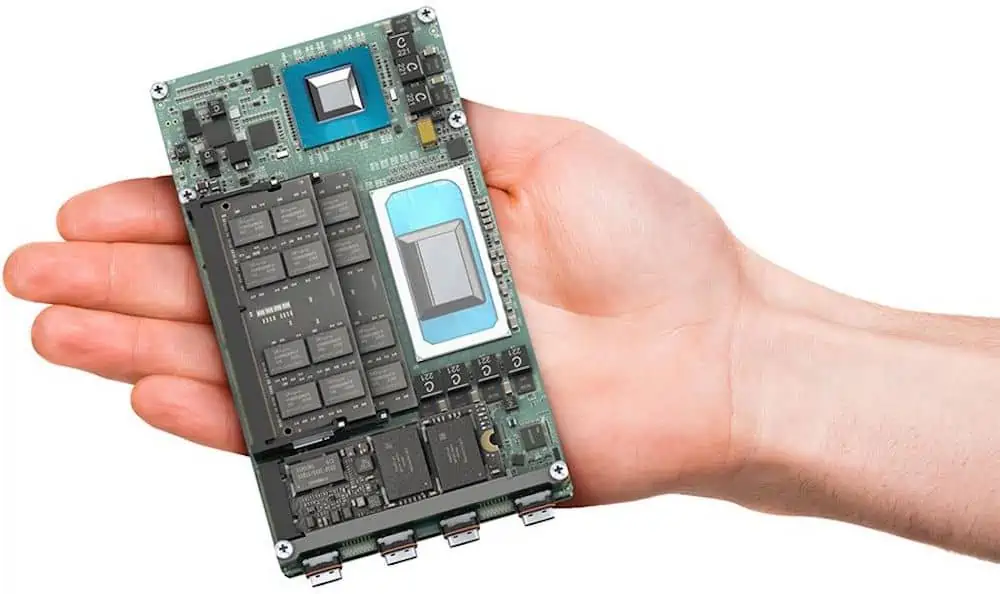
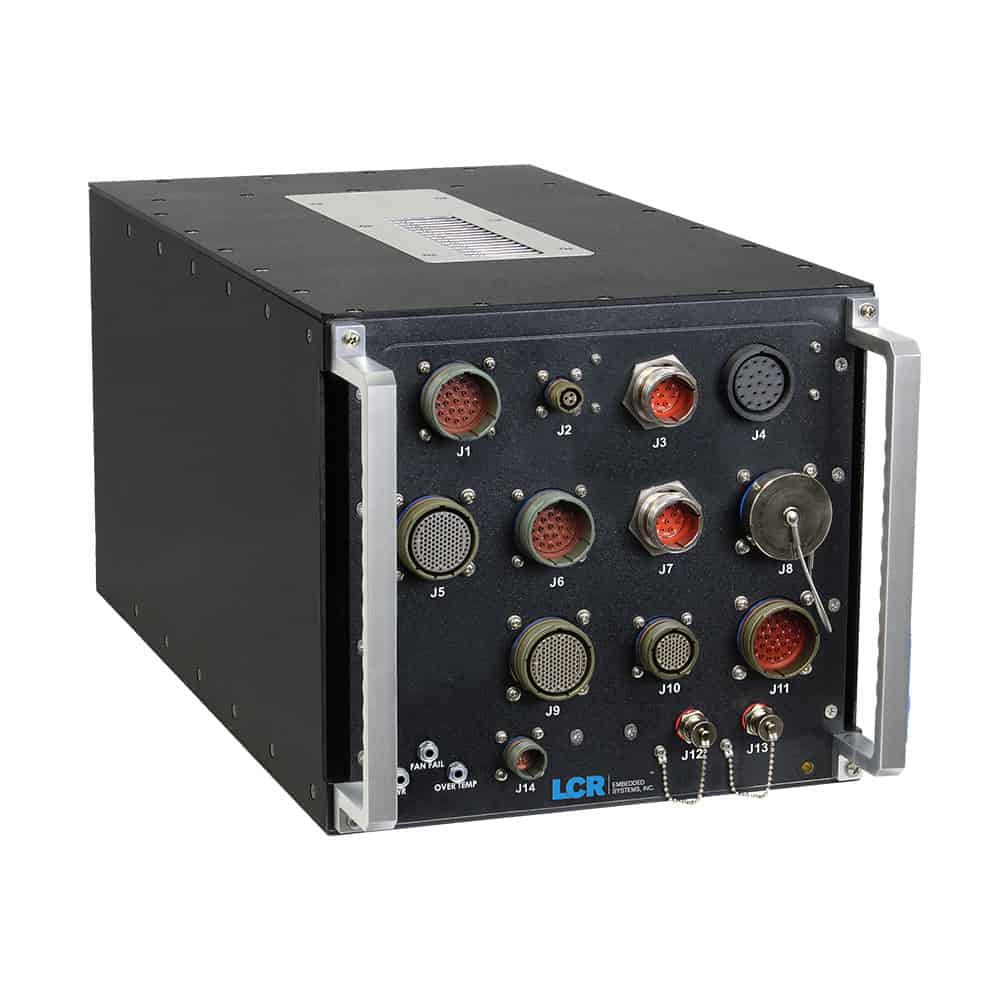
AoC3U-412 ATR Chassis from LCR Embedded Systems
Although an ATR box and a rugged industrial enclosure may appear superficially similar, they are fundamentally different in design philosophy and operational purpose.
Conventional rugged enclosures are often adapted from commercial computing platforms and hardened for industrial use. They may provide basic shock resistance, fan cooling, and environmental sealing suitable for factory automation or transportation applications. However, they are rarely designed for stringent military qualification standards or sustained operation in contested environments.
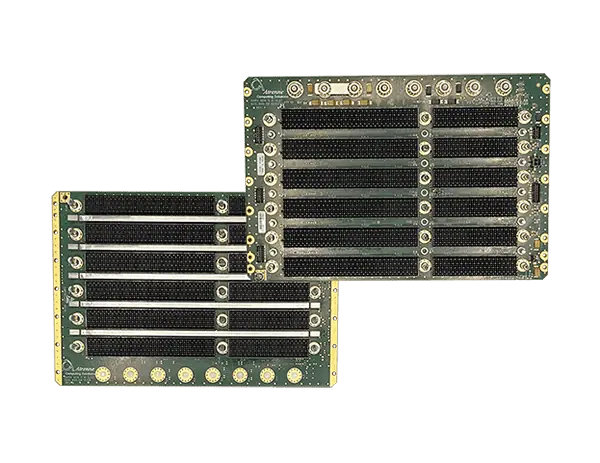
A true rugged ATR chassis, by contrast, is purpose-built for mission-critical military systems. Structural tolerances, thermal paths, EMI shielding strategies, connector systems, and modular interfaces are engineered specifically for defense-grade reliability. Features such as wedgelock card retention, conduction cooling, MIL-DTL-38999 circular connectors, integrated backplanes, and deterministic power architectures are standard design elements rather than optional enhancements.
Thermal design represents another major distinction. Conventional industrial enclosures typically depend on convection cooling and unrestricted airflow. Military ATR enclosures frequently operate in sealed environments where external airflow is unavailable or undesirable due to contaminants. As a result, conduction cooling, liquid cooling, or air-over-conduction techniques become essential design requirements.
Moreover, ATR racks are designed around lifecycle sustainment expectations measured in decades. Long-term maintainability, technology insertion, standards compliance, and supply chain assurance are integrated into the platform architecture from the outset.
In airborne applications, ATR enclosures host avionics processors, ISR computing payloads, mission computers, radar controllers, and electronic warfare systems aboard fighter aircraft, helicopters, maritime patrol aircraft, and unmanned aerial systems (UAS). These environments impose strict weight limitations alongside severe vibration, pressure variation, and thermal challenges.
Ground vehicle applications include battle management systems, vetronics processors, tactical communications nodes, autonomous vehicle controllers, and mobile command infrastructure. These systems must tolerate high shock loading, dust ingress, transient vehicle power conditions, and sustained tracked or wheeled mechanical vibration.
Naval applications place great emphasis on corrosion resistance, EMI protection, and thermal reliability. An ATR box aboard surface ships and submarines may support sonar processing, radar control, electronic warfare, and combat management systems while operating in salt-laden, high-humidity environments.
Space-constrained tactical edge deployments also increasingly rely on compact ATR housing designs for AI inference, sensor fusion, and distributed battlefield processing, bringing high-performance compute closer to the forward edge.
ARINC standards define the physical and electrical framework used to package and integrate avionics and mission electronics. Rather than specifying internal computing architectures, these standards focus primarily on enclosure geometry, mounting arrangements, cooling approaches, and connector placement.
This standardization greatly simplifies interoperability and maintenance. Equipment designed according to ARINC specifications can be installed, replaced, or upgraded with minimal platform modification, providing major operational advantages.
ARINC 404 remains one of the foundational standards for ATR-rack design. It defines enclosure dimensions, front panel arrangements, guide rail spacing, and modular rack interfaces for avionics systems.
The standard established a modular mechanical architecture that enabled rapid installation and replacement of avionics LRUs. Typical ARINC 404 systems employ front-loading card assemblies housed within ruggedized enclosures using fixed mechanical dimensions. While newer architectures now dominate high-performance mission computing, ARINC 404 remains widely used in legacy platforms and sustainment programs.
ARINC 600 extended the capabilities of ARINC 404 by introducing higher-density packaging, improved connector systems, enhanced maintainability, and more sophisticated cooling provisions.
One of the most significant changes introduced by ARINC 600 was the use of standardized rear connector interfaces capable of supporting far greater I/O density. This allowed avionics systems to integrate increasing numbers of sensors, displays, communication links, and processing resources without excessive cabling complexity. These ATR enclosures remain heavily used in military aircraft, ISR platforms, and mission avionics suites where long lifecycle support and high reliability are critical.
An ATR chassis is commonly categorized according to its physical width fractions, which dictate internal volume and capacity:
| Form Factor | Typical Application | Key Characteristics |
| Short 1/2 ATR | UAVs, tactical edge computing, space-constrained payloads | Ultra-compact footprint, optimized for SWaP, low slot count |
| Long 1/2 ATR | Armored vehicle mission computers, small-footprint ISR | Balanced internal volume, fits standard short-width racks with extended depth |
| 3/4 ATR | Airborne radar, electronic warfare, sensor fusion systems | Medium-to-high slot capacity, robust thermal management paths |
| Full ATR | Large airborne ISR platforms, naval combat systems | Maximum internal volume, high compute density, supports large power supplies |
Many defense programs also employ custom ATR boxes designed around unique platform constraints or mission requirements. These may incorporate non-standard dimensions, specialized cooling systems, custom backplanes, or unique connector arrangements while still leveraging core mil-spec ATR chassis design principles.
The LRU philosophy remains central to ATR chassis design. Each module or subsystem within the enclosure can typically be replaced independently, minimizing maintenance downtime and simplifying logistics. LRUs may include processor cards, power supplies, cooling assemblies, network switches, storage devices, or I/O modules.
This modularity significantly improves operational readiness. Faulty equipment can be replaced rapidly at the organizational maintenance level (on the flight line or in the vehicle depot) while more extensive repairs occur at centralized depots. Standardized ATR housing designs also simplify technology insertion, allowing processing components to be upgraded without redesigning the entire chassis infrastructure.
The Sensor Open Systems Architecture (SOSA) initiative has accelerated the evolution of ATR platforms toward open modular computing frameworks. SOSA defines interoperable hardware profiles, slot configurations, networking fabrics, timing architectures, and software abstraction layers intended to simplify defense system integration. The ATR box increasingly serves as the physical infrastructure hosting these standardized modules.
This convergence allows defense integrators to replace or upgrade processing cards from different suppliers without requiring complete system redesigns. The result is faster technology insertion, reduced vendor lock-in, and improved lifecycle flexibility.
Future development in the mil spec ATR chassis market is increasingly driven by SOSA alignment, high-speed optical networking, and support for heterogeneous processing architectures that combine CPUs, GPUs, FPGAs, and AI accelerators within ruggedized modular frameworks.


 Searching Companies & Products