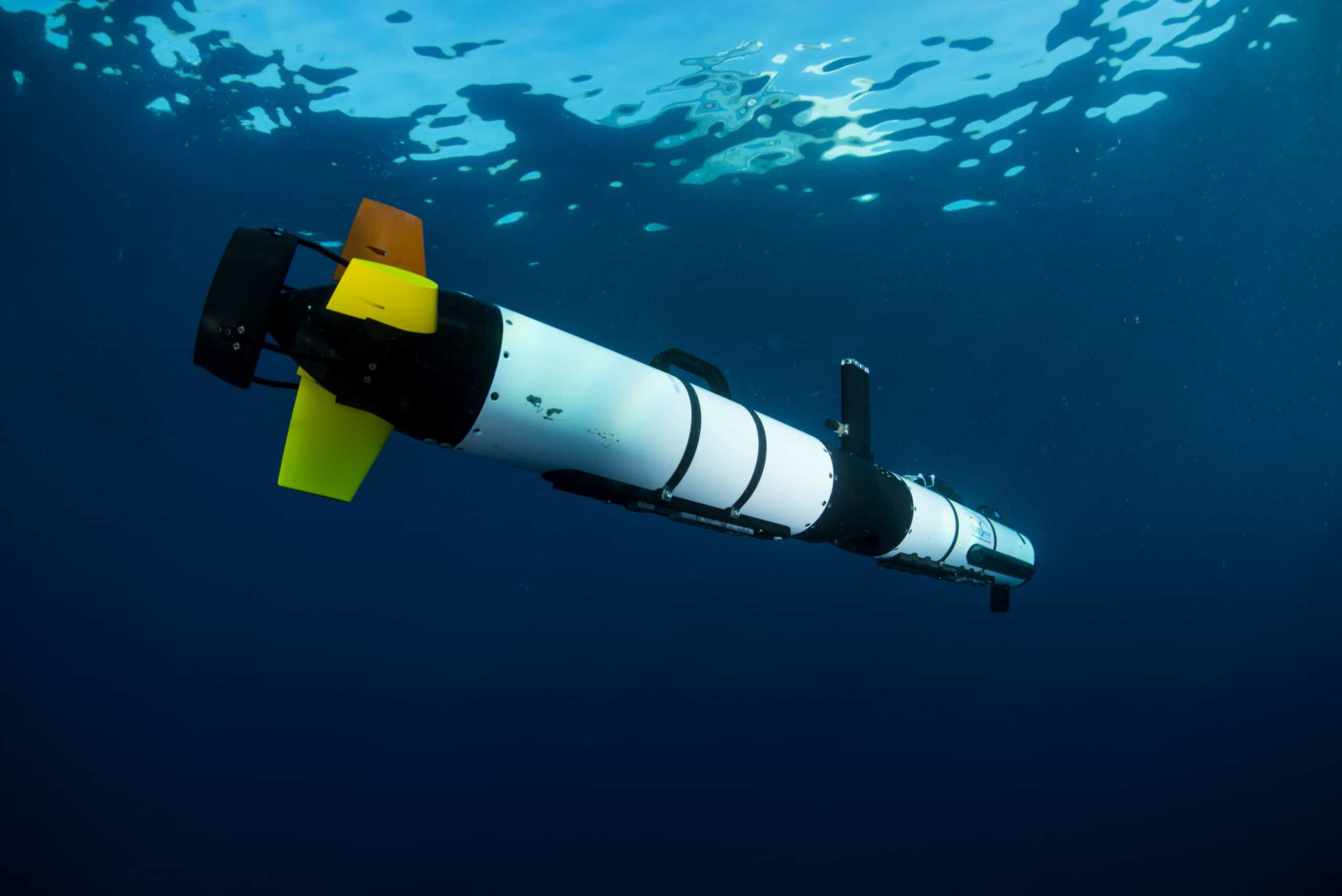



Forcys highlights how high-resolution optical systems from Voyis, its technology partner, were evaluated by the University of Tasmania for enhanced underwater mine identification using an Autonomous Underwater Vehicle (AUV). Read more >>
The project assessed the capabilities of optical-based sensors when using an AUV to dynamically survey large subsea areas and identify specific objects of interest. While wide-area sonar systems can be used for mine detection, they do not always provide sufficient detail for the identification stage. As a result, underwater mine identification has historically required the deployment of divers or Remotely Operated Vehicles (ROVs).
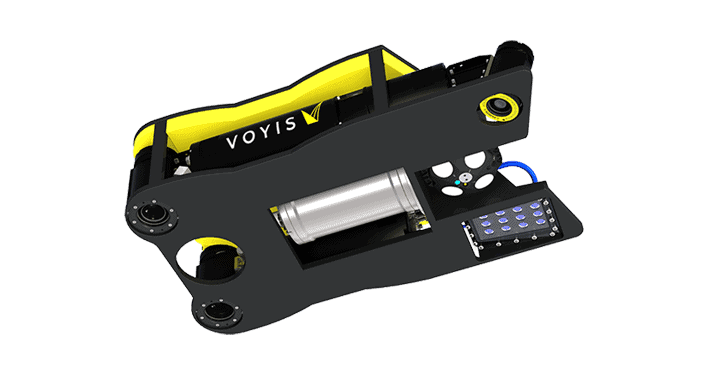
Voyis develops high-resolution optical systems capable of rendering laser point cloud data and capturing 4K still images. The systems provide a comprehensive visual understanding of Mine-Like Objects (MLOs), contributing to mission effectiveness while reducing risk by limiting diver deployment in minefields.
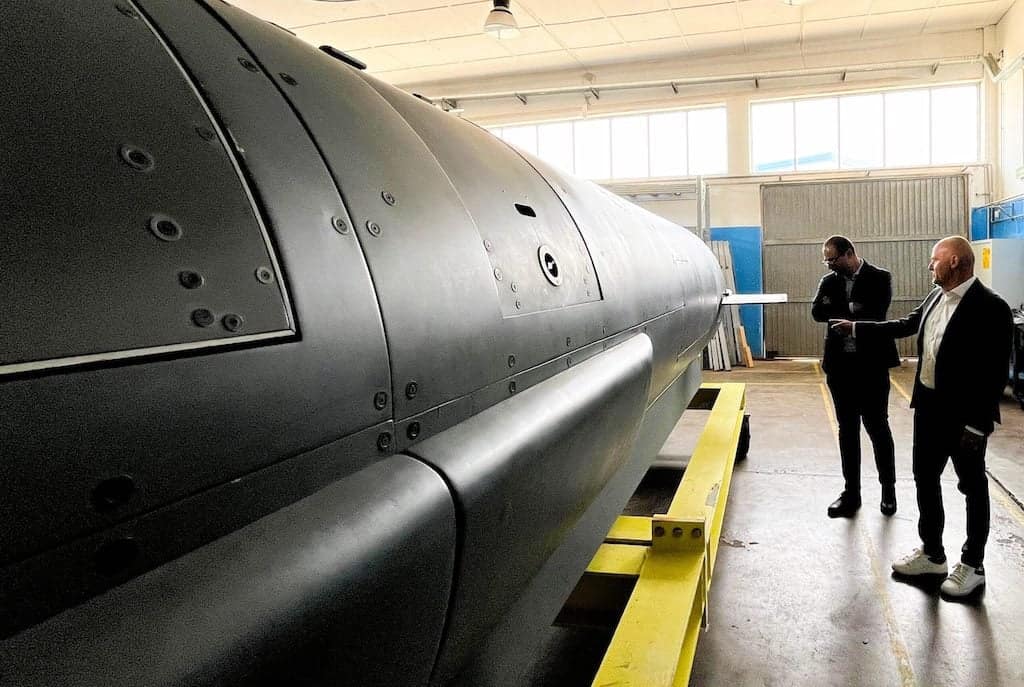
For this project, the Insight Pro laser scanner, Observer Pro stills camera, and Nova LED panel were bottom-mounted on the University of Tasmania’s ISE Explorer AUV.
The AUV operated at altitudes ranging from 1.5 to 15 meters as the laser and stills system simultaneously gathered data. The systems functioned in coordination to capture corresponding laser and image datasets for the same targets. All collected data was stored onboard the sensors, with image processing performed in real time.
The Voyis systems were successfully integrated onto the Explorer AUV, producing high-quality 4K still imagery. The images were enhanced in real time to correct for color loss, lighting conditions, and distortion introduced by the water medium, supporting complete situational awareness in warfare operations.
The data collected provided sufficient detail to allow users to distinguish between mines and similar objects found underwater.
The results provide a significant improvement over conventional optical systems typically mounted on AUVs. This project also indicates that AUVs can potentially be used to build wide-area, high-resolution maps of the subsea environment.