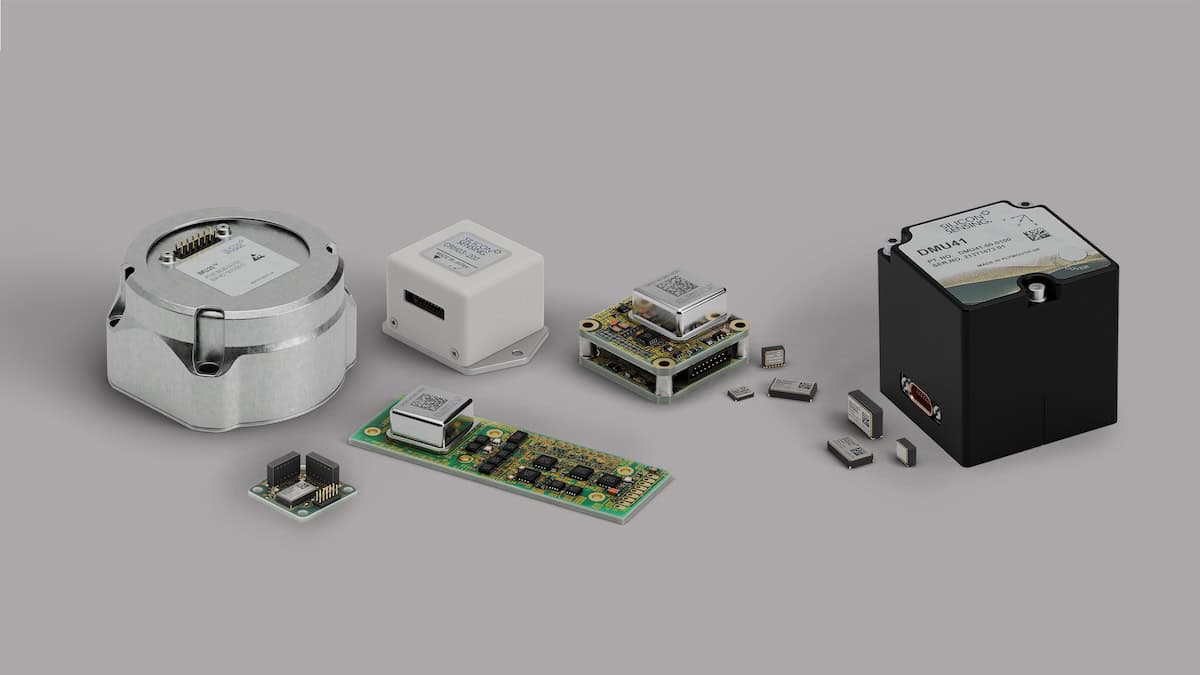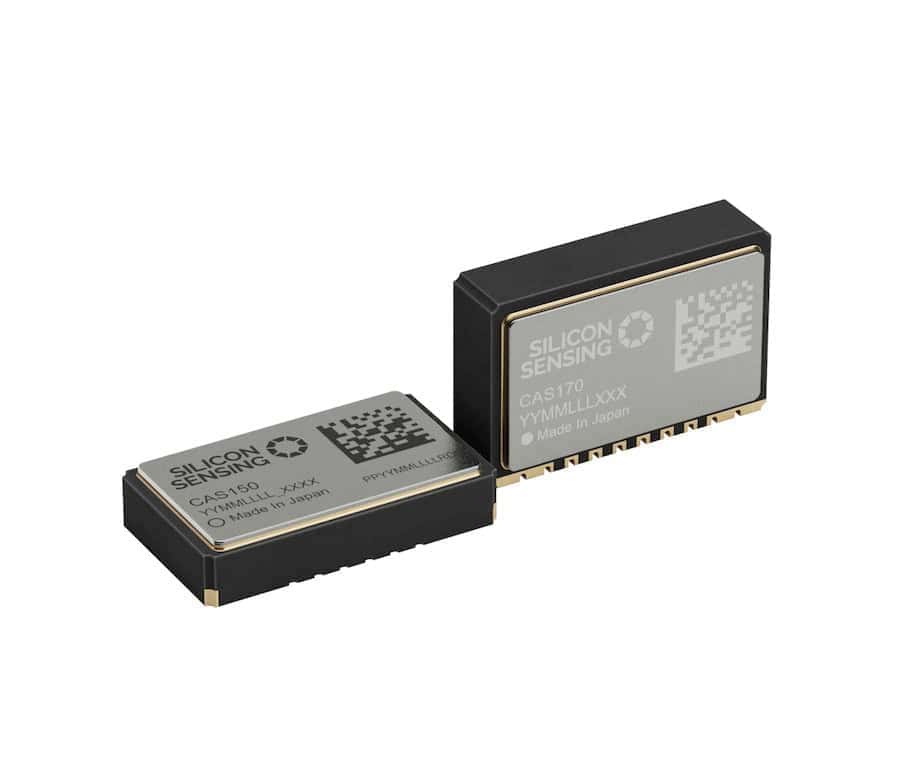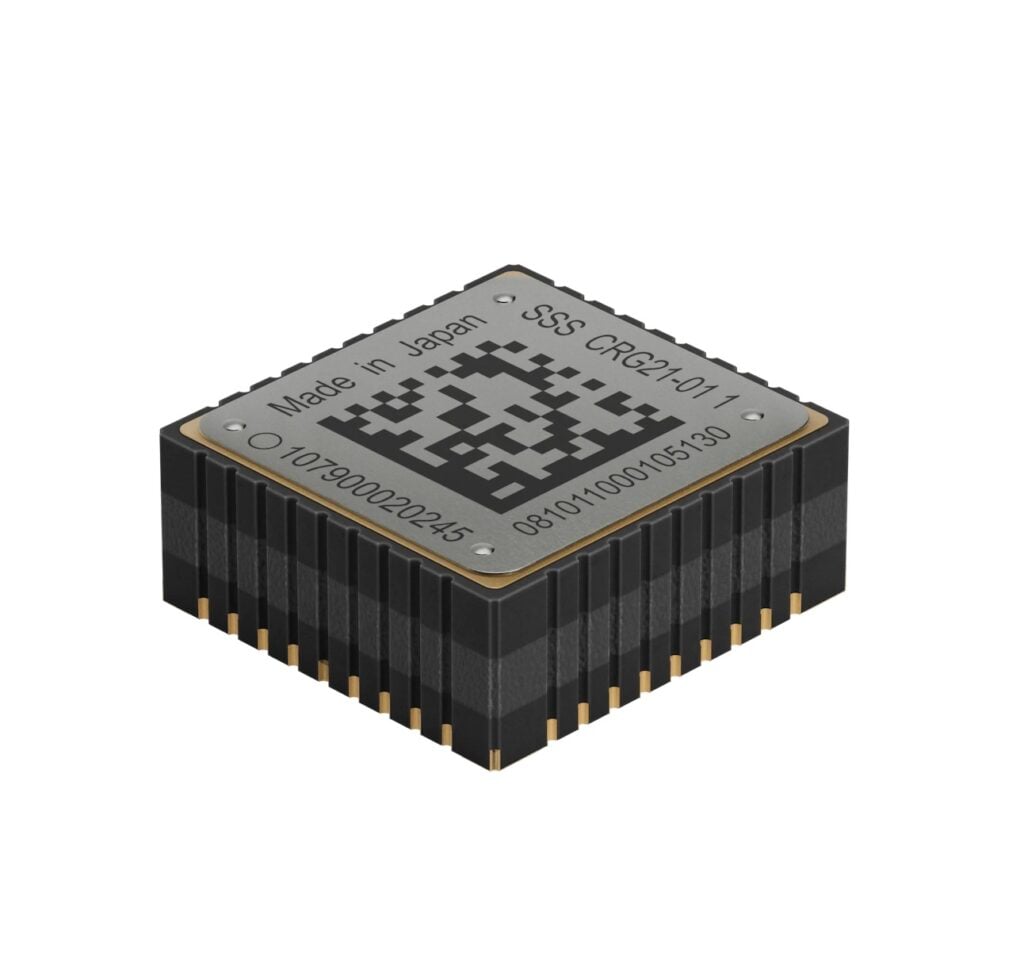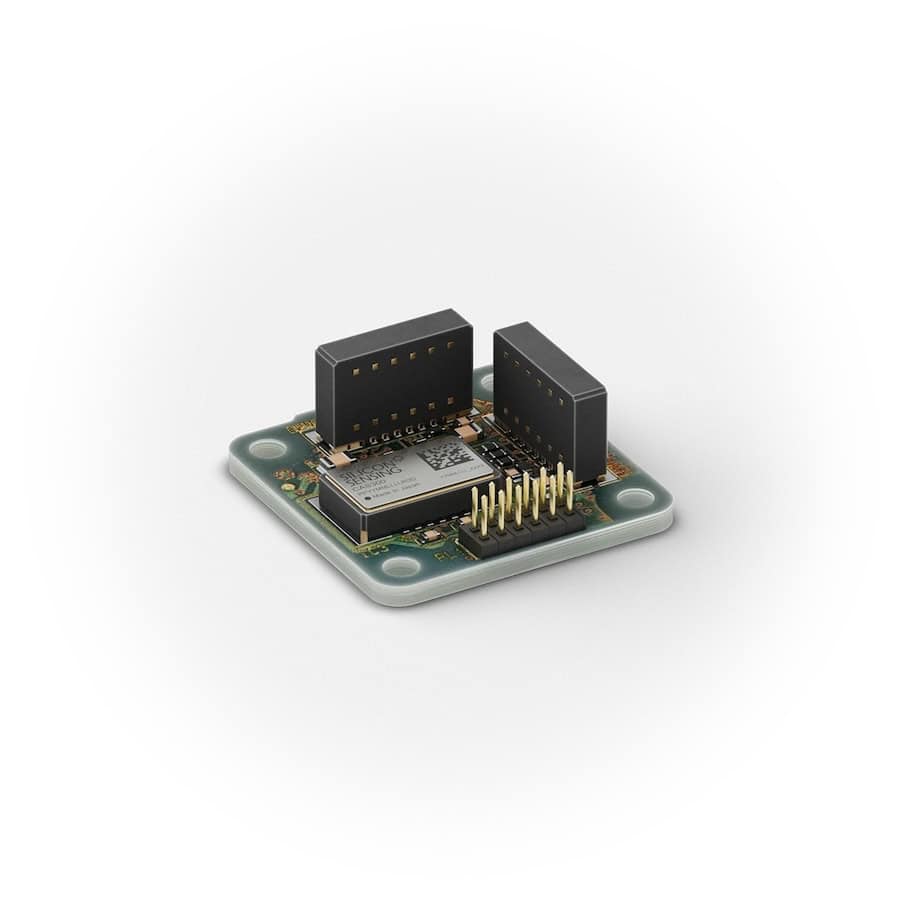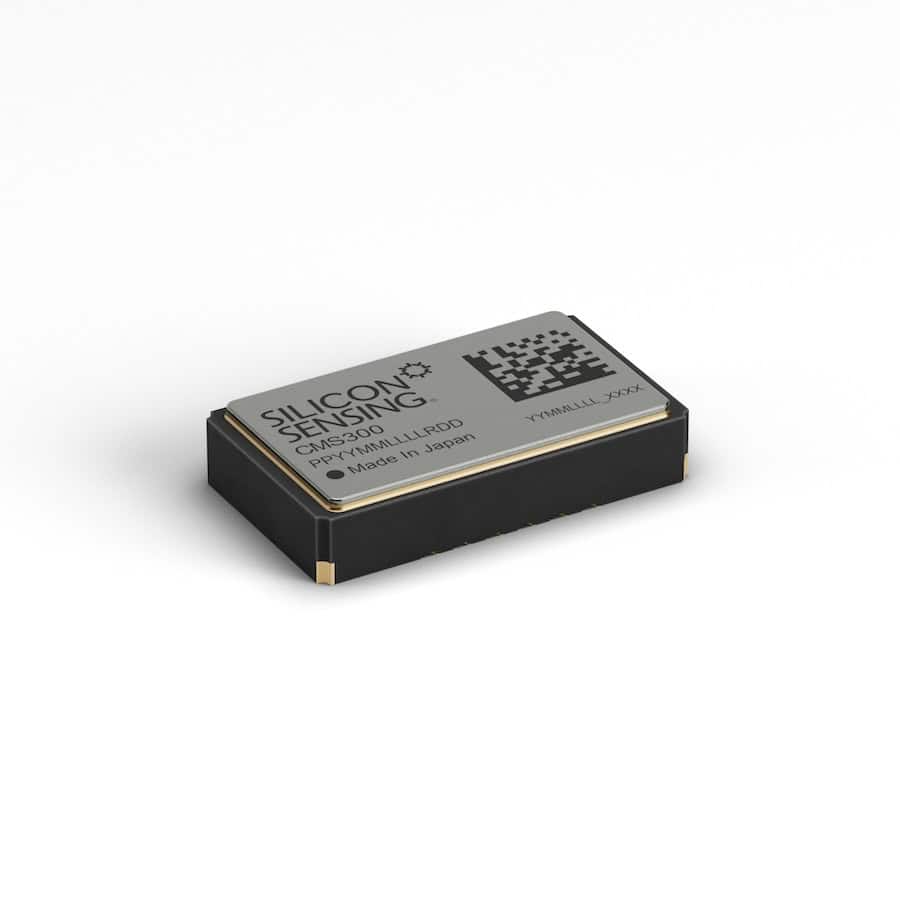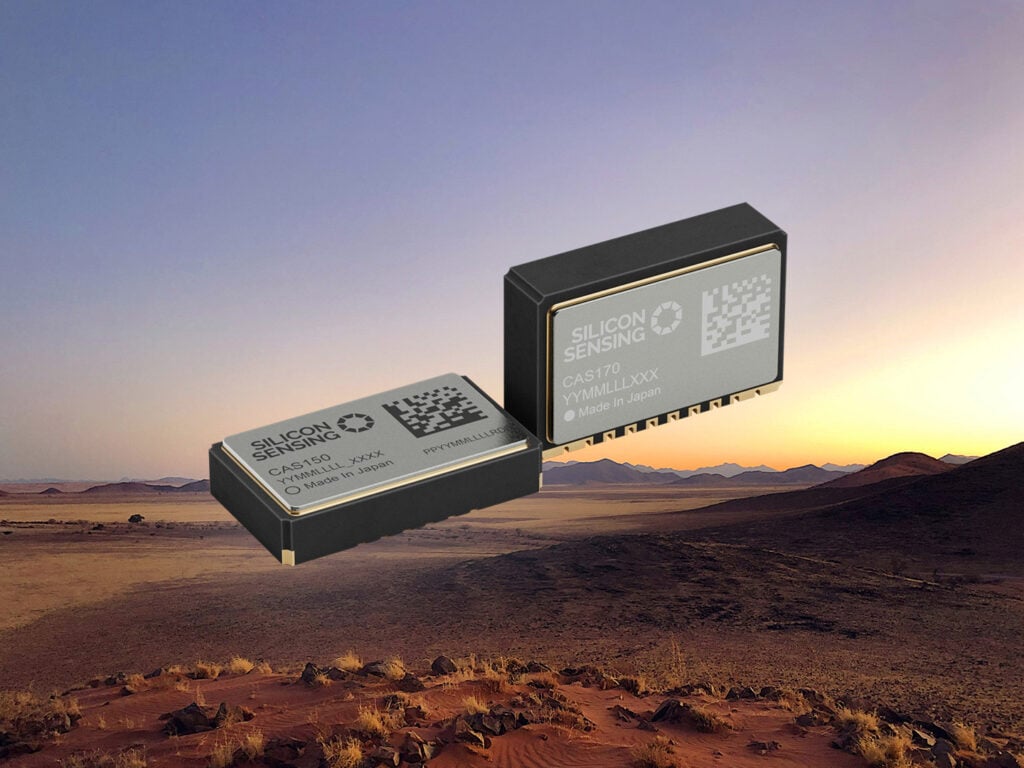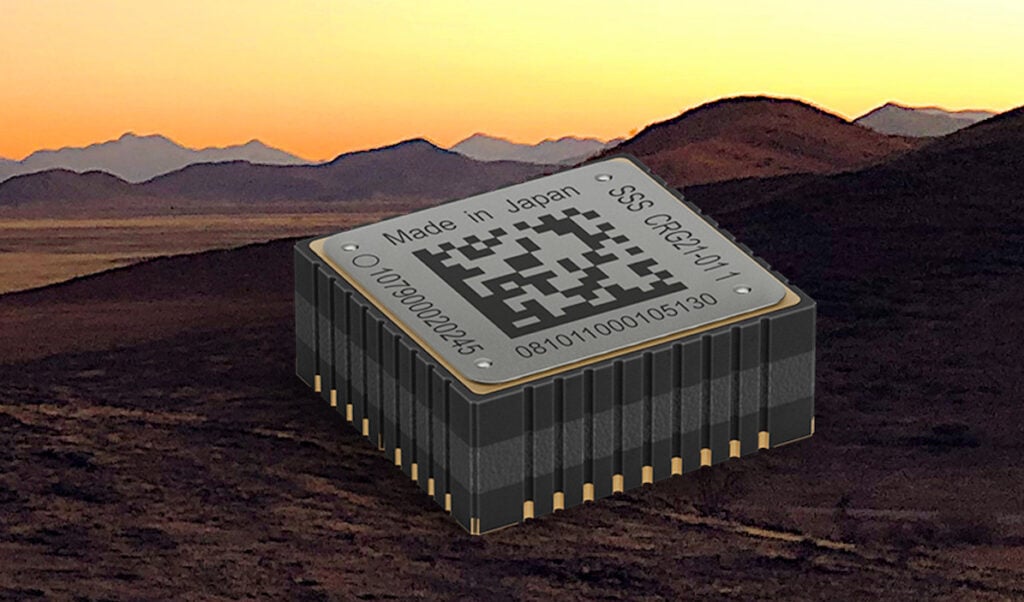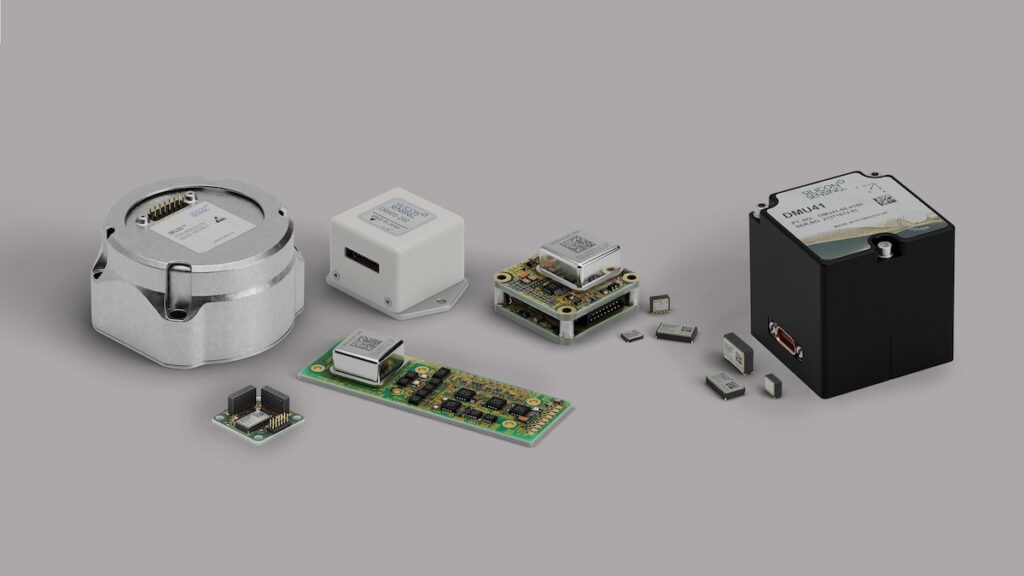

Silicon Sensing provides a broad range of accelerometers and gyroscopes that support both bespoke IMU development and complete off-the-shelf solutions. Using sensors from a single supplier can ensure matched performance characteristics, predictable integration, and streamlined logistics. Read more >>
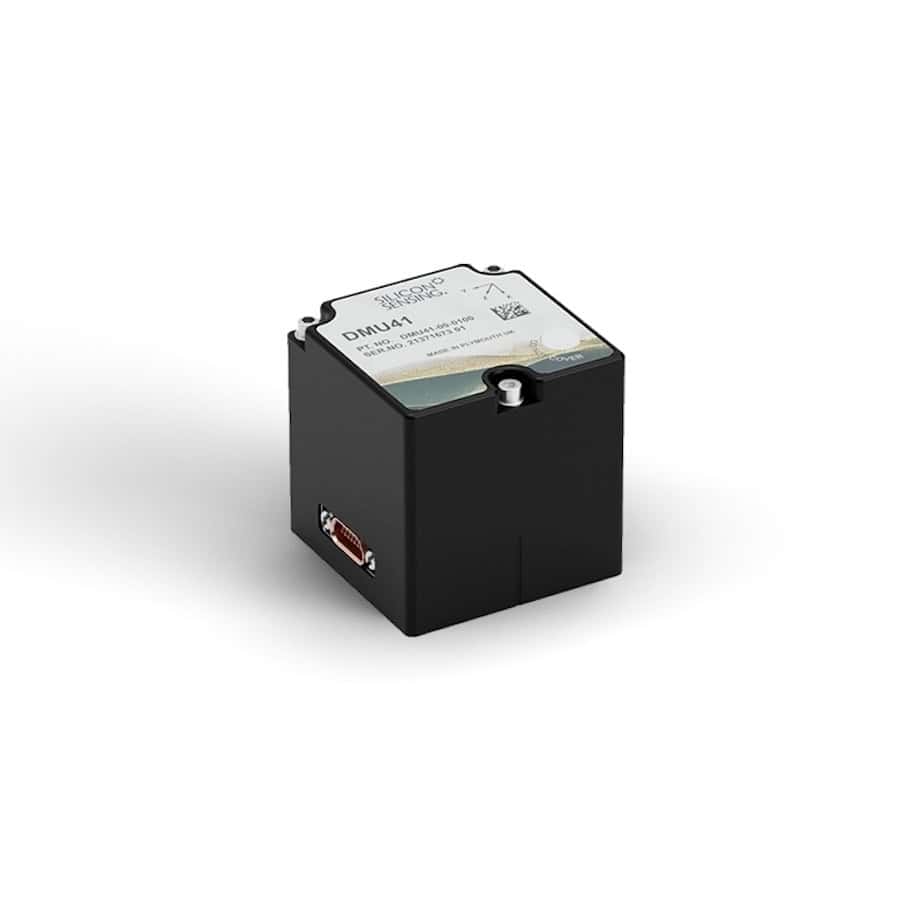
For teams opting to purchase a complete IMU, products such as the DMU41 offer a tightly integrated sensor suite that has been refined over years of development for low bias instability, stable scale factor, and robust temperature resilience. Each unit is fully calibrated and qualified in controlled environments prior to shipment, ensuring dependable performance and reducing the need for additional verification during integration.
IMUs are fundamental to systems requiring precise motion sensing, stabilisation, navigation, and pointing. They stabilise autonomous drones, enable navigation in GPS-denied underwater environments, compensate for aircraft motion during aerial surveys, and guide robotic arms in manufacturing. Because of their importance, engineers must decide whether to build an IMU in-house or purchase one.
The Temptation to Build
For many engineering teams, the idea of developing an IMU internally can seem attractive. Gyroscopes and accelerometers are widely available, development boards are affordable, open-source software is accessible, and PCB fabrication is quick. Combining individual sensors with a microcontroller may appear to offer cost savings compared to a commercial unit.
Building an IMU allows for custom performance by combining components from different suppliers. However, this flexibility requires integrating parts from multiple sources, which can slow development. Achieving low bias instability, high scale factor accuracy, and stable temperature performance is challenging and requires capital investment. Calibration demands advanced expertise in sensor fusion algorithms and precision tuning, along with access to high-end equipment such as precision turntables, thermal chambers, and vibration test systems. These must be installed in facilities that are properly isolated from building-induced vibration and environmental noise, often requiring decoupling from structural elements.
Without these measures, consistent calibration and qualification for thermal cycling, shock, vibration, and long-term drift is not achievable. For most commercial and defence programs, the time, budget, and specialist expertise required make this approach impractical, with suitability largely limited to research or academic settings.
Where building is the preferred path, suppliers such as Silicon Sensing can provide accelerometers and gyroscopes designed to work together, backed by expert technical support and proven design practices that help reduce integration risk.
The Option to Purchase
Purchasing a commercial IMU can be the more direct route to deployment. It removes the need for custom calibration routines, specialised test setups, and the management of multiple component suppliers, freeing engineering resources for system-level optimisation.
Units such as the DMU41 integrate sensors that have been optimised at the system level, delivering consistent performance across varied conditions. Each device undergoes thorough calibration and qualification in controlled environments, reducing the likelihood of further adjustments during system integration.
The main trade-off is reduced configurability. Manufacturer-defined interfaces, data rates, and environmental limits are generally fixed, so applications with unique operational needs must assess compatibility carefully. In cases where the unit meets performance, SWaP-C, and interface requirements, a proven off-the-shelf IMU can accelerate development while reducing technical and financial risks.
Conclusion
The decision to buy or build a MEMS IMU should be based on practical considerations. If an organisation’s mission is to improve inertial sensing technology or develop a system requiring complete design freedom, building may be the right choice. If the objective is to deliver a reliable, high-performance solution to market while controlling costs and minimising delays and risk, purchasing a proven unit is often the more effective route. In either case, working with a supplier that provides accelerometers, gyroscopes, and IMUs offers product cohesion, expert guidance, and reduced risk across the development process.