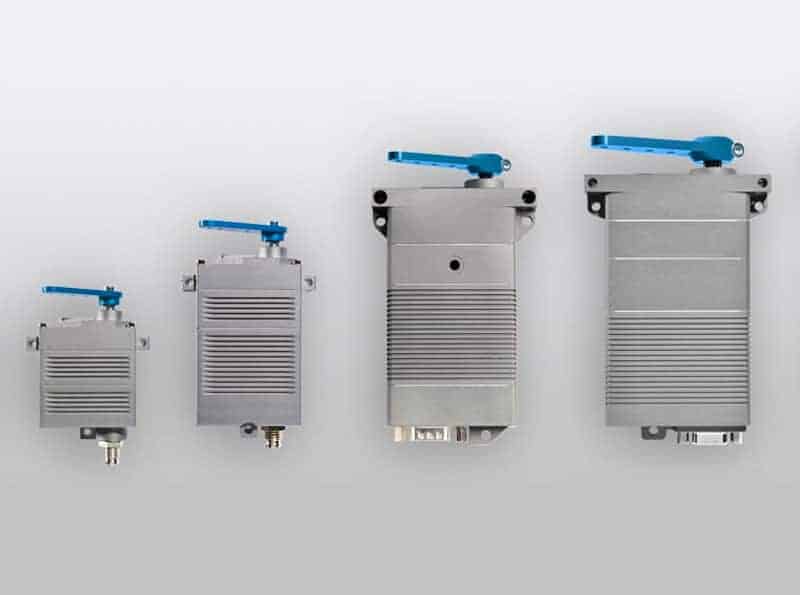
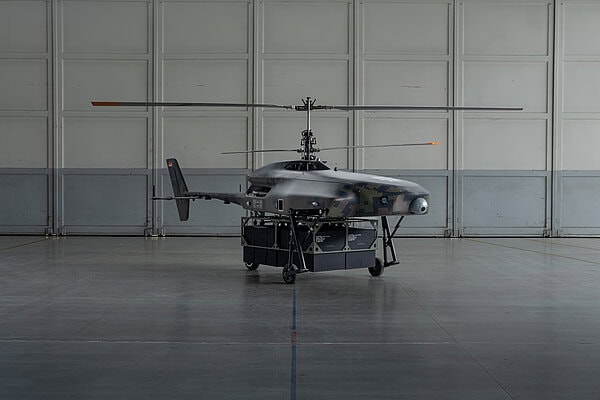
Volz Servos is partnering with German UAV specialist Avilus to supply high-precision rotor control systems for the development of the new unmanned helicopter, Wespe.
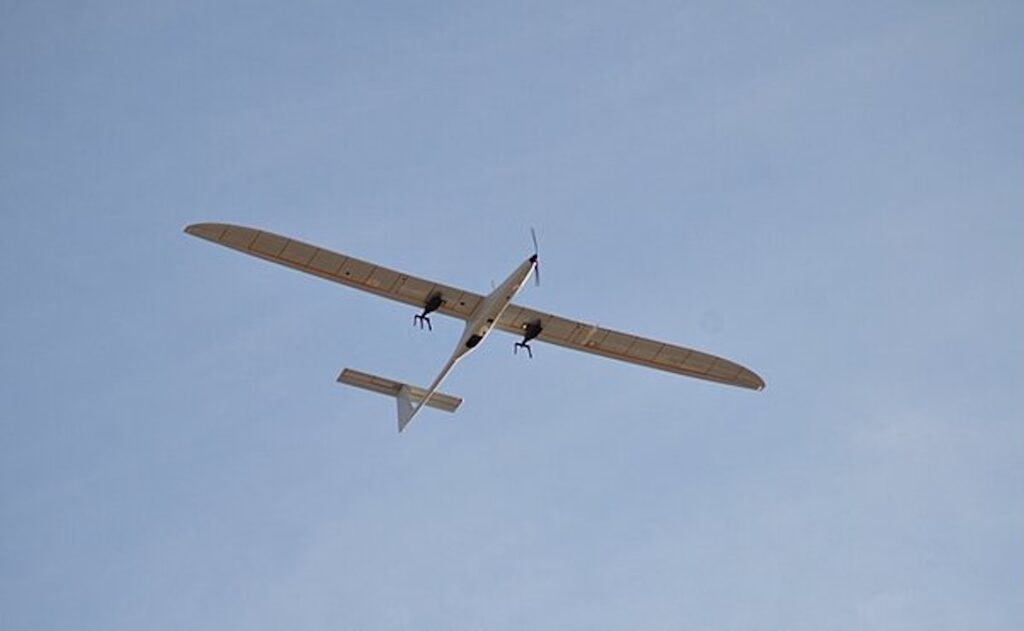
Designed for demanding scenarios including land-based, offshore, and naval logistics, the Wespe (Wasp) platform is engineered to deliver exceptional agility, rapid directional changes, and strong endurance. The aircraft operates with fully automated flight capabilities, requiring no direct piloting input and relying solely on mission supervision. With an operational range of up to 300km, the helicopter requires steering components capable of rapid response and reliable operation under all conditions.
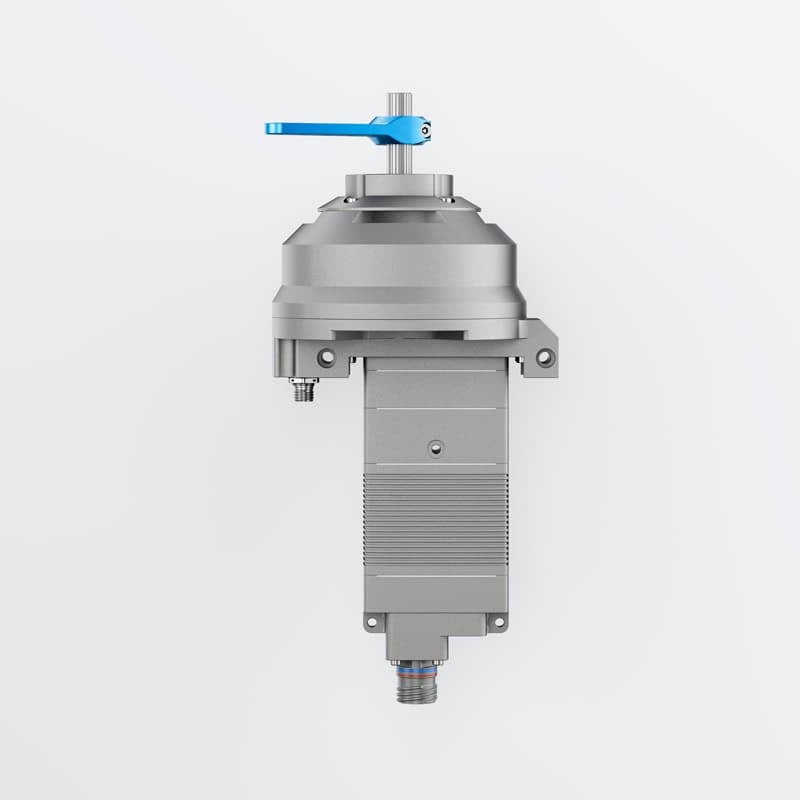
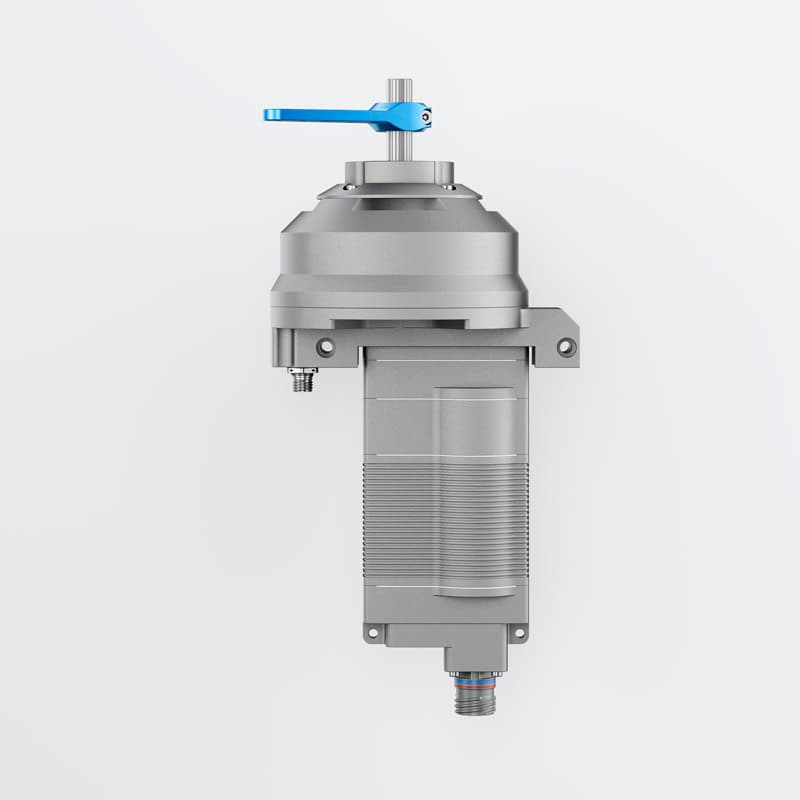
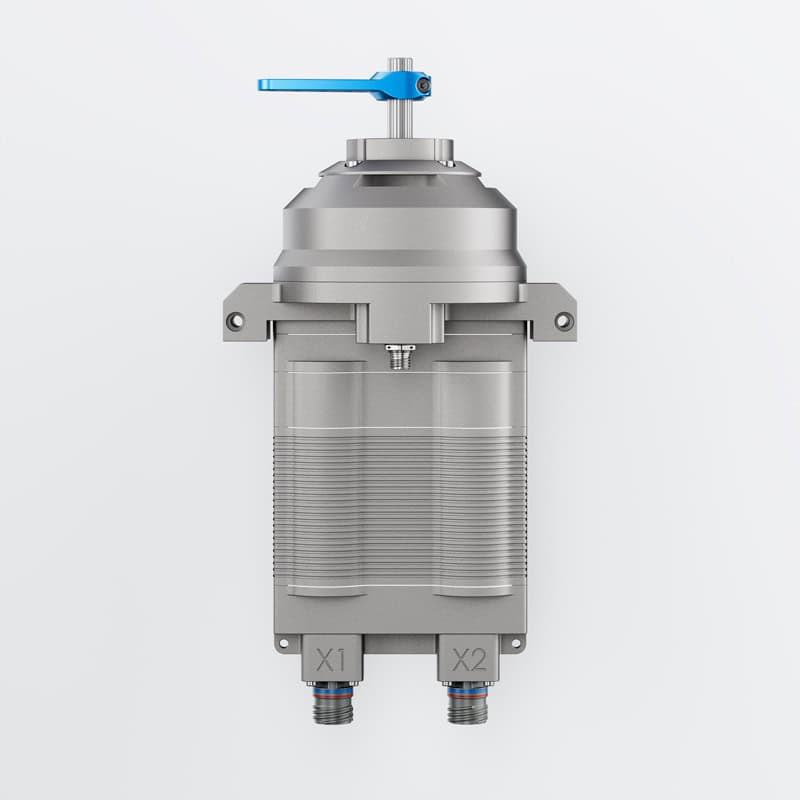
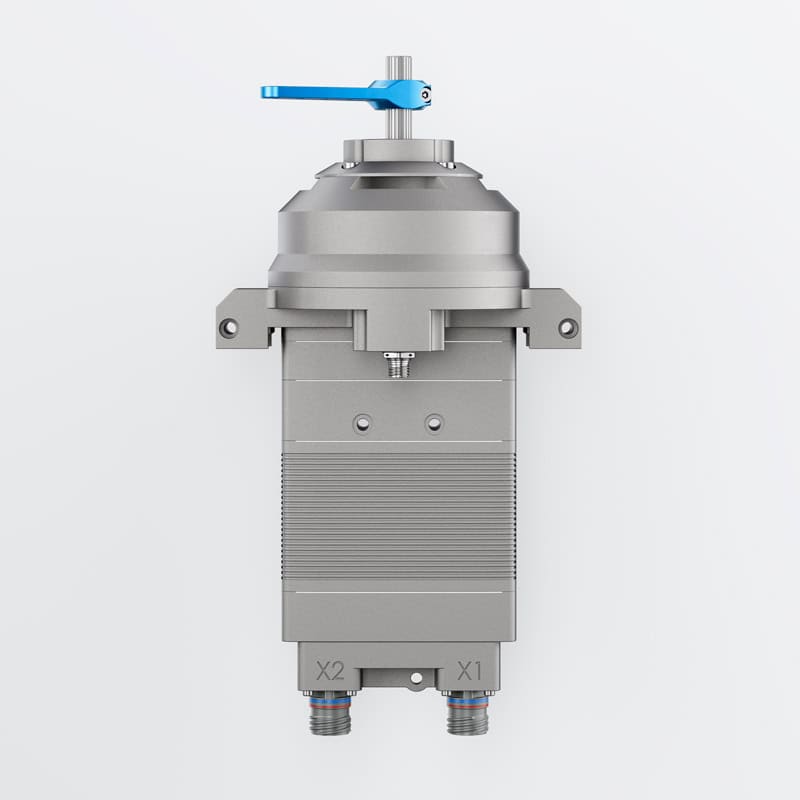
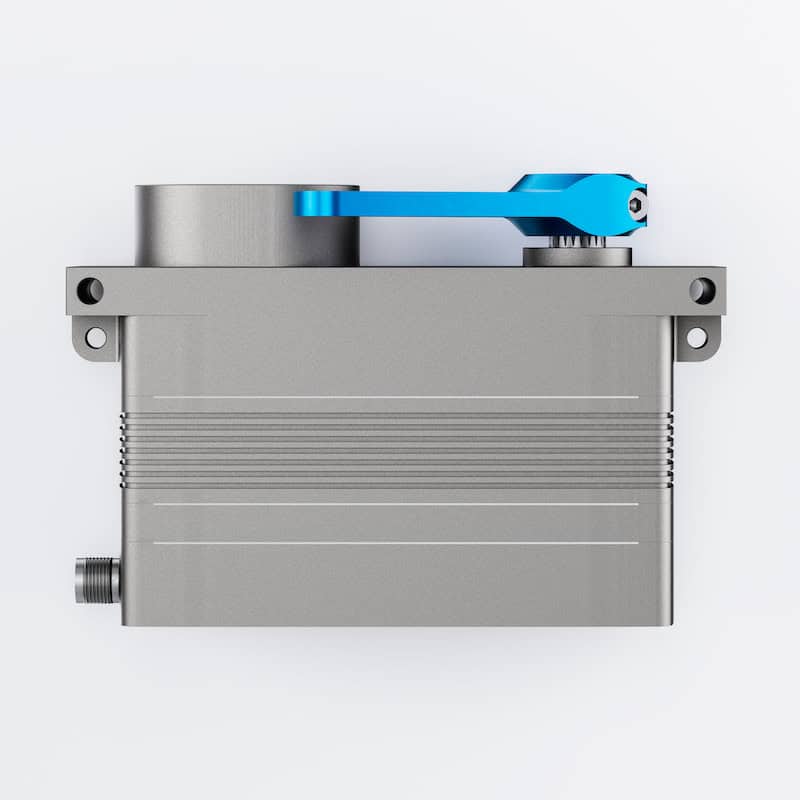
To meet the safety requirements of these mission-critical applications, the Wespe integrates Volz’s powerful duplex actuators. These actuators are developed specifically for flight-critical use cases where maximum reliability is paramount. The system utilizes a redundant two-channel design, where all major components, including electric motors, control and communication electronics, and power supply, are duplicated. This architecture ensures continuous operation even if one channel fails. Additionally, the position sensor features a three-channel architecture using 2-out-of-3 voting logic.
Beyond mechanical redundancy, several integrated sensors provide detailed diagnostic data, such as current consumption, supply voltage levels, and temperature readings. This system transparency is essential for enabling the UAV’s automated operations.
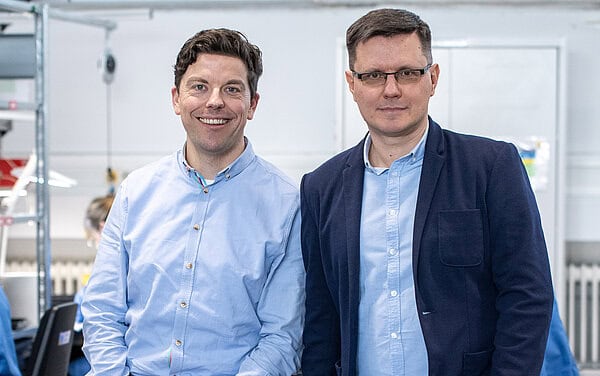
Daniel Dollinger, Head of Design at Avilus, said, “We use the most powerful duplex actuators from Volz Servos to equip our systems safely and reliably.”
Dollinger stated, “We are committed to the Made in Germany seal of quality. In Volz, we have found a trusted partner who speaks our language and understands our goals. We aim to further expand our cooperation with a view to additional platforms.”
CEO Phillipp Volz added, “Volz and Avilus both produce ‘Made in Germany’, so this reflects the market trend towards secure, Western supply chains. Our cooperation is characterized by open technical feedback and direct communication between the technical management teams of both companies.”