


In this exclusive Q&A, Defense Advancement speaks with Tom Driscoll, Co-Founder and CTO of Echodyne, about the company’s strategic objectives for DSEI 2025 and its role in the evolving counter-UAS and defense technology landscape.
Tom Driscoll discusses the importance of partnerships, highlights key radar solutions including EchoShield, EchoGuard, and EchoFlight, and explains how Echodyne’s approach delivers precision tracking and cost-effective performance.
He also shares insights into radar integration for BVLOS operations, real-world detection capabilities, and how Echodyne is driving innovation through frequent software updates and next-generation product development to meet the demands of modern defense missions.
What are Echodyne’s main strategic objectives for participating in DSEI 2025, particularly within the rapidly evolving counter-UAS and defense-tech sectors?
Over the past several years, our business has grown significantly, and we now work with a large and expanding ecosystem of customers, partners, and integrators. As an OEM radar sensor provider, our role is to deliver high-performance radar technology rather than turnkey end-user solutions. In nearly every case, we work through integrators and partners, and DSEI provides an ideal venue to meet with them in person.
The event allows us to connect with a large number of partners in one place, discuss their growth plans, share our product roadmap and upcoming software releases, and explore how we can better support their missions. Our participation is as much about strengthening relationships with existing customers as it is about finding new ones. Today, we are already working with most of the major players in the Counter-UAS space.
Can you share which of your radar solutions, EchoFlight, EchoShield, EchoGuard, or others, you are highlighting at DSEI 2025, and what makes them particularly relevant to this exhibition?
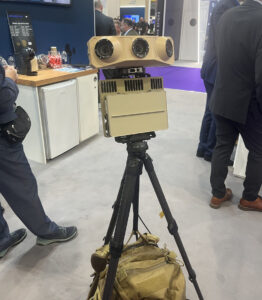
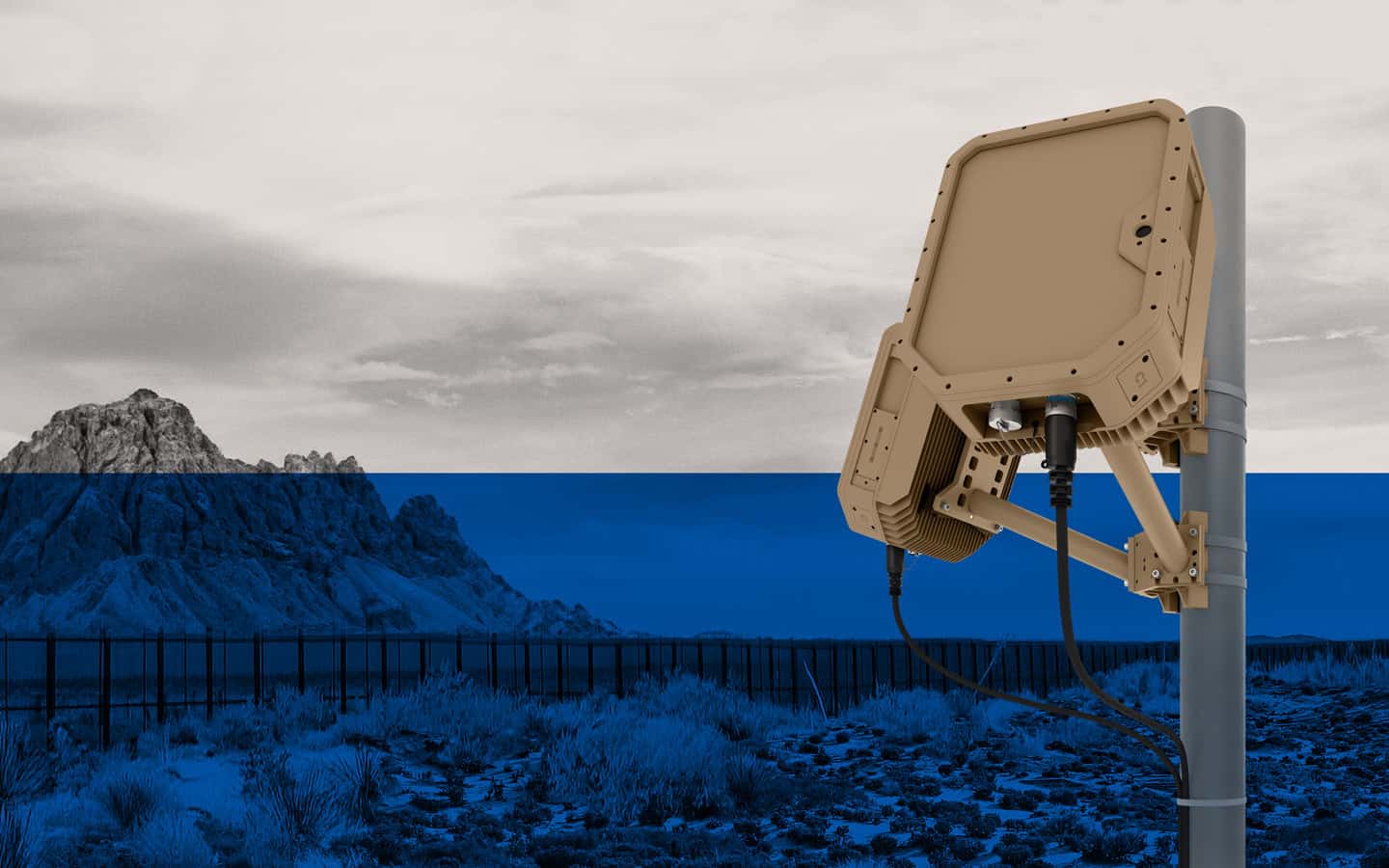
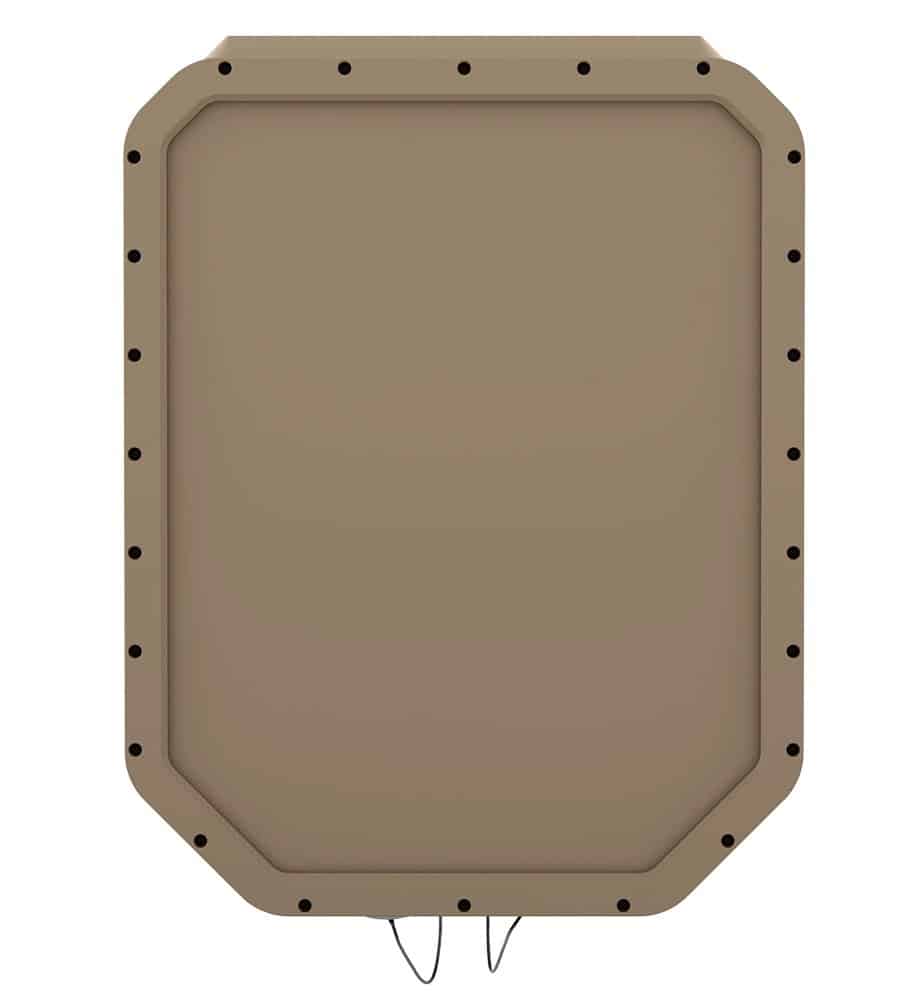
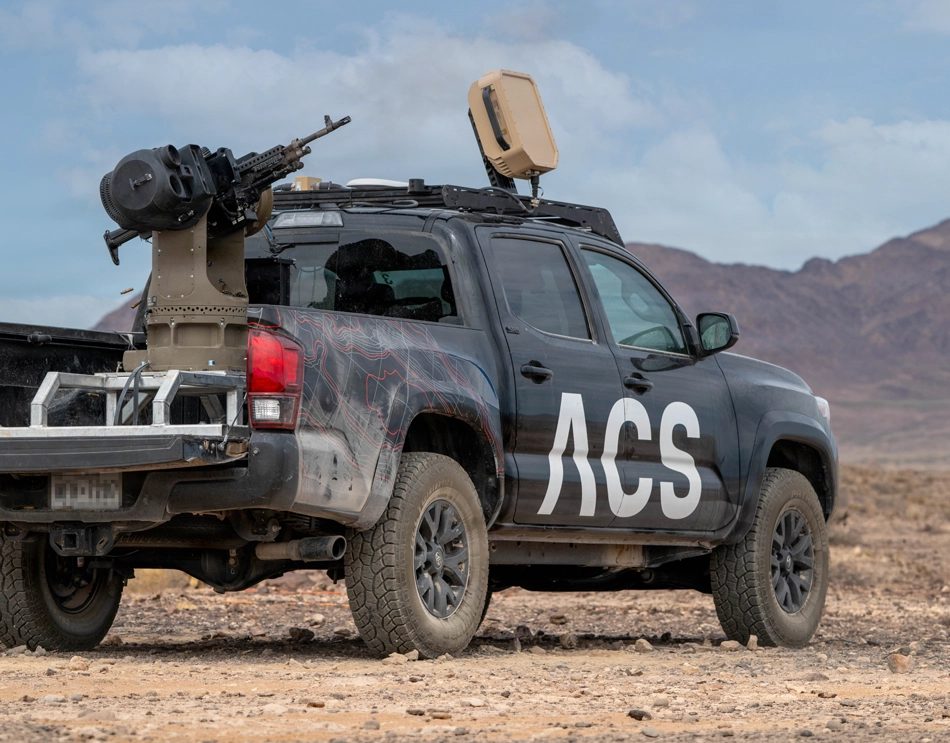
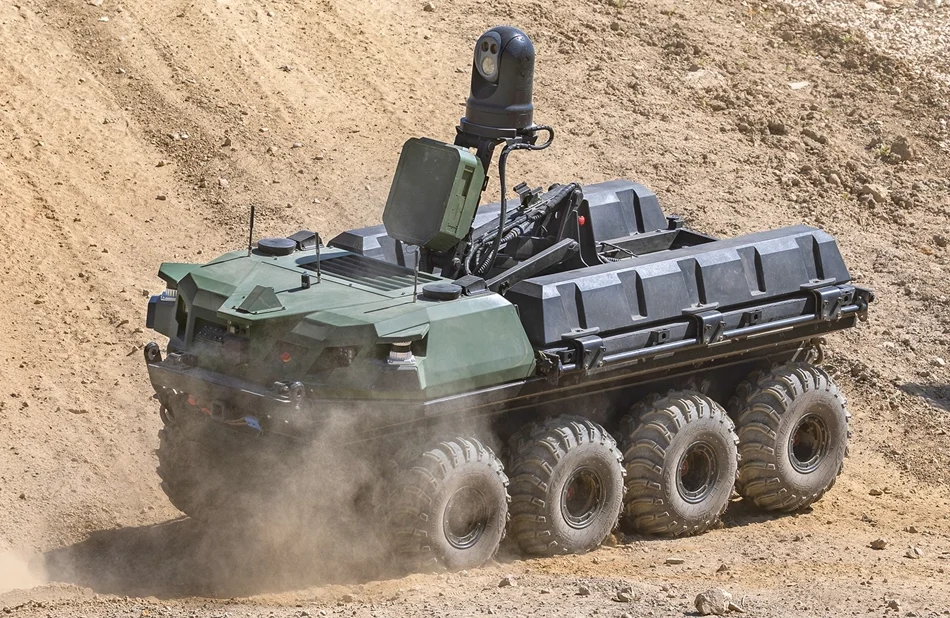
If I ranked them by relevance to DSEI attendees, EchoShield would come first. Its longer range is particularly suited to military requirements. EchoGuard is next, ideal for shorter-range tactical deployments and man-portable systems. EchoFlight is also widely used by partners as a sensor to support C-UAS missions, often mounted on interceptor drones that engage airborne threats.
The common value proposition across all three radars is cost-effective performance. Traditional high-end radar systems from major defense primes like Raytheon or Northrop can cost millions of dollars. This model doesn’t align with today’s threat environment, where adversaries are using low-cost, proliferated UAVs, sometimes just $100 drones. Defending against these threats requires high-performance radar that can detect, track, classify, and support defeat mechanisms, but at a fraction of the cost of legacy systems. EchoShield, EchoGuard, and EchoFlight all deliver on that need thanks to our breakthrough approach to radar design and manufacturing.
How exactly does EchoFlight integrate with autopilot systems and other sensors to enable safe BVLOS or autonomous operations?
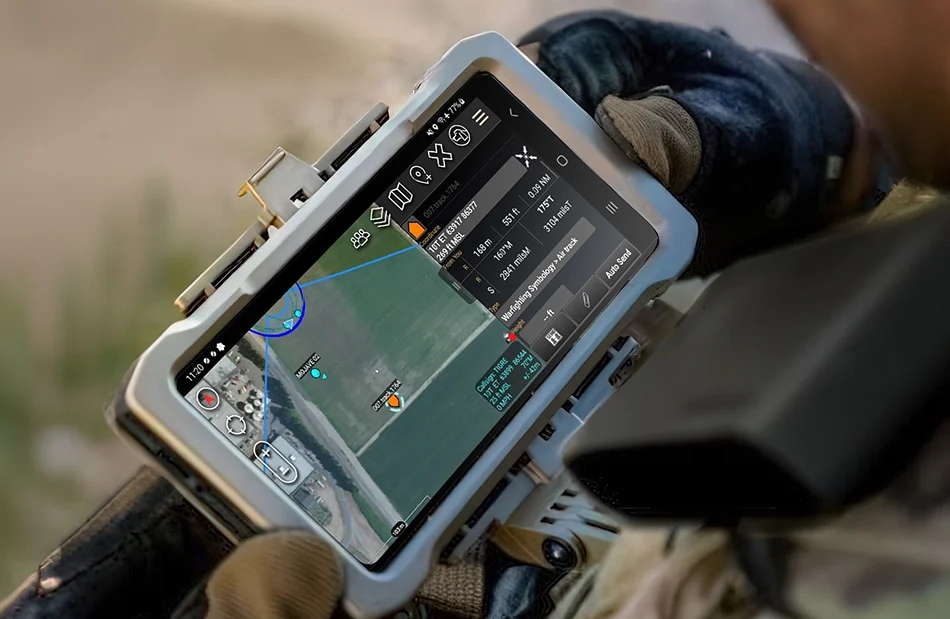
Our radars output data through Echodyne’s API, which allows integrators to receive data and send commands back to the radar. We’ve defined the necessary protocols and can also translate data to and from widely used industry standards.
In some cases, radar data is transmitted using Asterix format, while many defense applications rely on specific command-and-control protocols. For example, the U.S. uses FAS, while Europe commonly uses the SAPIENT standard. Whether through our native API or a standard protocol, the integrator uses this data to perform calculations, determine safe standoff distances, and feed information into autopilot systems to enable safe BVLOS operations.
Could you explain the radar’s tracking performance and practical detection ranges for drones or small aircraft platforms, and how these capabilities translate to military ISR missions?
Defense organizations typically classify our systems as medium-range radars, capable of acquiring targets such as Group 3 drones, larger fixed-wing UAVs frequently in the news, at ranges of up to 10km. Smaller drones, such as DJI Mavics or FPV platforms, can be detected at roughly one-half to one-third of that distance, as detection range is dictated by target size and physics.
Detection range defines the “weight class” a radar operates in, but what really matters is performance within that range. Many lower-cost radars used in counter-UAS applications have poor accuracy, making it hard to determine whether a detected object is in the air or on the ground. This lack of fidelity creates a dead end for decision-making systems because it’s impossible to confidently point cameras, classify threats, or direct effectors.
Our radars prioritize precision tracking and classification. Accuracy forms the foundation, enabling the radar to determine whether a target is a drone, a bird, a vehicle, or even a spinning rooftop object that could create a false return. Once accuracy and classification are established, we can layer advanced software capabilities on top, adding significant value for users and mission systems.
What are Echodyne’s next priorities in advancing radar innovation and expanding its role in global defense markets?
One of our main priorities is software evolution. While “software-defined” has been a buzzword for years, few defense companies have truly adopted a model that mirrors the pace of innovation in the commercial world, where devices regularly receive updates that improve functionality, enhance security, and introduce new features.
Echodyne has been advocating for this approach for a decade, and we now release software updates two to six times a year across our product line. These updates consistently improve performance and add capabilities, some based on customer requests and others on our own roadmap.
Looking forward, we will continue this cadence of rapid software evolution while also developing next-generation radar products. However, we do not publicly discuss those future products until they are ready for release.