Echodyne, a developer of Electronically Scanned Array (ESA) radars, directly participated in the fourth iteration of the Red Sands Integrated Experimentation Center exercise in Saudi Arabia from September 7-18, 2025.
The exercise, led by U.S. Army Central (ARCENT) and the Saudi Arabian Armed Forces, served as a forum to test and field counter-Unmanned Aerial Systems (C-UAS) systems, implement best practices, and increase interoperability between various systems.
The radar systems by Echodyne were directly integrated through a Base Defense Operations Center (BDOC), which was utilized for only the second time at Red Sands to test and develop joint and combined tactics, techniques, and procedures for identifying and destroying threat UAS.
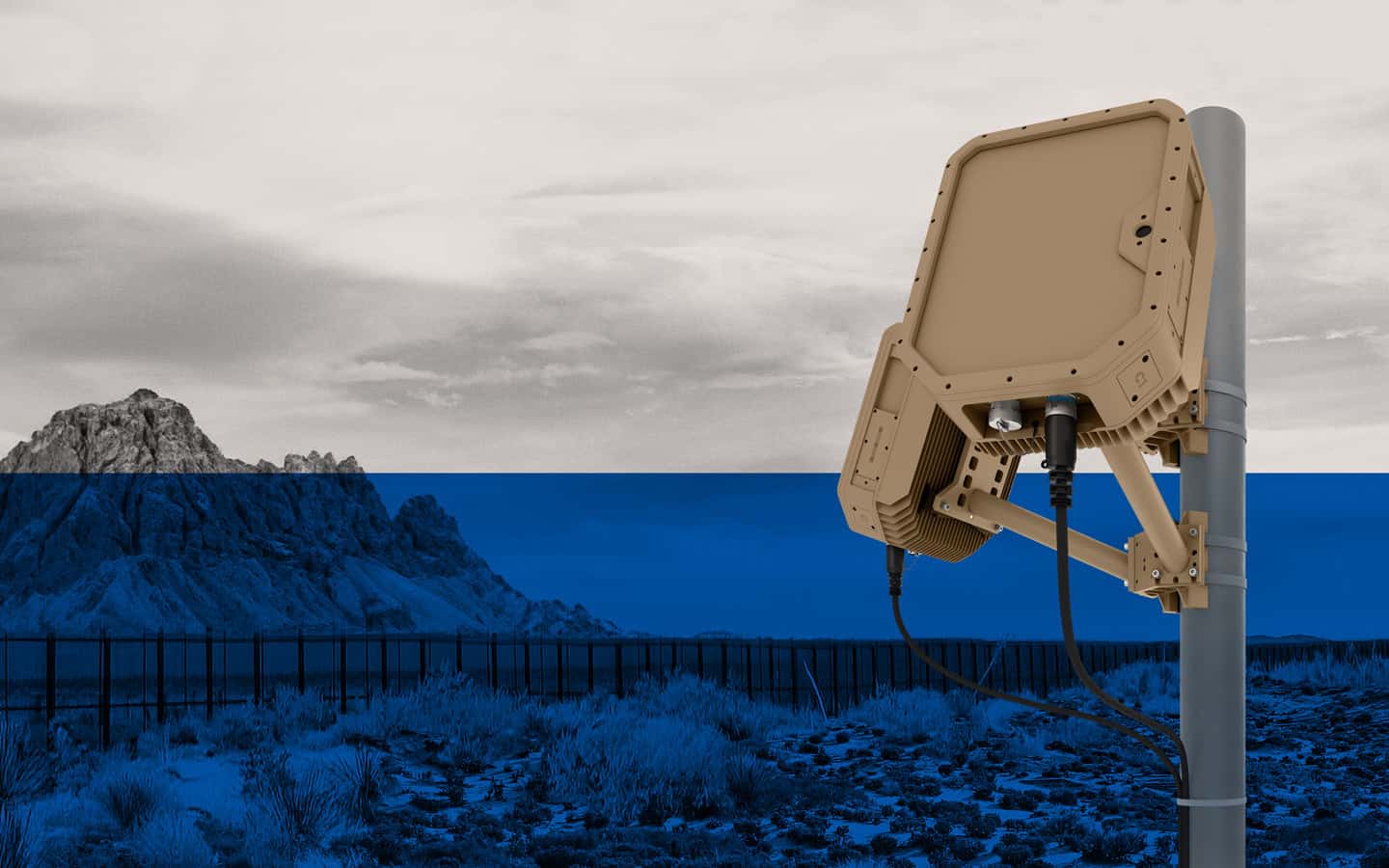
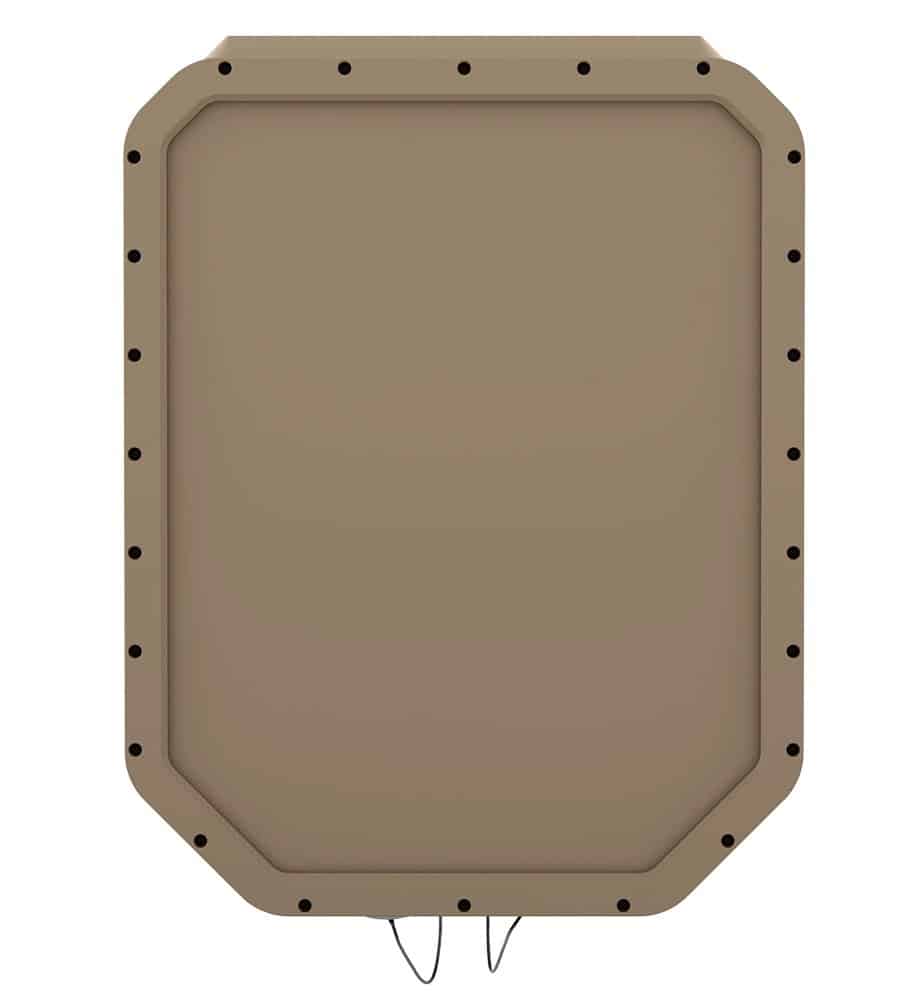
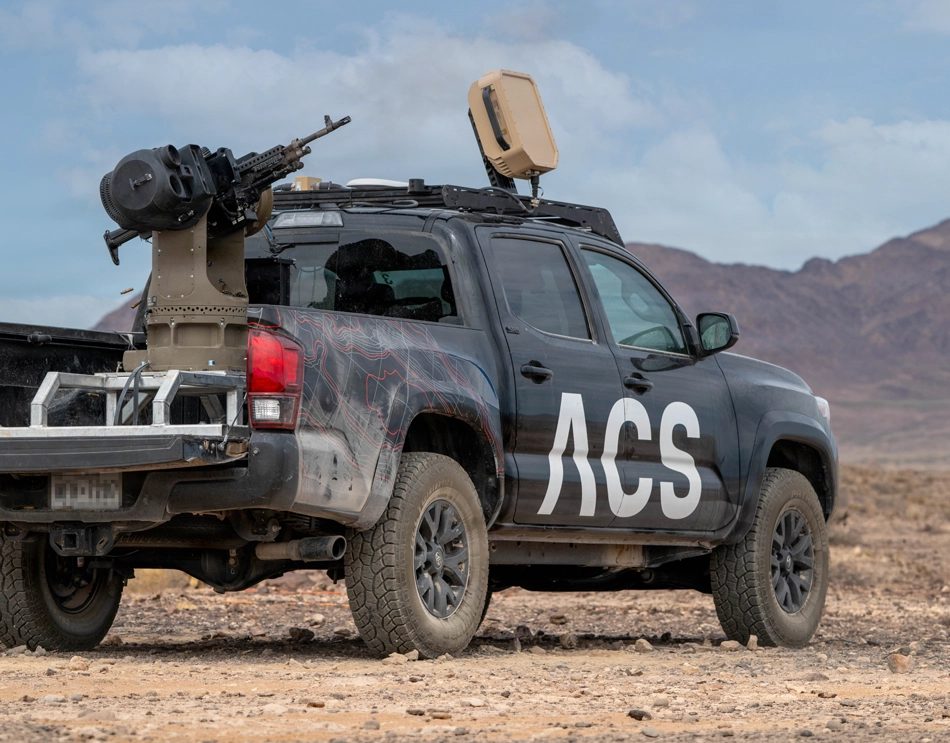
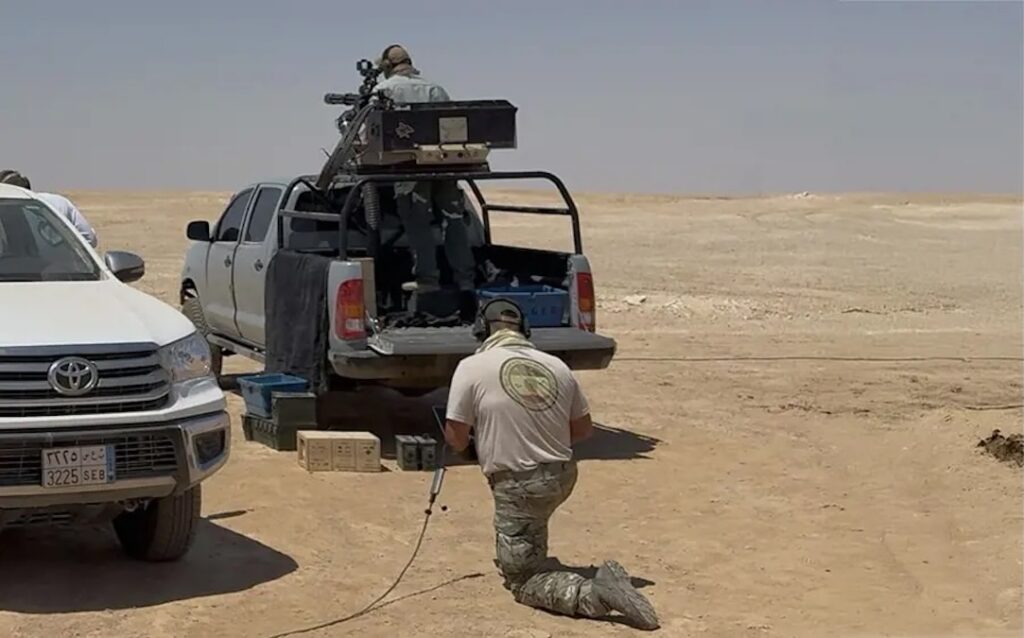
Echodyne’s long-range, low SWAP, COTS radar, EchoShield, detected hundreds of Group 2 and 3 aerial threats, as well as smaller Group 1 threats, throughout the exercise. When aerial threats began moving toward the weapons system, the Echodyne team called out the precise location, range, speed, altitude, and additional data every 100 meters to rapidly cue the gunners.
This detailed tracking information enabled Dillon Aero’s M134D weapon team to defeat the incoming drone threats. The tracking continuity provided by Echodyne allowed the Dillon Aero team to defeat 100% of a UAS swarm consisting of nine Class 1 drones.
Brian Fuller, VP of Business Development at Dillon Aero, commented on the system’s performance, stating, “EchoShield’s radar data allowed our team to rapidly understand where the threats were coming from and get our bearings quickly, so we only needed to focus on pointing at and defeating drones. This is the level of radar data precision needed to execute a high hit rate and protect our warfighters. I look forward to our future collaboration with Echodyne on our .50 Cal Gatling Gun C-UAS Solution.”
Red Sands 2025 aimed to develop shared tactics and strengthen regional relationships to combat the shared security challenges and threats posed by UAS. It was also noted as the Middle East’s largest live-fire C-UAS exercise focused on improving the detection, tracking, and elimination of modern drone threats under real-world conditions.
Increasing interoperability was also a primary focus of Red Sands 2025, as countering the UAS threat depends on integrating weapon systems, sensor data, and Command and Control (C2) systems into a layered and tiered air and missile defense system.
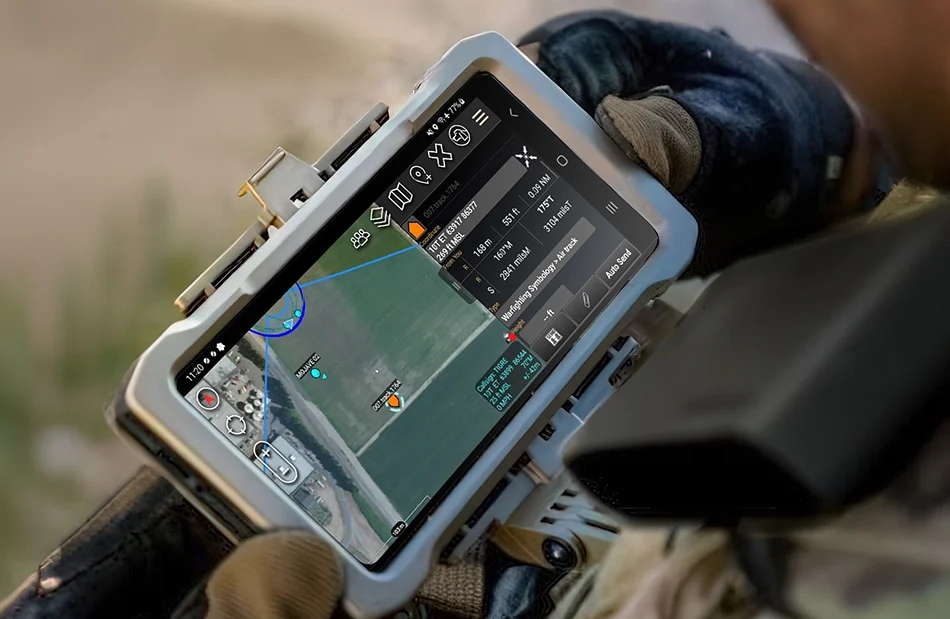
Echodyne’s software-defined radars maintain an open architecture design and easily integrate with other sensors and C2 systems. In addition to providing verbal callouts to the manned weapon team, EchoShield’s data was pushed to the Forward Area Air Defense (FAAD) system and integrated with the MARSS NiDAR system to slew and clue the optics.
The radar systems leverage Echodyne’s patented metamaterials electronically scanned array (MESA®) design, which enabled rapid agility and adjustment to support evolving mission sets during the exercise.
This flexibility enabled the BDOC to continue testing concepts and improve interoperability, providing more decision-space for senior leaders and maintaining ready and responsive forces to address unpredictable adversaries.
Jeff Phillips, VP DOD/IC at Echodyne, stated, “Echodyne is proud to directly support the BDOC at Red Sands 2025 this year and help build an effective defense against emerging UAS threats across the region. Countering emerging threats from UAS requires an innovative and cooperative solution and Echodyne is committed to delivering reliable precision radar data and remaining agile to adjust to the warfighter’s needs.”