
Showcase your capabilities
If you design, build or supply Video Encoding, create a profile to showcase your capabilities and connect with visitors who have an active requirement for your solutions.




Video encoders built for military use are engineered to capture, compress, and transmit high-quality footage across bandwidth-limited channels. Deployed across platforms such as UAVs, armored vehicles, and naval vessels, these systems are central to modern ISR (intelligence, surveillance, and reconnaissance) operations. They enable secure, low-latency streaming and archiving of mission-critical video in harsh and demanding environments. Designed to meet rigorous MIL-STD compliance, military video encoders offer a balance of performance, resilience, and integration flexibility.
Read the Technology Overview
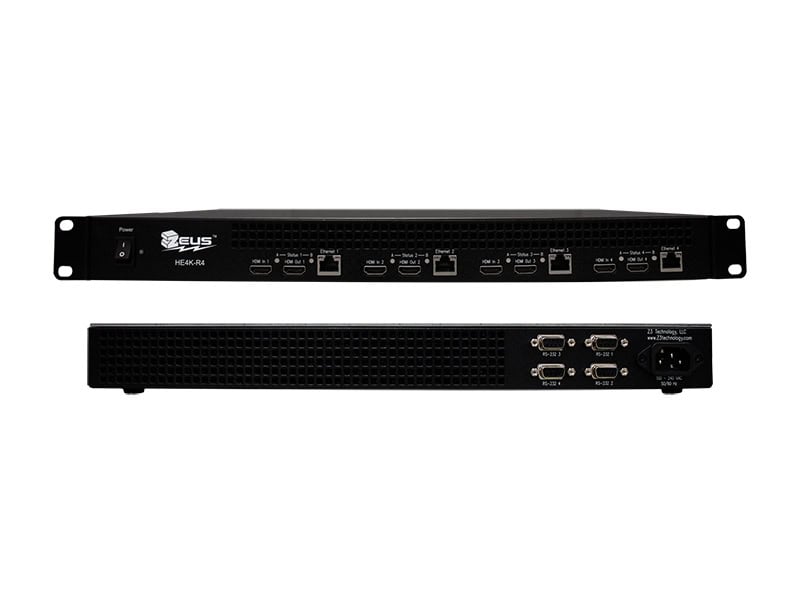
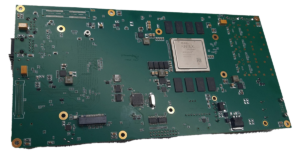
Rugged Image Processing & Mission-Critical Electronics for Defense Systems

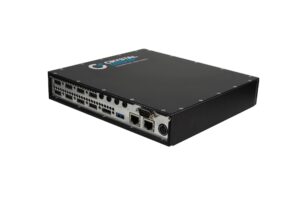
Ruggedized Edge Computing & Networking for Mission-Critical Defense Applications


Mission-Critical Antenna, Tracking, & Video Solutions for Defense, Law Enforcement & Security Applications

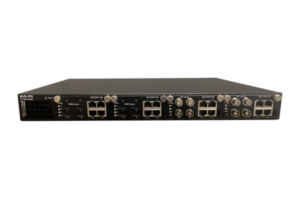
NDAA & TAA Compliant Video Encoding & IP Camera Solutions for Mission-Critical Applications

High-Performance Video Graphics, GPGPU, AI/ML Processing & Display Solutions for Mission Critical Environments

If you design, build or supply Video Encoding, create a profile to showcase your capabilities and connect with visitors who have an active requirement for your solutions.

As real-time visual intelligence becomes vital in defense operations, rugged video encoders have evolved to support high-resolution formats, embedded metadata, adaptive bitrate streaming, and encryption protocols.
Their ability to encode and transmit mission-critical video with minimal delay ensures commanders and operators can act precisely and confidently, even in the most hostile environments.
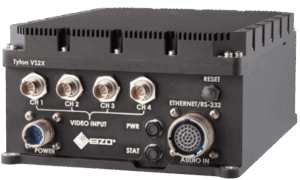
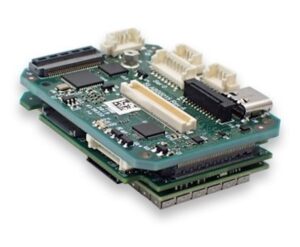
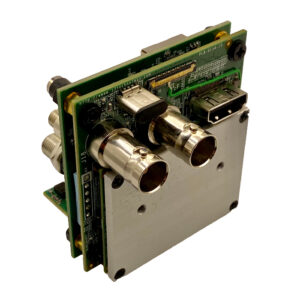
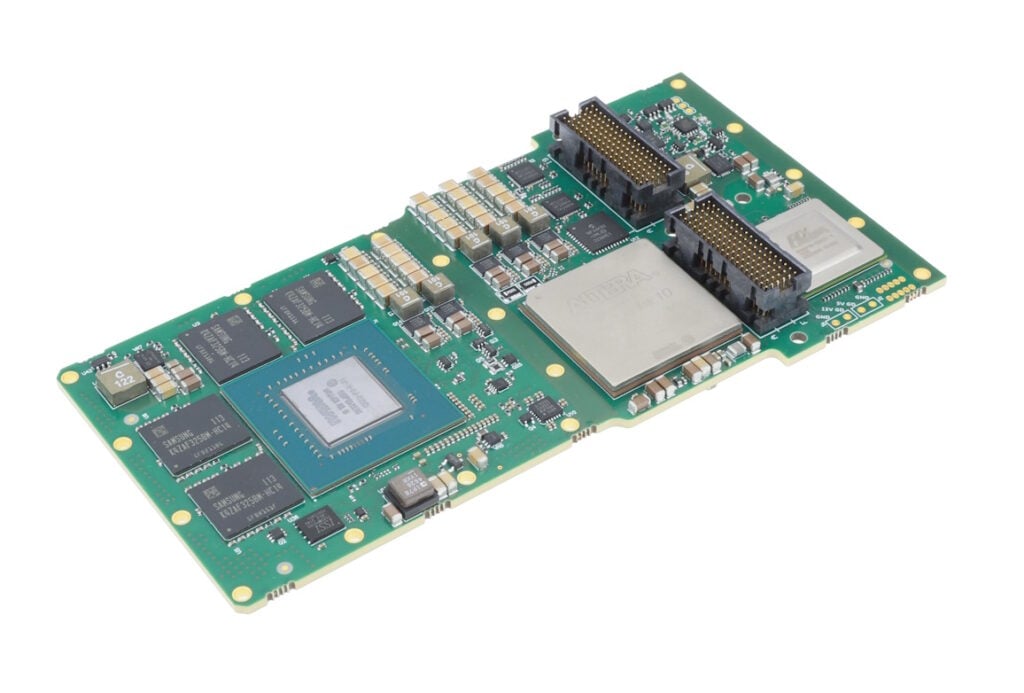
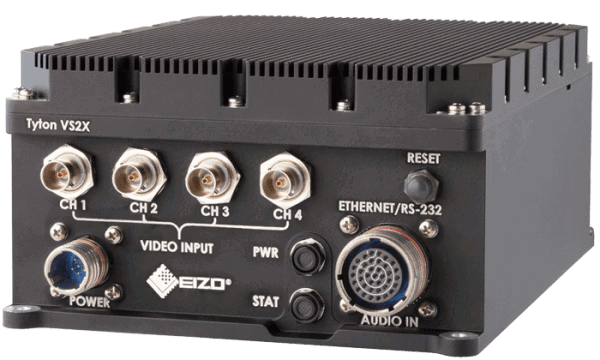
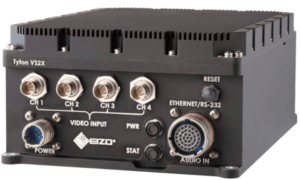
Video encoder for military applications from EIZO Rugged Solutions.
Video encoders compress raw video into digital formats suitable for transmission or storage, enabling the handling of high-resolution imagery without overwhelming available bandwidth. In military applications, these encoders must balance quality, latency, and resilience while operating under stringent environmental and security conditions.
Unlike consumer-grade models, military video encoders are typically engineered to MIL-STD-810 for environmental durability and MIL-STD-461 for electromagnetic compatibility. These encoders are built to withstand shock, vibration, extreme temperatures, dust, and moisture, making them suitable for airborne, ground, and maritime deployments. Many also feature IP67-rated enclosures for resistance to water and particulate ingress.
Modern defense platforms often rely on multiple imaging sources such as electro-optical (EO) and infrared (IR) cameras. These cameras produce high volumes of data, which must be compressed by the encoder without degrading the visual information critical for ISR, targeting, or navigation.
Military-grade video encoders can handle a range of video formats including HDMI, SDI (Serial Digital Interface), and CVBS (Composite Video Baseband Signal). They encode this input into standards such as H.264 (Advanced Video Coding) and H.265 (High-Efficiency Video Coding), allowing for full HD, 4K, and even 8K video streaming. H.265 offers improved compression ratios over H.264, making it ideal for bandwidth-constrained operations.
A defining feature of military video encoders is their ability to maintain extremely low latency—often under 100 milliseconds. This is essential for real-time situational awareness and remote control of unmanned platforms.
Many systems support adaptive bitrate streaming (ABR), which dynamically adjusts the video quality based on network conditions. This ensures that missions are not compromised by fluctuating signal strength or connection quality. Encoders can stream via protocols like RTSP, RTP, UDP, and MPEG-TS, providing flexibility across various communications infrastructures.
In ISR operations, raw video alone is often insufficient. Encoders embedding KLV (Key-Length-Value) metadata can add critical information such as GPS coordinates, timestamps, sensor readings, and telemetry. This metadata enhances situational awareness and post-mission analysis, allowing for precise mapping, target tracking, and event reconstruction.
KLV support is essential for compatibility with military video recorders and exploitation systems, ensuring interoperability and compliance with NATO STANAG standards.
Security is paramount in defense communications. Many rugged encoders offer AES-128 or AES-256 encryption to safeguard data in transit. This level of protection is vital for missions involving sensitive or classified operations, preventing unauthorized interception of video streams.
In addition to encryption, some systems support secure streaming formats and access controls to limit usage to authorized endpoints. This is especially critical in multi-domain operations where various units and platforms share data across joint networks.
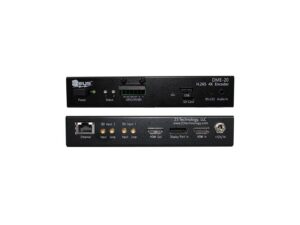
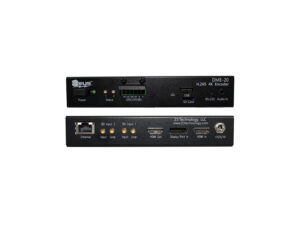
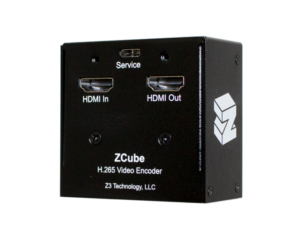
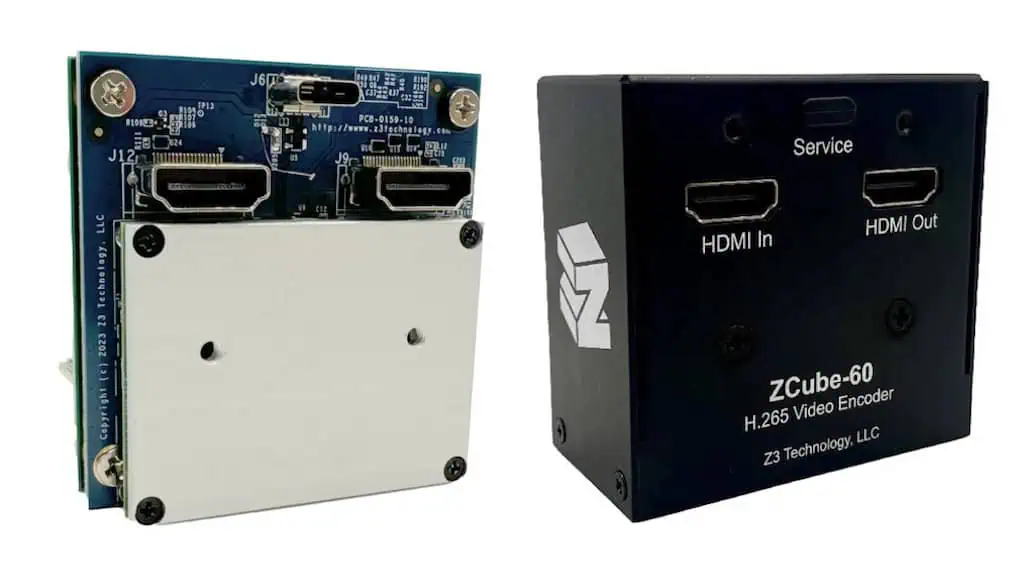
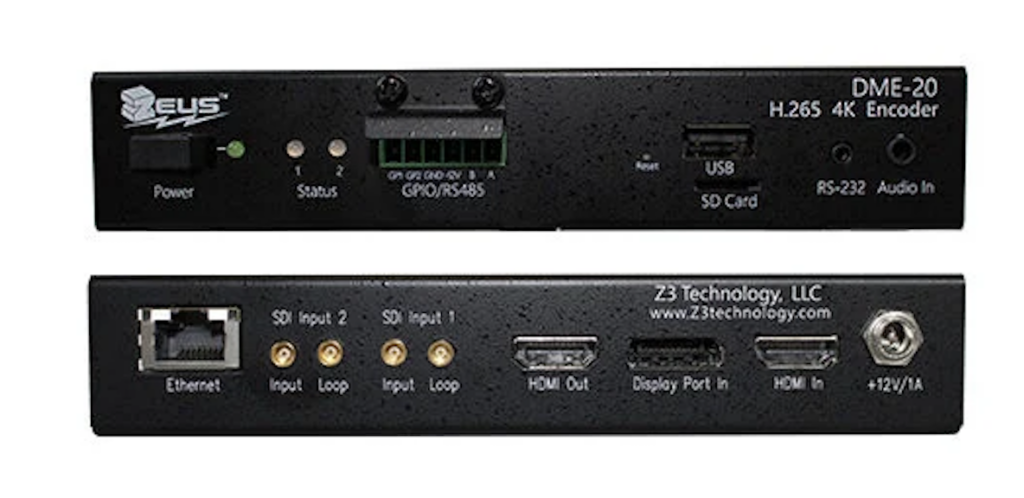
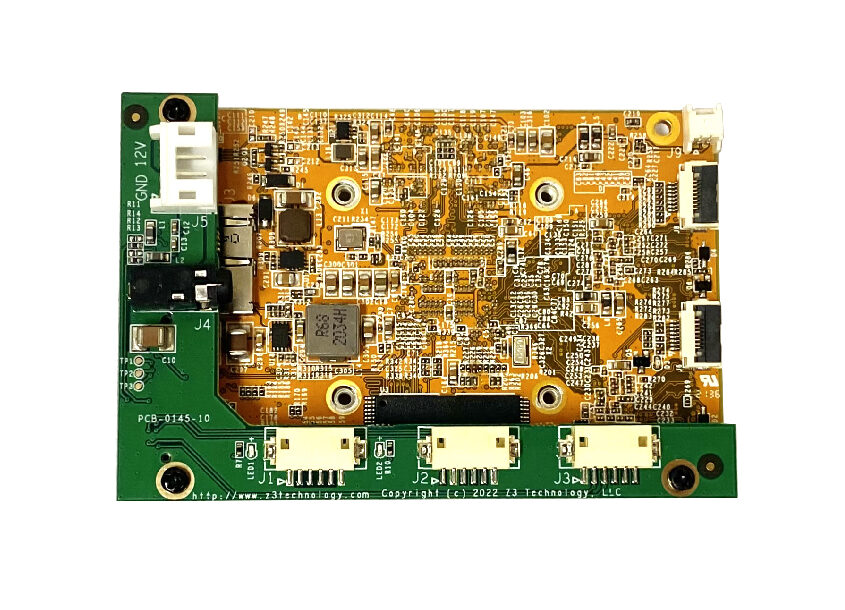
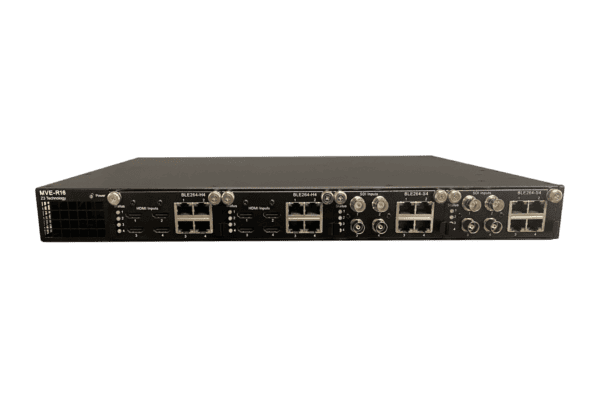
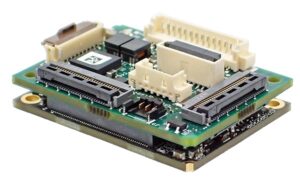
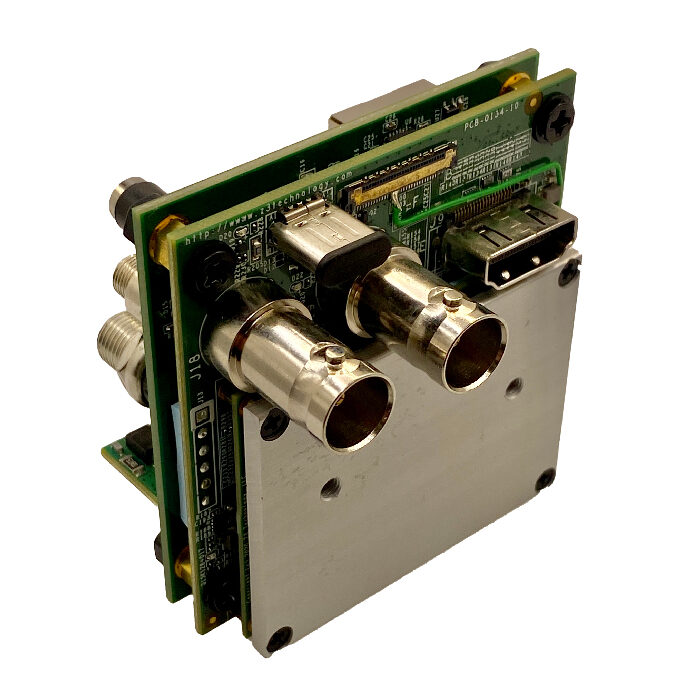
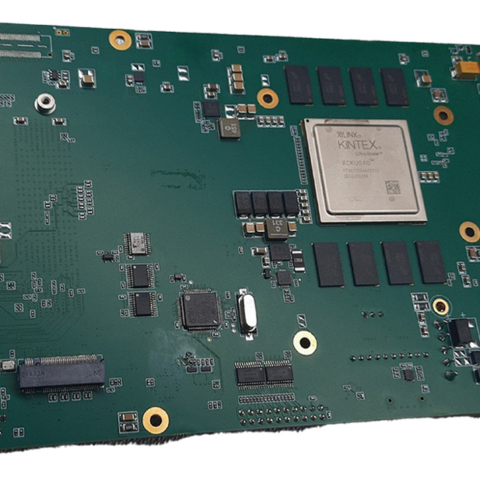
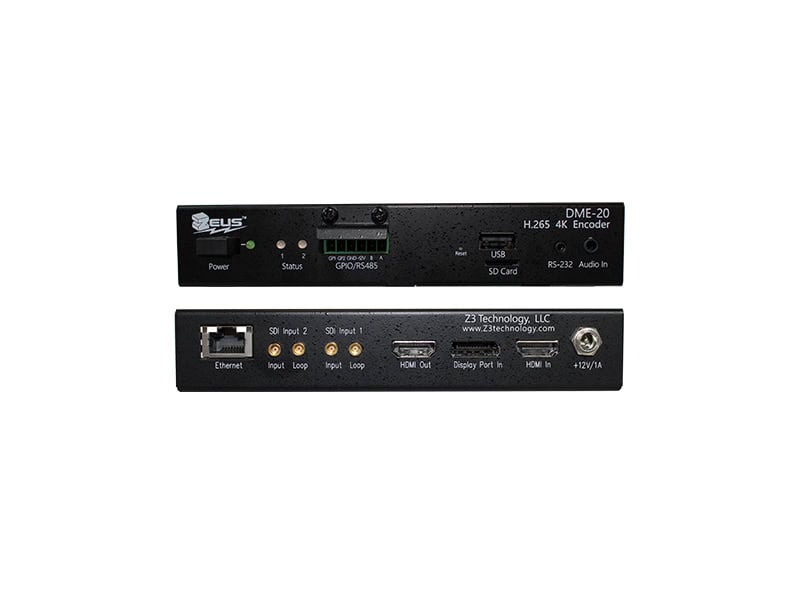
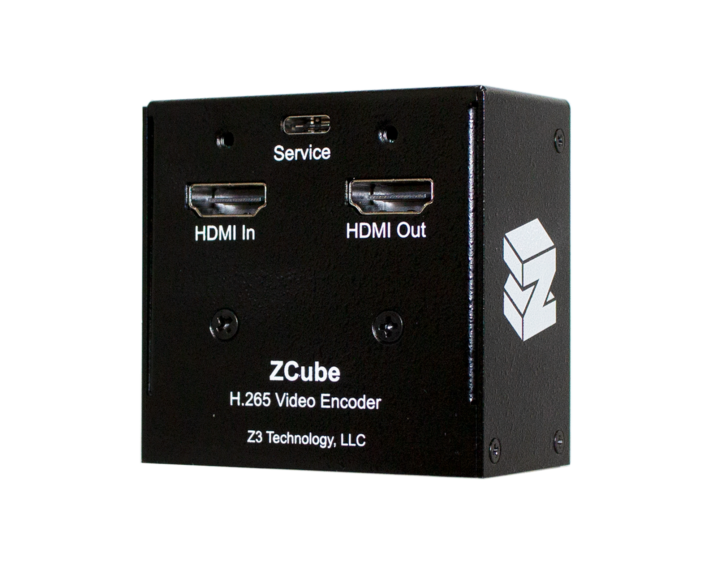
Military spec rugged video encoder from Z3 Technology.
Durability is a fundamental requirement for military encoders. Compliance with MIL-STD-810 ensures that the devices are tested against environmental conditions including temperature shock, humidity, sand and dust exposure, and mechanical shock. MIL-STD-461 certifies that the encoders can operate without interfering with or being affected by other electronic systems—a key concern on densely equipped military vehicles and aircraft.
These units are often passively cooled and built using components rated for extended temperature ranges, with conformal coatings to protect internal circuitry. They may be housed in fanless enclosures, ideal for silent operation and reduced maintenance.
Military video encoders are deployed across a wide array of platforms and systems:
Whether embedded on gimbals, integrated into modular payloads, or used in command centers, these encoders provide critical visual intelligence across operational domains.
Common military applications for video encoders include:
Military encoders are typically designed to interface with various existing systems, including legacy analog video sources and modern digital infrastructure. Features such as RS-232 or IP-based remote control, onboard storage (e.g., SD cards or SATA drives), and compatibility with ONVIF standards allow for rapid integration into diverse mission architectures.
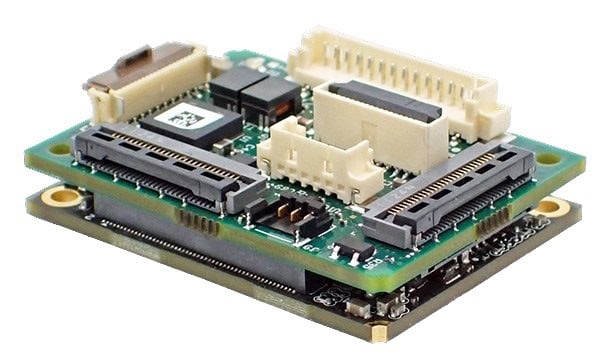
Many support simultaneous streaming and recording, ensuring redundancy and flexibility. Some offer modular designs or are available in board-level formats for OEM integration into larger C4ISR systems.
In addition to MIL-STD testing, encoders for U.S. government and DoD use may need to be NDAA- and TAA-compliant. This ensures that components are sourced from approved origins and meet cybersecurity and supply chain integrity requirements.
Procurement often favors encoders that are part of COTS (Commercial Off-The-Shelf) product lines, enabling rapid deployment and long-term support. Compatibility with open standards and software-defined upgrades can also extend the operational life and versatility of these devices.


 Searching Companies & Products