MILSATCOM provides resilient, Beyond Line of Sight (BLOS) data links and voice services for command and control in contested environments. This category details leading providers and manufacturers of military satellite communications systems, including manpack terminals, OTM antennas, and gateway equipment. The following guide explores the technical considerations for specifying satellite communication systems within defense applications.
If you design, build or supply Satellite Communication Systems, create a profile to showcase your capabilities and connect with visitors who have an active requirement for your solutions.
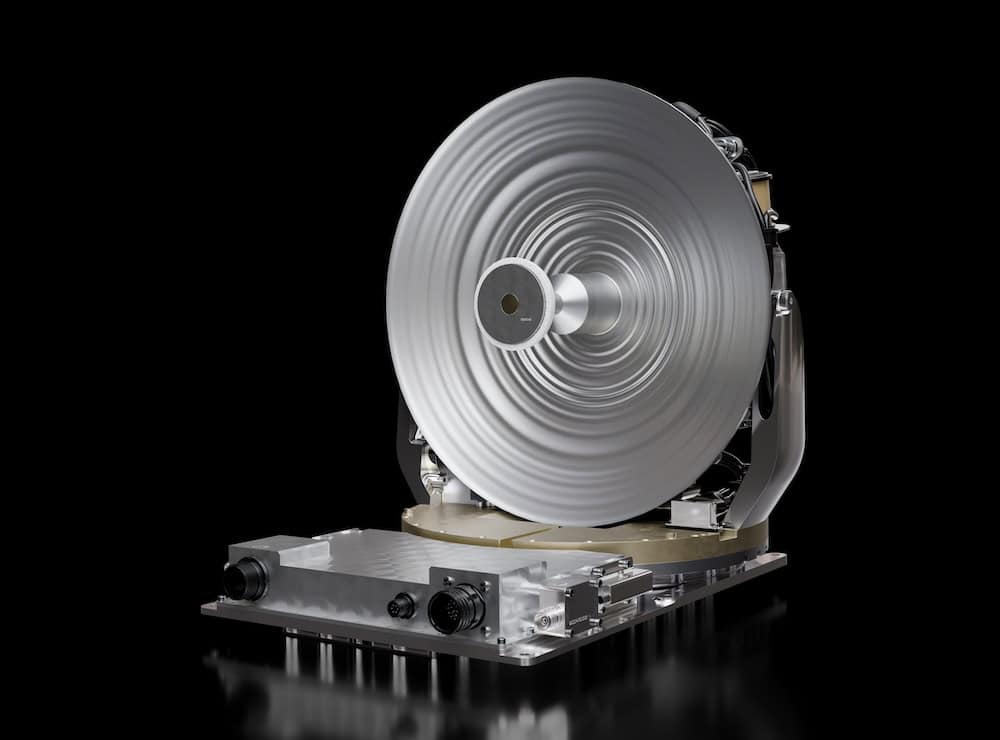
Wideband network-agnostic satellite communications for military and government aircraft
Wideband network-agnostic satellite communications for military and government aircraft
...twork-agnostic satellitecommunicationssystem, with global coverage and the ability to access any... ...ultra-reliable system can automatically select and seamlessly switch to the best and most...
... battle-proven system that enables in-service tactical radios to work over L-Band COMSATCOM for... ...government and military TACSAT channel availability is in short supply and does not deliver relaible...
Military Satellite Communications (MILSATCOM) Systems: Sourcing & Procurement Guide
Overview by
Sarah Simpson
Updated:
Military satellite communications (MILSATCOM) technologies perform an essential role in modern tactical communications, providing the reach required for global force projection. While most terrestrial radio waves travel in a line-of-sight trajectory, the physical constraints of the Earth’s curvature and terrain limit their effective range. For example, a tactical radio with an antenna two meters above the ground typically achieves a range of only six kilometers. Even elevating an antenna to the top of a 91-meter hill only extends this range to approximately 40 kilometers.
SATCOM outflanks these geographic and physical obstructions by beaming radio traffic to space-based assets orbiting thousands of kilometers above the Earth. This architecture allows a radio in New York to reach a recipient in London without the need for an impossible 800,000-meter antenna mast. Beyond simple distance, military satellite communications systems bypass urban obstructions, dense forest canopies, and mountain ranges that would otherwise distort or block V/UHF signals.
Today, MILSATCOM is a system-of-systems decision spanning user equipment, on-the-move (OTM) antennas, and sophisticated network management. Field-proven MILSATCOM solutions are deployed across a broad range of defense applications: including military aircraft, naval vessels, armored vehicles, and portable terminals for dismounted special forces. Effective sourcing requires defining the operational envelope first: focusing on motion, environmental stress, and the electromagnetic threat level.
Platform-Specific MILSATCOM Applications
Dismounted and Tactical Edge Users
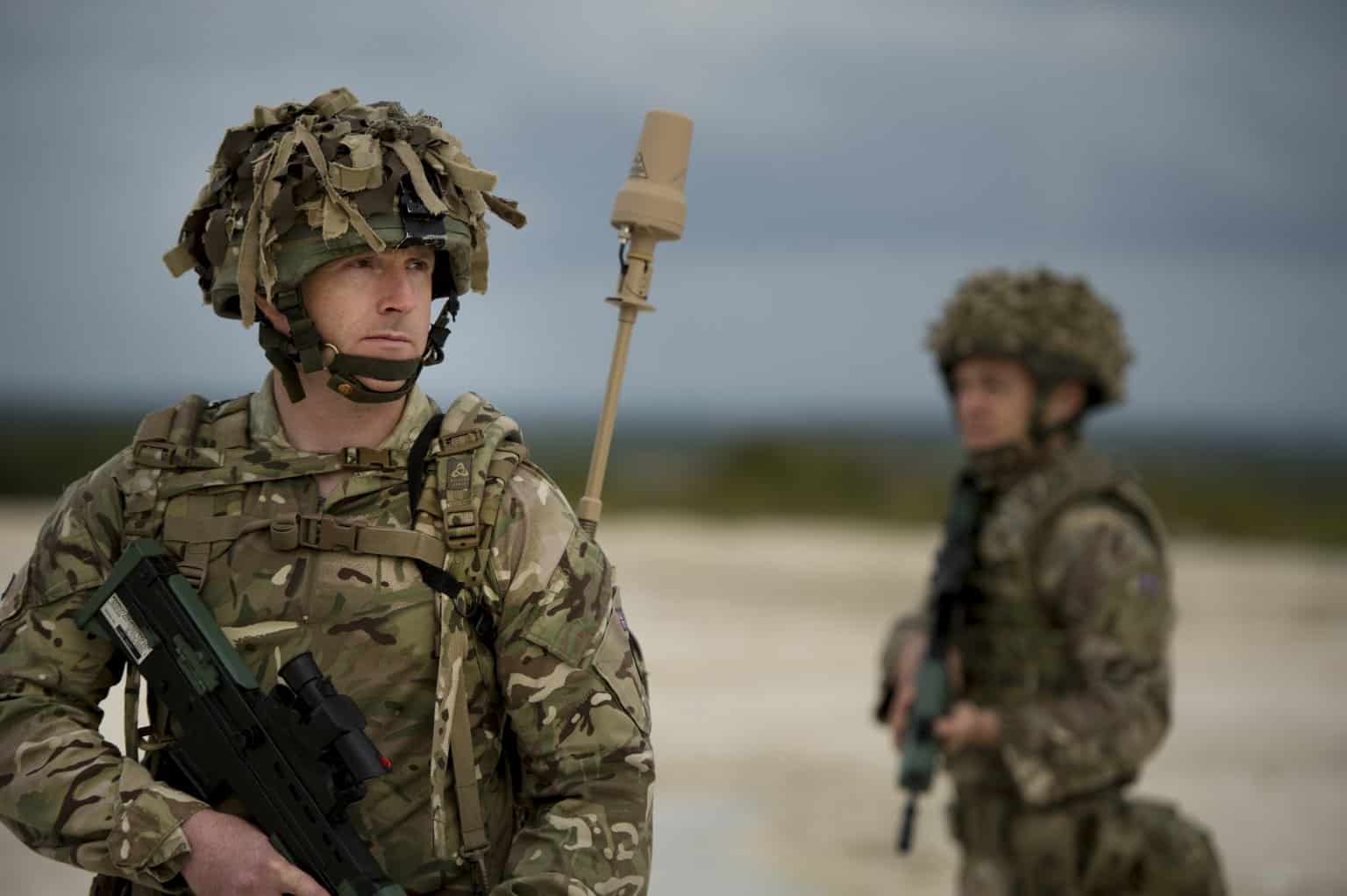
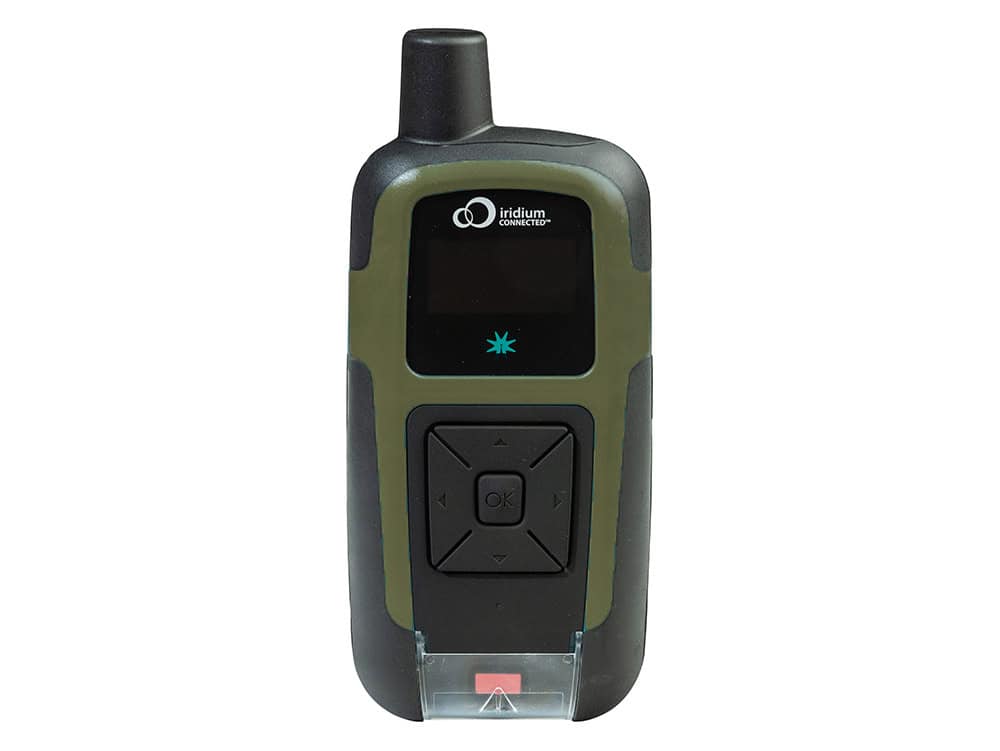
For the individual warfighter, tactical satellite communications are measured by “capability per kilogram.” Dominant constraints include SWaP-C: size, weight, power, and cost, alongside battery logistics and human factors. A dismounted special forces team operating hundreds of miles from headquarters in a spartan environment requires a terminal with high receiver sensitivity and rapid acquisition times. In these scenarios, SATCOM is often the only viable means of maintaining contact at tactical and strategic levels.
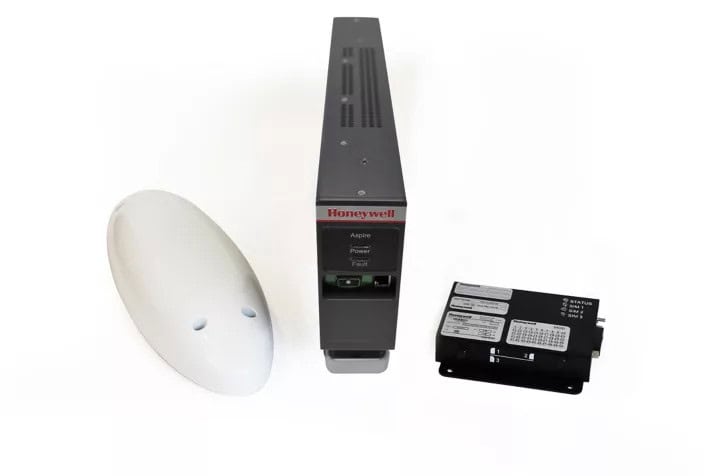
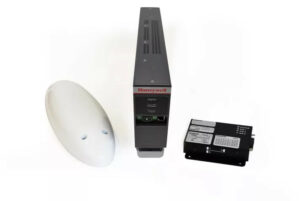
Aspire 400 SATCOM System by Honeywell Aerospace
Ruggedization for army satcom must be evidence-driven. Environmental test data should align with MIL-STD-810 for temperature extremes, ingress protection, and drop survivability. In contested-spectrum environments, buyers and specifiers should demand clarity on interference mitigation such as adaptive coding and modulation or protected waveform compatibility. The terminal must handle COMSEC keying and zeroization via streamlined workflows to prevent operational delays during high-stress missions.
SATCOM for Ground Vehicles: Wheeled and Tracked
Vehicle OTM terminals depend on stabilization and antenna siting to maintain links while traversing rugged terrain. Sourcing should focus on vendors providing platform integration guidance for shadowing from turrets, masts, or reactive armor. Two vehicles separated by a mountain range must rely on a satellite based communication system to bounce traffic, bypassing the physical LOS barriers that impede standard tactical radios.
EMI and EMC hardening are critical. Vehicles are typically dense with radios, EW systems, and other electrical equipment that can desense receivers. Technical specifications must include MIL-STD-461 evidence and a mitigation plan for shielded cabling. If the terminal touches vehicle networks for GPS or management, cyber boundaries must be defined early. Convoy operations often require multi-bearer options: combining government and military satcom with LOS bearers to ensure resilience against urban canyons or terrain masking.
Maritime: Surface Combatants and Small Craft
Naval satellite communication providers must account for salt fog, UV exposure, and mechanical loads. Radomes and antenna systems must maintain RF transparency across operating bands while surviving constant vibration. For surface combatants, compliance with MIL-S-901D for high-impact shock and MIL-STD-167-1A for mechanical vibration is mandatory to ensure mission success.
Littoral operations require rapid reacquisition during aggressive maneuvering. Small craft procurement priorities include systems proven under high yaw rates. Salt fog resistance and galvanic corrosion protection are non-negotiable requirements. Specify power profiles that account for transmit bursts and radome heaters, ensuring the craft’s power conditioning can support the load without injecting noise into the terminal. Secure naval satcom requirements often include specific RF hazard calculations to ensure personnel safety on deck.
Airborne Systems: ISR and Transport
Military airborne satcom procurement is governed by airworthiness and aerodynamic constraints. Antenna placement and radome geometry must deliver stable link quality across aircraft attitudes. Buyers require clear certification paths: including environmental qualification and vibration compliance aligned with aircraft modification processes. Drag and placement tradeoffs are unavoidable: dorsal mounting versus belly mounting changes blockage patterns during banking and maneuvers.
Rotary-wing platforms introduce rotor shadowing and extreme vibration profiles. These periodic fades require advanced mitigation through interleaving or buffering to maintain link margin. Sourcing for rotary-wing aircraft demands measured performance during hover and low-speed maneuvers. In multi-mission aircraft, the aircraft satellite communication system must coexist with ISR payload links and IFF avionics without causing mutual interference.
Uncrewed Systems: UAV, UGV, and USV
BLOS Command and Payload Backhaul
For uncrewed platforms, military satcom systems are safety-critical. Command and control traffic must be prioritized over payload backhaul to ensure deterministic failure behaviors. Buyers should Specify latency and jitter tolerances for command loops. If a system utilizes multiple bearers, the transition between satcom and LOS must be seamless and policy-based.
Size and Power Limits
UAV platforms are unforgiving regarding SWaP-C. Modem draw and antenna steering loads can exceed platform budgets. For smaller UAVs or USVs, the choice between mechanically steered antennas and electronically steered arrays (ESA) is the primary lever. ESAs offer low profiles but carry thermal and efficiency penalties. Ensure modems and crypto modules support COMSEC workflows and physical security: such as tamper evidence and remote zeroization for recoverable platforms.
MILSATCOM Architecture and Infrastructure
Teleport and Hub Elements
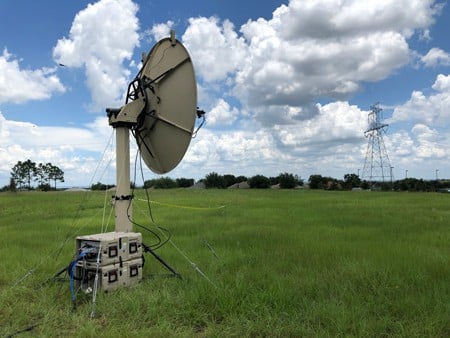
Fixed-site government satellite communications are a network architecture problem. MILSATCOM provision includes four key elements: the space segment, mobile/fixed terminals, teleports (large ground stations), and the supporting control infrastructure. Procurement focuses on gateway equipment, protected enclaves, and scalable bandwidth. Architecture must define where encryption terminates and how classified partitions are segmented.
Lifecycle and Sustainment
Unmanaged lifecycle risk acts as a silent program killer, particularly as MILSATCOM terminals and gateway components must endure decades of shifting security mandates and volatile supply chains. Procurement teams should prioritize locking down repair pathways and obsolescence management frameworks before the first unit is fielded. This is especially critical for crypto-enabled systems, where the vendor must demonstrate full compatibility with specific national COMSEC tooling and key loading devices. Reliability depends on vendor roadmaps that offer firm commitments for long-term firmware support: providing the signed updates needed to address vulnerabilities without forcing a total re-accreditation of the network.
Technical Specifications: Frequency Bands and Standards
Military Satcom Frequency Bands
There is no single waveband that satisfies all requirements. Militaries use an array of communications satellites: including dedicated military assets, government-owned constellations, and private SATCOM services.
X-band: Frequencies reserved by the ITU solely for military use. It provides high resilience but is increasingly congested.
Ka-band: Utilized for high-capacity WGS links. It carries heavy traffic loads but is susceptible to weather interference.
UHF MILSATCOM: Critical for legacy narrowband satcom and tactical handheld use, performing well in adverse weather.
Ku-band: Common for airborne ISR backhaul and commercial augmentation: balancing throughput with antenna size.
L-band: Used for mobile satcom systems requiring small, omnidirectional antennas.
Standards and Compliance
Ruggedized hardware must be engineered to survive the environmental and electromagnetic stresses outlined in MIL-STD-810 and MIL-STD-461. However, achieving true interoperability for SHF terminals necessitates strict adherence to MIL-STD-188-164 as the governing technical authority. Procurement evidence should therefore prioritize comprehensive test reports over superficial pass/fail certificates: this level of scrutiny ensures the tested configuration is a valid, high-fidelity proxy for the intended installation environment.
Cyber, COMSEC, and IA
While the security architecture of any terminal is fundamentally defined by its approved crypto boundary, modern military communication systems are increasingly transitioning toward CSfC (Communication Security Selection Capability) and Type 1 High Assurance modules. This evolution aligns with the widespread adoption of Zero trust principles: a shift that mandates the integration of secure boot, signed firmware, and robust logging to maintain platform integrity. Beyond the software layer, ensuring supply chain assurance has become a critical procurement responsibility: requiring granular traceability of chipsets and firmware components to mitigate the persistent risk of tampered or counterfeit hardware.
Selecting a MILSATCOM Supplier
The directory at the top of this page features leading global suppliers of military-grade satellite communication systems and associated hardware – it is the primary resource for qualifying vendors against specific mission or application requirements. When selecting a satellite communication system supplier, engineers should prioritize those with proven integration experience on similar platform classes. Technical scores should favor vendors with verified test artifacts over roadmap promises to ensure long-term program success.
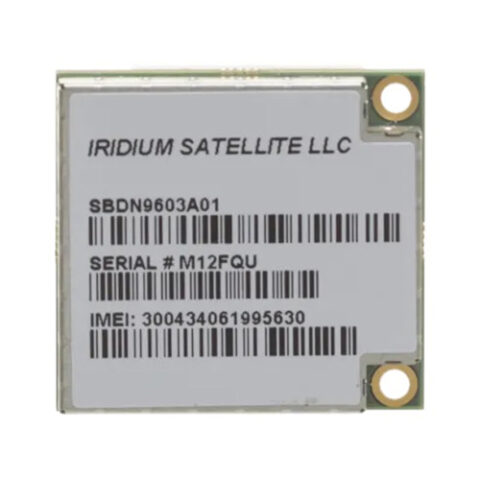
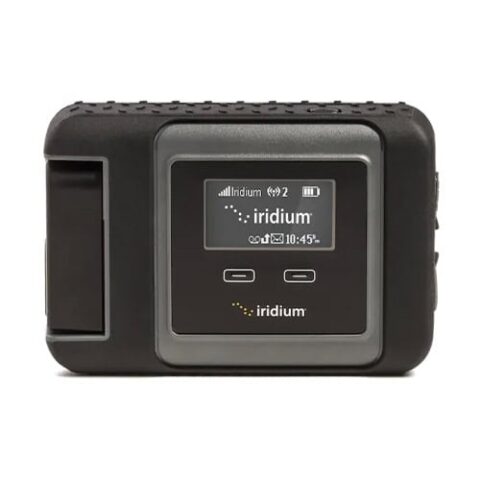
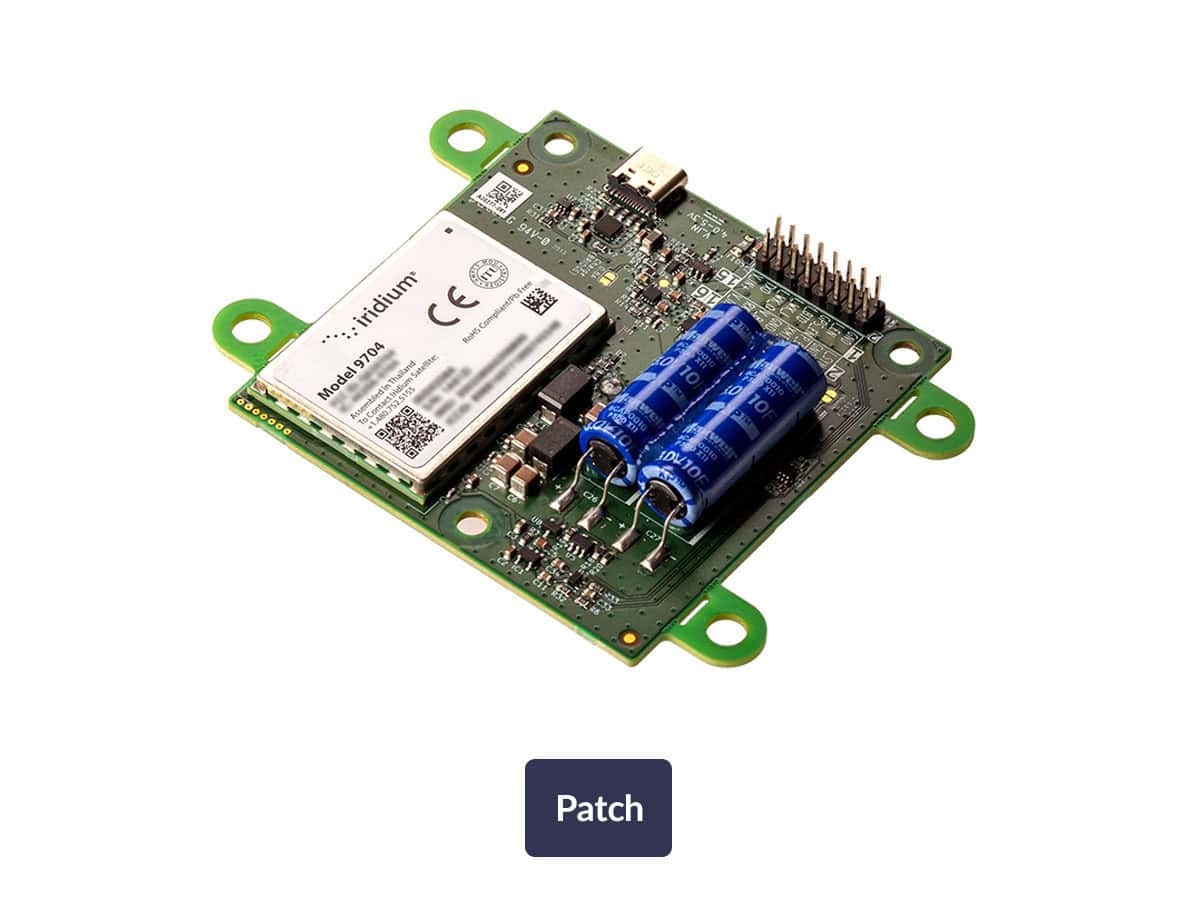
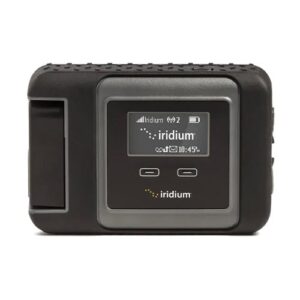
Iridium provides dependable global SATCOM and resilient positioning, navigation and timing capabilities to support defense, government and mission-critical operations worldwide
Allient examines motor selection for SATCOM systems, covering key engineering considerations including performance, reliability, integration, operating environment, and Size, Weight and Power (SWaP)
TTP is developing a software-defined, multi-band 5G NTN modem module designed to form the core of flexible, upgradeable satellite terminals, including Ku- and Ka-band systems, for defense, commercial, and UAV connectivity applications
Lockheed Martin has chosen Viasat to provide high bandwidth satellite communications for next generation weather monitoring aircraft, delivering critical data in real time to improve global hurricane tracking and forecasting
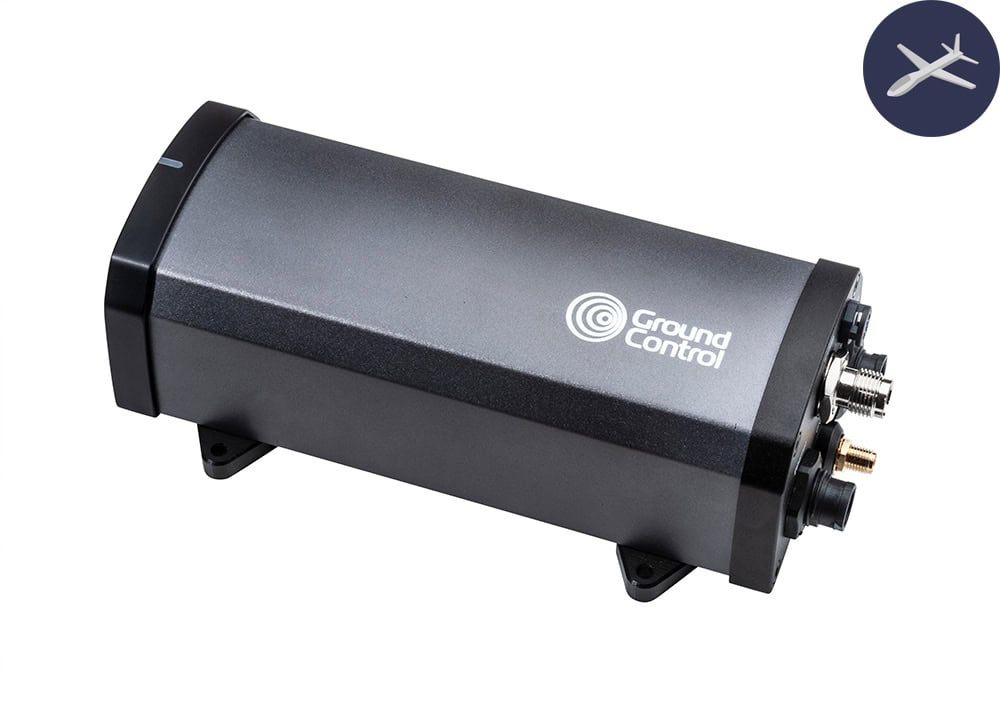
Ground Control examines how receive-only satellite messaging systems help military teams receive operational updates in contested environments without generating outbound RF transmissions from endpoint devices
Somewear Labs' Horizon multi-network radio is designed to provide seamless transitions between line-of-sight and satellite connectivity for unmanned platforms operating in contested or long-range environments
Elsight’s Halo connectivity platform has been included in the U.S. DCMA Blue UAS List, enabling streamlined procurement and supporting deployment in secure, mission-critical military unmanned systems
The Honeywell Aerospace JamFest event delivers live, hands-on demonstrations that enable customers to evaluate defense technologies in real-time under realistic and challenging battlefield conditions
Gilat Defense has secured a $9 million contract from Israel’s Ministry of Defense to deliver advanced SATCOM systems and next-generation modems for secure, mission-critical operations
The latest defense technology news, straight to your inbox.
Get our weekly roundup of technology developments, new products and industry news.
THANK YOU FOR SIGNING UP
Thanks for joining us. Check your inbox.
We've sent you an email. Click the confirmation link to complete your subscription to the weekly eBrief. In the meantime, explore the latest news, suppliers and technologies on DA.
Advancing Defense Capability Through Strategic Collaboration
Defense Advancement works with major OEMs to foster collaboration and increase engagement with SMEs, to accelerate innovation and drive defense capabilities forward.