Showcase your capabilities
If you design, build or supply Hyperspectral Cameras, create a profile to showcase your capabilities and connect with visitors who have an active requirement for your solutions.




Hyperspectral cameras capture data across hundreds of narrow spectral bands. This capability surpasses traditional RGB or multispectral systems in spectral resolution, enabling unparalleled target discrimination, material analysis, and anomaly detection. Hyperspectral imaging is not just a sensor upgrade for military, government, and law enforcement users; it’s a mission multiplier, delivering real‑time insights across reconnaissance, threat assessment, search & rescue, and forensic operations.
Read the Technology Overview
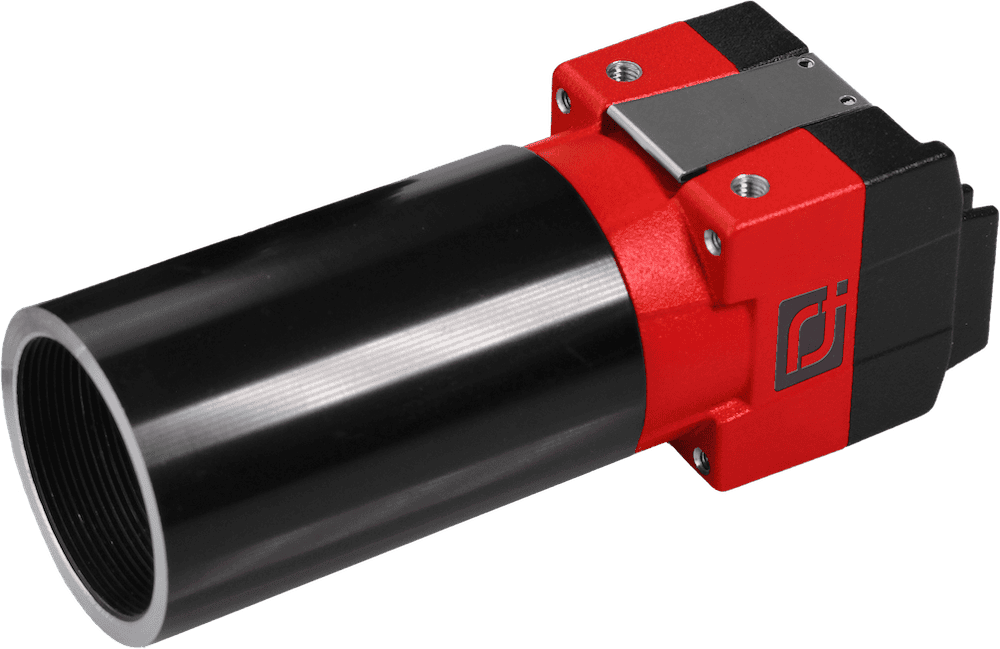
State-Of-The-Art Hyperspectral Imaging Cameras for Mission-Critical Applications

If you design, build or supply Hyperspectral Cameras, create a profile to showcase your capabilities and connect with visitors who have an active requirement for your solutions.

As defense and security environments grow more complex, the need for high‑fidelity imaging becomes critical. Hyperspectral cameras meet this demand by detecting spectral variations beyond what the human eye or standard cameras can perceive. Their value lies in enhanced detection accuracy, material differentiation, and real‑time decision support, whether deployed on UAVs, aircraft, patrol boats, or handheld forensic units.
While multispectral captures 3–10 broad bands, it lacks hyperspectral’s spectral granularity. Multispectral may detect general anomalies, whereas hyperspectral resolves fine spectral structures—vital for chemical identification, camouflage defeat, and forensic clarity.
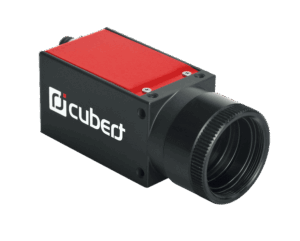
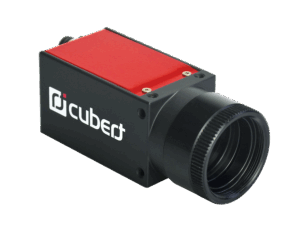
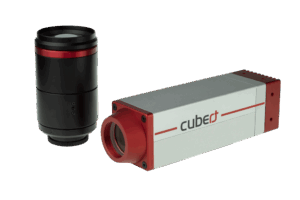
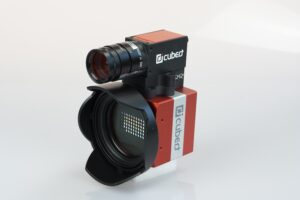
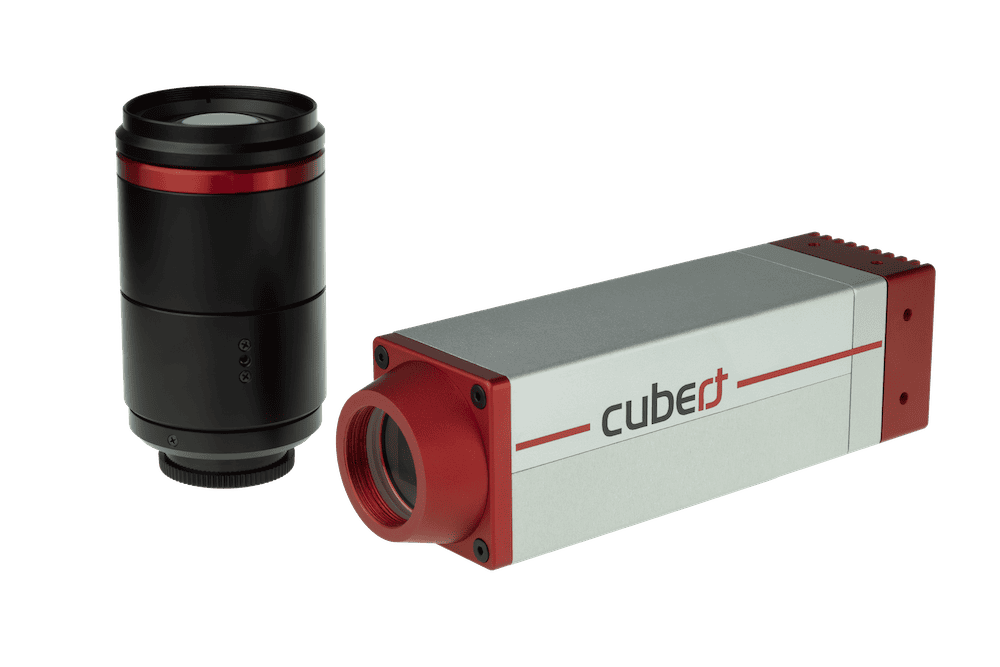
ULTRIS 5 by Cubert.
Equipped on reconnaissance aircraft, unmanned combat aerial vehicles (UCAVs), or ground vehicles, hyperspectral cameras provide advanced target identification and camouflage detection, spotting hidden assets, buried munitions, or vehicle traffic through foliage or desert terrain. Their broad spectral range enables pinpointing materials (e.g., fuel, fuel spills, explosives) and detecting spectral anomalies invisible to multispectral or infrared sensors.
Hyperspectral data allow commanders to assess battlefield composition, detect adversary equipment signatures, and differentiate between civilian and military installations. This mitigates collateral damage risk and supports precision targeting.
Mounted on maritime patrol aircraft, military UAVs, or patrol boats, hyperspectral systems identify illicit vessels, detect oil slicks, and monitor littoral zones. Their ability to differentiate between materials aids in drug smuggling interdiction and search operations.
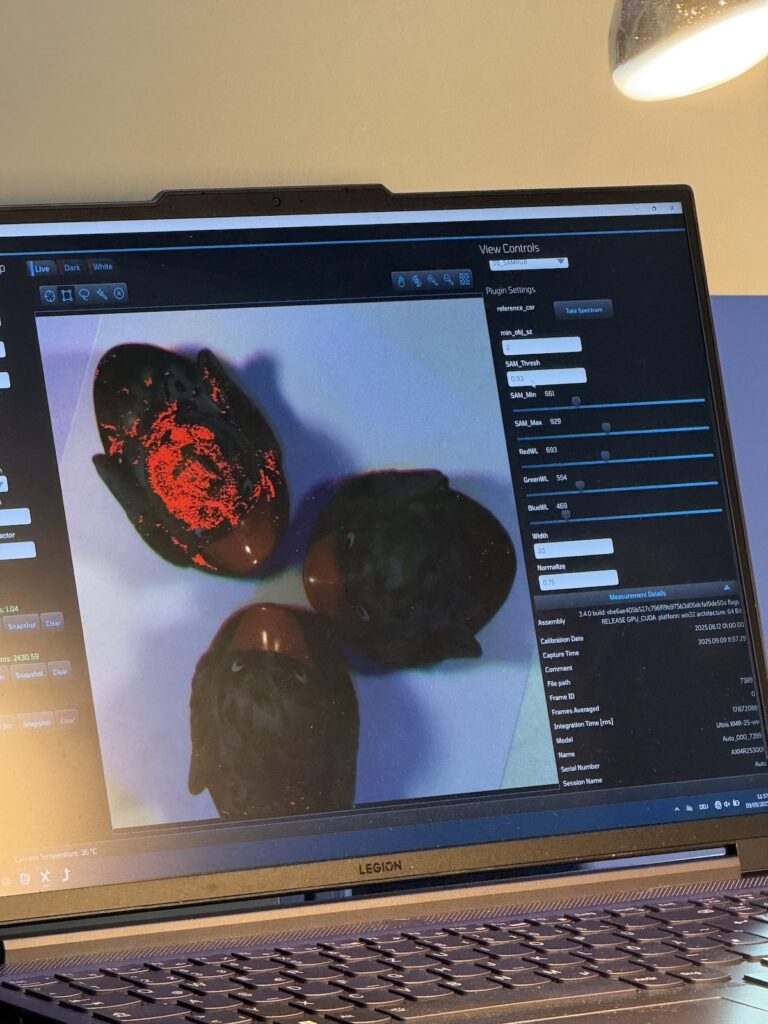
Portable hyperspectral imaging devices record detailed spectral information in crime scenes, uncovering blood traces, skin oils, ballistic residues, document alterations, and latent evidence invisible to standard photographic methods.
Mounted on UAVs, hyperspectral cameras enhance search operations by detecting specific spectral signatures, like thermal emissions, clothing dyes, or biological materials, and combat search and rescue (CSAR), locating missing persons in dense foliage or disaster zones.
Law enforcement teams use hyperspectral systems to scan cargo, luggage, or vehicles, identifying narcotics or contraband based on chemical spectral fingerprints, aiding border and customs enforcement.
Government agencies utilize hyperspectral imaging to assess vegetation health, water purity, urban pollution, and to monitor chemical spills. The sensors precisely map spectral signatures of toxins or pollutants, triggering rapid response measures.
By detecting spectral changes in building materials, hyperspectral cameras assist in assessing pipeline corrosion, structural fatigue, or hazardous material leaks. They enable preventive maintenance and public safety oversight.
On surveillance aircraft or ground vehicles, hyperspectral systems detect concealed items, like weapons or nuclear materials, hidden in cargo or vehicles at checkpoints, bolstering homeland security.
Hyperspectral cameras offer several advantages over RGB and multispectral cameras, including:
Modern hyperspectral camera systems must meet rigorous MIL‑STD specifications for defense deployment:
MIL‑STD‑810H – Environmental testing (temperature, shock, vibration, sand/dust) ensures ruggedization.
MIL‑STD‑461G – Electromagnetic interference (EMI)/compatibility compliance.
MIL‑STD‑1275 – Vehicle power standards—crucial for dynamic platform integration.
MIL‑STD‑1472G – Human factors engineering for ergonomic operation.
MIL‑STD‑2525C – Symbol standards for integrating sensor output with situational awareness systems.
Alignment with these standards ensures operational reliability under battlefield and austere environmental conditions.
Hyperspectral cameras offer a revolutionary leap beyond traditional imaging, bringing sensor capabilities that precisely map, classify, and analyze materials at a molecular and spectral level. In military contexts, they enhance reconnaissance, threat assessment, and environmental monitoring. Government agencies leverage them for environmental safety and border security, while law enforcement benefits in forensic analysis, search & rescue, and contraband detection.
Their advantages over multispectral and RGB systems include fine spectral discrimination, calibrated quantitative reporting, and robust domain performance. However, successful deployment requires careful attention to MIL‑STD compliance, sensor performance, systems integration, data handling, TCO, and operator training.
Procurement professionals should emphasize operational requirements, such as spectral bands, spatial resolution, platform compatibility, and compliance, while anticipating long-term costs. Agencies can build a future‑proof hyperspectral capability that delivers mission‑critical intelligence across sectors by focusing on ruggedized, standards-compliant systems with open architectures.


 Searching Companies & Products