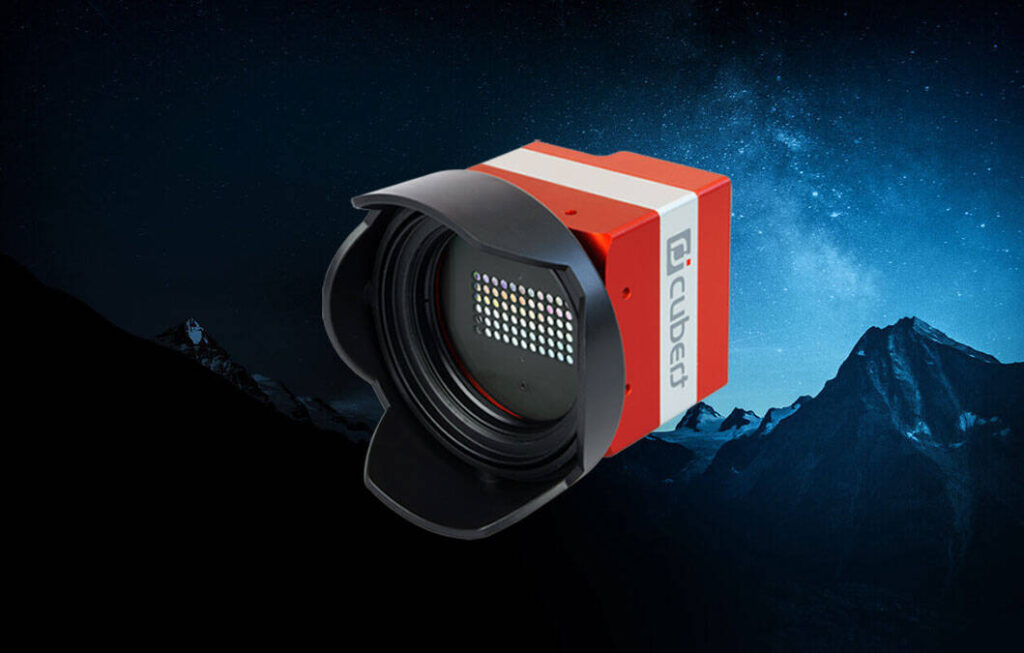
At DSEI 2025, Cubert presented its latest advances in hyperspectral imaging to an international audience of defense decision-makers, experts, and system integrators.
While conventional RGB and thermal imaging are familiar tools, Cubert argues that they are fundamentally limited. RGB systems capture only three channels in the visible spectrum. By contrast, Cubert’s hyperspectral technology delivers complete spectral signatures from ultraviolet through to short-wave infrared, across dozens to hundreds of channels.
This means each pixel provides a distinct spectral fingerprint, enabling operators to identify material properties with certainty, independent of color, shape, or temperature. According to Cubert, this elevates reconnaissance from interpretive imagery to fact-based intelligence.
Operational Superiority in the Field
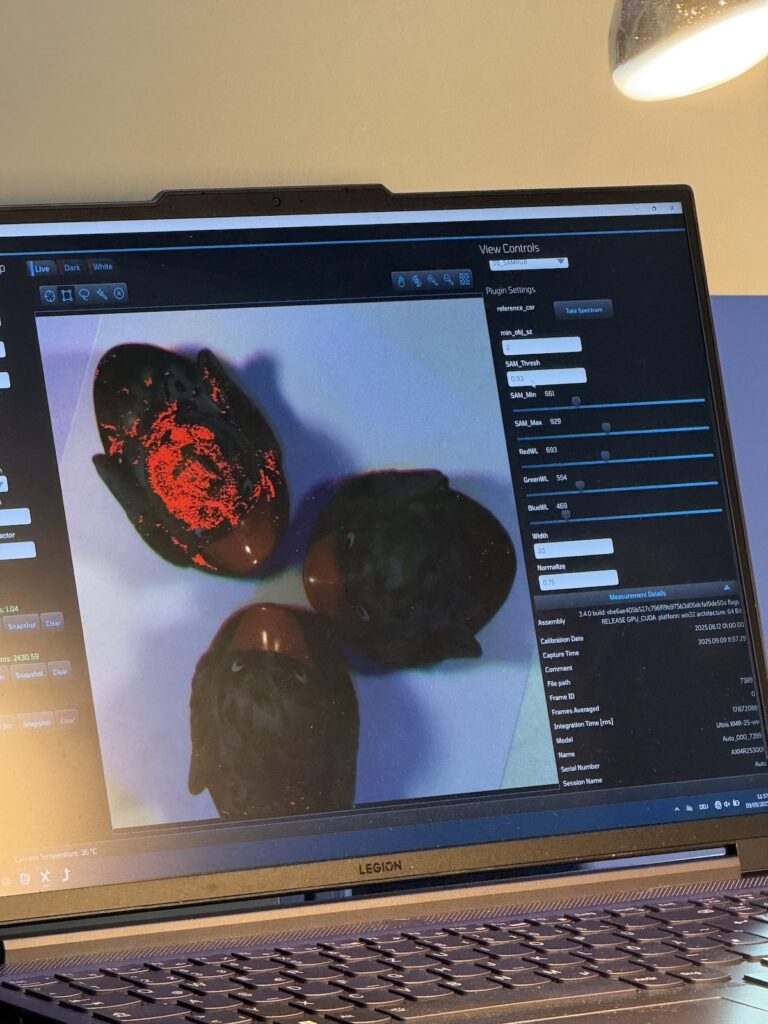 Cubert emphasises that current procurement processes and confidence in EO/IR systems have slowed adoption of hyperspectral technology. Yet live demonstrations at DSEI proved its operational advantages. With hyperspectral imaging, defense forces can:
- Detect camouflaged vehicles through their unique material signatures
- Identify chemical threats via characteristic absorption patterns
- Map soil structures to support mine detection
- Expose anomalies and hidden devices in real time
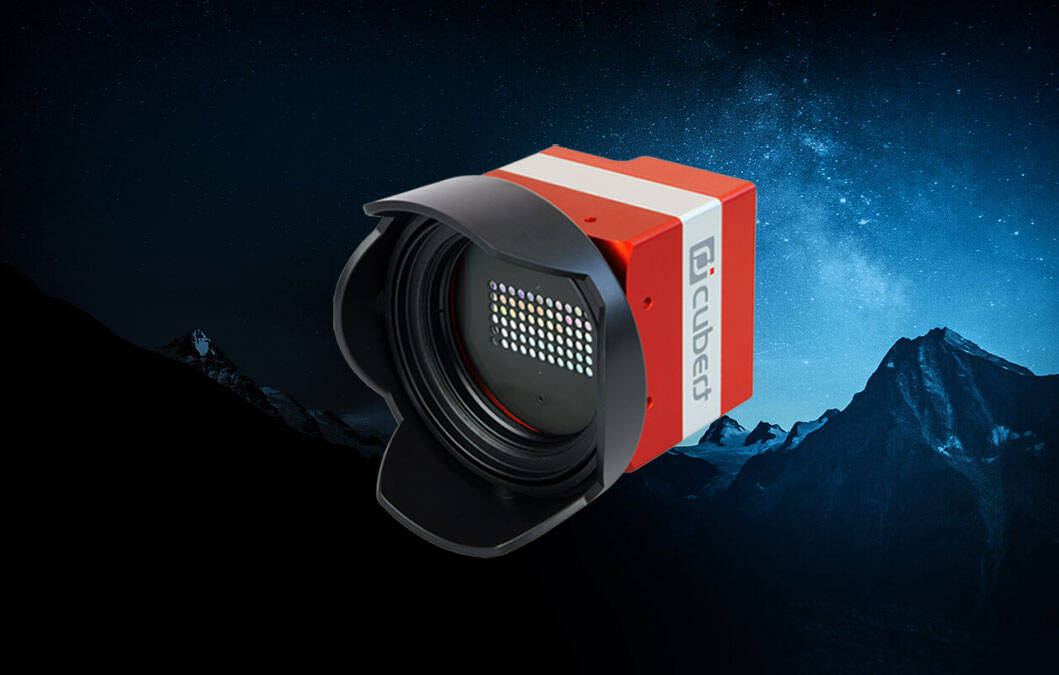
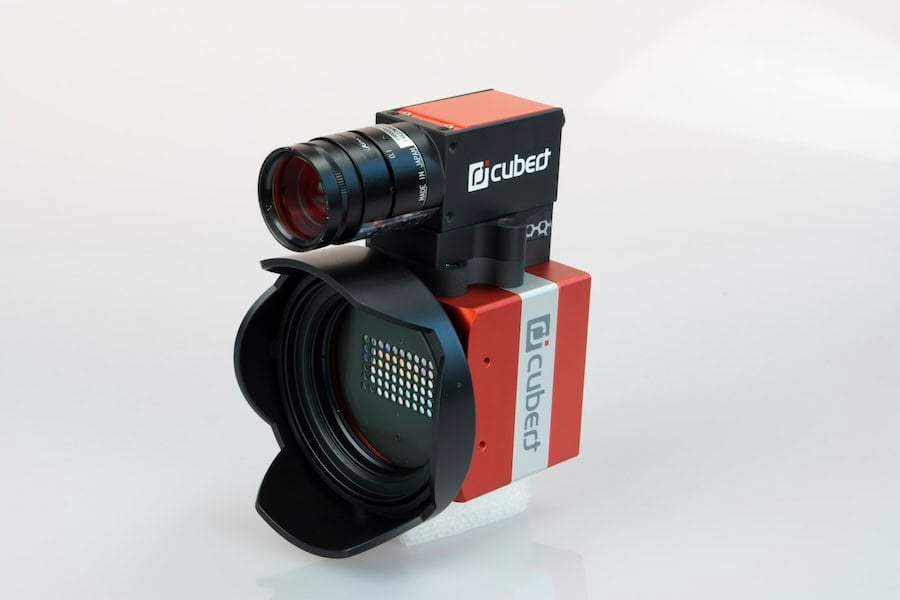
Mounted on UAVs, vehicles, or stationary platforms, Cubert’s patented Snapshot technology ensures spectral data is captured without motion artifacts, providing reliable, real-time intelligence that supports immediate decision-making in critical operations.
Establishing Hyperspectral as Indispensable
For Cubert, DSEI 2025 confirmed two strategic priorities: promoting Snapshot technology as a unique enabler of real-time reconnaissance, and driving awareness so hyperspectral imaging is recognized as an indispensable tool for modern defense.
Cubert is positioned to lead this transition, ensuring that spectral intelligence becomes a cornerstone of reconnaissance doctrine. Those who act now to integrate hyperspectral technology will be best placed to secure information dominance in future operations.