


Accelerate Defense Modernization through Strategic Sourcing
Discover cutting-edge solutions from leading global suppliers
Sixpenny Additive, a newly launched Canadian metal additive manufacturing company, has been named the first distributor and integration partner for Meltio’s wire-laser metal 3D printing industrial systems in Canada.
Meltio’s industrial patented wire-laser Directed Energy Deposition (DED) technology enables manufacturers to produce fully dense metal parts using cost-effective welding wire. The system offers the flexibility to integrate onto robotic arms or operate as a standalone 3D printer, providing a combination of reliability, affordability, and industrial scalability.
Through this partnership, Sixpenny Additive will provide Canadian manufacturers with several key services. This includes System Sales & Integration, offering local expertise to configure Meltio Engine systems with industrial robots, and Service & Support, delivering Canadian-based technical assistance, training, and maintenance.
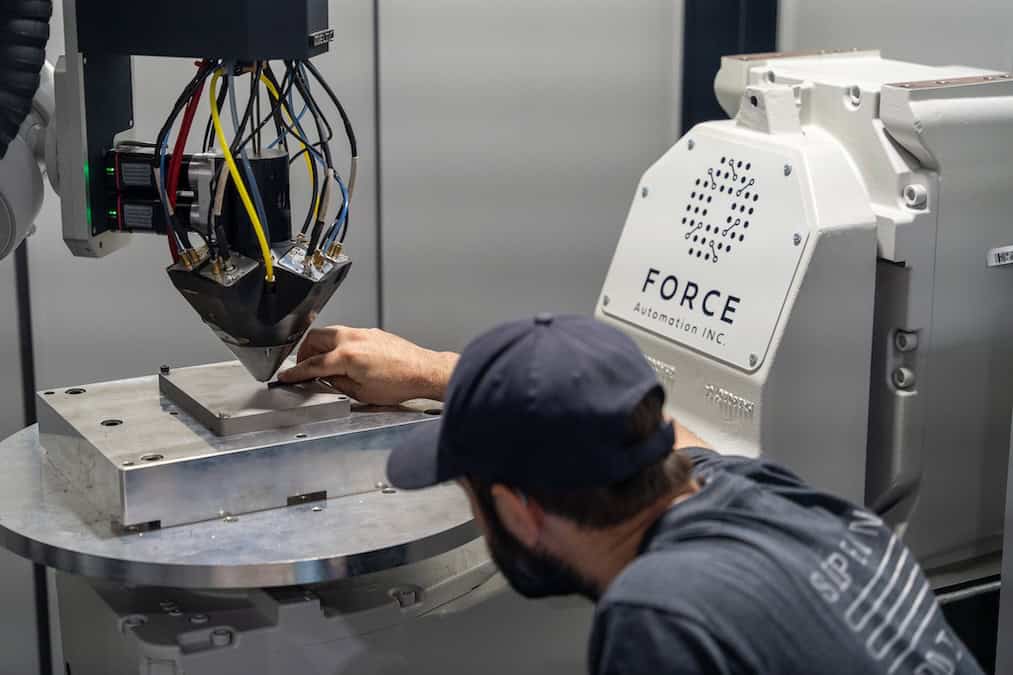
Additionally, the company will offer Application Development consultation on design for additive manufacturing (DfAM) and new product opportunities. Customers will also have direct access to Meltio’s technology through Sixpenny Additive’s service bureau, allowing them to prototype and produce parts without an upfront machine investment via Printing Services.
Gabriel Ortiz, Meltio Channel Manager in the United States, commented, “Meltio’s main commitment with this new partnership with Sixpenny Additive offering to all types of industries in Canada the ability to manage the entire manufacturing process using our unique industrial wire-laser metal 3D printing solutions consisting of a Meltio head integrated in a robotic arm -Meltio Engine Robot Integration-, and the Meltio Robot Cell. It is very interesting to help a large range of industries, from automotive to aerospace as they want to print and repair reliable metal parts with our DED wire-laser reliable solutions.”
David Nolan, President of Sixpenny Additive, added, “We are thrilled to bring Meltio’s technology to Canada. Wire-laser DED opens doors for Canadian manufacturers seeking to reduce costs, shorten lead times, and produce parts previously impossible or uneconomical with conventional methods. Our role is to make adoption seamless by providing both the machines and the expertise to use them effectively.”