Ben Grant, Managing Director at Impact Subsea discusses the adaptation of compact sonar and navigation sensors for defense, naval and security applications, highlighting operational lessons from deployments, integration flexibility across unmanned platforms, and ongoing developments supporting autonomous and mission-critical underwater operations.

Ben Grant, Managing Director at Impact Subsea
Could you describe how your underwater sensor technologies have been adapted or tested in defense, naval or security applications?
Impact Subsea products are regularly adapted and tested for defense, naval and security roles by integrating compact, high-performance sonar and navigation sensors onto platforms used in these sectors.
Sensors have been put through various tests to quantify their use in various defense applications (such as accelerated life testing, shock, vibration and temperature testing). Sensors have been modified to use physical electrical and communication connectors which are approved for use in defense applications.
Your products are already proven across challenging subsea environments. Which specific sensors or systems have shown the greatest traction or demand within naval, defense or MCM/ISR applications to date, and why?
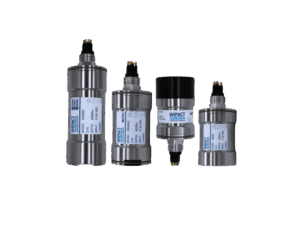
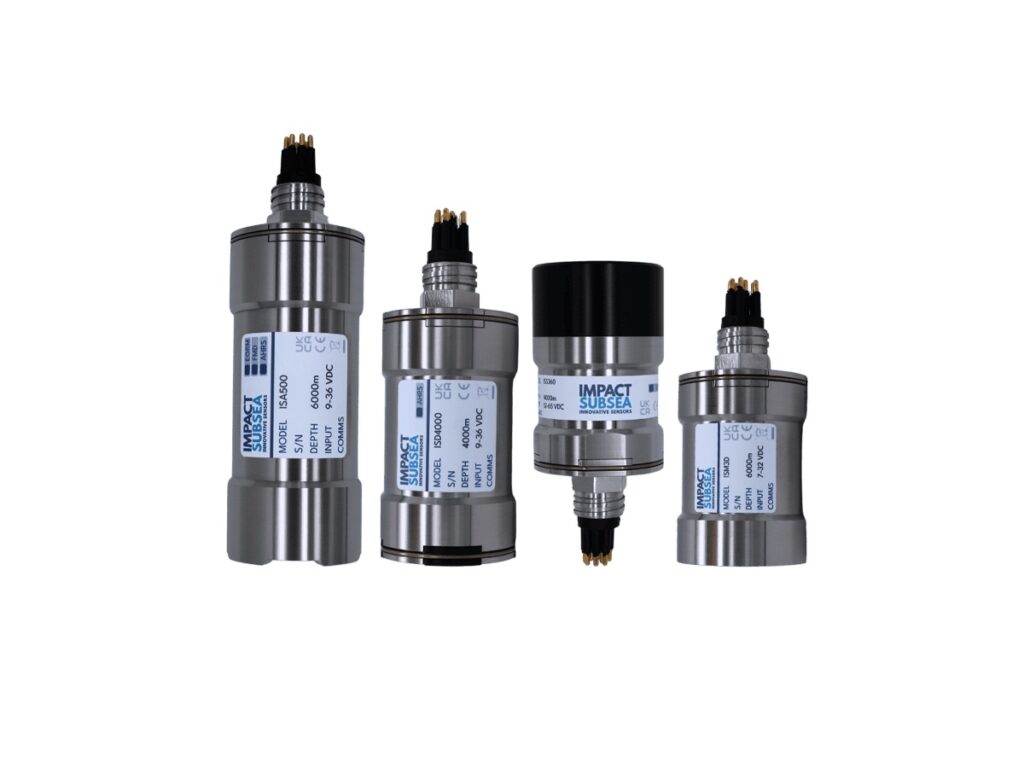
Impact Subsea Sensors
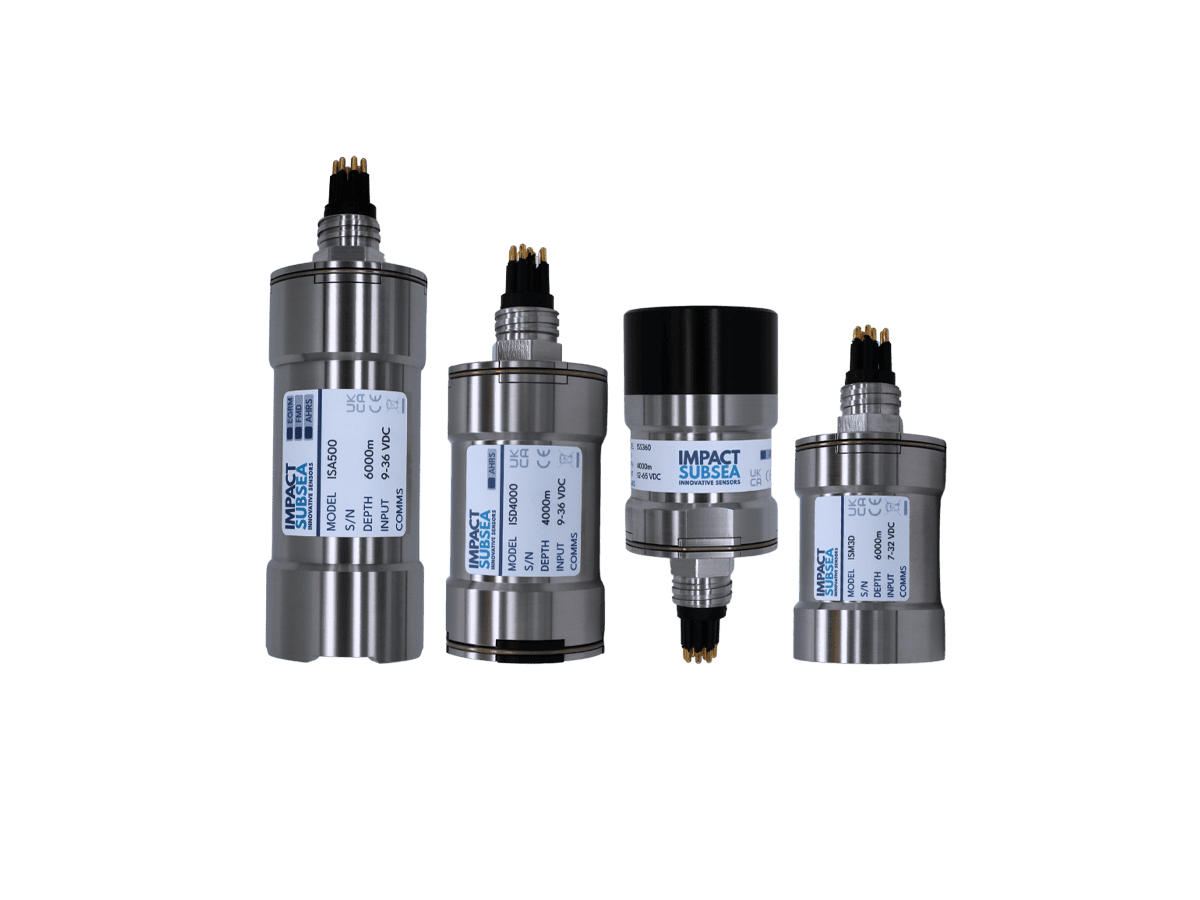
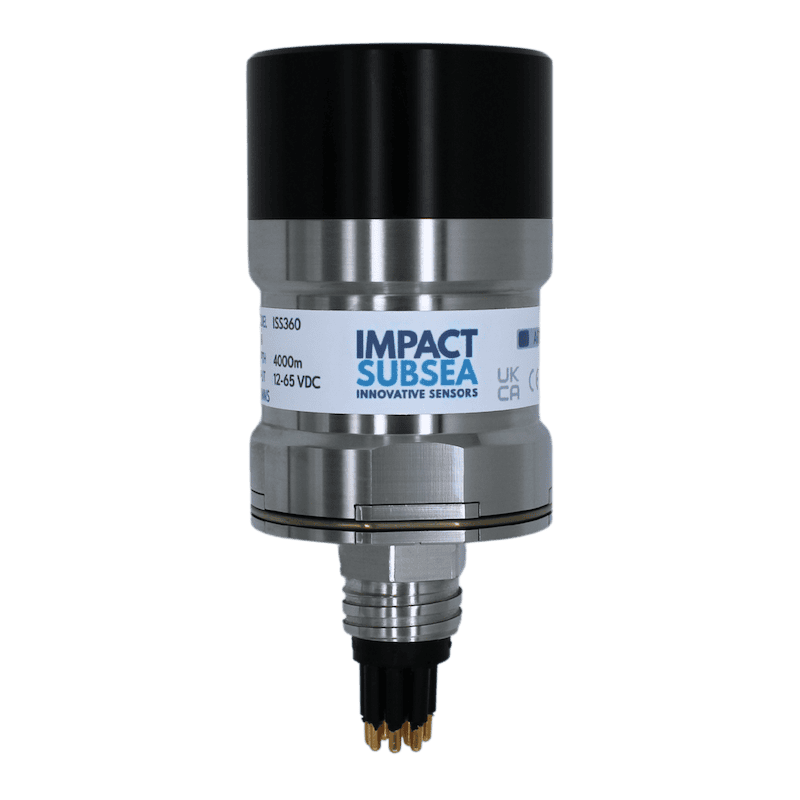
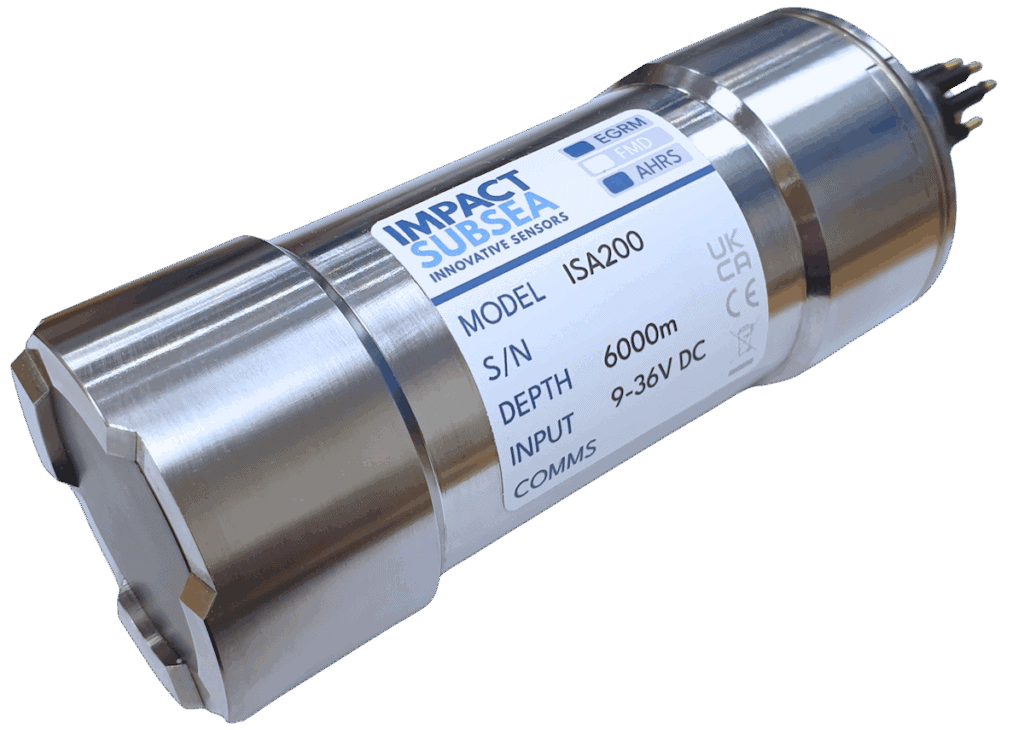
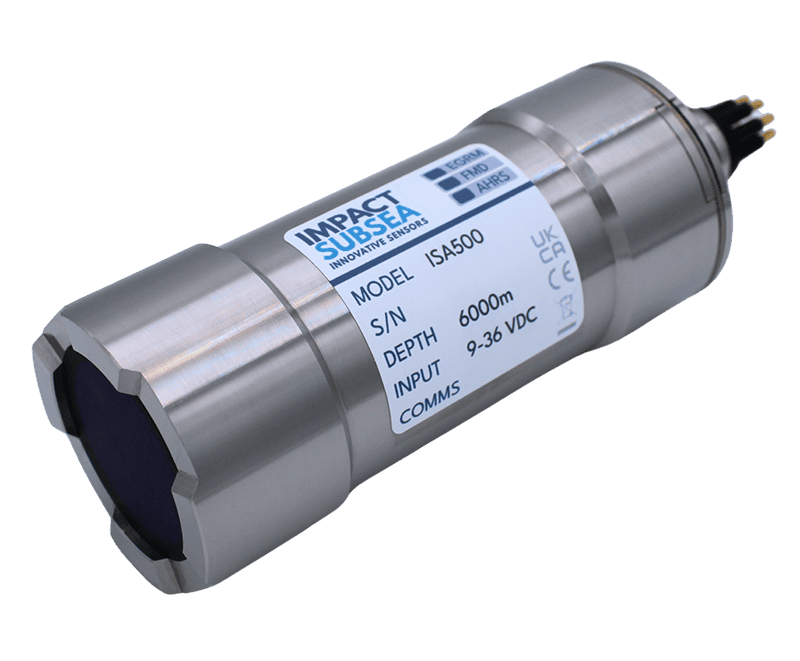
The sensors that show strongest traction are the compact imaging sonars (ISS360 / ISS360HD) and the high-accuracy altimeters/single beam echosounders (ISA family).
Imaging sonars are widely used for obstacle avoidance, low-visibility navigation and close- range target identification on AUVs/ROVs, while the ISA altimeters provide precise altitude and backscatter (ECHOGRAM) data that are valuable for inspection, seabed classification and as a basic ranger device (often used in various Mine Counter Measure vehicles).
The flexibility in physical connection options, output string and protocol have made Impact Subsea sensors particularly straightforward to integrate. The highly compact and robust form factor is also particularly useful.
What lessons or operational feedback have you gained from any deployments of your sensors in defense or security-related underwater missions (even if anonymized), and how has this informed product refinement?
Operational deployments have reinforced three practical lessons that have steered product development:
Multi-functionality matters. Users prefer sensors that can deliver navigation, imaging and diagnostics from the same unit. (The team invested in software features like ECHOGRAM to add backscatter/imaging to altimeters).
Compact, rugged packaging is critical. AUV/ROV integrators favour small, deep-rated units that minimise vehicle mass and cabling; that feedback drove the focus on miniature imaging sonars and durable housings.
Serviceability and software updates reduce downtime. The ability to configure, upgrade and diagnose units in the field via seaView and the SDK has influenced the company’s emphasis on firmware feature delivery and open tooling to speed integration and troubleshooting.
How modular and flexible are your sensor solutions in terms of integration into different platforms (AUVs, UUVs, ROVs, fixed seabed installations), and are there examples of rapid customisation or adaptation?
Impact Subsea’s sensors are designed to be modular and integration-friendly, compact transducers, standardised interfaces, an SDK and the seaView configuration/diagnostic tool all speed platform integration.
The Impact Subsea website highlights multiple real integrations. For example, imaging sonars used on AUVs for obstacle avoidance and the ISFMD fitted to an Outland Technology ROV-3000 as concrete examples of adaptation to different vehicle types.
OEM options are also available for many Impact Subsea sensors. This allows the core sensor to be integrated into a third party housing, system or vehicle. This helps to enable small form factor systems to be created.
Are there upcoming product developments (e.g., enhanced range sonar, higher precision INS integration, combined sensor modules) specifically aimed at defense/UUV/AUV markets within the next 12–24 months?
We continue to invest heavily in technologies that support the growing needs of defense, UUV and AUV operators. Our recent releases including the ISP360 profiling sonar, enhancements to our ISS360 imaging sonar range and new firmware capabilities such as ECHOGRAM demonstrate our commitment to delivering higher-performance sensing in the most robust and compact housing possible.
While we don’t publish a detailed public roadmap, we are actively developing solutions that build on this foundation. Our focus remains on longer-range acoustic sensing, improved performance and more integrated sensor modules for autonomous and mission-critical platforms.
Organisations interested in future developments are always welcome to speak with us directly for early insight into upcoming capabilities.
Since all your products are fully software-configurable with no field-opening required, how does this reduce maintenance risk and increase operational uptime in defense deployments where contamination risk and time-to-launch are critical?
At Impact Subsea, we design every sensor to be fully configurable and upgradeable through software, with no need to open the housing in the field. This approach eliminates the risk of compromising seals or introducing contamination during mission preparation. A critical advantage in defense environments where time-to-launch, reliability and cleanliness standards are stringent.
Being able to adjust settings, apply firmware updates and run diagnostics through our seaView software significantly reduces maintenance burden and speeds up turnaround times.
Operators can resolve issues, optimize performance or activate new capabilities without taking the sensor out of service.
The result is greater operational uptime, fewer logistical demands and maximum confidence that the sensor remains mission-ready, even in the most demanding deployments.