
Advanced Navigation discusses how high-performance Inertial Navigation Systems (INS) ensure mobile Counter-Unmanned Aircraft Systems (C-UAS) maintain accurate radar heading for reliable threat detection and system performance even in GPS-denied or dynamic operational environments. Read more >>
Ensuring reliable mobile C-UAS under operational conditions depends on accurate radar heading information, as sub-optimal heading data can compromise the entire system. This can undermine mission performance and compromise the entire system, causing target misidentification, failed engagements, and loss of operator confidence.
Mobility, a core operational requirement, introduces pitch, roll, and yaw that can destabilize a radar’s orientation, turning a single point of failure into cascading operational risks across the sensor-to-effector chain.
The cause of this challenge lies in the radar’s dependence on a stable frame of reference. Errors in the radar’s heading propagate and magnify over distance, leading to corrupted target data, broken sensor handoffs, and the inability to maintain a continuous track of threats.”
In GPS-denied or electronically contested environments, unlike systems that rely on external signals, an INS provides a stable heading, ensuring the radar and overall C-UAS system maintain reliable performance even when signals are lost, degraded, or distorted.

High-performance INS continuously calculate position and orientation based on dead reckoning, independent of external signals.
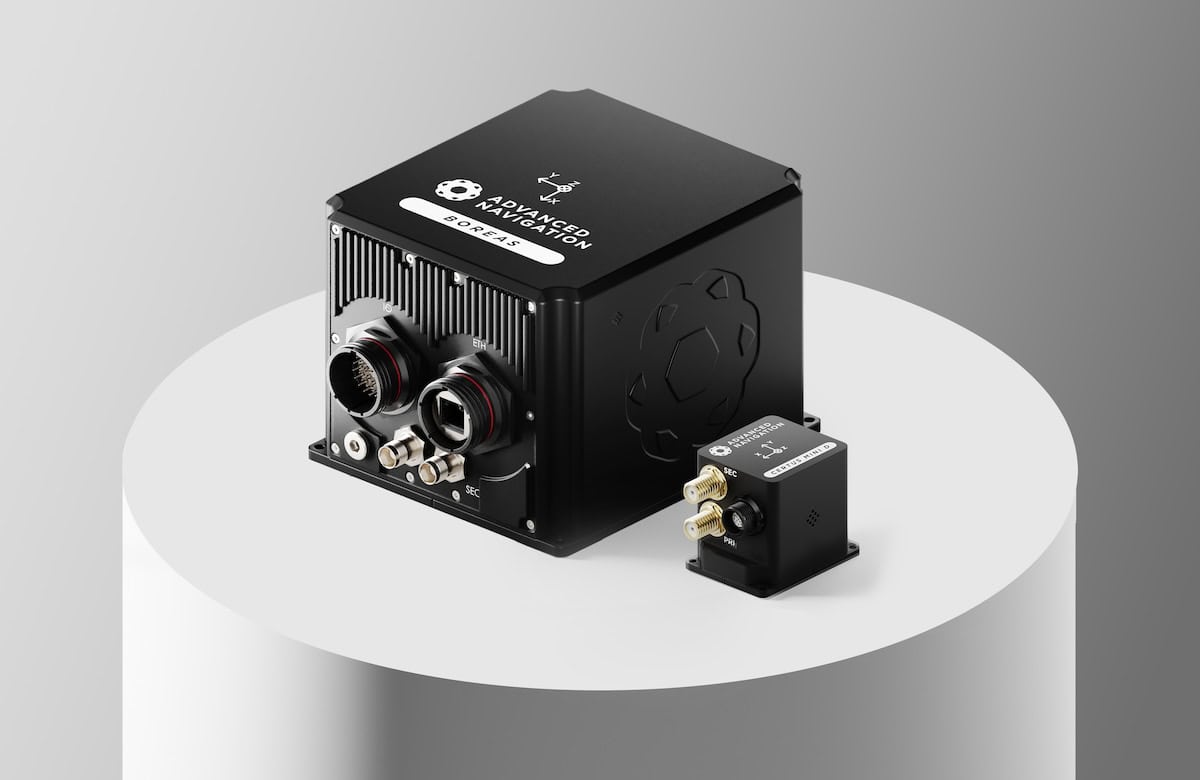
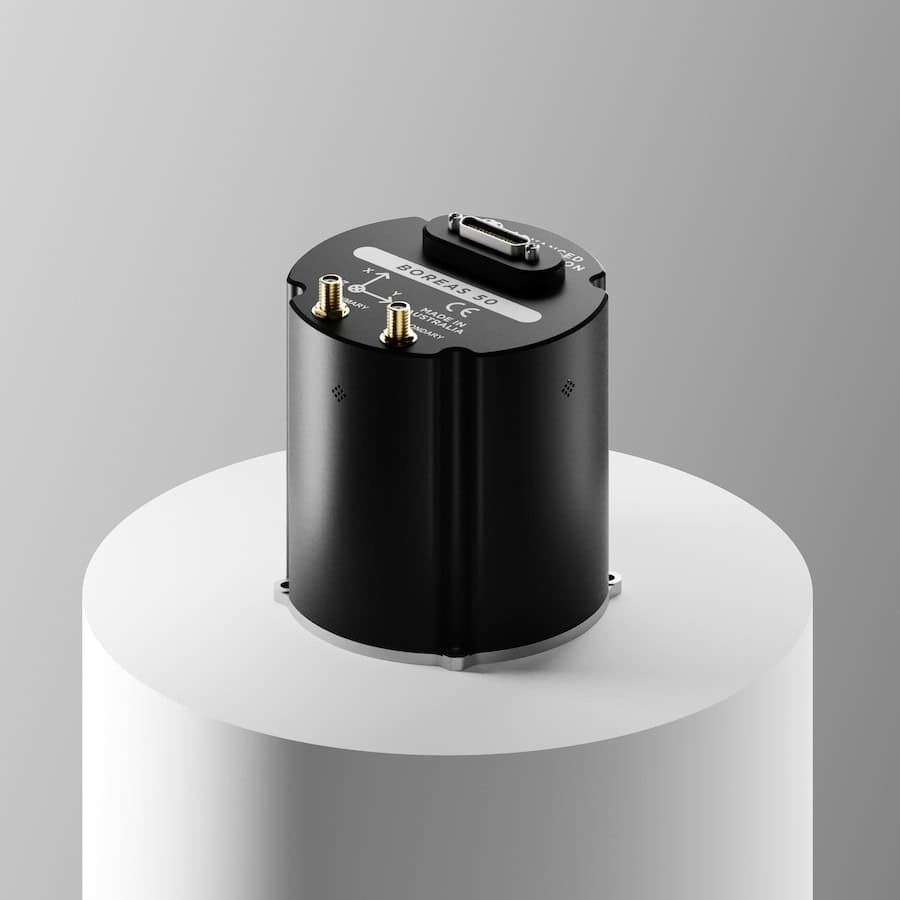
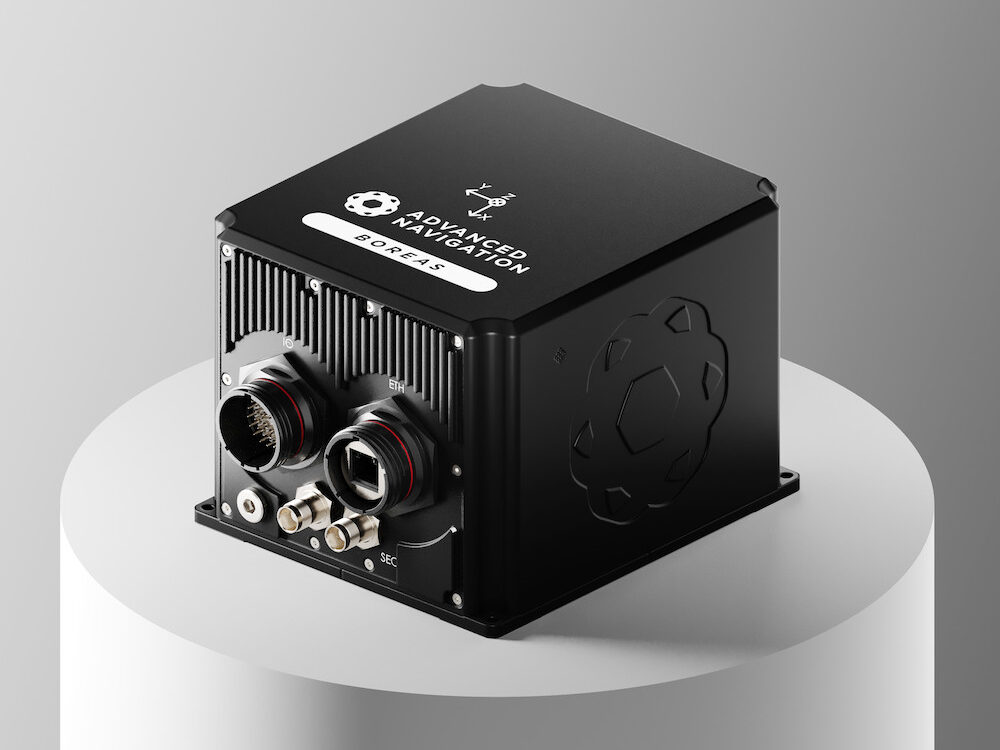
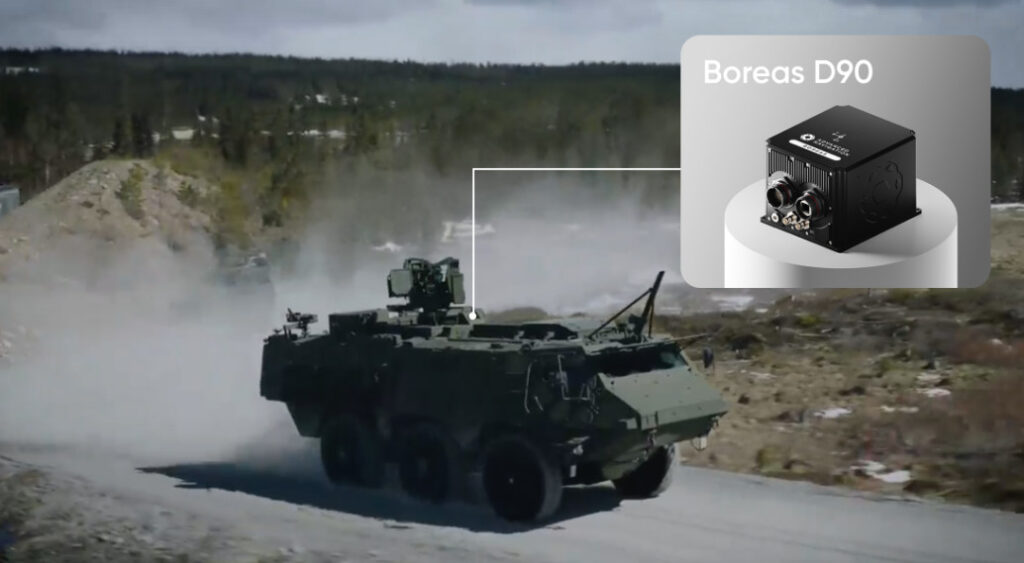
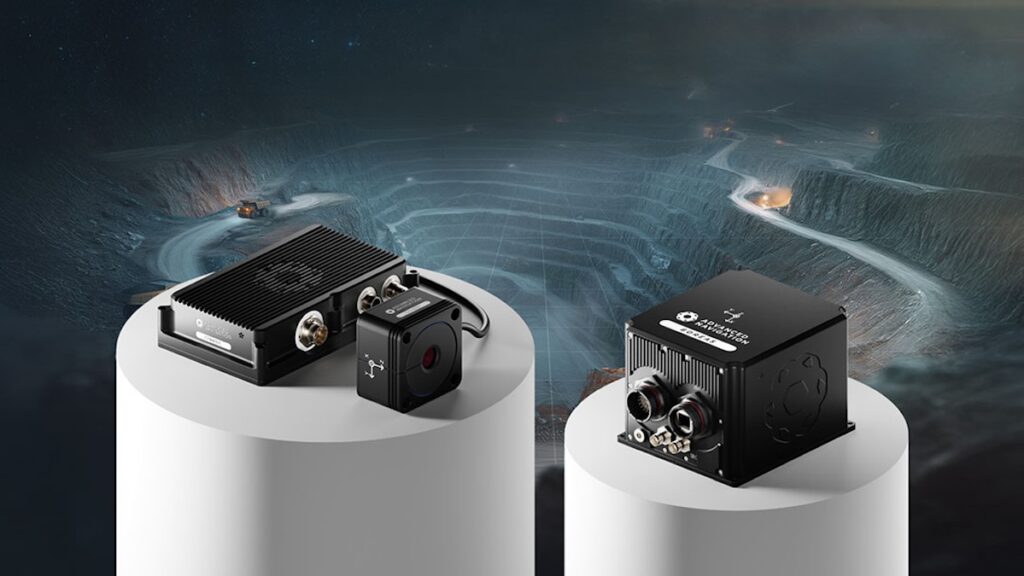
Advanced Navigation’s Certus Evo and Boreas D70/D90 series INS use high-accuracy MEMS and Fibre Optic Gyroscopes (FOG) to minimize gyroscope bias instability, deliver fast north-seeking or gyrocompassing capabilities, and provide seamless integration with mobile C-UAS Command and Control (C2) architectures.
These systems ensure the radar maintains an accurate heading even when moving over uneven ground, executing turns, or operating in GPS-denied conditions. By providing a stable, independent frame of reference, the INS anchors the entire C-UAS sensor suite, enabling reliable target tracking and data handoff between sensors.
By integrating Advanced Navigation’s INS, defense programs can transform a potential vulnerability into a tactical advantage. The integrity of the radar’s heading enables the entire C-UAS system to detect, track, and defeat drone threats effectively, protecting personnel and assets while optimizing programmatic value.
With ITAR-free products, low SWaP-C design, and rapid deployment capabilities, the Certus Evo and Boreas D70/D90 offer a resilient foundation for mobile counter-drone operations.
To find out more information, read ‘How to Ensure Your C-UAS Systems Are Field-Ready’ here >>