



Advanced Navigation is addressing a critical vulnerability in modern Counter-UAS (C-UAS) by delivering inertial navigation solutions that maintain synchronization between radar tracking and effector targeting in GPS-denied environments.
The company’s systems provide continuous heading and attitude data required for fire control.
Addressing Synchronization Vulnerabilities
Modern C-UAS systems must detect, track, and engage small, fast, and agile drone threats while operating on the move and under electronic warfare conditions.
GPS denial disrupts synchronization between radar tracking and effector targeting, affecting the system’s ability to maintain accurate position, attitude, and heading data. Without a stable heading reference, the link between tracking data and effector pointing is broken.
Impact on System Performance
When synchronization is lost, the following effects occur:
- Delayed engagement: Reduced ability to maintain reliable tracks delays engagement decisions.
- Misclassification: Inaccurate kinematic data increases the likelihood of incorrect threat identification.
- Wasted firepower: Reduced pointing accuracy lowers the probability of intercept.
These outcomes limit the system’s ability to counter aerial drone threats.
Inertial Navigation for Fire Control Alignment
Continuous, high-accuracy heading and attitude data independent of GPS is required to maintain synchronization. Advanced Navigation’s inertial navigation systems provide this data, enabling alignment between radar tracking and effector targeting during movement and GPS denial.
Inertial Solutions for Counter-UAS Platforms
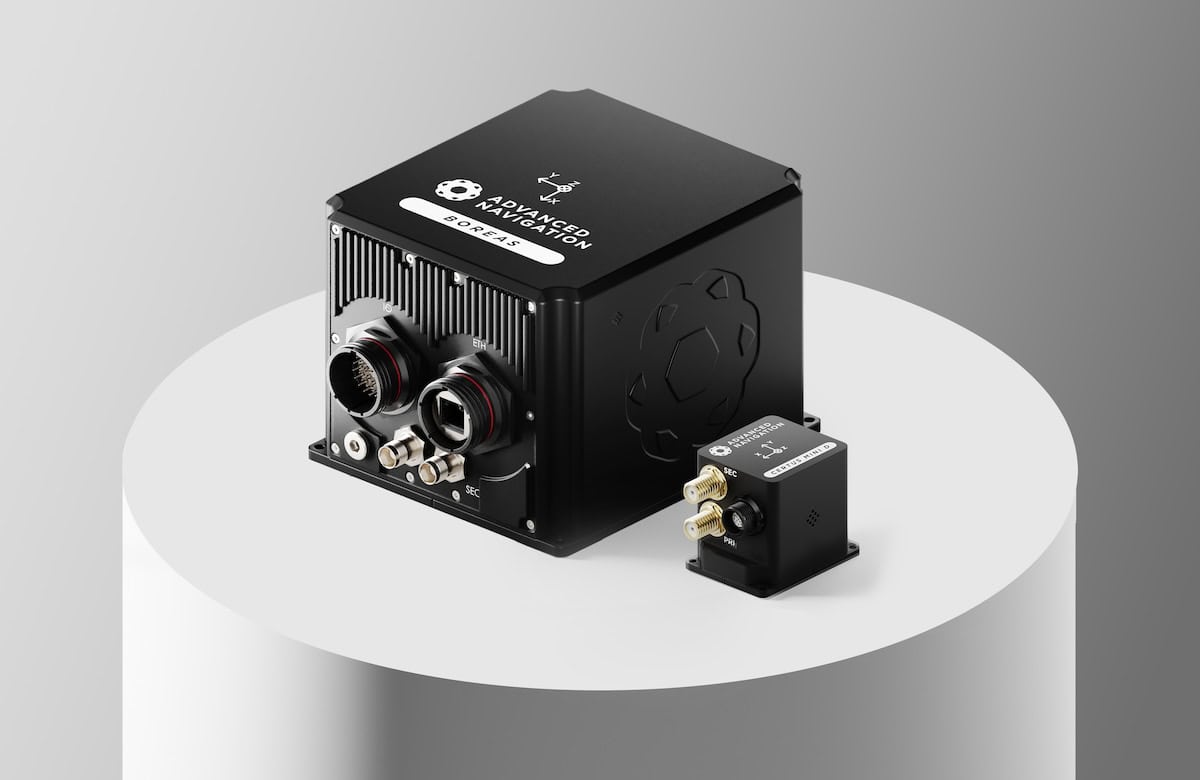
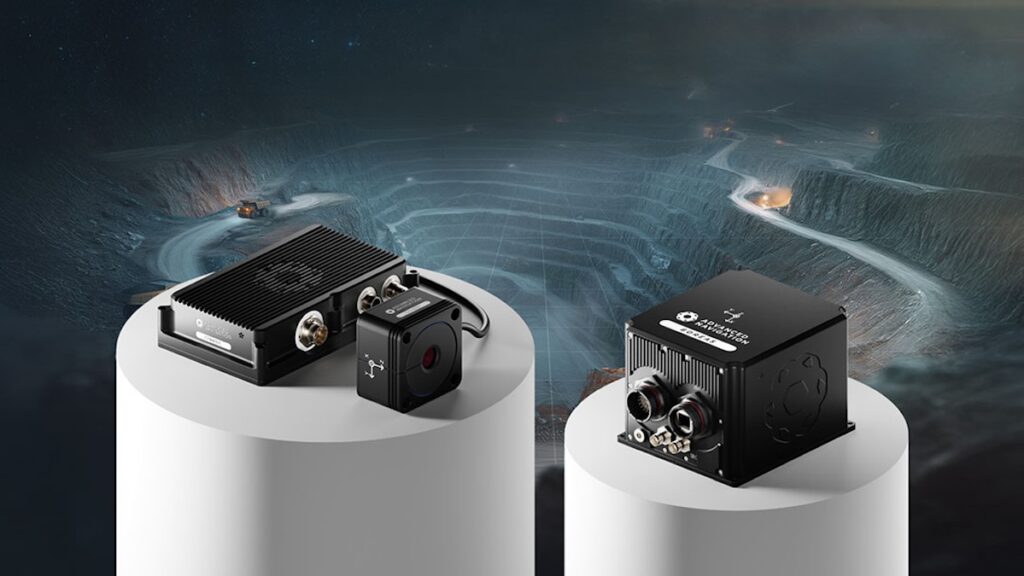
Certus Evo is a MEMS-based GNSS/INS designed for SWaP-C-constrained platforms. It provides heading and attitude data for mobile C-UAS systems and includes dual-antenna heading for rapid acquisition after deployment.
The system is tested against military standards for shock and vibration, supporting integration on tactical vehicles and dismounted platforms.
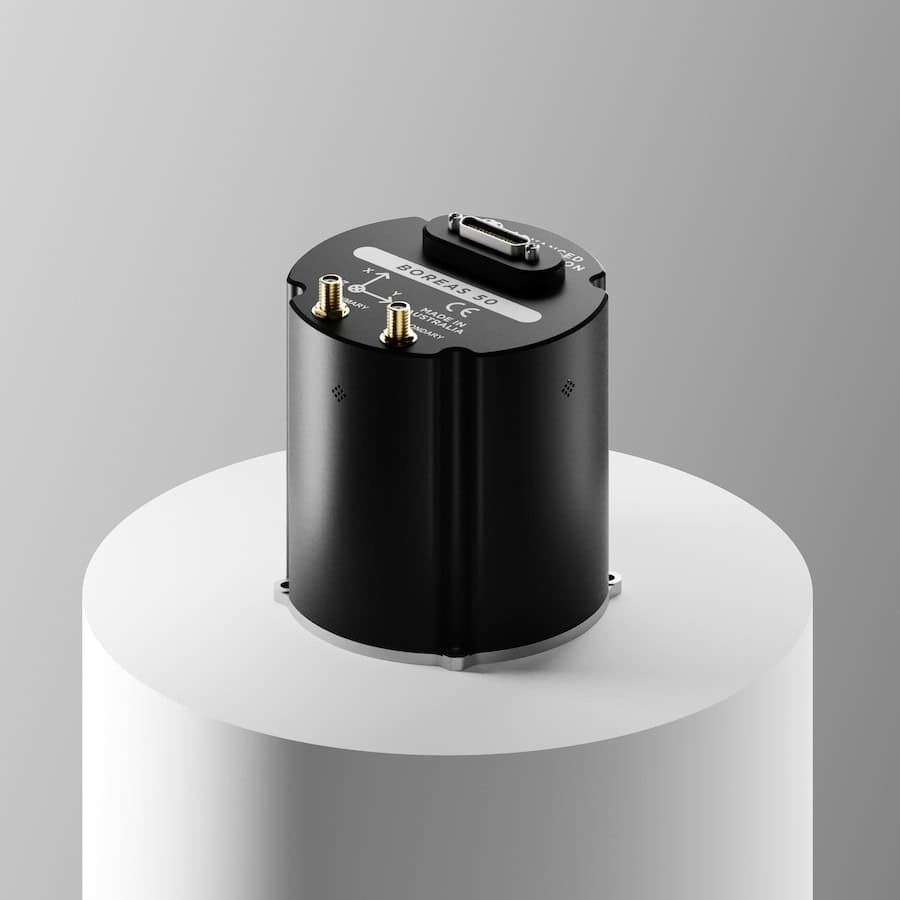
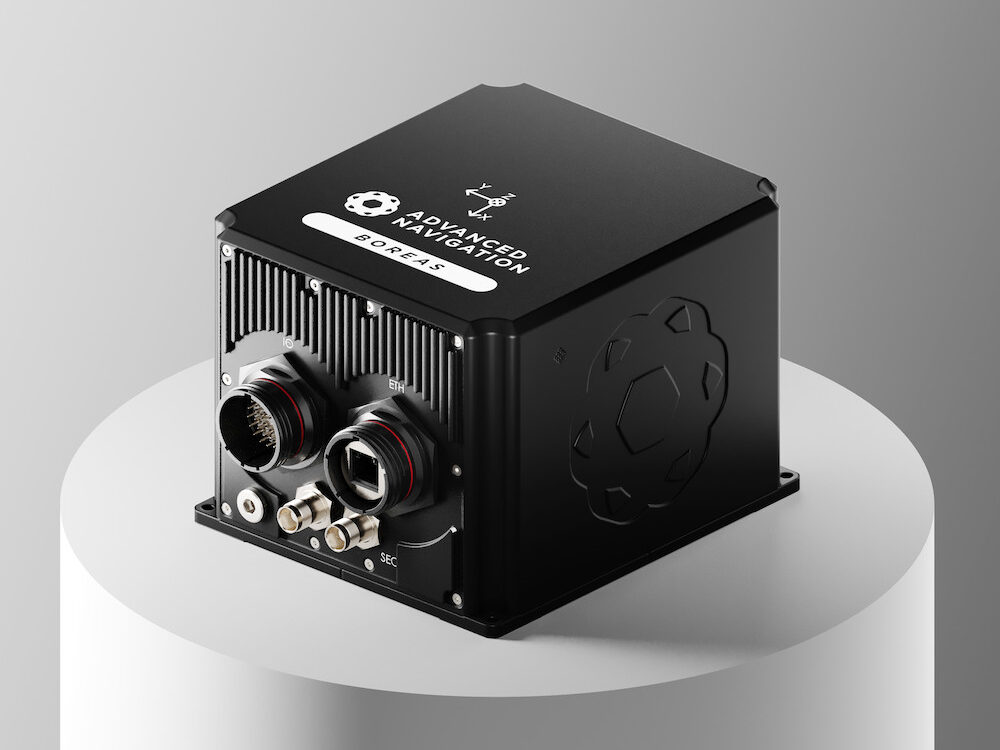
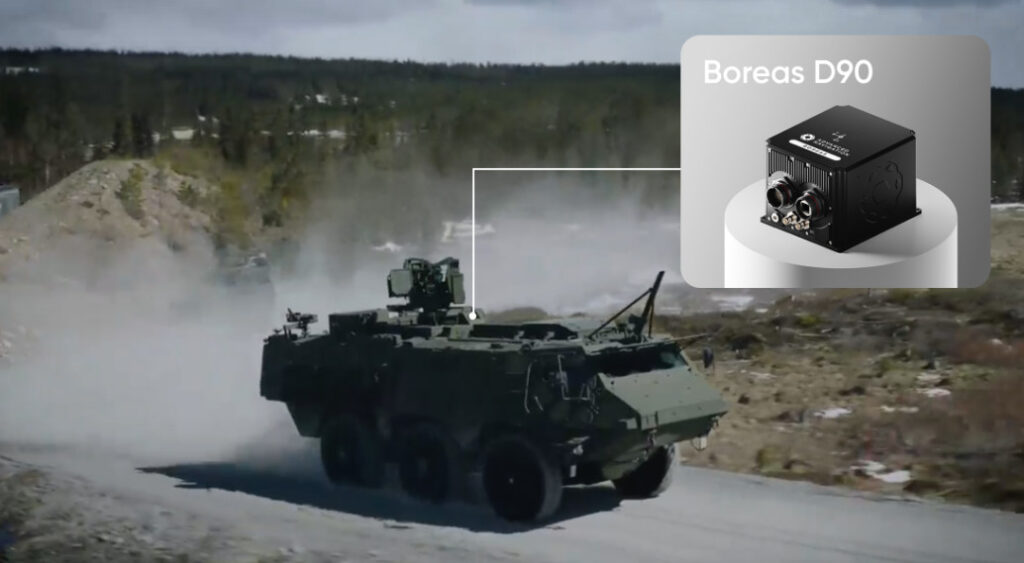
The Boreas D50, D70, and D90 systems use digital Fiber-Optic Gyroscope (FOG) technology to deliver low-noise, high-stability inertial performance.
They provide heading accuracy for applications requiring precise pointing over extended engagement distances, including fixed-site protection and area defense.
Manufacturing and Deployment Considerations
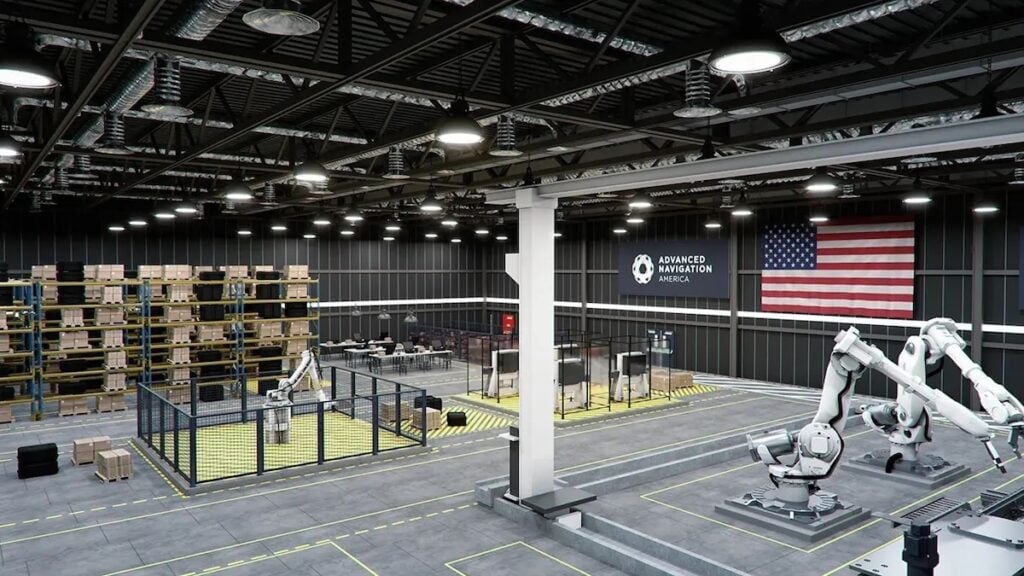
Advanced Navigation supports production through vertically integrated manufacturing, enabling transition from low-rate to full-rate production without design changes. This supports schedule adherence and scalable deployment.
As an ITAR-free supplier, the company enables integration into exportable platforms without ITAR licensing, supporting international deployment and interoperability.
Environmental Performance
The systems are designed to comply with MIL-STD-810H and MIL-STD-461G for environmental and electromagnetic performance. They operate under shock, vibration, temperature variation, electromagnetic interference, and GPS-disrupted conditions.
Supporting Counter-UAS Requirements
Advanced Navigation’s inertial navigation systems provide the heading and attitude data required to maintain synchronization between radar tracking and effector targeting in GPS-denied environments, supporting reliable C-UAS operation.