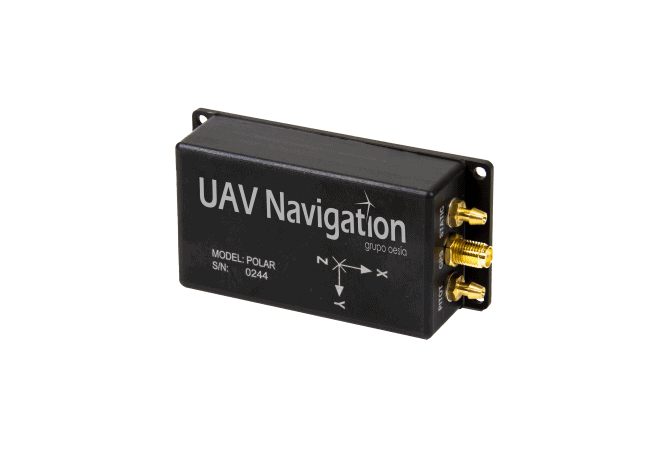
UAV Navigation–Grupo Oesía develops guidance, navigation, and control technologies for unmanned aircraft operating in environments where positioning data and communications cannot be assured.
Its flight control systems are intended to support autonomous mission execution when global navigation satellite system signals or command-and-control links are unavailable, reflecting a growing requirement within defense and security operations.

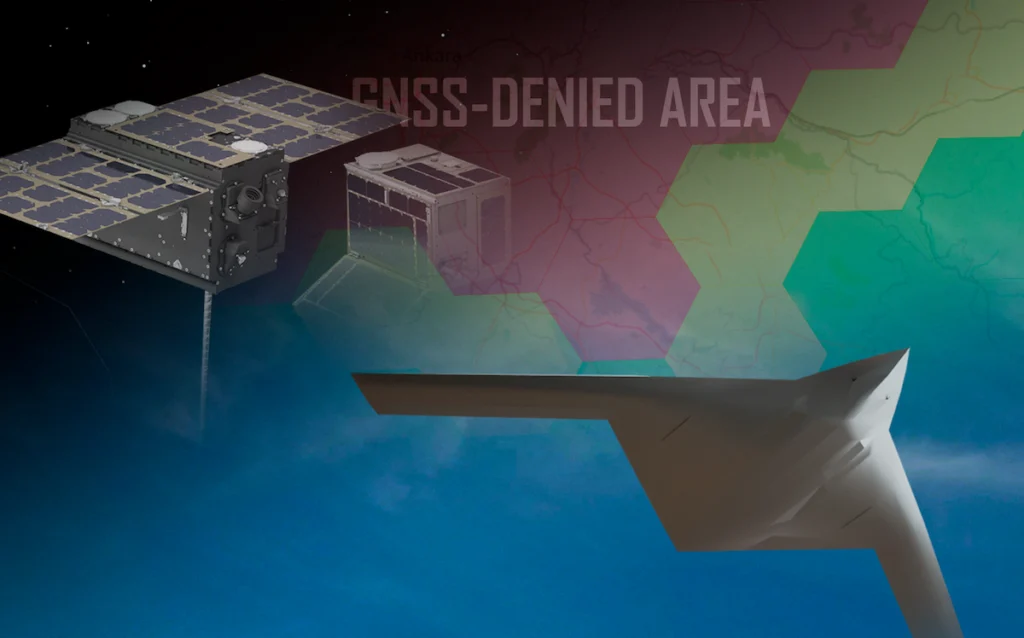
Unmanned Aerial Vehicles (UAVs) are increasingly deployed in contested or remote areas where GNSS signals may be degraded, denied, or deliberately disrupted. At the same time, radio datalinks connecting the aircraft to a Ground Control Station (GCS) can be jammed, obstructed by terrain, or rendered ineffective over extended ranges. When either capability is lost, many unmanned aircraft are unable to continue their assigned missions or return safely.
Several approaches are used to mitigate these challenges. Relay aircraft can extend communications coverage, but this increases mission complexity and cost. First-person view piloting, typically applied to smaller multirotor platforms, relies on continuous, high-bandwidth video transmission and stable radio links, conditions that are often difficult to maintain in operational environments.
Autonomy Without GNSS or Communications
UAV Navigation–Grupo Oesía has engineered its flight control system to operate independently of external positioning signals and continuous operator input. Once a mission is initiated, the system can execute the assigned flight autonomously without GNSS data or a live communications link, allowing the aircraft to continue toward mission objectives without human intervention.
The onboard control architecture incorporates adaptive logic that enables real-time response to changing conditions. The system can adjust flight paths, avoid obstacles, follow predefined routes, and initiate recovery procedures without relying on ground-based guidance. These capabilities are particularly relevant for long-range missions where terrain, distance, or interference limits communications availability.
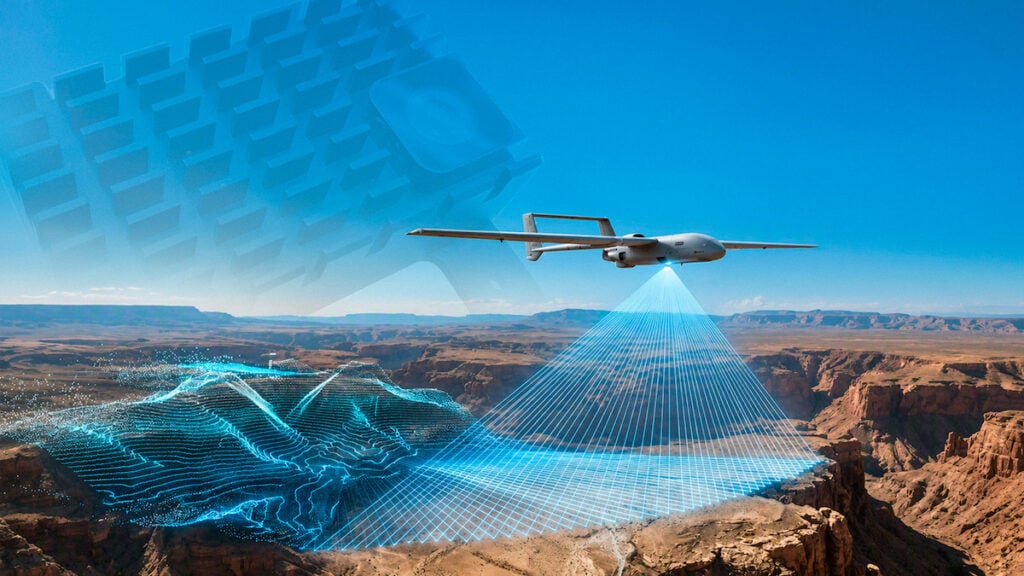
Although cameras and head-up flight displays can support situational awareness, the system does not depend on continuous video streaming. Visual data can be processed onboard to support navigation or target interaction, removing the need to transmit video to a ground station. Missions can also be conducted using only onboard sensors and preloaded instructions, reducing dependence on external infrastructure and limiting the aircraft’s electronic signature.
Designed for Operational Use
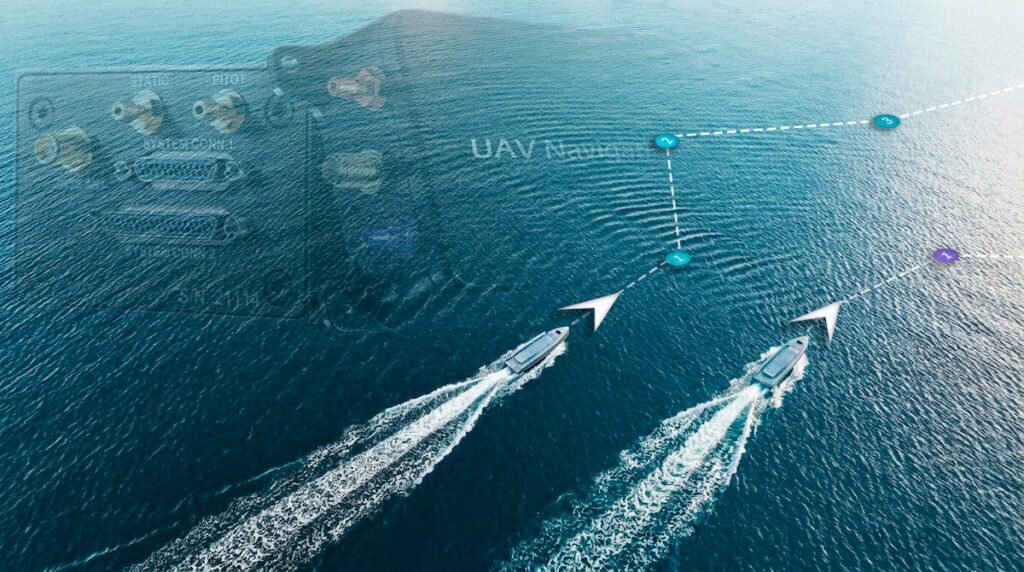
With more than 20 years of experience in the unmanned systems sector, UAV Navigation–Grupo Oesía provides flight control technology that is operationally deployed in demanding environments. The system has been used in real-world missions, including maritime operations characterized by significant electromagnetic interference, where autonomous operation has been maintained despite external disruptions.
As unmanned missions increasingly encounter navigation denial and communications constraints, flight control systems are required to operate with greater autonomy under degraded conditions. UAV Navigation–Grupo Oesía’s flight control architecture reflects these operational demands by enabling continued mission execution when conventional navigation and command-and-control resources are unavailable.
Visit UAV Navigation–Grupo Oesía’s website for more information.