Military Environmental Control Units (ECU) for Expeditionary Structures
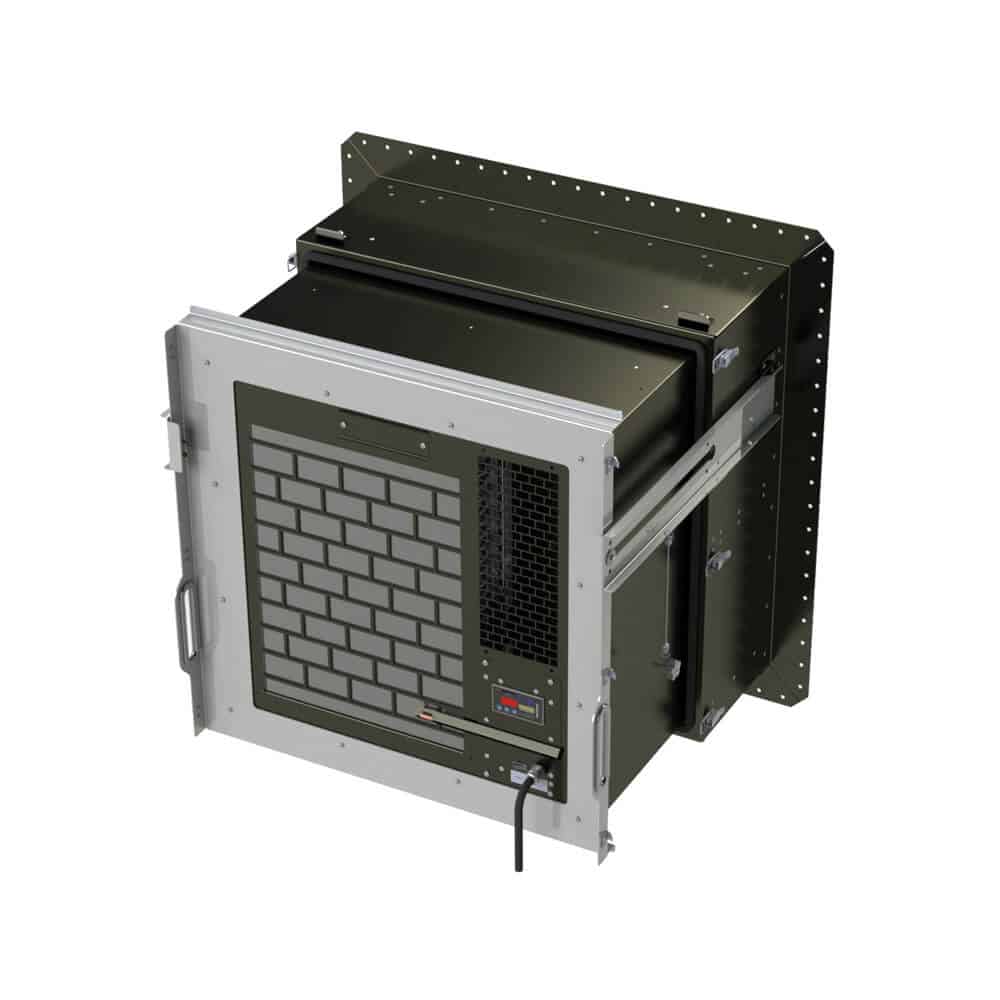
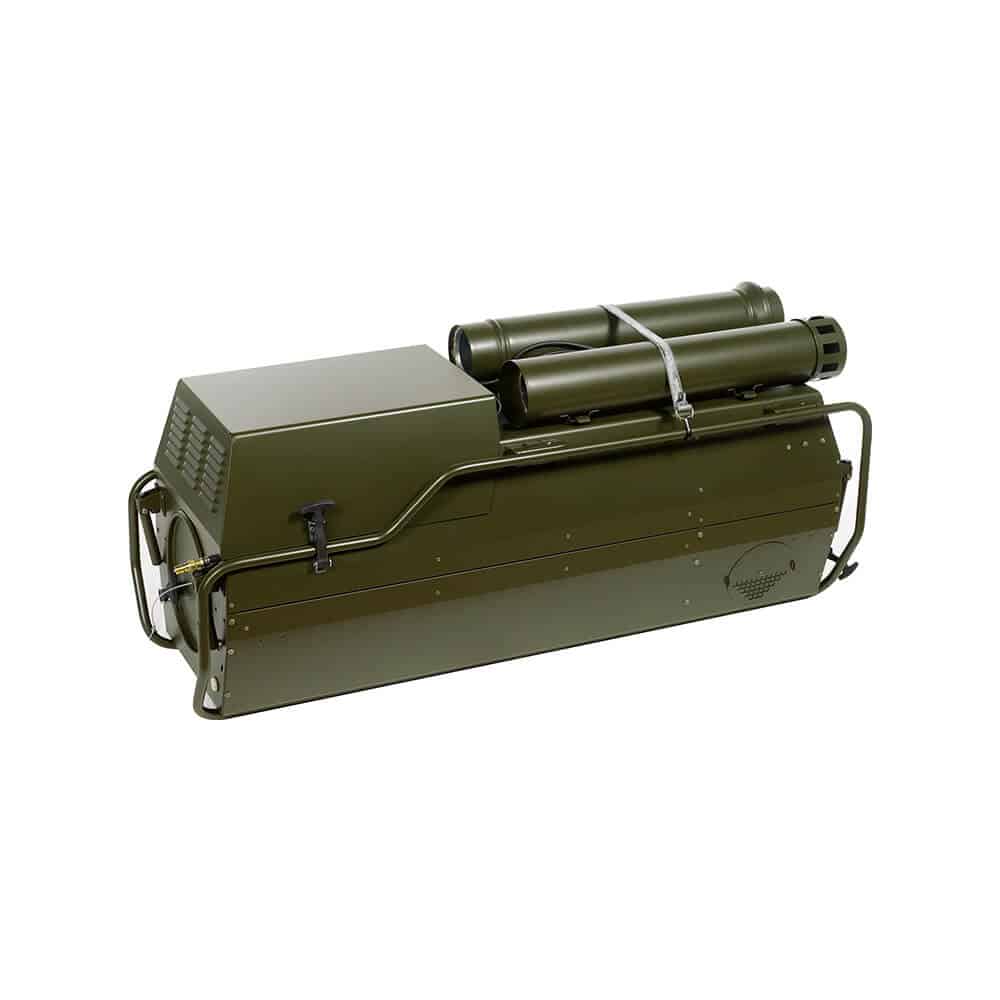
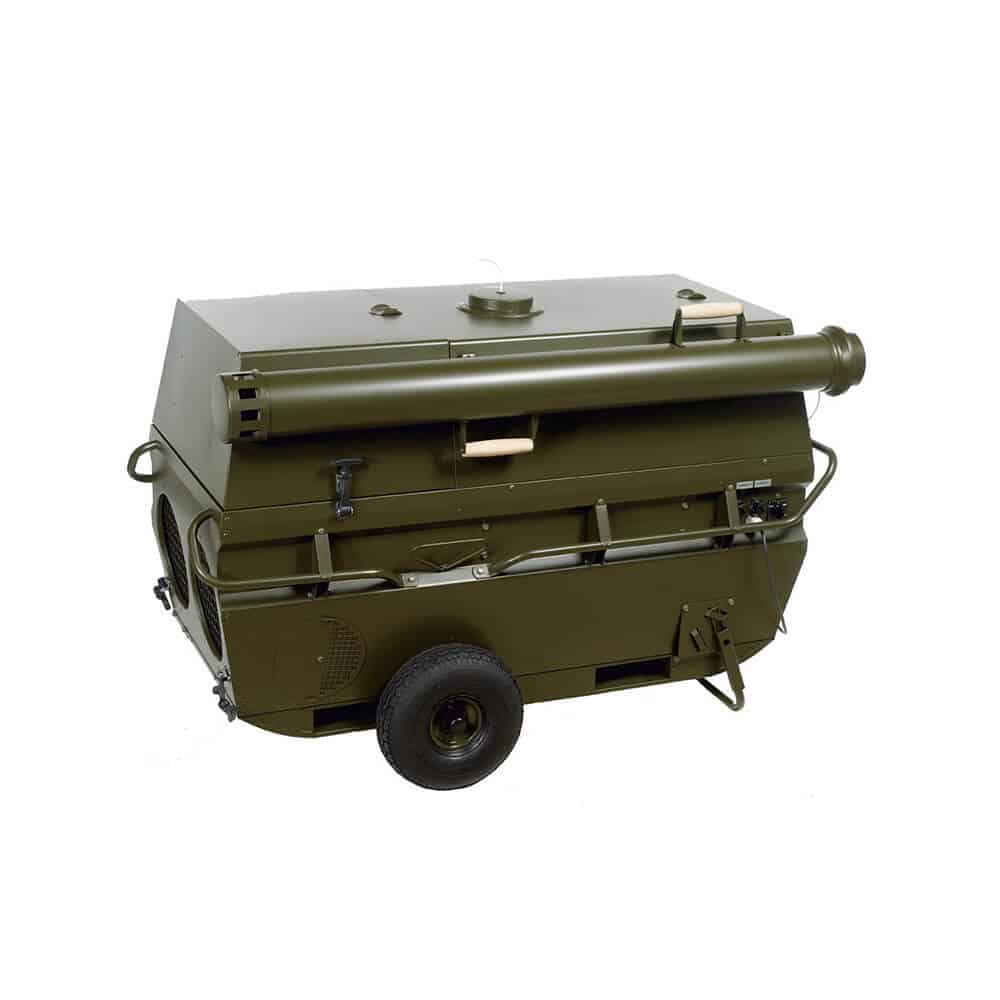
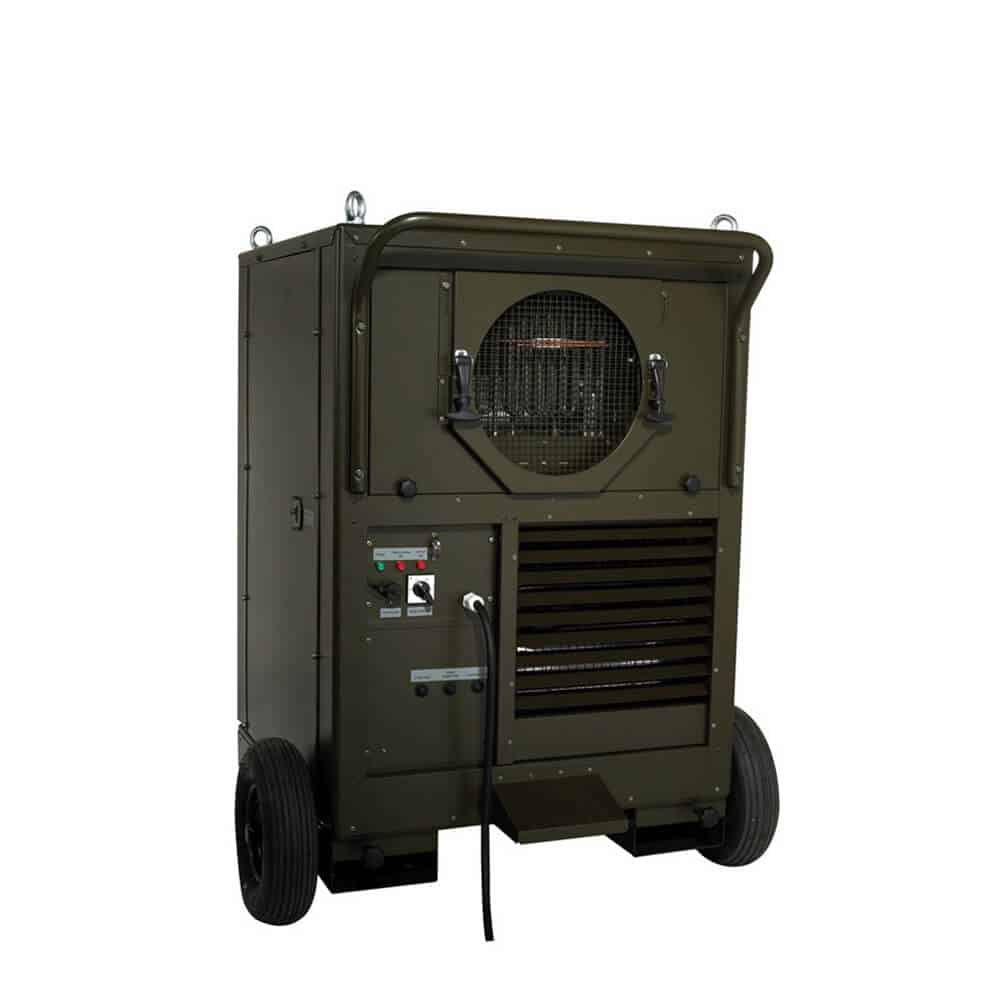
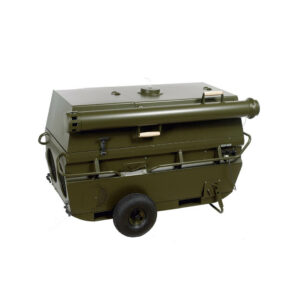
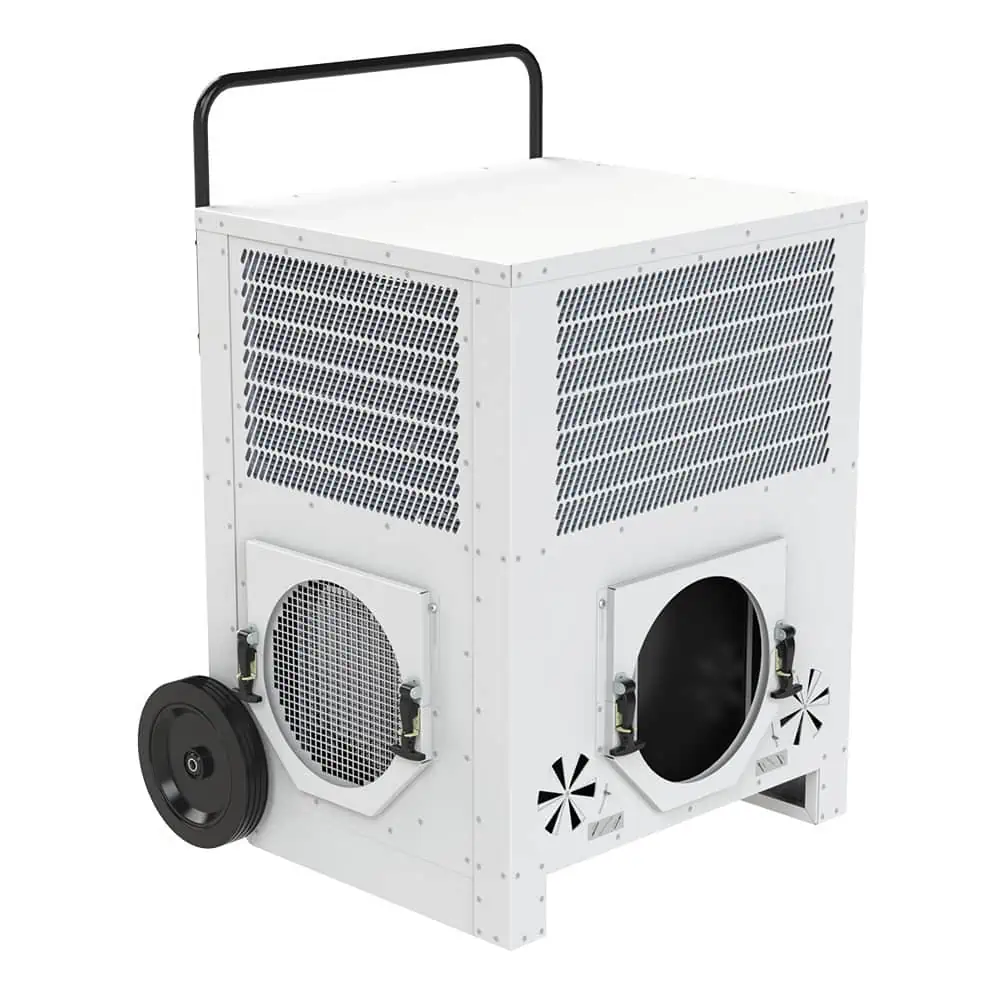
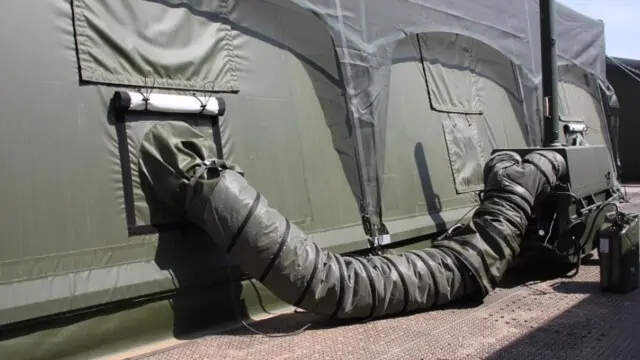
Military Environmental Control Units (ECUs) are ruggedized HVAC systems engineered to regulate temperature, humidity, and air quality within expeditionary structures, tents and temporary buildings.
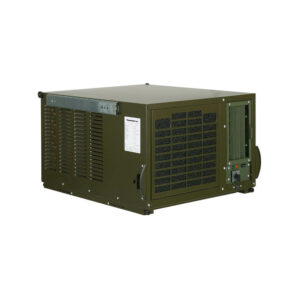
This category details leading providers and manufacturers of military environmental control unit solutions, including split systems and compact horizontal units. The following guide explores the technical considerations for specifying mil-spec environmental control units within defense applications.
If you design, build or supply Environmental Control Units (ECU), create a profile to showcase your capabilities and connect with visitors who have an active requirement for your solutions.
Military Environmental Control Units (ECU) for Expeditionary Structures
Overview by
Sarah Simpson
Updated:
Deployable defense infrastructure requires high performance systems capable of maintaining thermal stability under harsh operational conditions. A military environmental control unit serves as a specialized class of military hvac hardware engineered to sustain operational readiness. These systems regulate temperature, humidity, and air quality within expeditionary structures, tents, and temporary buildings located directly on the battlefield. By delivering continuous military climate control, these assets mitigate environmental variables that could otherwise compromise electronic systems or personnel endurance.
A field-deployed military ecu is a critical support asset. It must remain fully operational following transport shock, generator power fluctuations, severe dust exposure, and rapid redeployment cycles. Thermal management directly affects personnel heat stress levels, medical care efficacy, and the reliability of electronic equipment. From command operations to battery charging and tactical storage stability, consistent military environmental control is a prerequisite for mission success.
The Role of Military ECUs in Deployable Shelter Infrastructure
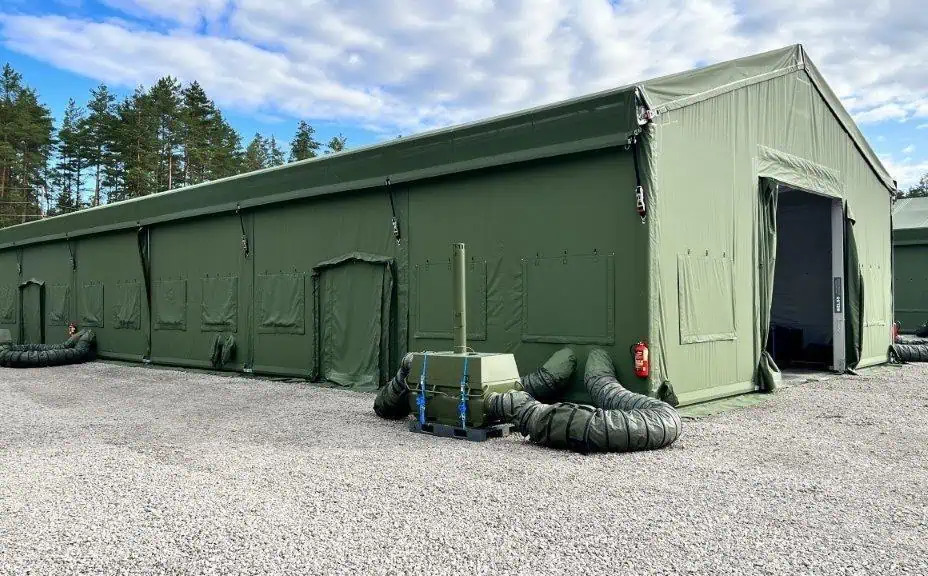
The integration of a mil-spec ecu varies significantly depending on the shelter design. In a soft-wall tent, the system must compensate for limited thermal insulation, high air leakage, direct solar loading through the fabric, and variable ground sealing. Conversely, rigid shelters and modular buildings present a more predictable thermal profile but often introduce high internal heat loads from servers, communications racks, and displays.
Operational requirements dictate specialized configurations depending on the mission profile:
Accommodation Shelters: The military ecu protects army personnel from extreme heat and cold stress, sustaining baseline endurance.
Command Posts and Tactical Operations Centers: Specialized temperature control units stabilize the microclimate for high-density computing assets and communications infrastructure.
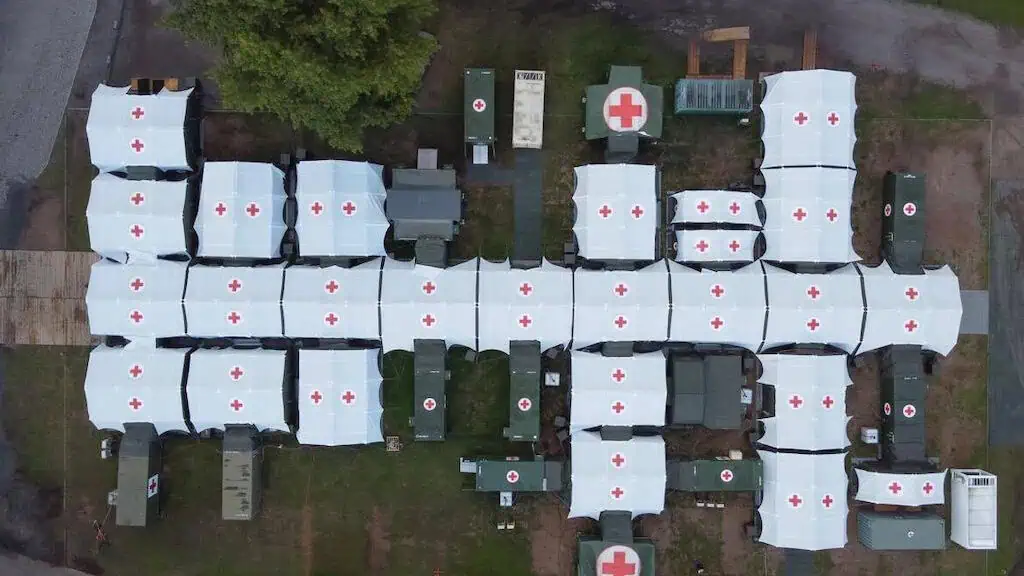
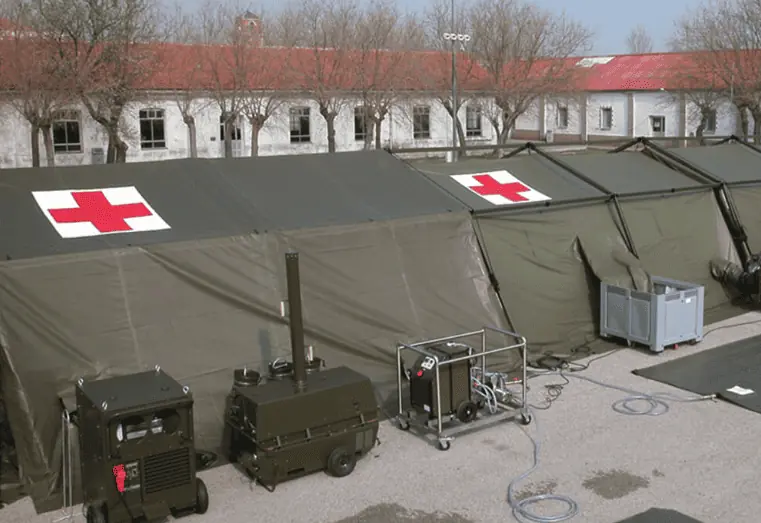
Medical Shelters and Field Hospitals: The system maintains strict infection-control procedures, patient comfort, and clinical equipment calibration.
Maintenance and Storage Facilities: Precise environmental regulation prevents corrosion, condensation, and humidity-induced degradation of tools, optics, and weapon systems.
Engineering a complete solution requires evaluating the military hvac asset as an integrated component of the entire shelter ecosystem. Its cooling capacity, power draw, ducting configuration, filtration efficiency, and acoustic signature must be matched to the structural parameters of the facility. Depending on the specific deployment layout, the system may provide cooling only, heating only, or combined cooling, heating, air circulation, and dehumidification.
Typical Deployment Environments and Applications
Deployable climate control solutions must support operations across a diverse geographical and logistical matrix. Rugged hardware is routinely deployed within expeditionary camps, forward operating bases, and mobile communications nodes.
Beyond standard military deployments, these portable systems are vital during disaster-response and humanitarian-assistance operations. In these scenarios, an air conditioner or heater must operate reliably via temporary generators, variable power frequencies, and unpredictable site layouts without dedicated technical support teams.
Key Engineering Considerations for Procurement
Cooling Capacity and Rating Conditions
Cooling capacity is measured in BTU/hr, kilowatts (kW), or refrigeration tons. Because one refrigeration ton equals exactly 12,000 BTU/hr, a nominal 5-ton system delivers 60,000 BTU/hr under standardized conditions. However, a rating devoid of context is meaningless for defense procurement.
Engineers must evaluate cooling performance at actual operational design points. A system rated for 60,000 BTU/hr at moderate ambient levels will experience degraded performance at ambient temperatures exceeding 50°C. Specifiers must analyze capacity curves against variables including outside air temperature, return-air temperature, relative humidity, altitude, and power frequency.
Heating Capacity and Thermodynamic Efficiency
Heating systems generally utilize electric resistance, heat pumps, or fuel-fired burners. Electric resistance heating is highly reliable and easy to regulate, but it maintains a rigid one-to-one relationship between electrical input and thermal output. A 15 kW heater demands 15 kW of electrical power before accounting for fan and control overhead, imposing a substantial fuel burden on camp generators.
Heat-pump configurations provide high performance efficiency under moderate conditions, but their capacity drops sharply as ambient temperatures plummet. This sub-zero degradation occurs due to reduced refrigerant mass flow and falling compression ratios within the circuit. Additionally, defrost cycles can interrupt continuous heating, requiring careful evaluation for damp, freezing environments. Fuel-fired heating bypasses electrical generator constraints but requires robust combustion safety mechanisms, exhaust routing, and total isolation from shelter air intakes.
Airflow Rate and External Static Pressure
Airflow rates, measured in cubic feet per minute or cubic meters per hour, govern the speed of thermal distribution and the efficiency of energy transfer across the evaporator or heating element. External static pressure dictates the system’s ability to overcome resistance outside the cabinet, including supply and return ducts, fabric sleeves, bends, and CBRN filtration interfaces. A portable air conditioner connected to short, straight runs will deliver radically different performance compared to one driving air through long, flexible, multi-branch duct networks.
Mil-Std Climate Control and Environmental Ruggedization
Hardware destined for the battlefield must undergo severe environmental testing. MIL-STD-810H serves as the foundational framework for tailoring environmental engineering processes to specific life-cycle stresses. Achieving true mil-std climate control compliance involves rigorous verification. Procurement specifications must reference specific testing protocols rather than generic military grade labels:
High Temperature: MIL-STD-810H Method 501.7 determines operational limits under intense solar loading.
Low Temperature: MIL-STD-810H Method 502.7 verifies material integrity and starting capabilities in arctic zones.
Sand and Dust: MIL-STD-810H Method 510.7 ensures seals protect internal electronics from abrasive particle ingress.
Shock and Vibration: MIL-STD-810H Methods 514.8 and 516.8 evaluate structural survivability during cross-country transport and repeated handling.
Marketplace Landscape: Military Environmental Control Units
The market for defense-grade climate control focuses on rugged, deployable systems designed for forward operating bases, mobile command facilities, and temporary infrastructure. These units are procured as commercial-off-the-shelf (COTS) items, modified-COTS systems, or custom engineered sub-systems integrated directly into shelter packages that feature plenums, power distribution, cable assemblies, and palletization features.
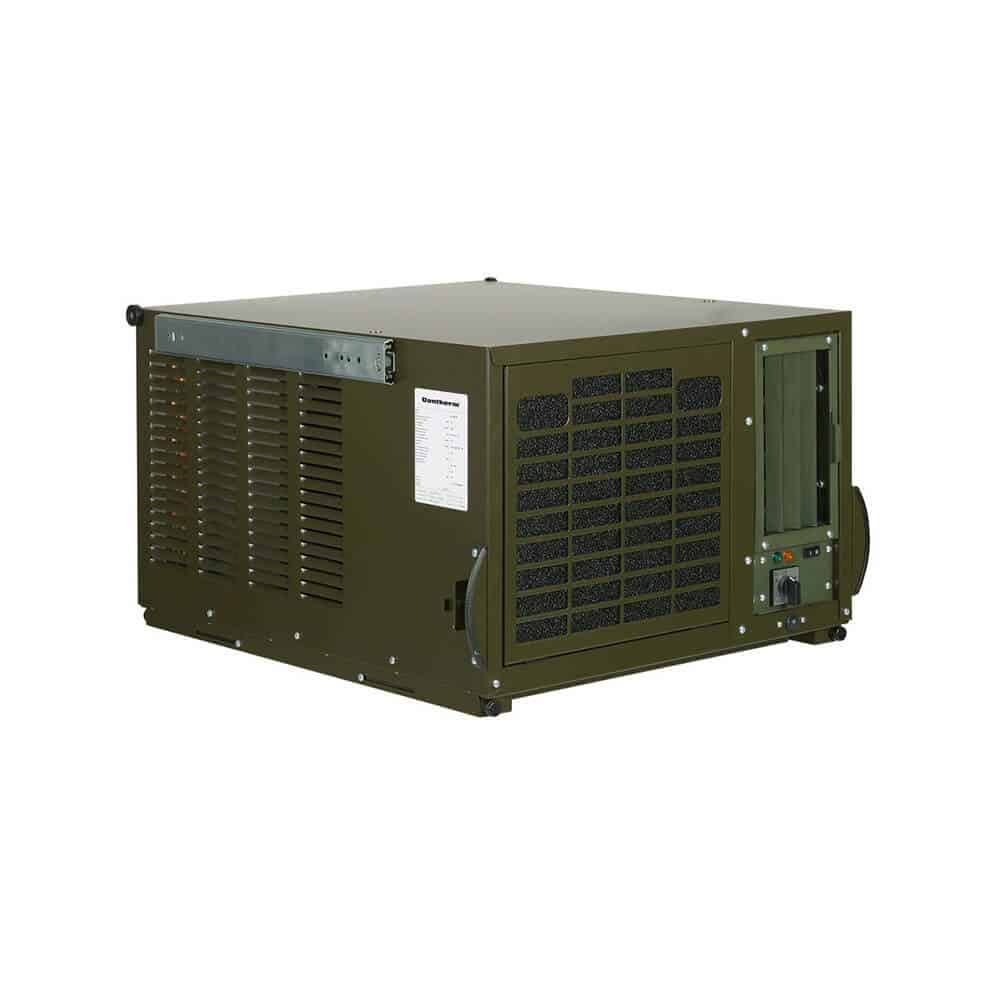
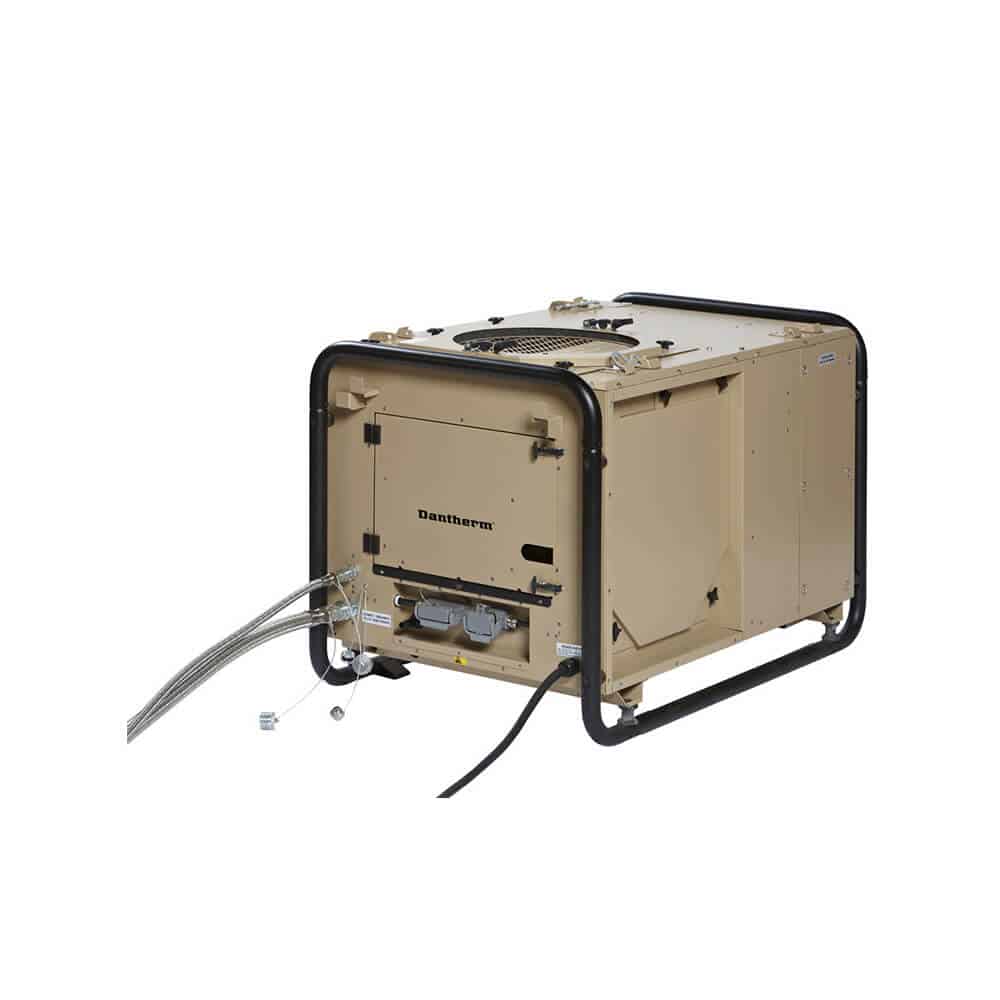
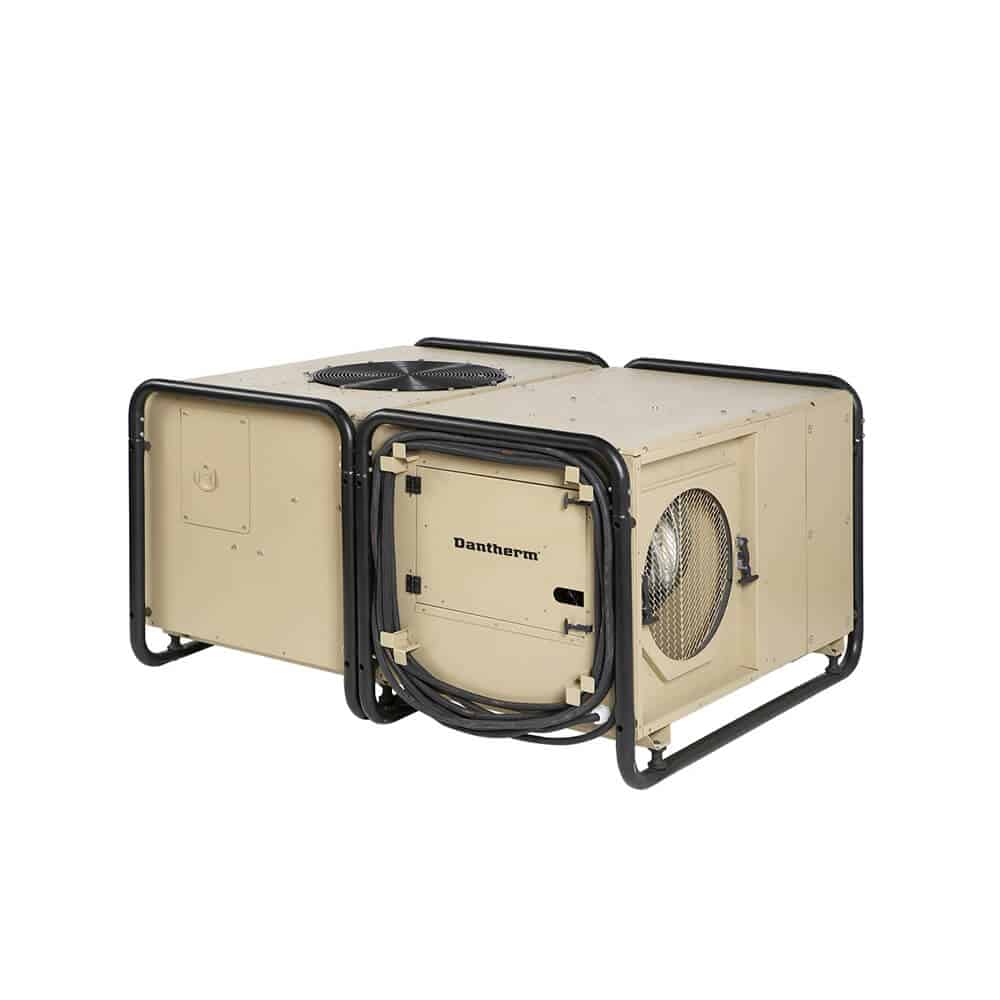
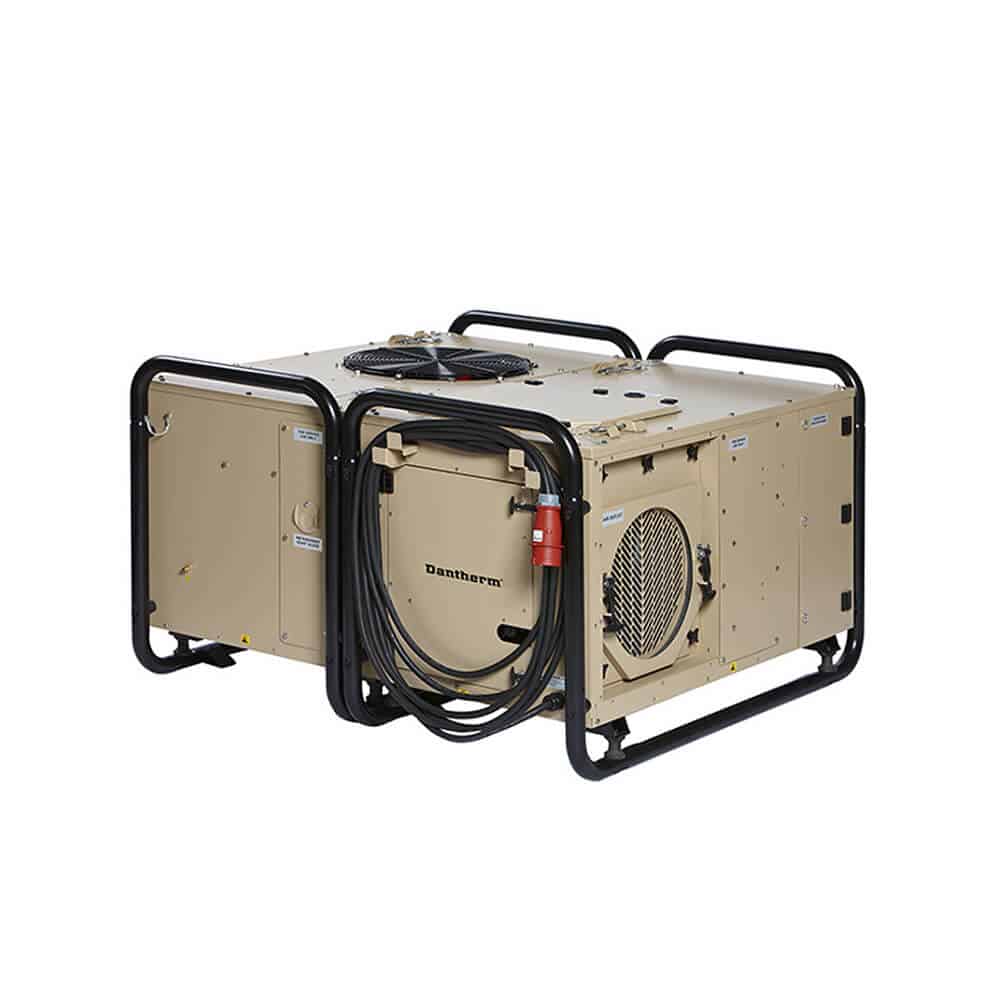
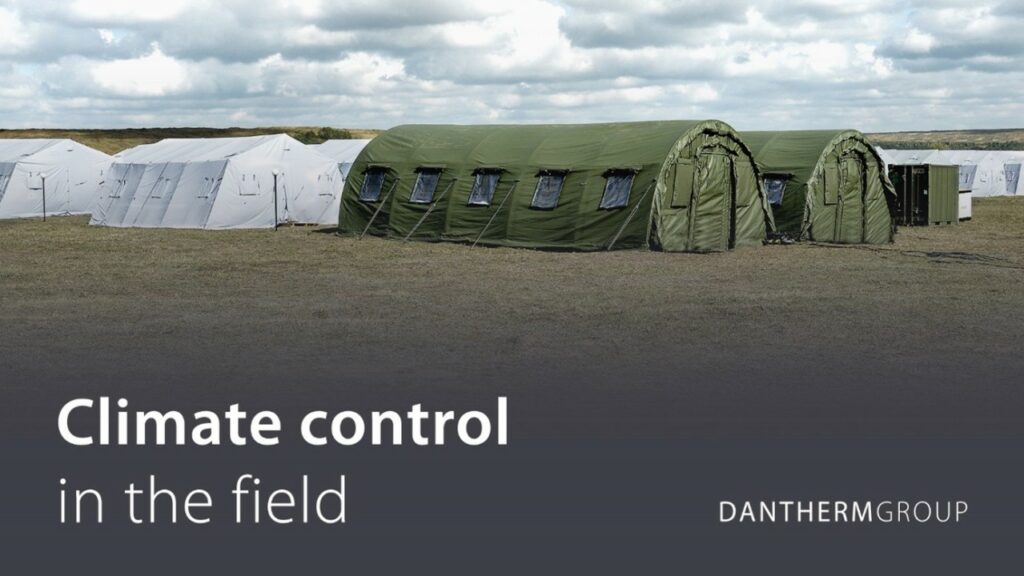
Dantherm Group manufactures mobile air conditioning, heating, and dehumidification systems engineered for defense and humanitarian infrastructure. Their tactical product portfolio includes the AC-M-series military tent coolers and container climate control assets, featuring 7 kW, 10 kW, 11 kW, and 18 kW capacity configurations tailored for high-insulation shelters and CBRN/COLPRO applications.
HDT Global specializes in expeditionary infrastructure, manufacturing shelters, generators, and ruggedized environmental control systems. Their product lineup includes specialized 5-ton military environmental control units built to maintain cooling performance inside deployable military shelters subject to high ambient temperatures, blowing sand, and torrential rain.
Alaska Defense / Alaska Structures
Alaska Defense manufactures military shelters alongside the integrated Alaska ECU product line. By providing custom environmental control units designed as a cohesive ecosystem, they optimize logistics compatibility and thermal efficiency across expeditionary camps and field hospitals.
Advanced Cooling Technologies (ACT) / Tekgard
Advanced Cooling Technologies engineers rugged hvac systems under the Tekgard brand. Their custom and modified-COTS shelter temperature control units are fielded across ground-support applications, command centers, and specialized mobile defense programs requiring tight thermal tolerances.
CMCA Integrated Systems
CMCA Integrated Systems designs ruggedized environmental control and power generation systems for international defense forces. Their mobile air-conditioning architectures support rapid-deployable containerized infrastructure, radar shelters, personnel accommodation, and military aircraft hangars.
TAT Technologies
TAT Technologies develops advanced aerospace and defense thermal management hardware. Their 5-ton military ecu utilizes a heavy-duty welded aluminum cabinet designed to balance demanding performance-to-size constraints within compact military platforms and mobile infrastructure.
TENTAIR
TENTAIR designs configurable, portable environmental control units for tents, base camps, and military hangars. Their technical focus rests on custom integration, allowing specifiers to adapt airflow, power configurations, and structural footprints to highly specific mission constraints.
Selecting a Military Environmental Control Unit Supplier
The directory at the top of this page features leading global manufacturers of military environmental control systems and should be used to qualify ECU vendors against specific mission or application requirements. Compare equipment capacities, environmental testing compliance, and structural form factors to ensure operational readiness and long-term mission success.
Dantherm Group will attend AUSA 2025 in Washington, D.C., to showcase its mobile, energy-efficient heating and cooling systems that provide reliable climate control for tents, containers, and other deployable military structures
Dantherm is participating in MSPO and DSEI 2025 to present its mobile NATO-listed heating, ventilation, and air conditioning (HVAC) solutions for military and defense applications
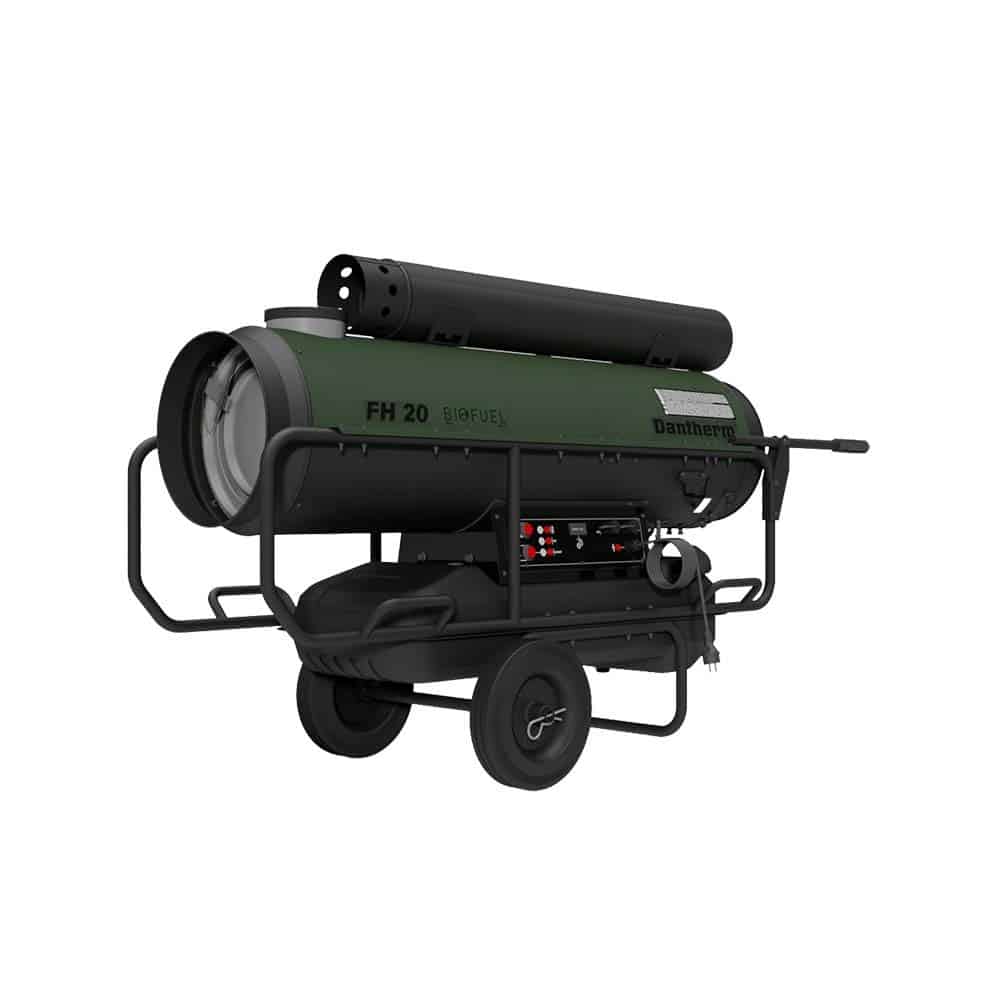
Dantherm delves into how its FH 20-40 rugged and durable portable heater series is ideal for medical, defense, and emergency organisations that rely on dependable heating solutions
BELSS and Dantherm are collaborating to deliver advanced climate solutions that ensure optimal living conditions for military personnel in harsh environments, with Dantherm supplying robust portable heating and cooling units
Fini Gleitze Nielsen Business Unit Director at Dantherm Group, talks to Defense Advancement about fulfilling the complex cooling and heating needs of the military and humanitarian sectors around the world
Expected ready for delivery in Q3 2024, Dantherm’s new high-performance AC-M6 air-conditioning solution offers humanitarian organizations cost-effective cooling for refugee camps, mobile hospitals, clinics and more
The integrated, expeditionary, Command, Control, Communications and Computing platform is multi-mission capable and enables warfighters to plan and execute a variety of missions at geographically dispersed and austere locations
The latest defense technology news, straight to your inbox.
Get our weekly roundup of technology developments, new products and industry news.
THANK YOU FOR SIGNING UP
Thanks for joining us. Check your inbox.
We've sent you an email. Click the confirmation link to complete your subscription to the weekly eBrief. In the meantime, explore the latest news, suppliers and technologies on DA.
Advancing Defense Capability Through Strategic Collaboration
Defense Advancement works with major OEMs to foster collaboration and increase engagement with SMEs, to accelerate innovation and drive defense capabilities forward.