


Teledyne Marine successfully demonstrated its advanced sonar technology during the SeaSEC Harbour Protection Challenge Day held in Gothenburg, Sweden, in early February 2026.
The exercise focused on the detection and tracking of underwater threats within port environments and served as a real-world prelude to the company’s participation in the Navy Tech & Seabed Defence 2026 event. During the one-day trial, the SeaBat F50 forward-looking sonar was deployed on a seabed frame to monitor vessel and underwater vehicle activity. The primary scenario involved the detection, tracking, and visualisation of Unmanned Underwater Vehicles, including both autonomous and remotely operated models.
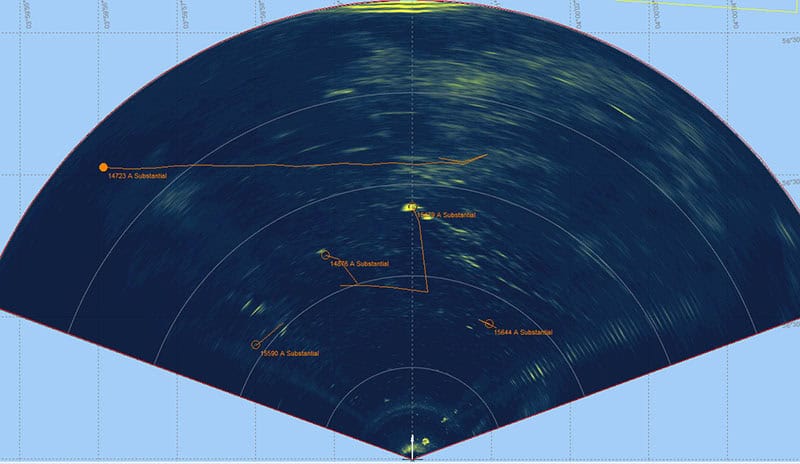
The SeaBat F50 was designed for underwater situational awareness, featuring a wide swath that covered up to 140 degrees horizontally. This wide coverage and a high ping rate allowed the system to provide high-resolution, real-time imagery essential for the protection of harbours and critical underwater infrastructure.
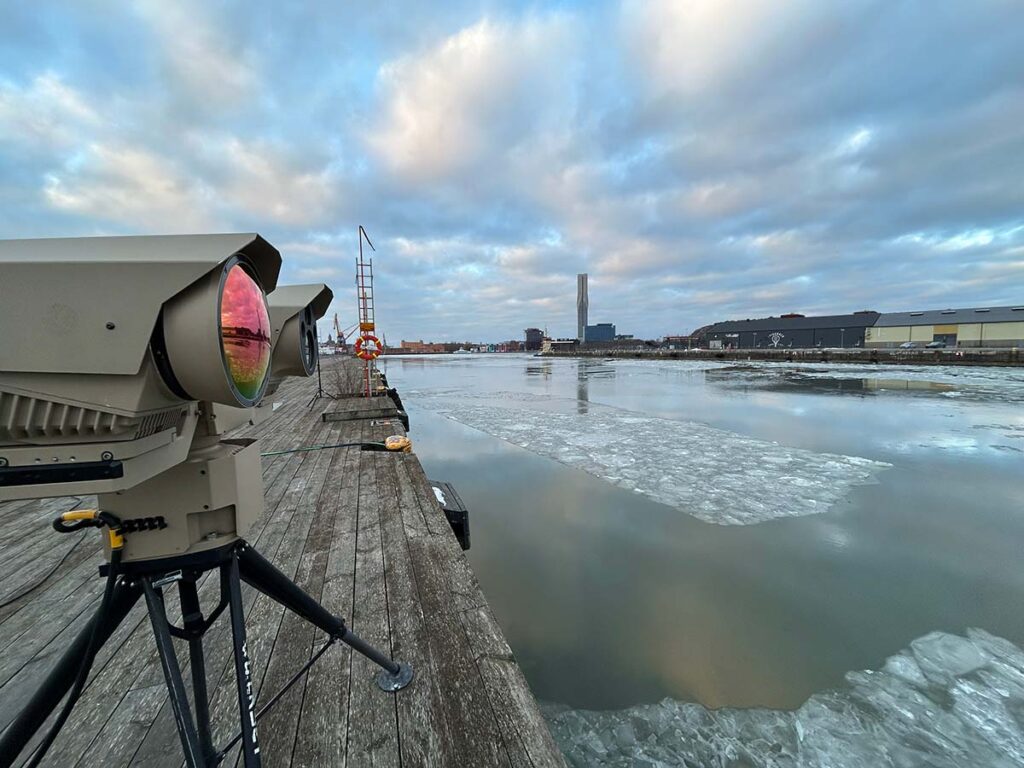
Morten Bernsdorf, Senior Project Manager at Teledyne Marine, stated, “During the SeaSEC Harbour Challenge, the SeaBat F50 delivered a clear, real-time view of underwater activity in a busy harbour setting. Combined with a Teledyne FLIR thermal imaging camera, we were able to detect, track and follow underwater vehicles as they moved through the area. These exercises allow us to prove our technology in realistic conditions and refine how multi-sensor approaches can strengthen harbour defence.”
Following the harbour trial, the company showcased the SeaBat F50 at the Navy Tech & Seabed Defence exhibition from 3–5 February. The event marked the debut of the Compact Navigator, which was presented as the world’s smallest and highest-performing fully integrated autonomous navigation solution. Its ultra-compact form factor was engineered to enable inspection and survey applications for small vehicles that were previously unachievable.
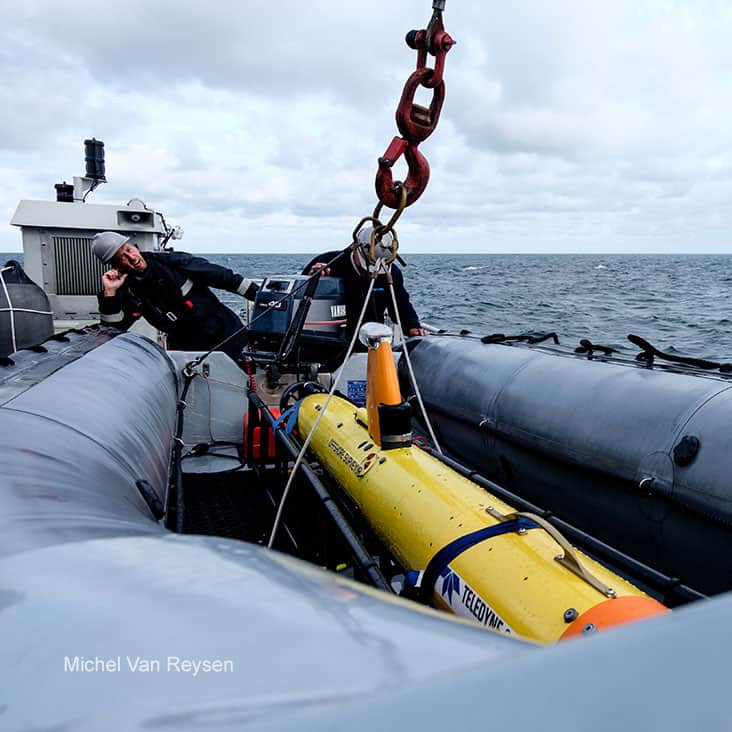
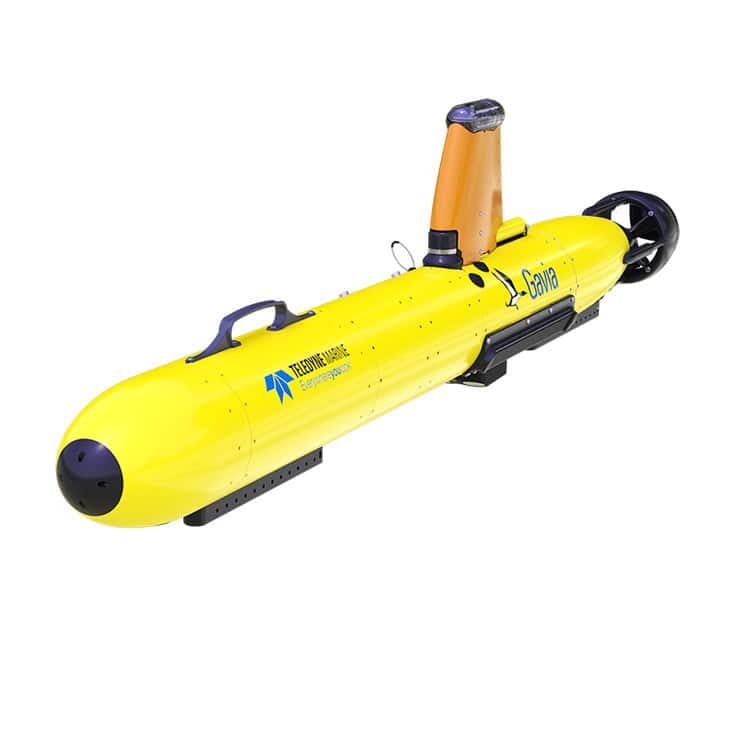
Other technologies featured in the company’s portfolio included a passive acoustic monitoring system, the Gavia Autonomous Underwater Vehicle (AUV), and a Gavia Module equipped with an integrated SeaBat T20 sonar.
Technical experts delivered two presentations during the opening day of the event. Thomas W. Altshuler, Ph.D., Senior Vice President, Global Maritime Defence Strategy and Business Development, discussed emerging unmanned underwater vehicle and sensor technologies for defensive and offensive subsea and seabed warfare. Additionally, Ed Cheesman, Business Development Director for Defence and Security, presented on the enablers and blockers regarding the rapid scale-up of maritime unmanned systems. Throughout the event, delegates engaged with these specialists to discuss technical insights and data gathered during the SeaSEC challenge.