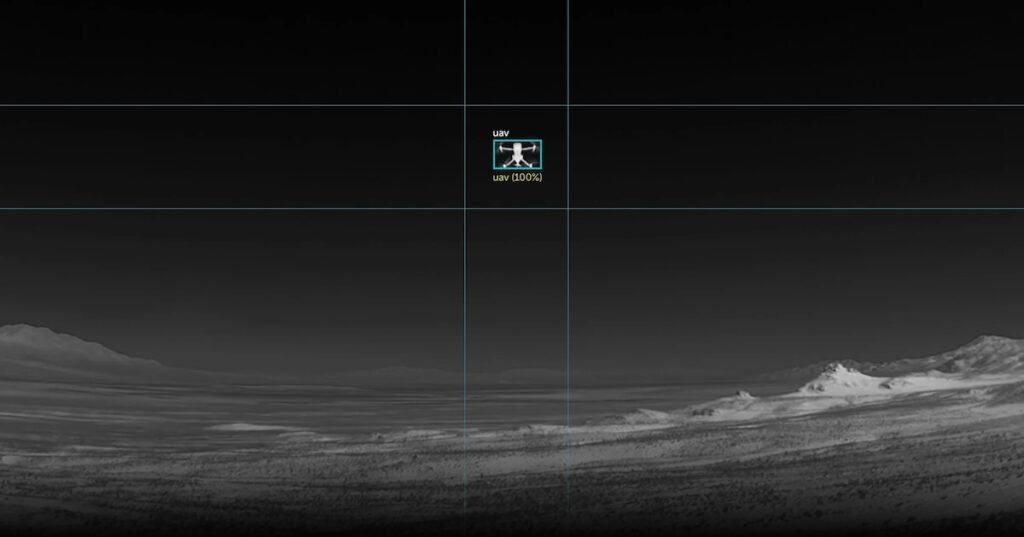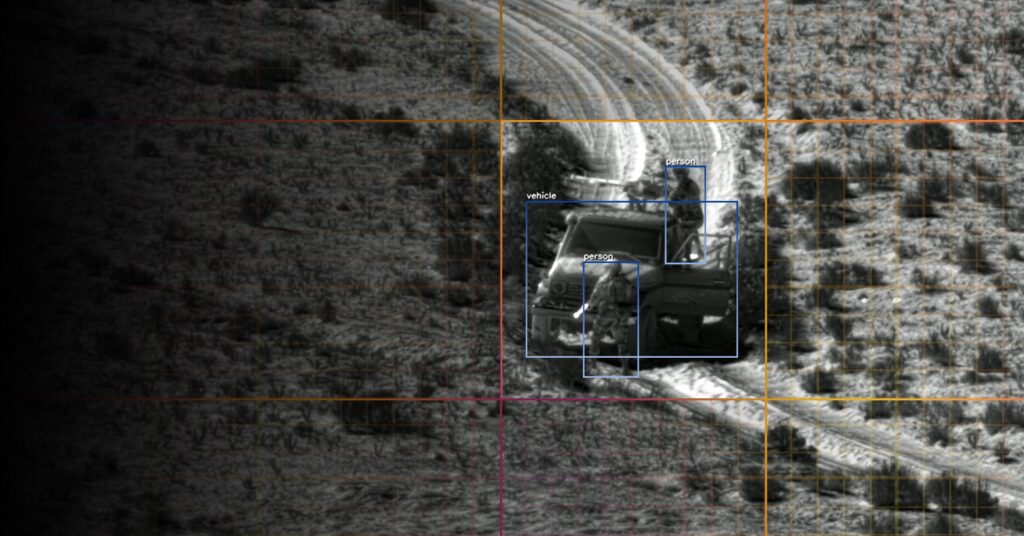




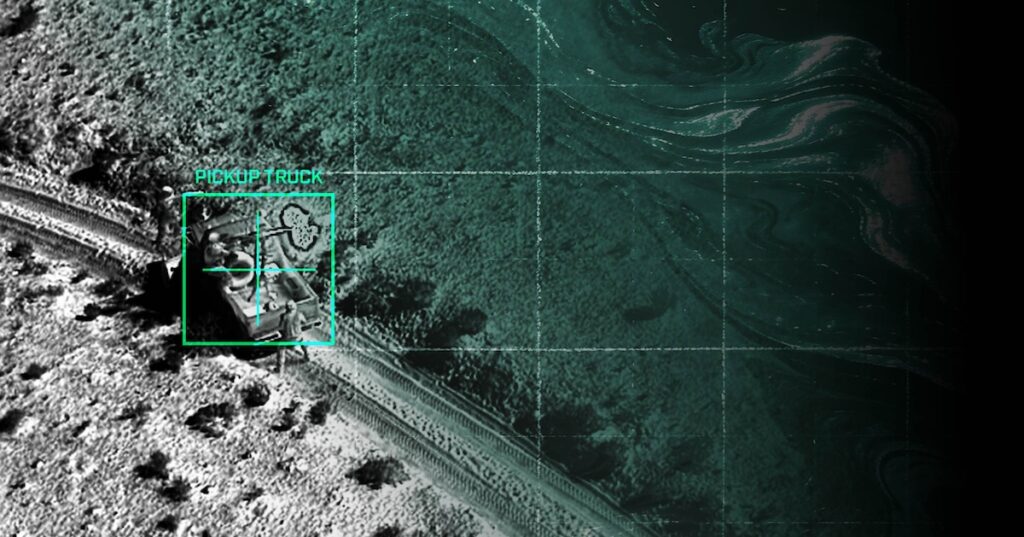
Teledyne FLIR OEM has released a significant upgrade to its Prism™ SKR software, evolving the technology from an automated targeting tool into a comprehensive, closed-loop autonomy platform for guided weapon systems.
The milestone update unifies mission execution and intelligent supervision within a single platform, serving a broad range of defense applications including loitering munitions, Air-Launched Effects (ALE), Counter-Unmanned Aircraft System (C-UAS) platforms, attritables, and First-Person View (FPV) drones.
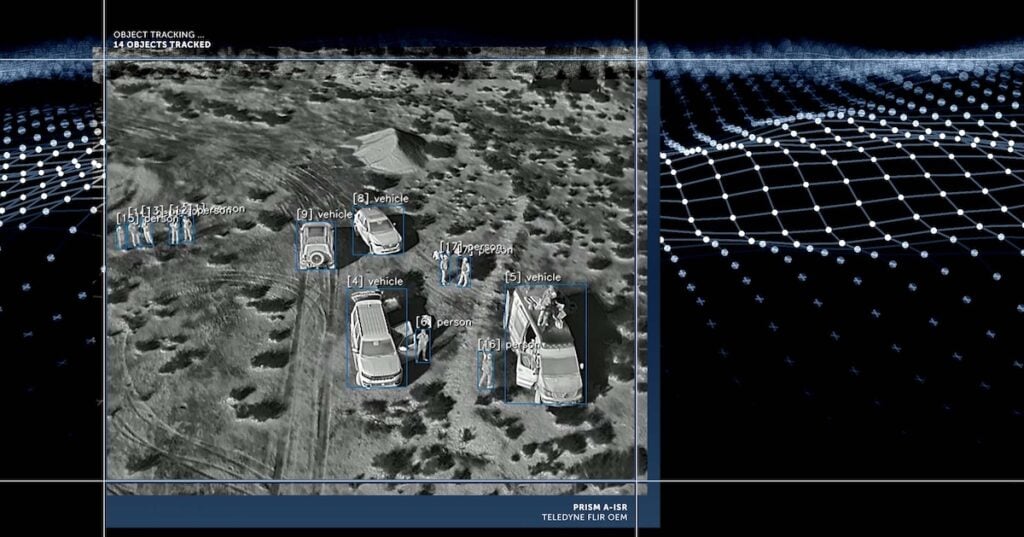
The software is designed to manage the entire mission lifecycle, from initial tasking through to final execution, by providing perception-based Automatic Target Recognition (ATR) and autonomy.
Key enhancements include 3D interactive aimpoint selection, terrain-aware operations, and pixel-lock targeting, with precise, persistent Re-Identification (ReID) tracking that maintains target lock through signal degradation or loss. Pixel-lock targeting is particularly critical in the terminal phase of FPV drone missions, helping ensure precision autonomy in the final meters where manual control often fails due to interference.
Together, these capabilities support a transition from AI-assisted FPV handoff to fully autonomous mission execution across air-to-ground, ground-to-air, air-to-air, and ground-to-ground mission profiles.
Jared Faraudo, vice president of product management at Teledyne FLIR OEM, commented, “The upgraded Prism SKR represents a significant leap forward by unifying execution and intelligent supervision to provide operators with greater mission confidence. By integrating advanced mission scripting with support for AI-accelerated development and execution compatible with large language model (LLM) tools like GitHub Copilot, we are enabling developers to plan and task systems at the speed of intent, while the QGroundControl plugin ensures these capabilities fit naturally into existing operator workflows.”
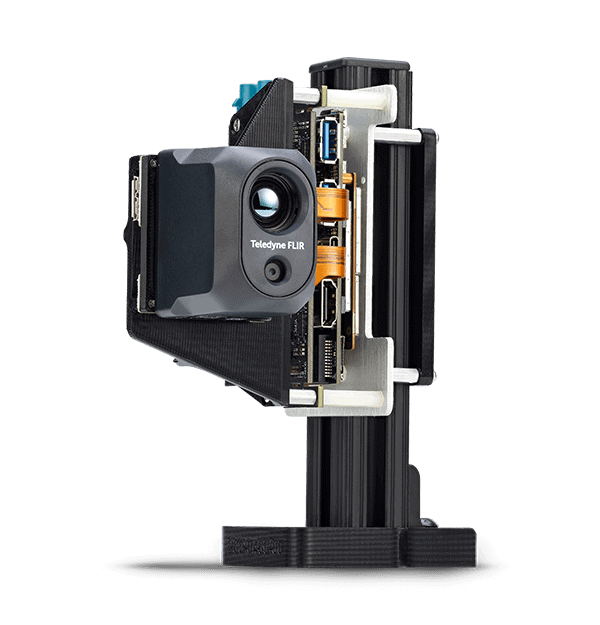
Engineered for rapid deployment by OEMs, Prism SKR operates at the edge on low-power embedded platforms. It is compatible with NVIDIA® Orin™ and Teledyne FLIR OEM’s AVP System-On-Module (SOM), based on the Qualcomm Dragonwing™ QCS8550.
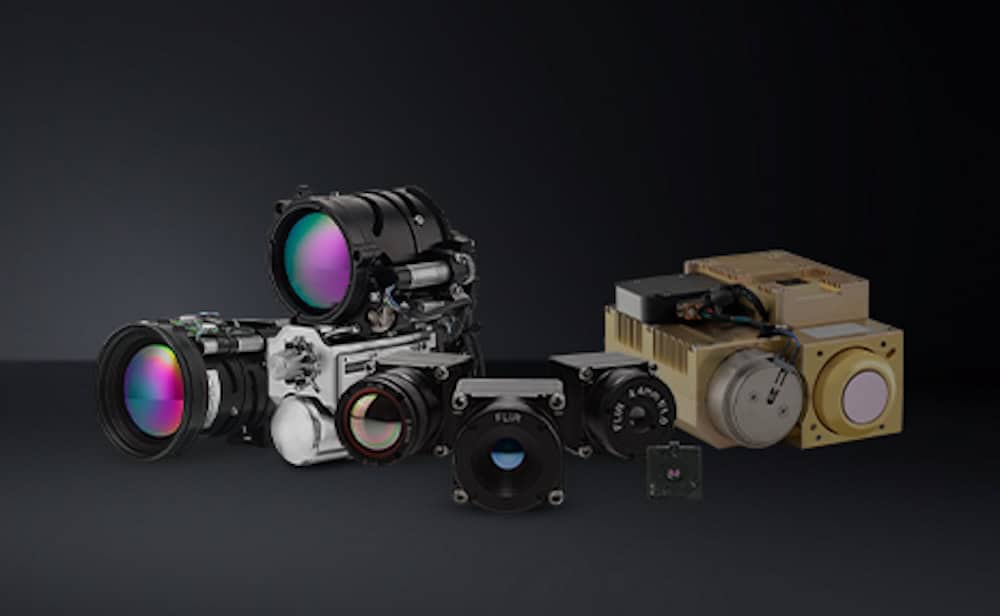
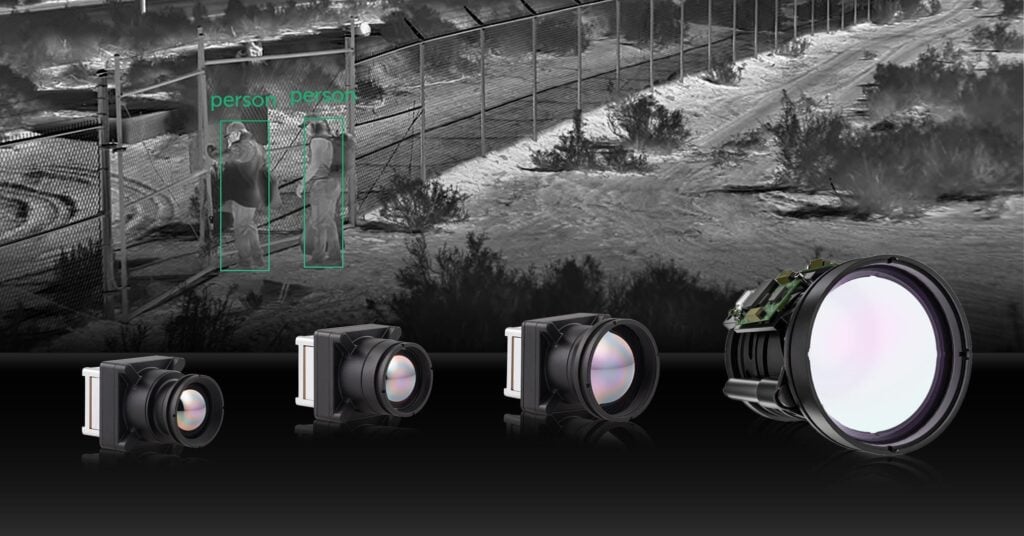
The software is Weapon Open Systems Architecture (WOSA) compliant and integrates with Boson® and Neutrino® infrared cameras, alongside integrator-selected visible sensors, to deliver real-time target tracking and system state data.
Teledyne FLIR OEM, a division of Teledyne Technologies Incorporated, provides an Application Programming Interface (API) and Software Development Kit (SDK) with the platform. These tools are intended to reduce development risk and accelerate deployment while enabling performance optimization and customization.