Venturetec Rotating Systems has contributed to the development of an advanced disorientation trainer designed to realistically prepare pilots for complex and demanding flight conditions where spatial disorientation poses a critical safety risk.
 The system enhances conventional six-degrees-of-freedom motion simulators by enabling continuous rotation around an additional yaw axis, allowing unprecedented realism in the simulation of vestibular effects and acceleration forces.
Developed to address the growing global demand for advanced pilot training, the trainer enables aircrew to experience the physiological and cognitive impacts of disorientation in a controlled environment. Such exposure is essential, as spatial disorientation remains a major contributing factor in loss-of-control incidents, particularly in modern, highly agile aircraft. Properly trained pilots demonstrate improved situational awareness and risk management, significantly reducing the likelihood of aircraft and crew loss while enhancing overall operational safety.
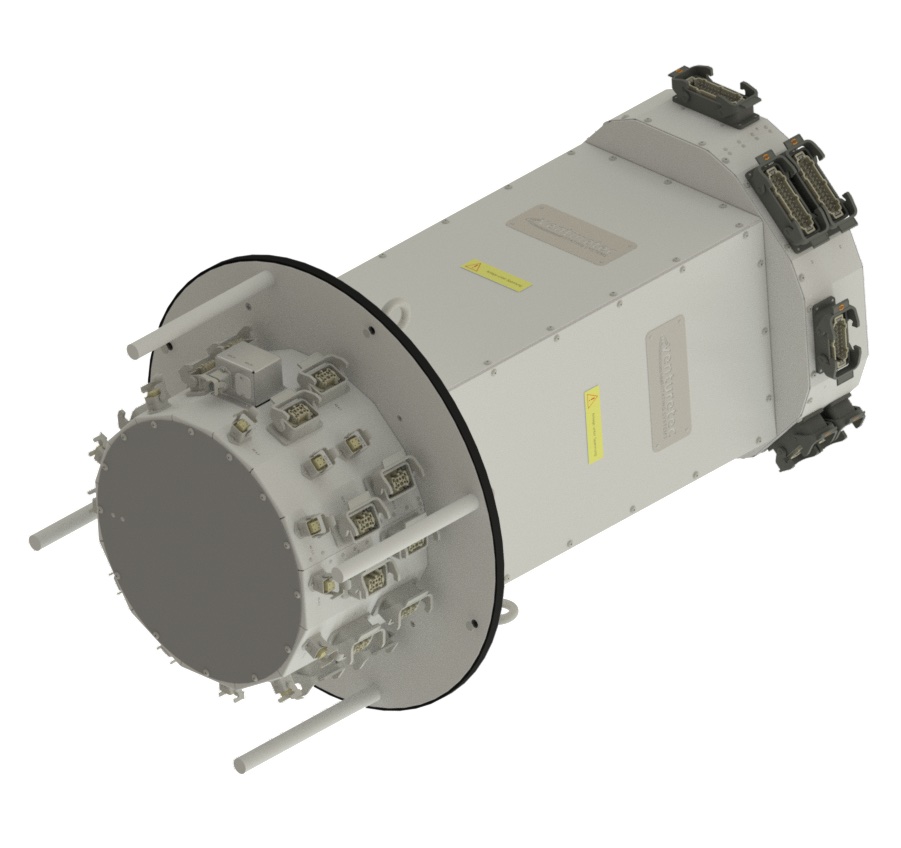
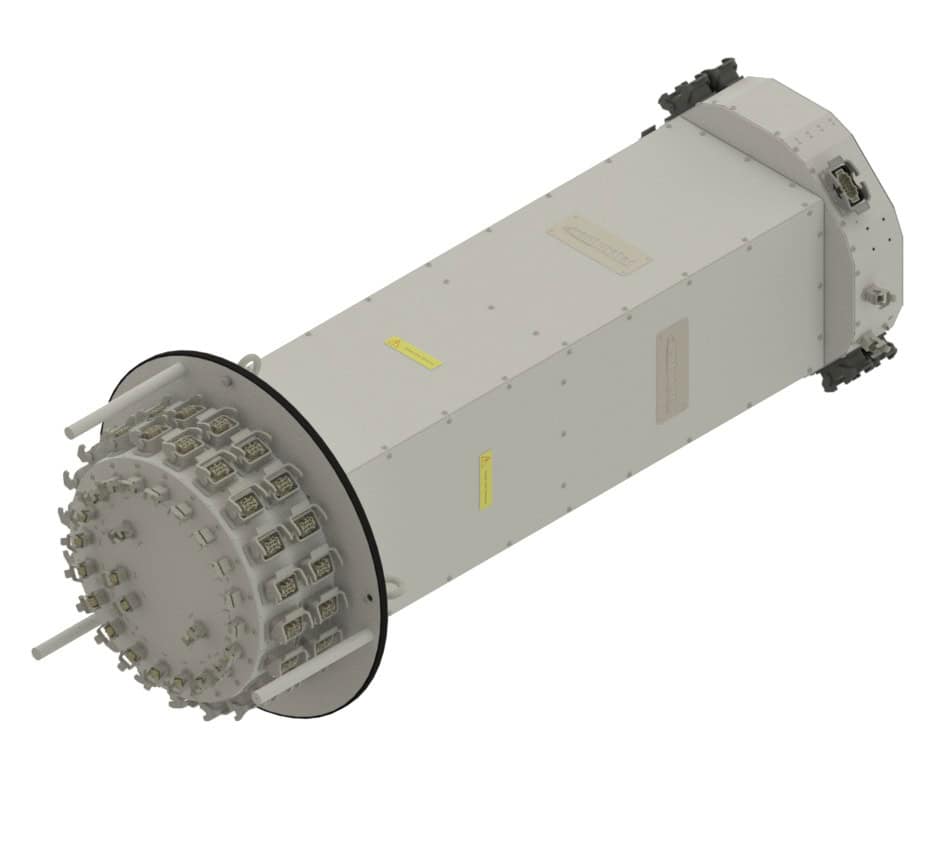
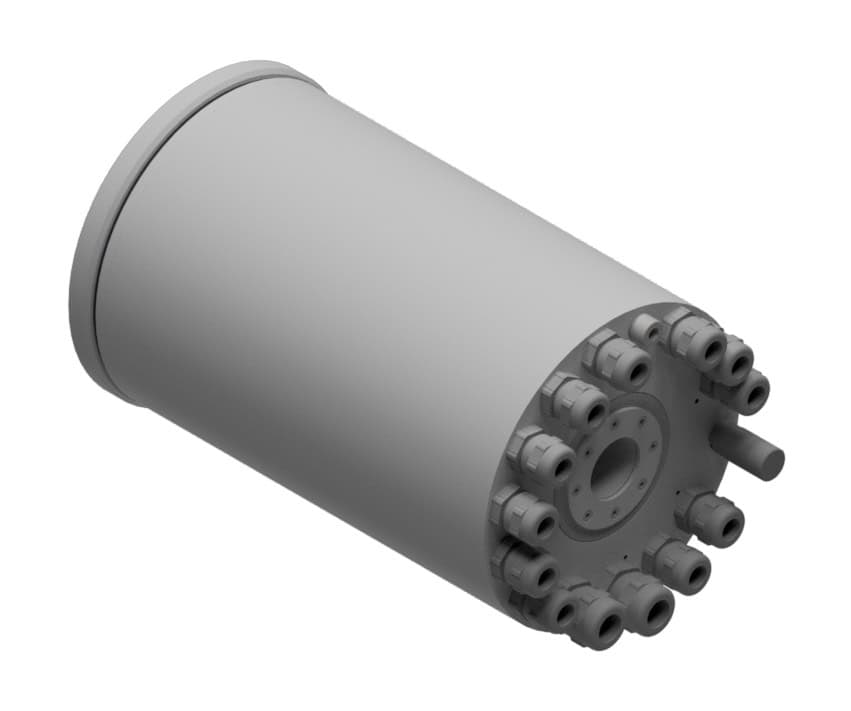
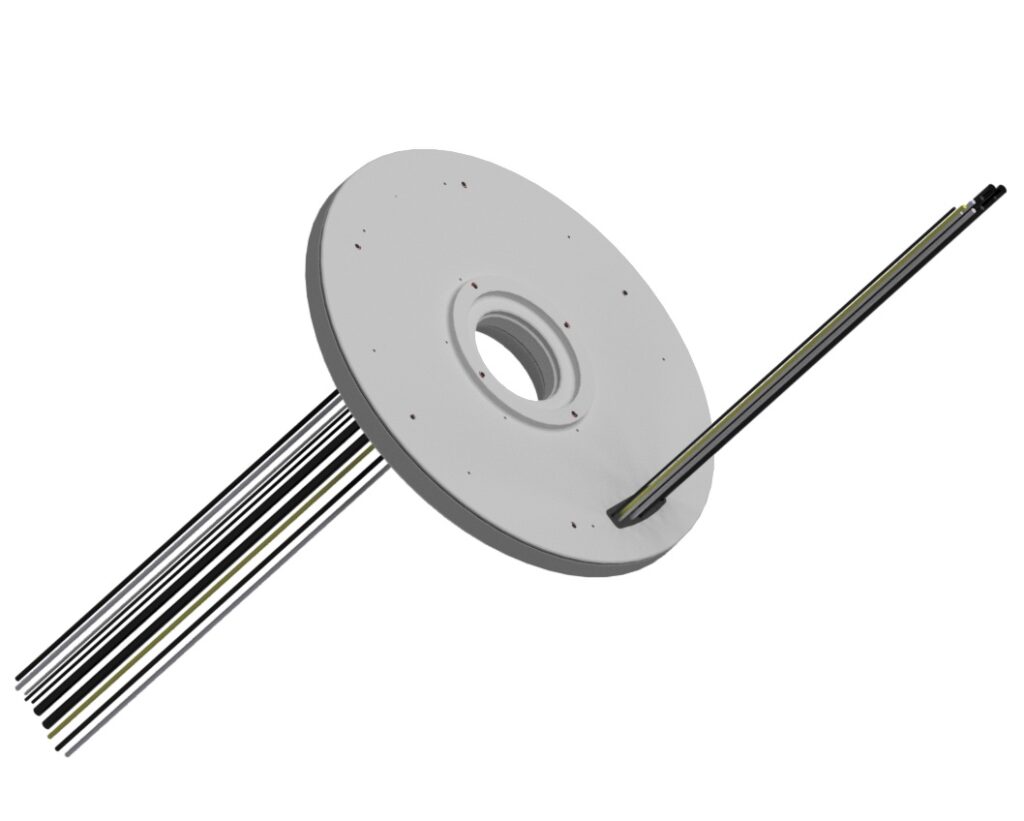
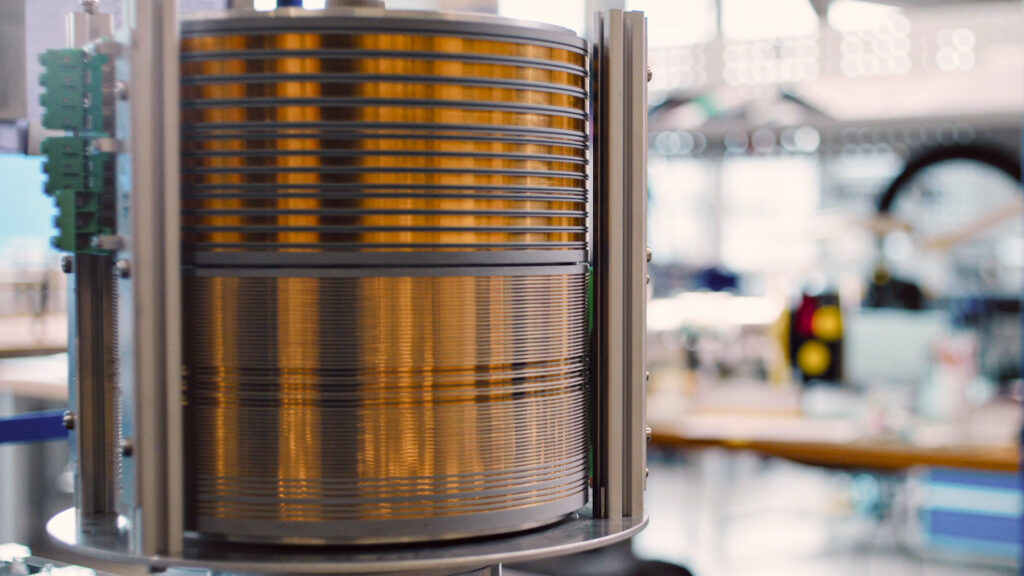
To enable continuous rotation of the simulator cabin, power, data, control signals, optical transmission, and vital media such as breathing air and oxygen must be reliably transferred between the rotating cabin and the motion platform. Venturetec’s engineers addressed this challenge through the development of a project-specific rotary feedthrough solution incorporating electrical energy transmission, Ethernet data links, X2X control signals, and optical and pneumatic interfaces.
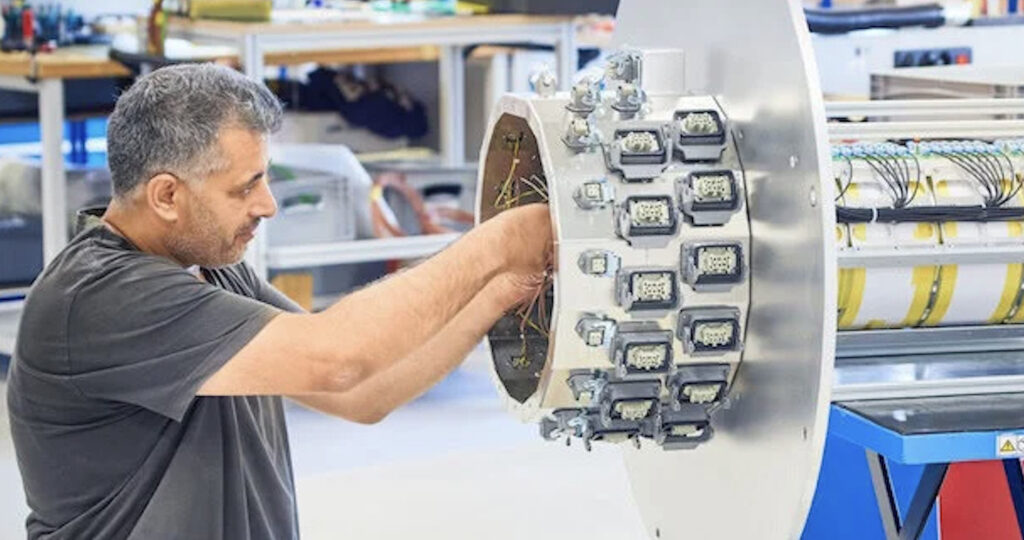
Following extensive prototype testing under operational environmental conditions at AMST, the finalized system was manufactured at Venturetec’s facility in Kaufbeuren, Germany, and delivered for use in an aeromedical institute. Similar projects are already planned, supporting safer pilot training and contributing to improved aviation safety worldwide.