




Beechat Network Systems is at the forefront of a growing shift as mesh radios move into mainstream awareness, marking a turning point for professional communications.
In this article, Beechat explores how rising public interest in decentralised, off-grid networking is reshaping expectations and understanding across both consumer and defense sectors.
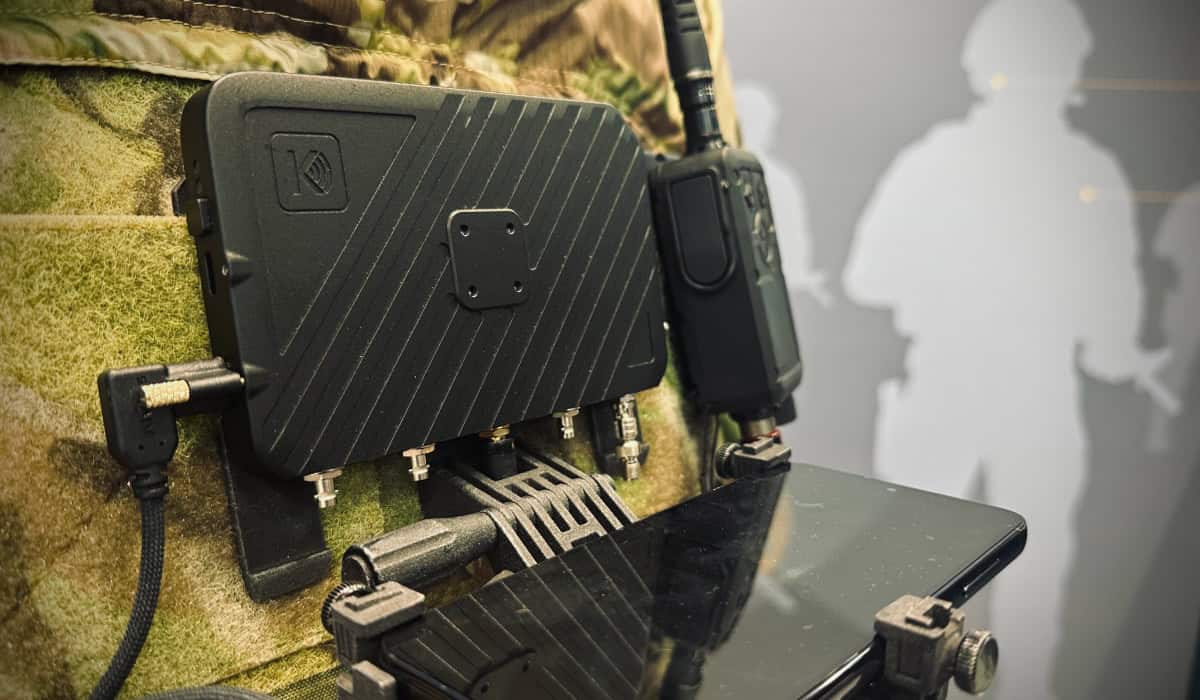
At its core, a mesh radio enables each node to relay data across a self-forming, self-healing network, removing reliance on fixed infrastructure. This architecture is highly valuable for military, UAV, and emergency response operations where resilience and adaptability are critical. However, increased visibility has also blurred the distinction between consumer-grade and operational systems.
Low-cost narrowband mesh devices, often based on LoRa-class technologies, have driven experimentation and accessibility. While effective for low-data-rate messaging and telemetry, they are constrained by limited bandwidth, low throughput, and scalability challenges under multi-node conditions.
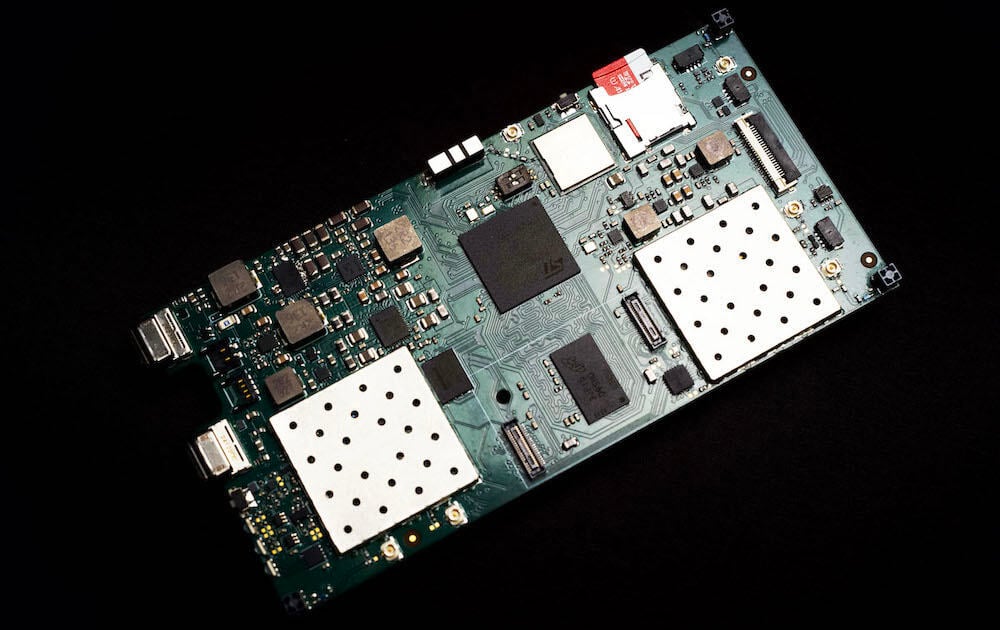
In contrast, professional mesh systems, typically built on software-defined radio (SDR) architectures, deliver multi-megabit throughput, frequency agility, and robust performance in contested RF environments. These platforms support simultaneous voice, data, and sensor streams, enabling real-time coordination for tactical teams, unmanned systems, and distributed operations.
This surge in interest represents a critical bridge between consumer experimentation and professional adoption. As users better understand performance limitations, demand is shifting toward secure, high-capacity solutions designed for real-world deployment, highlighting the importance of clear guidance as mesh networking enters the mainstream.
Read Mesh Radios Are Going Mainstream: What This Means for Professional Communications on Beechat’s website.