




Beechat has been selected as one of the 150 companies to join the NATO Defense Innovation Accelerator for the North Atlantic (DIANA) 2026 Challenge Programme.
The company’s inclusion in the programme, chosen from over 3,600 applicants, aligns its sovereign, infrastructure-independent capabilities with NATO’s need for resilient command and control systems.
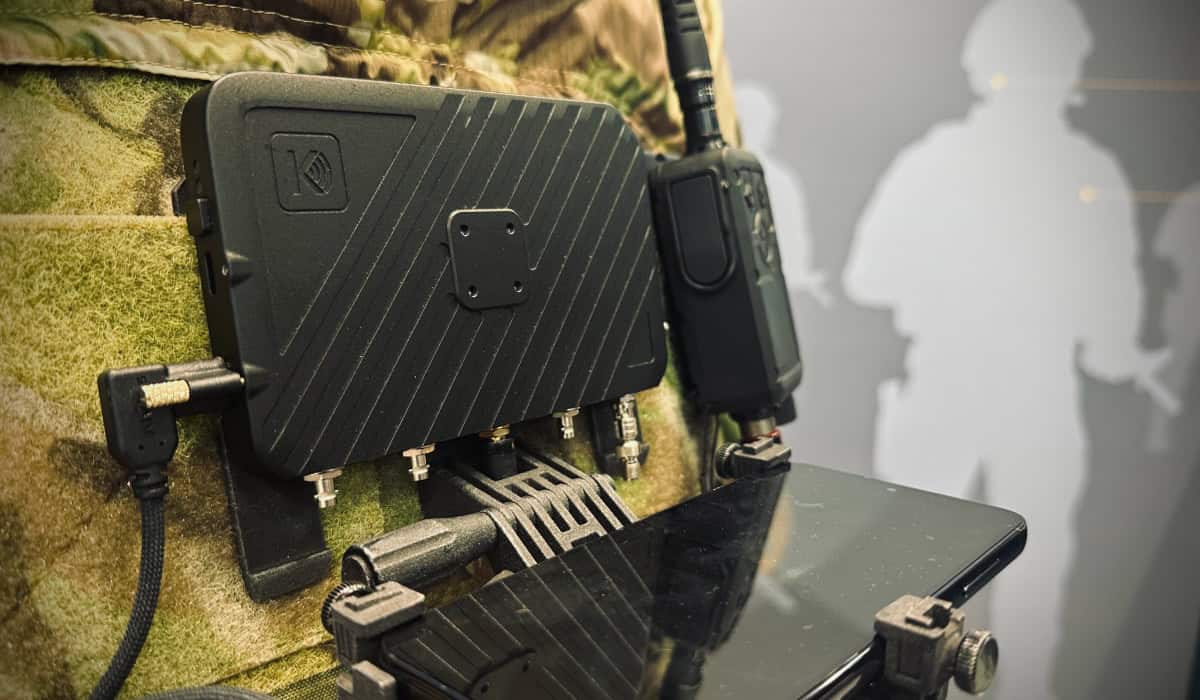
Beechat’s Kaonic platform is a sovereign communications solution designed for contested, degraded, and denied environments. The system uses the Reticulum mesh networking protocol to establish zero-trust, self-healing networks without the reliance on servers, centralised coordination, vulnerable IP routing, or pre-configured infrastructure, setting it apart from standard Mobile Ad-Hoc Network (MANET) solutions. Reticulum uses identity-based addressing and delay-tolerant transport, enabling autonomous network function across any medium without broadcasting physical location data via discovery packets.
The platform is further reinforced by a patent-pending Zero Trust Frequency Hopping algorithm. This algorithm maintains robust connectivity and significantly reduces the radio frequency signature by using HMAC-based time synchronisation rather than broadcasting beacon frames. This offers superior Low Probability of Intercept (LPI) and Low Probability of Detection (LPD) characteristics in hostile spectrums.
Beechat’s participation in the DIANA Challenge Programme will concentrate on hardening its cryptographic stack against future threats by integrating National Institute of Standards and Technology (NIST) approved post-quantum cryptography (PQC) algorithms directly into the Kaonic core. Because the mesh protocol uses cryptography for network addressing, PQC is an integral part of the routing fabric, a “crypto-native” approach structurally superior to systems where security is “bolted on.” The company is incorporating Dilithium for digital signatures and Kyber for key encapsulation to secure deployed tactical networks against “store-now-decrypt-later” threats.
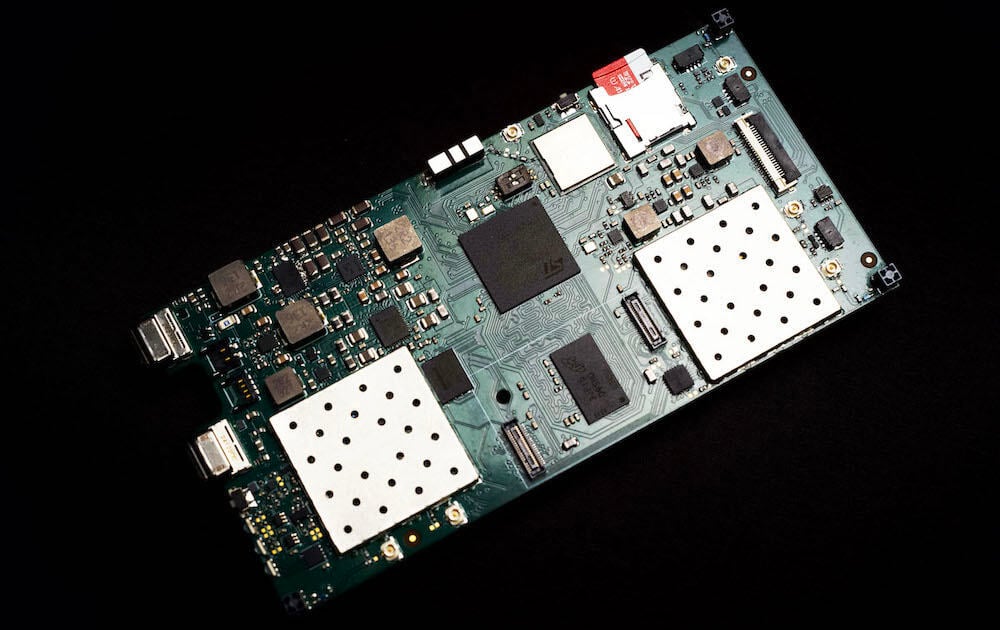
The Kaonic device is built on an open architecture and features an optional Spartan-7 Field-Programmable Gate Array (FPGA) that supports advanced signal processing, including 2×2 MIMO (Multiple Input, Multiple Output) and Low-Density Parity-Check (LDPC) coding. By keeping the physical layer transparent and auditable, the company offers a “glass box” solution, ensuring Allied forces can inspect, audit, and adapt the waveform without vendor lock-in.
The strategic value of Kaonic spans both civil resilience and tactical defense. In defense scenarios, it allows dismounted teams and autonomous assets to maintain situational awareness in GPS-denied zones, with native support for MAVLink telemetry and TAK enabling encrypted geospatial coordination and drone control. For civil response and disaster relief, the platform provides immediate, rapidly deployable communications. Its trustless gateway architecture allows disconnected field nodes to exchange encrypted messages globally via intermittent internet links.
Beechat’s collaboration with DIANA represents a focused acceleration of the company’s high-end capabilities. Over the next six months, Beechat will leverage DIANA’s transatlantic network to fast-track the deployment of the post-quantum stack and deepen interoperability with Allied frameworks. By engaging with defense end-users and utilising DIANA’s specialised test centres, Beechat is positioning Kaonic as the standard for resilient, decentralised communications in an era where infrastructure independence is no longer a luxury, but a necessity.