ParaZero Technologies highlights the growing urgency of protecting critical infrastructure from unmanned aerial threats following the September 22, 2025, incident at Copenhagen Airport.
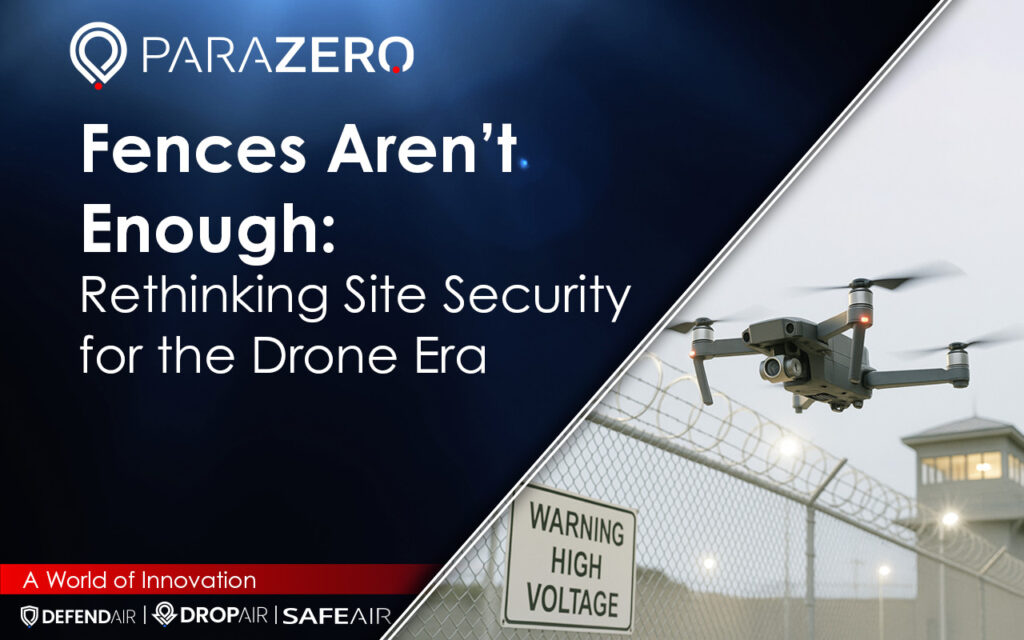
In this case, two or three commercially available drones forced flight diversions and cancellations, demonstrating that even low-cost UAVs can disrupt vital operations.
While traditional security focuses on human threats through fences, guards, CCTV, and cybersecurity, drones bypass these defenses entirely. Their maneuverability, advanced sensors, and low cost make them a potent asymmetric threat. European airports, U.S. military installations, and government facilities have faced thousands of drone incursions in recent years, prompting significant investment in Counter-Unmanned Aerial System (C-UAS) technologies.
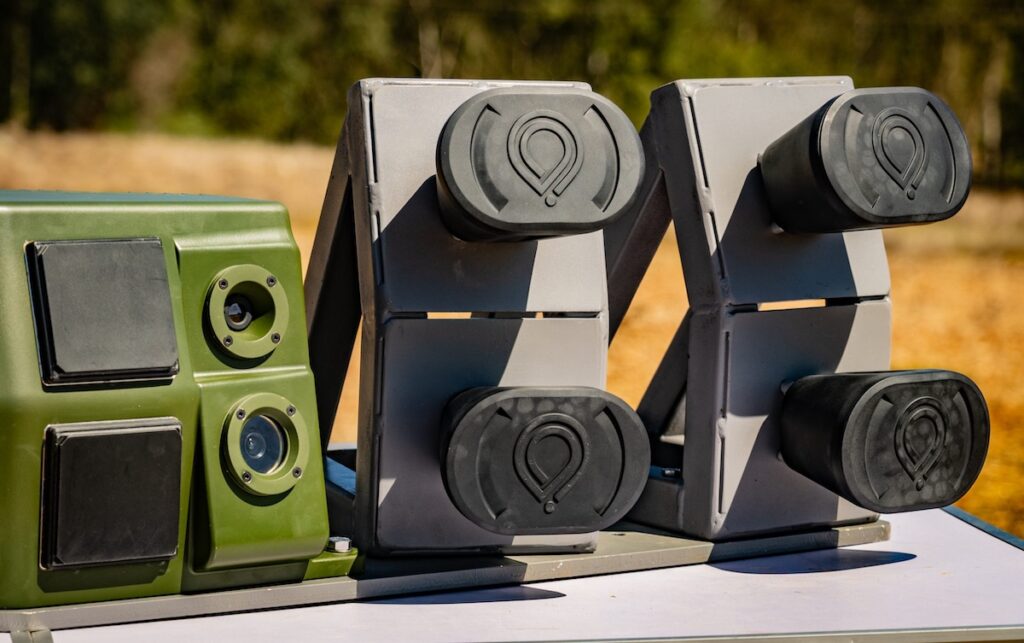
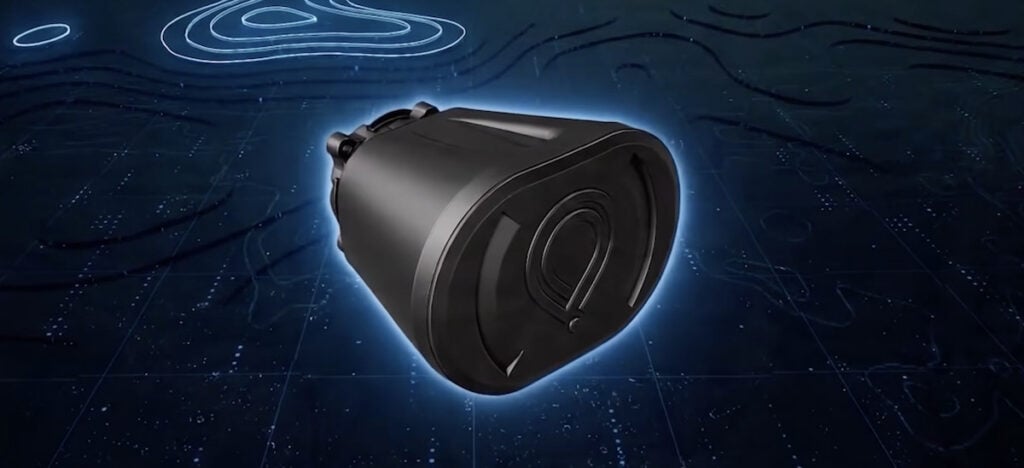
Challenges remain, particularly in urban or civilian-adjacent sites where kinetic solutions pose unacceptable risks. Electronic warfare and detection systems help but can be limited by signal interference or advanced navigation techniques. Integrated solutions, such as ParaZero’s DefendAir system, provide non-lethal, net-based interception that complements existing frameworks, bridging operational gaps while remaining safe for populated environments.
As drones evolve, so too must site defenses. Critical infrastructure requires layered, adaptive protection to address the next-generation UAV threat, because in the drone era, fences alone are no longer enough.